
View of Florence — History & Facts
Could a single brushstroke hold eternity? In View of Florence, transformation unfolds within the embrace of nature’s splendor, capturing a moment that transcends time. Look to the left at the soft, undulating hills that cradle the city, their verdant greens melding seamlessly with the warm golds and browns of the sunlit landscape. Notice how the delicate strokes convey the intricate architecture of Florence, with its domes and spires rising against the azure sky. The interplay of light and shadow reveals Cole’s mastery of atmospheric perspective, inviting the viewer to wander through the scene, as if one could step into the very fabric of this idyllic vista. Amidst the idyllic beauty lies an intriguing tension between nature and civilization.
The lush foreground, rich with foliage, whispers of the natural world’s timelessness, while the city in the background stands as a testament to human ambition and creativity. This juxtaposition raises questions about the relationship between progress and preservation, as if the artist is urging us to reflect on the impermanence of both life and landscape. Each stroke embodies a fleeting moment, yet collectively they convey a sense of eternity, a reminder that transformation is both inevitable and beautiful. In 1837, Thomas Cole was painting during a period of profound change, both in his life and in the American art scene.
Having established himself as a leading figure in the Hudson River School, he was focused on conveying the grandeur of the American landscape while grappling with his own artistic identity. The budding Romantic movement, with its emphasis on emotion and nature, influenced his work, making View of Florence not just a depiction of a city, but a reflection on the beauty and transience of life itself.
More Artworks by Thomas Cole
Browse all →
View from Mount Holyoke, Northampton, Massachusetts, after a Thunderstorm—The Oxbow
Thomas Cole
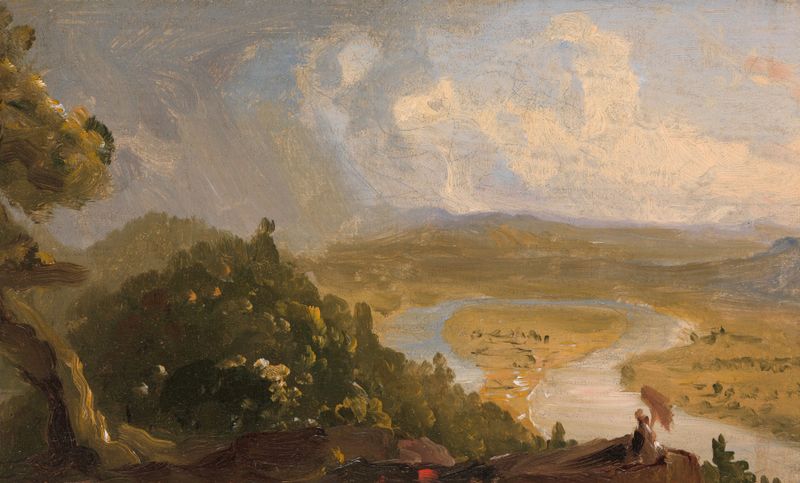
Sketch for View from Mount Holyoke, Northampton, Massachusetts, after a Thunderstorm (The Oxbow)
Thomas Cole
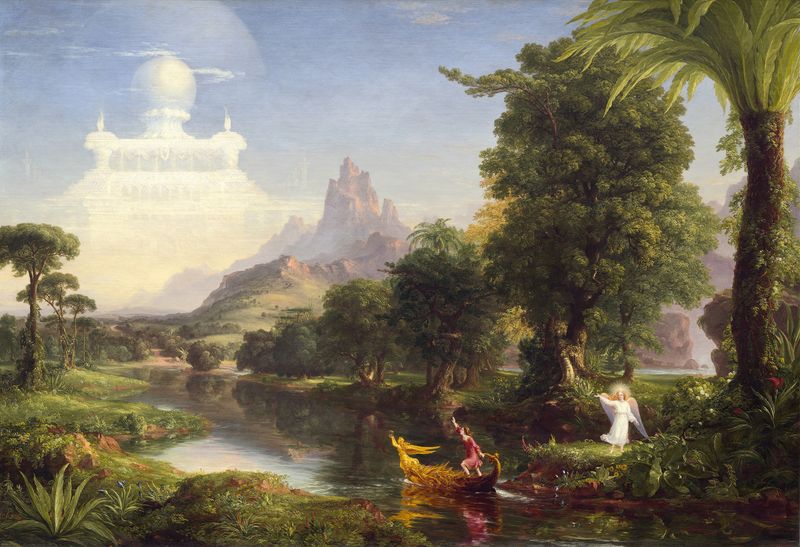
The Voyage of Life – Youth
Thomas Cole
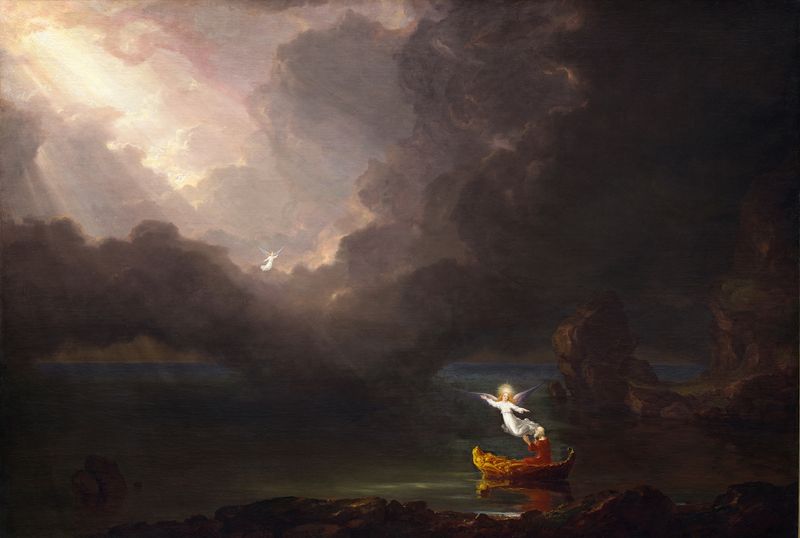
The Voyage of Life – Old Age
Thomas Cole
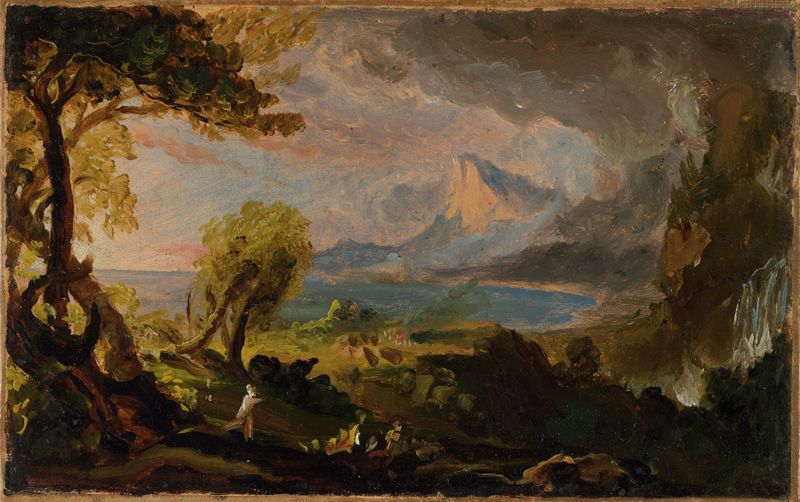
The Course of Empire–The Savage State
Thomas Cole

Landscape
Thomas Cole

New England Scenery
Thomas Cole

Sunrise in the Catskills
Thomas Cole
Tornado in an American Forest
Thomas Cole
The Voyage of Life – Childhood
Thomas Cole





