
View of Kalchreuth — History & Facts
What first draws the eye in View of Kalchreuth is the sweep of golden hills rising beyond a cluster of sharply angled rooftops, their geometry softened by the leafy canopies that seem to cradle the village. The houses huddle close, their steep gables and pale walls catching the light, while a winding path curves invitingly into the scene, leading the viewer past a pair of massive trees whose roots anchor the foreground. The palette is earthy and direct, with washes of ochre, green, and brown lending the landscape a sense of immediacy—as if the air itself is tinged with the warmth of late afternoon.
Every brushstroke, from the gentle shading of the hills to the careful articulation of the timbered barn, is a quiet invitation to linger and explore. Created around 1511, this work stands at a turning point in European art, when artists like Albrecht Dürer began to treat landscape not merely as a backdrop for biblical or mythological stories, but as a subject worthy of attention in its own right. The source notes that Dürer's views of Nuremberg, Kalchreuth, and Trento are considered among the first autonomous landscapes in art—a radical shift that would ripple through the centuries. In the early 16th century, such images were rare and precious, often made for collectors or as studies for larger works, yet here the land itself is the protagonist.
History has kept few traces of how this particular view was received in its own time, but the freshness of its vision endures: the hills still beckon, the village still waits, and the quiet drama of place continues to unfold for any who pause to look.
More Artworks by Albrecht Dürer

Melancholia
Albrecht Dürer

St. George and the dragon.
Albrecht Dürer
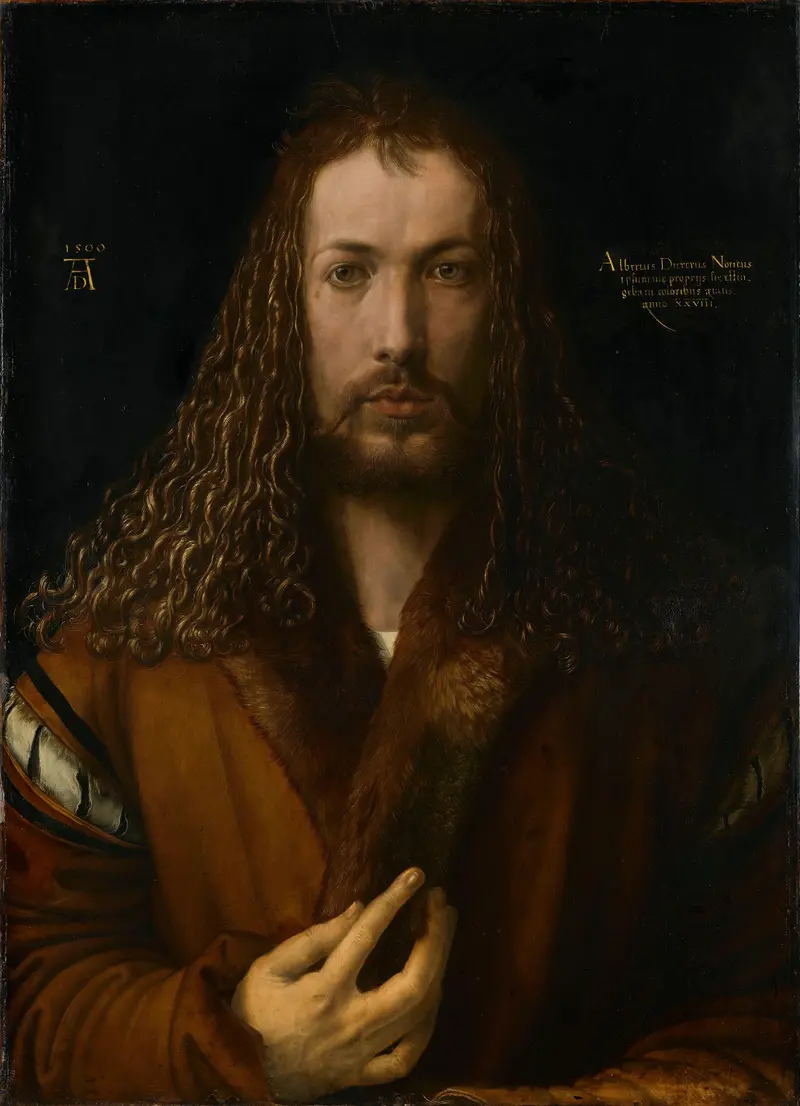
Self-Portrait with Fur-Trimmed Robe
Albrecht Dürer

Wing of a European Roller
Albrecht Dürer
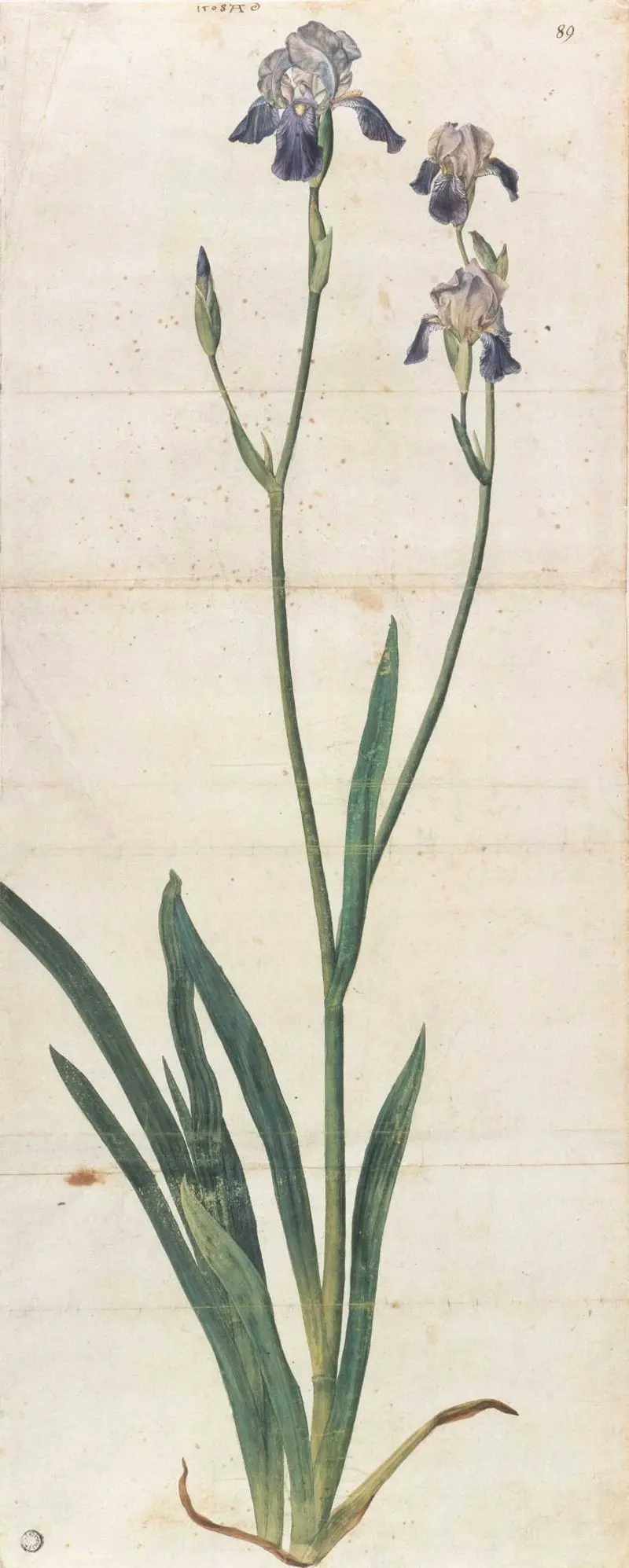
Iris
Albrecht Dürer
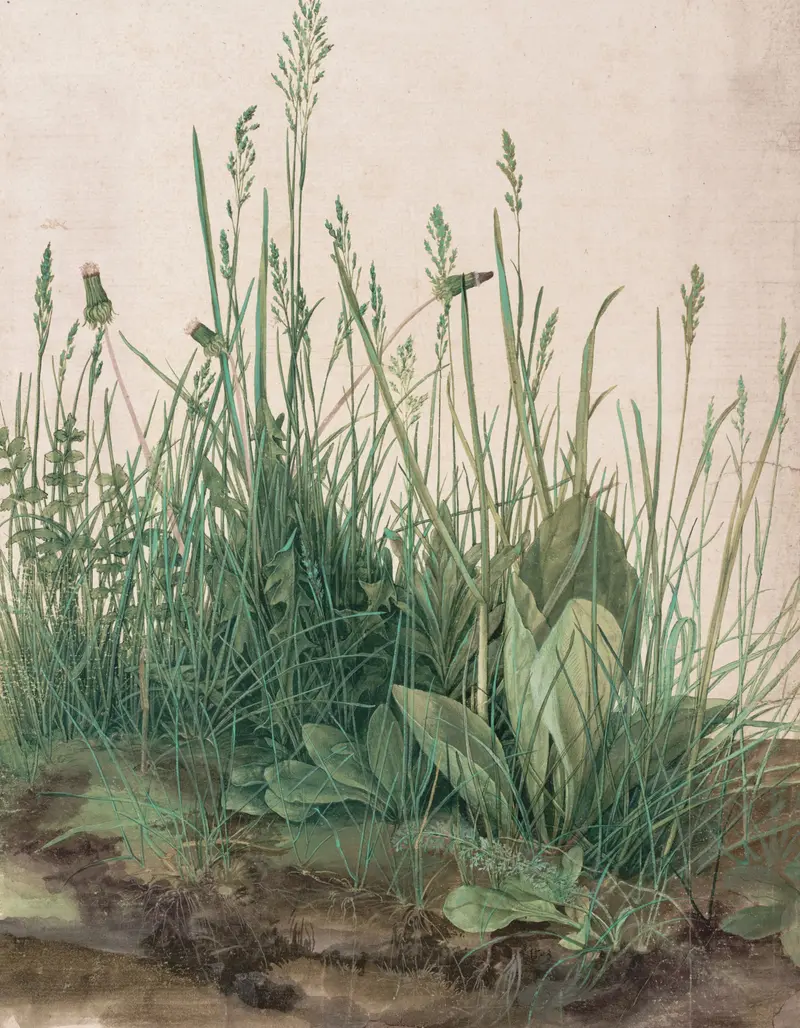
The Great Piece of Turf
Albrecht Dürer
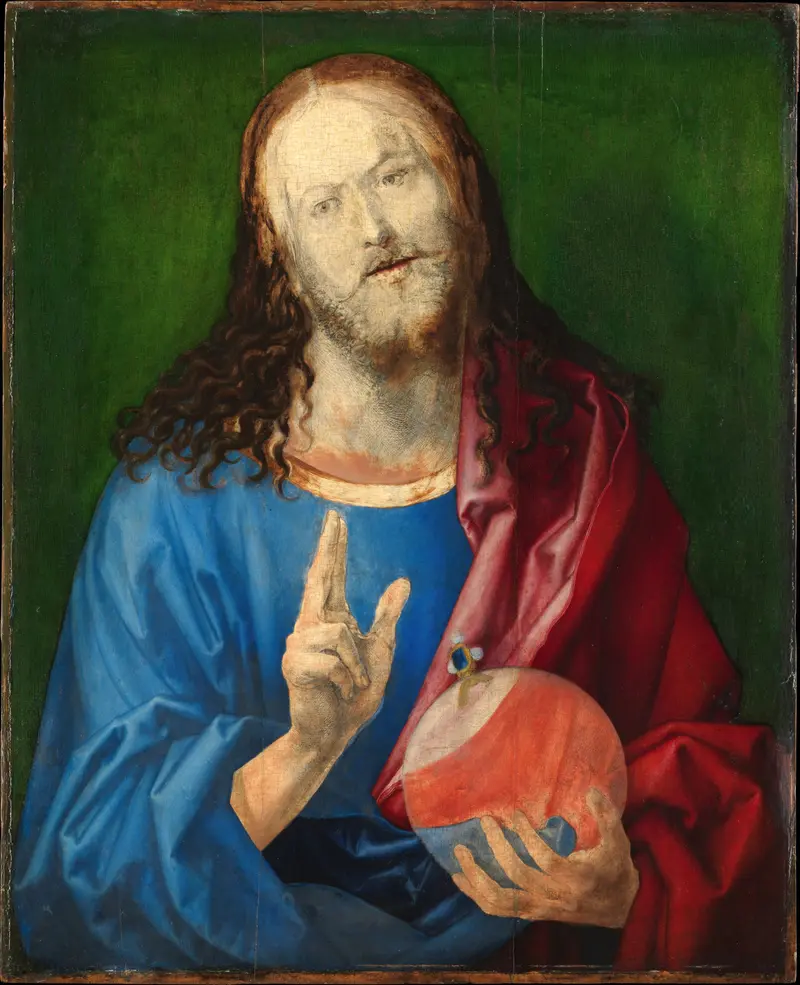
Salvator Mundi
Albrecht Dürer
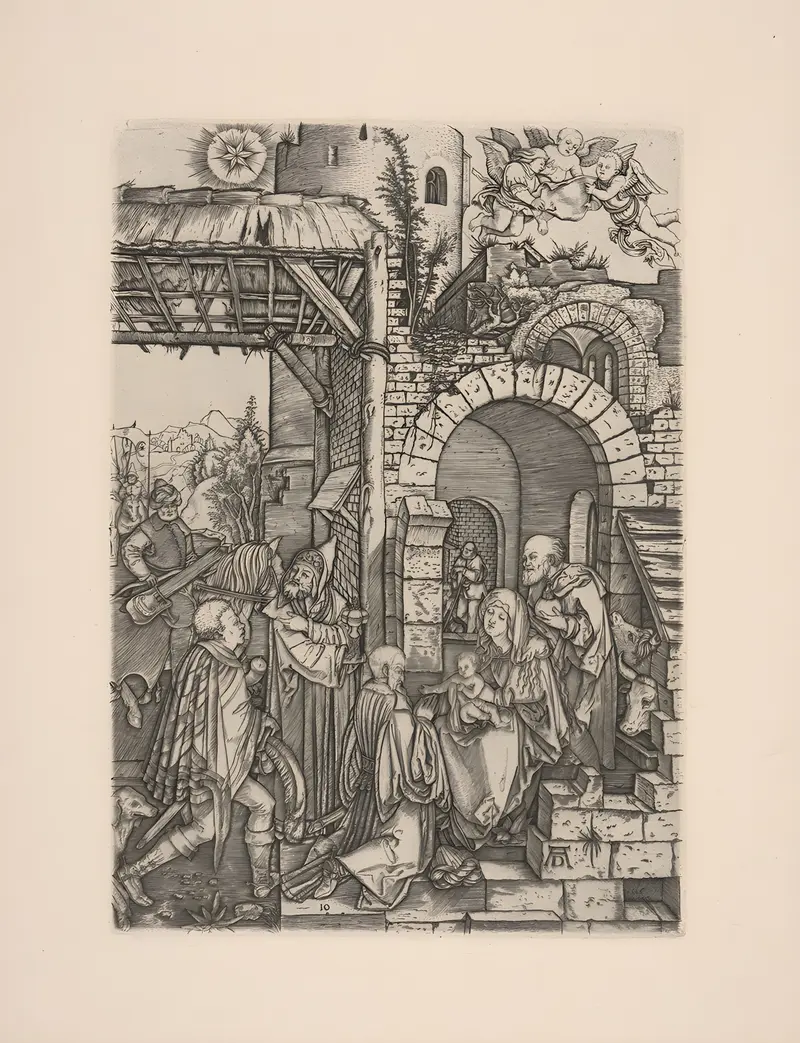
The Adoration of the Magi
Albrecht Dürer
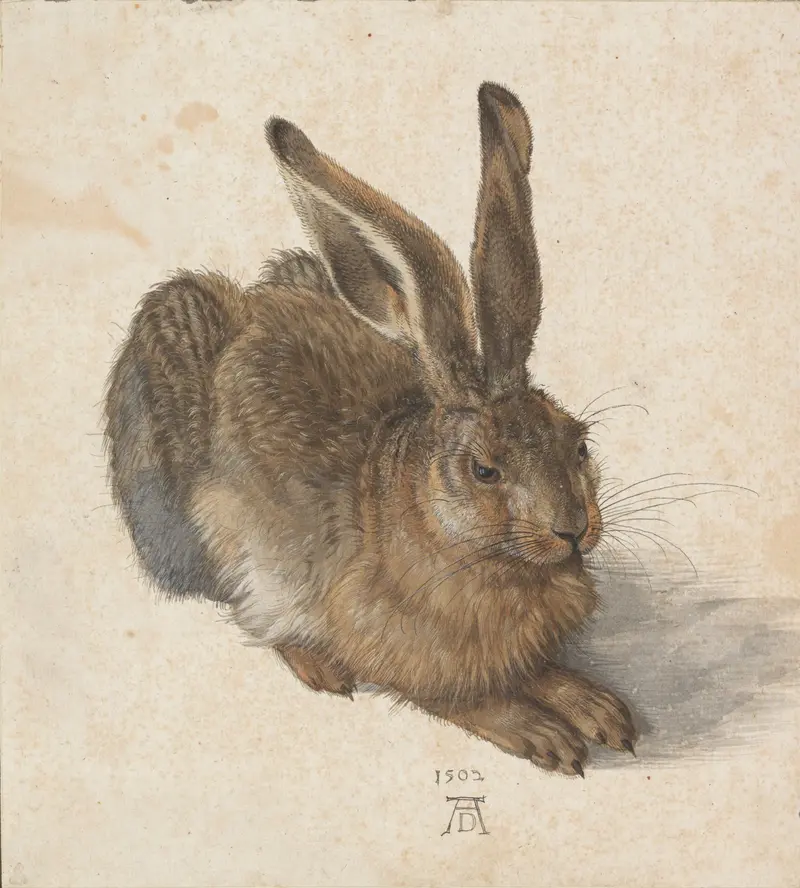
Young Hare
Albrecht Dürer
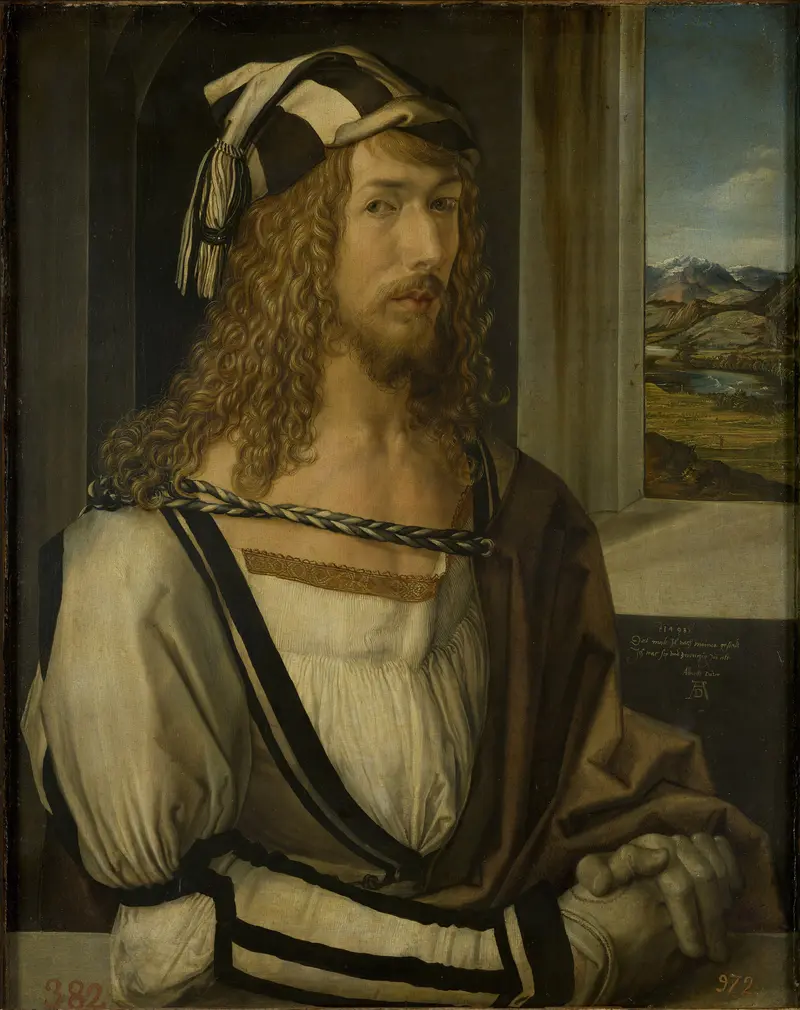
Self-portrait
Albrecht Dürer
More Landscape Art

The Starry Night
Vincent van Gogh

View of Delft
Johannes Vermeer

Water Lilies
Claude Monet

The Grand Canal, Venice, looking north-west from the Ca' Corner to the Ca' Contarini degli Scrigni, with the campanile of Santa Maria della Carità
Canaletto

Windsor Castle
Canaletto

The Grand Canal looking North-East from the Palazzo Dolfin-Manin to the Rialto Bridge
Canaletto