
View of Meissen.Study — History & Facts
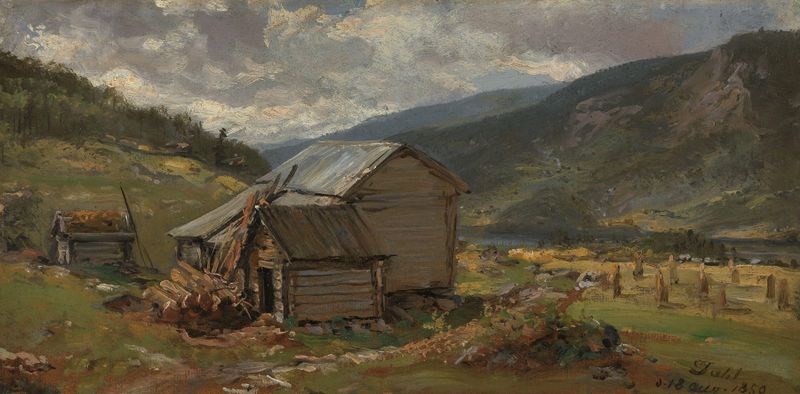
In the stillness of a landscape, emptiness can echo louder than any bustling crowd. It beckons us to listen, to see what lies beneath the surface of color and form. Look to the horizon where soft hills cradle a tranquil river, guiding your gaze toward the delicate silhouettes of distant structures. Notice how the artist has skillfully employed a muted palette—a symphony of blues and greens—that breathes serenity into the scene.
The brushwork is gentle yet deliberate, creating an atmospheric fog that envelops the landscape. Every stroke seems to whisper secrets of the past, where the contours of nature remain undisturbed, inviting introspection and quiet contemplation. Delve deeper into the painting's nuances, and you'll find a contrast between the vibrant life suggestion in the foreground and the haunting sense of absence in the background. The way the light dances upon the water draws attention to the river's flow, symbolizing time's unrelenting passage, while the distant buildings appear almost ghostly, hinting at stories and lives left behind.
This interplay of presence and absence reflects the artist's contemplation on the transience of existence, urging us to confront what is lost and what endures. In 1828, during a period of artistic awakening in Northern Europe, Johan Christian Dahl painted View of Meissen. Study while in Dresden, Germany. His work was influenced by the Romantic movement, focusing on the sublime beauty of nature and its emotional resonance.
As he navigated his own personal challenges, he sought to express a world that was both profound and profoundly empty, capturing the essence of human experience in its quietest moments.
More Artworks by Johan Christian Dahl
Browse all →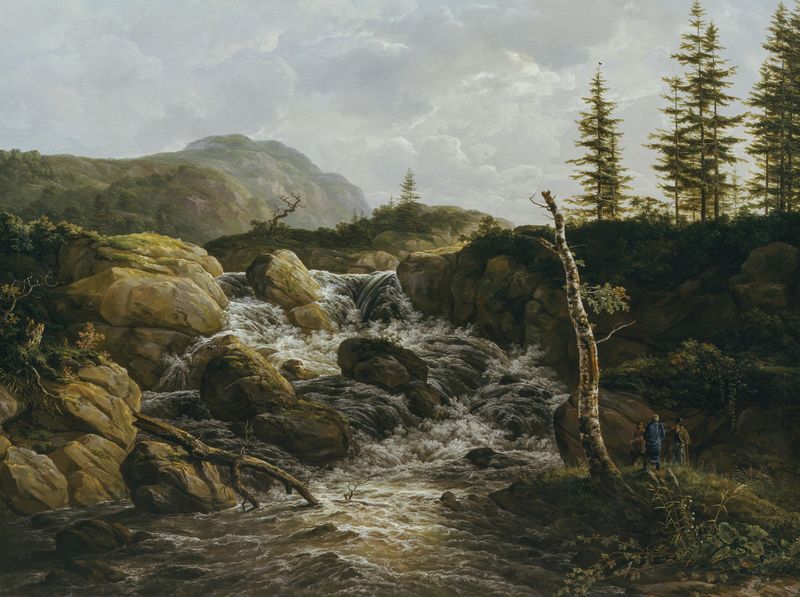
Mountainous Landscape with a Waterfall, Norway
Johan Christian Dahl
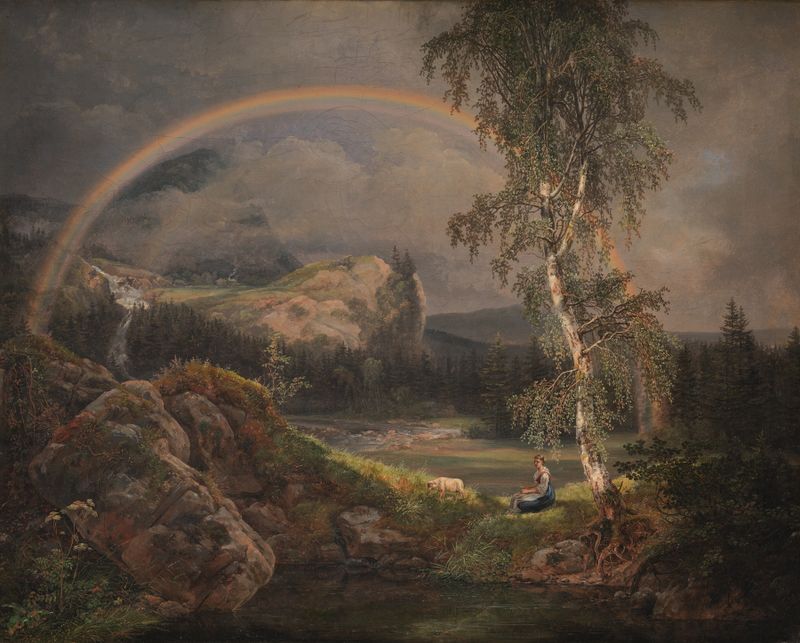
Norwegian Landscape with a Rainbow
Johan Christian Dahl
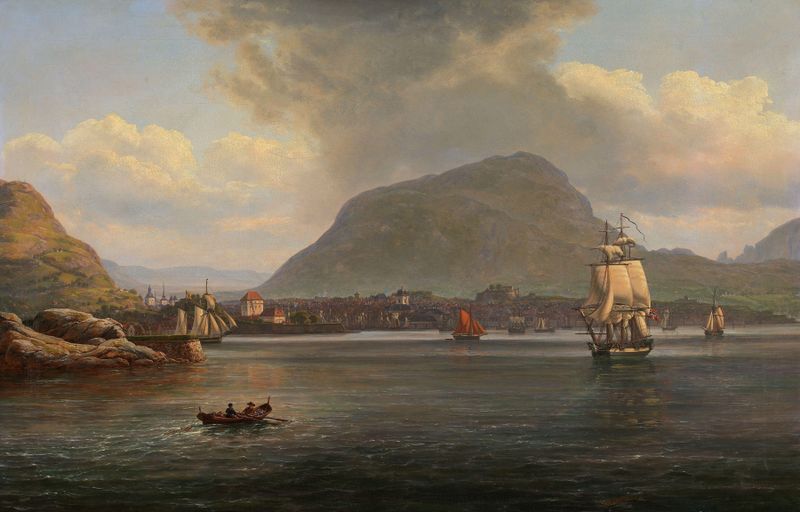
Bergen seen from the northern Inlet
Johan Christian Dahl
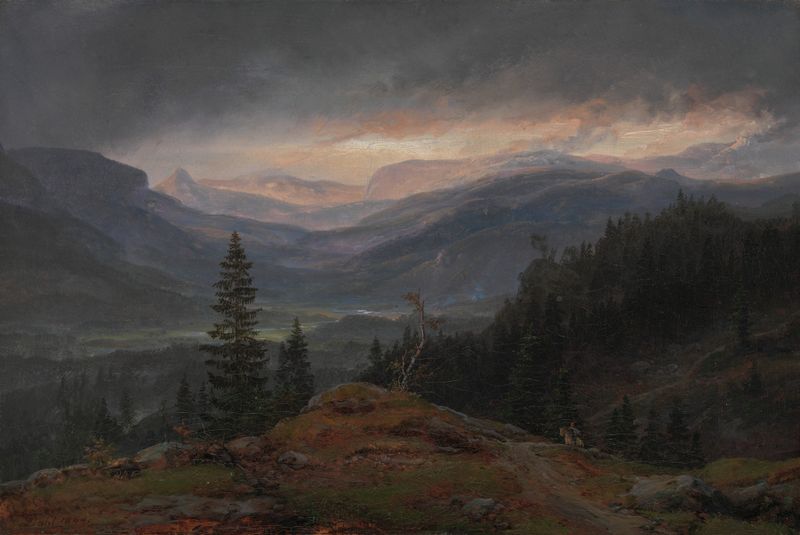
View over Hallingdal
Johan Christian Dahl
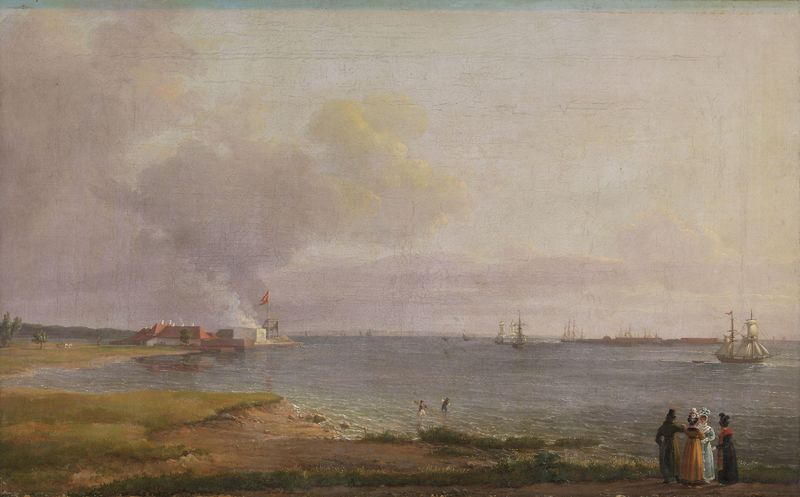
View over Øresund near the Lime Works
Johan Christian Dahl
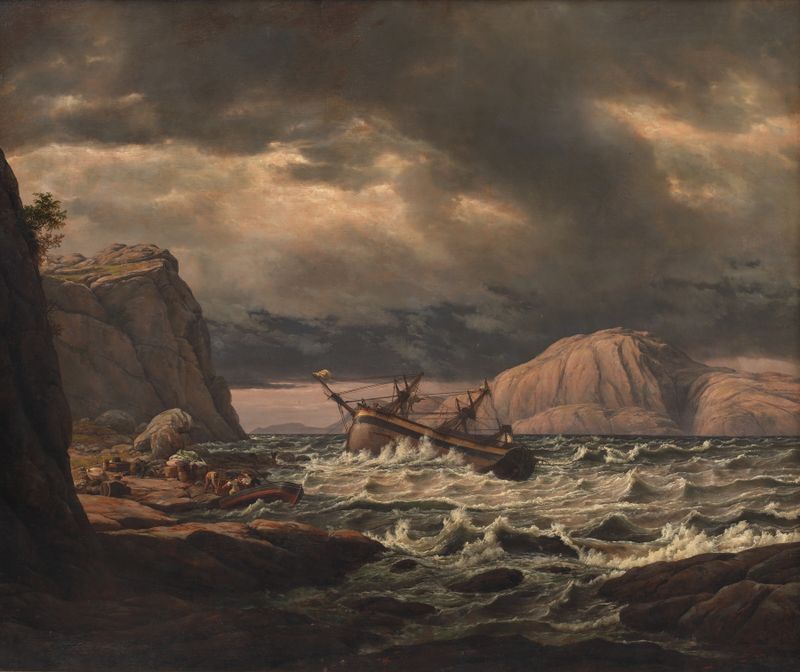
A Shipwreck on the Coast of Norway
Johan Christian Dahl
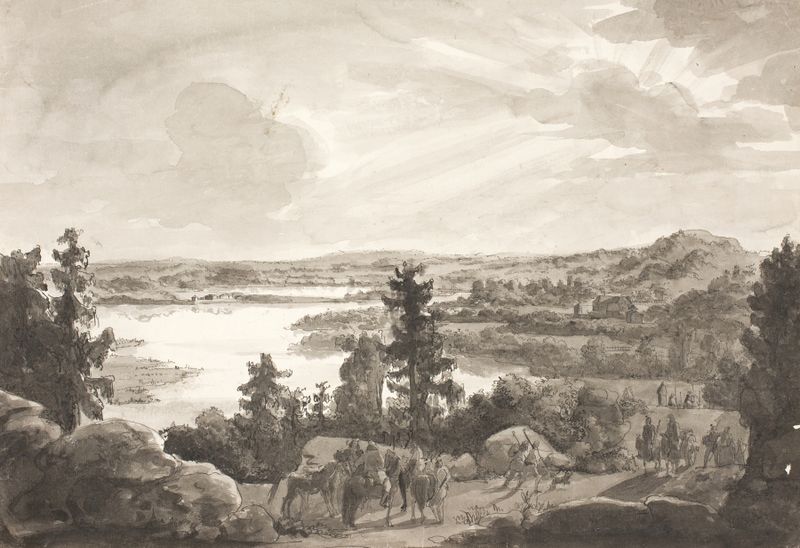
View of a Lake, Norway
Johan Christian Dahl
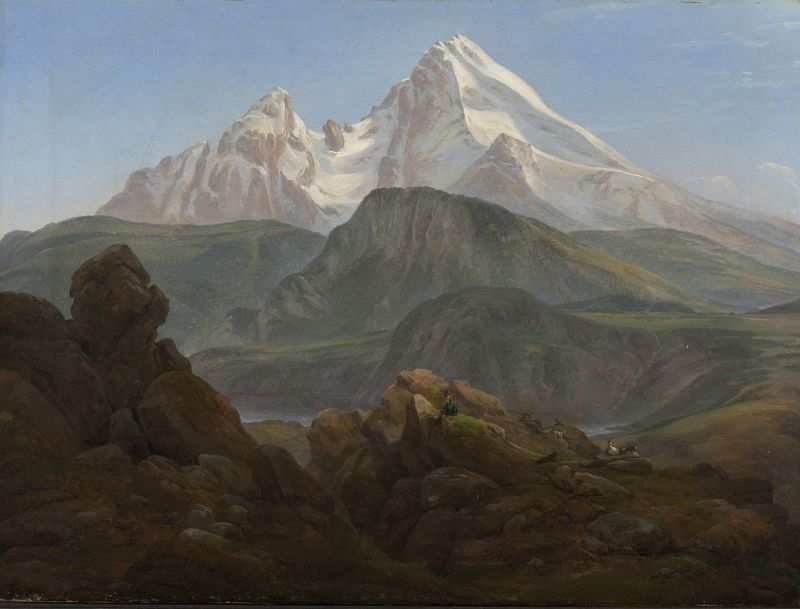
The Watzmann
Johan Christian Dahl
View of Hjelle in Valdres
Johan Christian Dahl

View At Skjolden In Lyster
Johan Christian Dahl





