
View of Plauen at the River Weisseritz — History & Facts
The canvas doesn’t lie — it simply waits. In View of Plauen at the River Weisseritz, nature bares its soul, inviting contemplation of transformation and time. Begin your journey by looking to the left, where the soft brushstrokes depict the gentle curves of the river, its surface shimmering under a pale sun. Notice how the warm hues of golden yellows and earthy greens breathe life into the scene, contrasting the cool blues of the water.
The delicate interplay of light and shadow captures the essence of early morning, where the day’s promise lingers like a whisper. The composition draws your eye along the riverbank, leading you deeper into the enchanting landscape. Amidst this tranquil beauty lies an undercurrent of change. The trees stand tall yet slightly askew, hinting at the winds of transformation that sweep through the valley.
The idyllic town, painted with a meticulous hand, reflects an era teetering between tradition and the encroaching modernity of the industrial age. The river, a symbol of continuity, flows with resilience, suggesting both the permanence of nature and the fleeting nature of human achievements. In 1822, Dahl, a pioneer of Norwegian Romanticism, painted this work while residing in Dresden, where he was immersed in the burgeoning art scene of Germany. It was a time of artistic exploration and introspection, as artists sought to capture the sublime beauty of their surroundings while grappling with the rapid changes brought on by progress.
This painting serves as a testament to that pivotal moment, bridging the gap between the familiar past and an uncertain future.
More Artworks by Johan Christian Dahl
Browse all →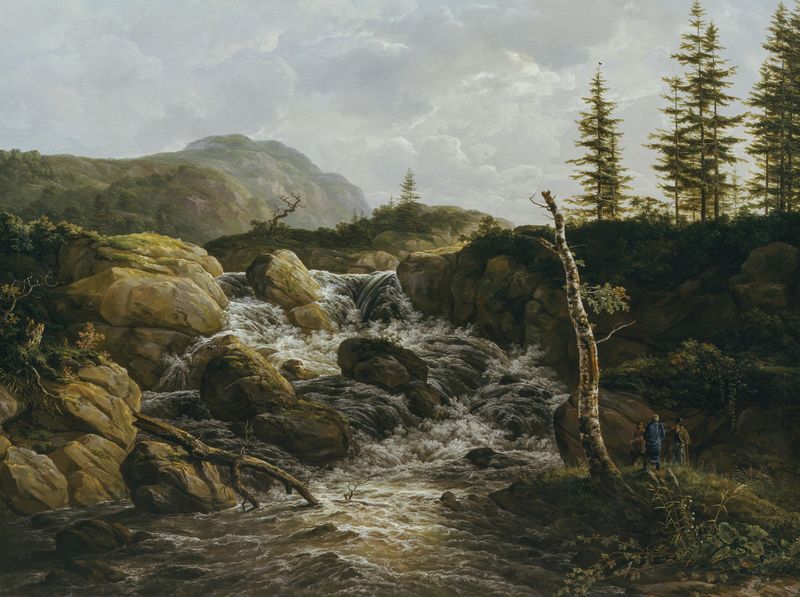
Mountainous Landscape with a Waterfall, Norway
Johan Christian Dahl
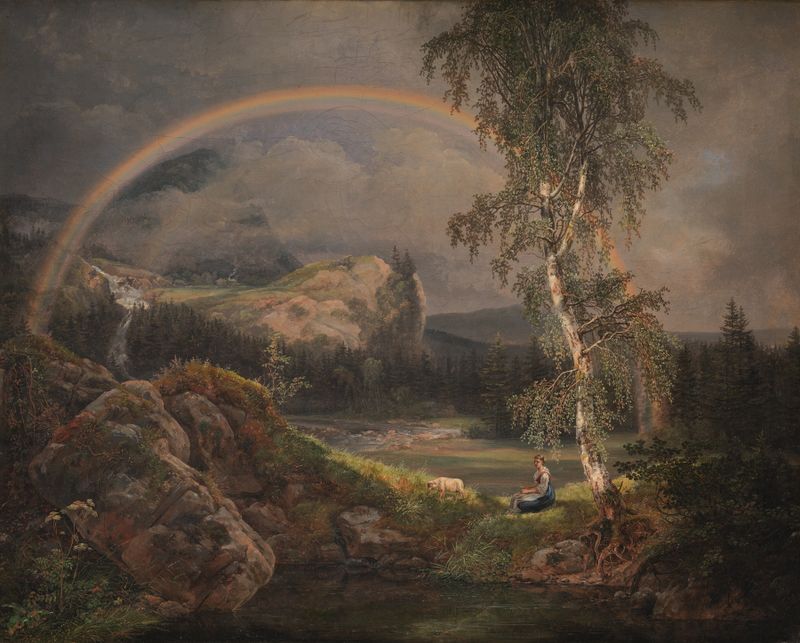
Norwegian Landscape with a Rainbow
Johan Christian Dahl
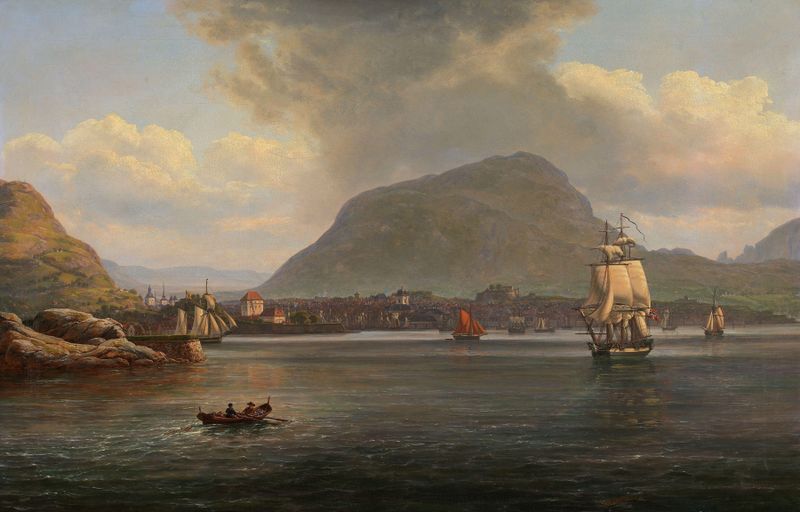
Bergen seen from the northern Inlet
Johan Christian Dahl
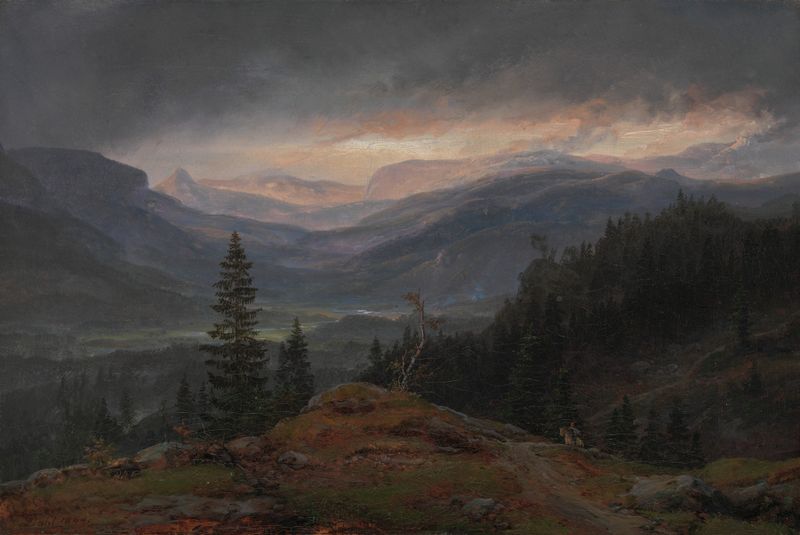
View over Hallingdal
Johan Christian Dahl
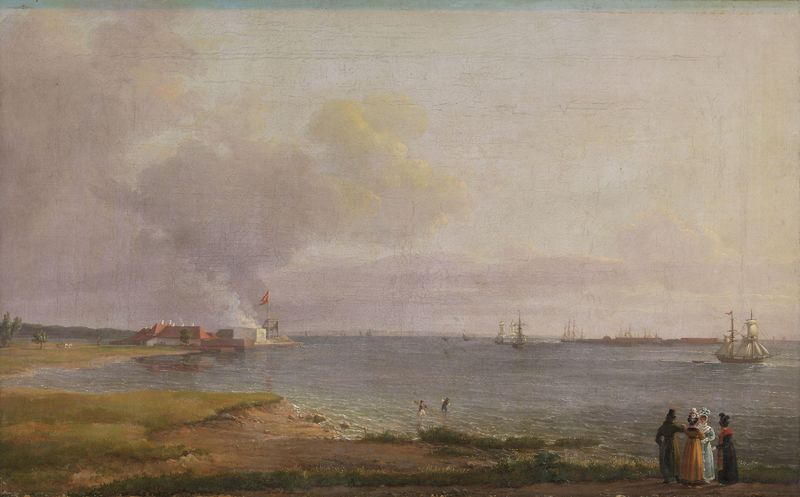
View over Øresund near the Lime Works
Johan Christian Dahl
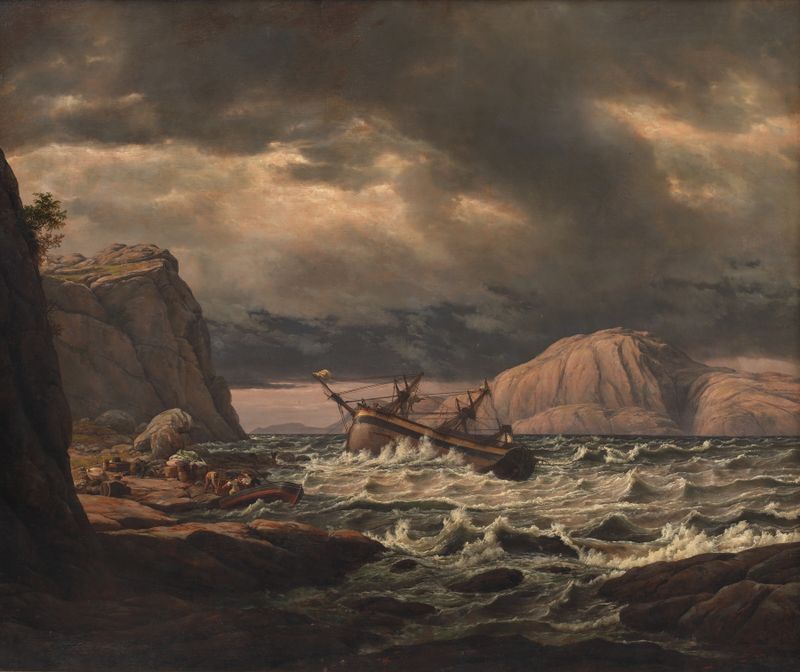
A Shipwreck on the Coast of Norway
Johan Christian Dahl
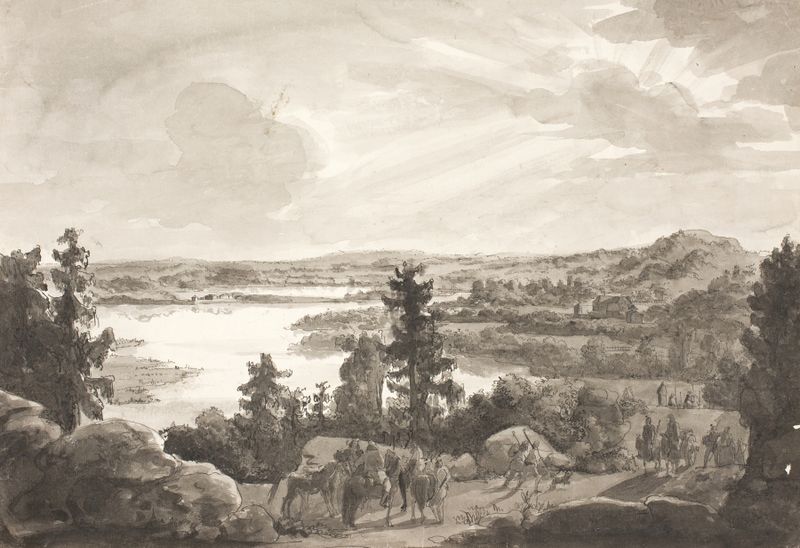
View of a Lake, Norway
Johan Christian Dahl
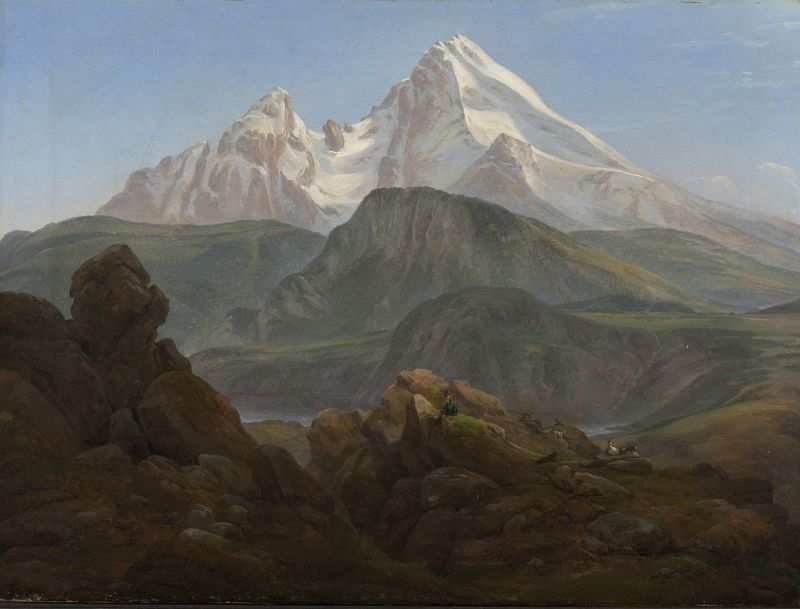
The Watzmann
Johan Christian Dahl
View of Hjelle in Valdres
Johan Christian Dahl

View At Skjolden In Lyster
Johan Christian Dahl





