
View of Puy de Dôme — History & Facts
A hush falls over the landscape, not from silence but from the soft, lavender glow that seems to settle on every surface. The eye is drawn first to the gentle rise of the Puy de Dôme, its volcanic shape rendered almost weightless beneath a sky of shifting greys and violets. The village, strung along the horizon, appears to float—its rooftops and church spire outlined by the bare trees that march in a delicate line, their branches tinged with the same cool pinks and mauves that ripple across the snow.
The palette is spare and deliberate, each brushstroke a quiet note in a winter song, and the scattered footprints in the foreground hint at unseen wanderers, inviting the viewer to imagine their passage. At the turn of the twentieth century, artists like Armand Guillaumin—whose View of Puy de Dôme dates to around 1899—were captivated by the shifting moods of nature and the changing light of the seasons. This painting, now in the Museum Barberini in Potsdam, belongs to a moment when landscape was not just a backdrop but a living subject, shaped by the artist’s own sensations. The Impressionists and their circle, including Guillaumin, painted en plein air to capture the fleeting effects of atmosphere, often for collectors eager to bring the countryside into their city homes.
History has kept few traces of the individual stories behind such works, but the scene’s quiet radiance speaks to a time when the modern world was arriving, and yet the land still held its mysteries—inviting us to linger, and look again.
More Artworks by Armand Guillaumin

La Seine À Charenton
Armand Guillaumin
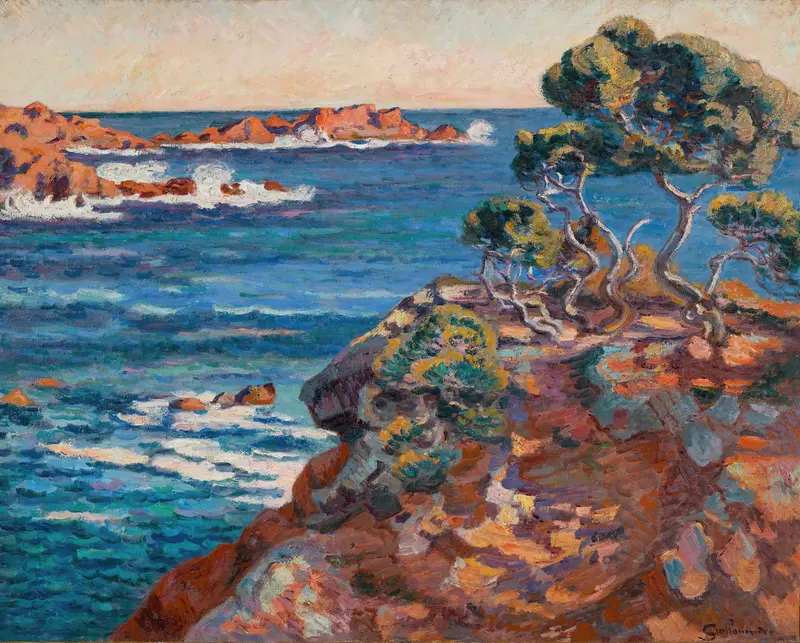
Bord De Mer À Agay
Armand Guillaumin
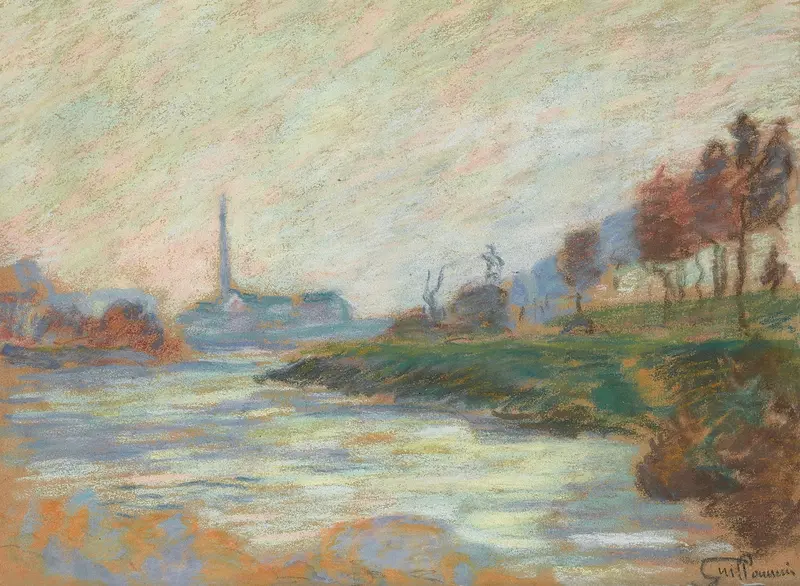
Confluent De La Marne Et De La Seine, Île De La France
Armand Guillaumin
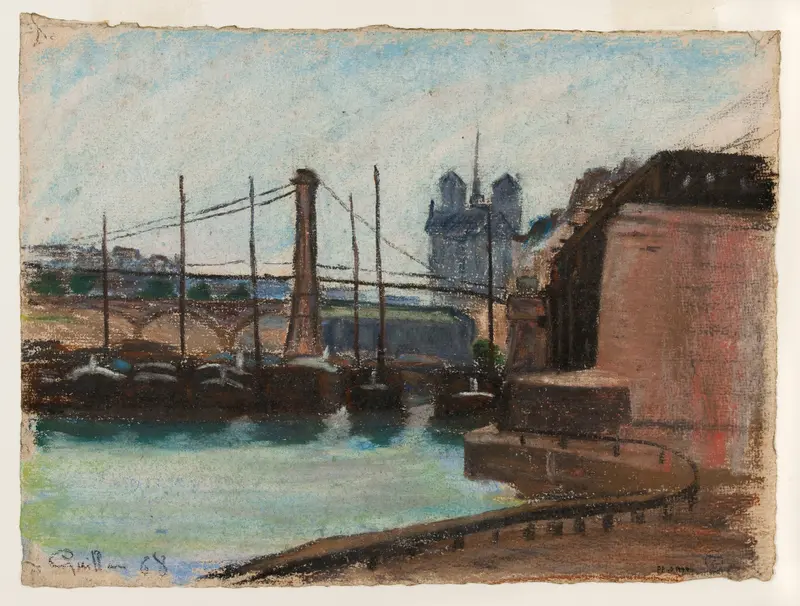
Le Pont d’Austerlitz
Armand Guillaumin
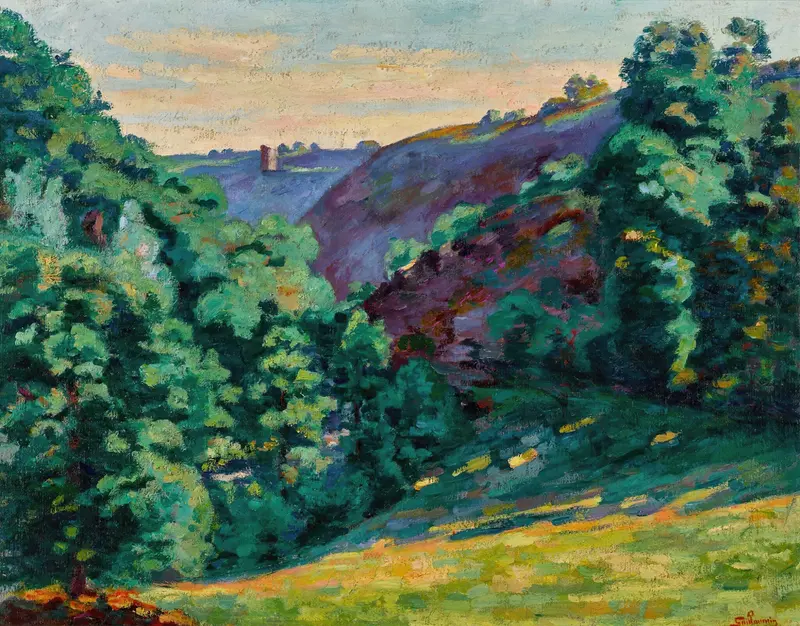
Le Ravin de la folie, vue de Chateau Crozant
Armand Guillaumin
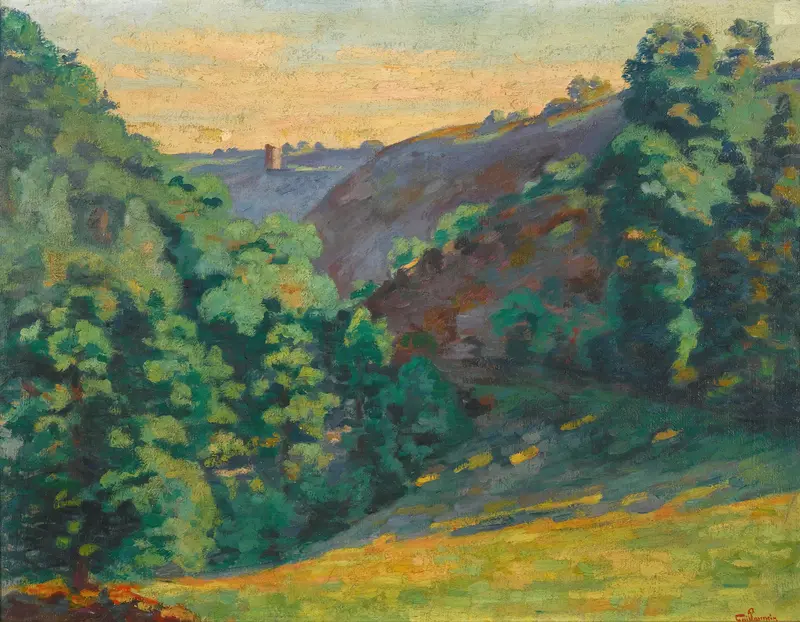
Crozant, Le Ravin De La Sedelle À La Folie
Armand Guillaumin
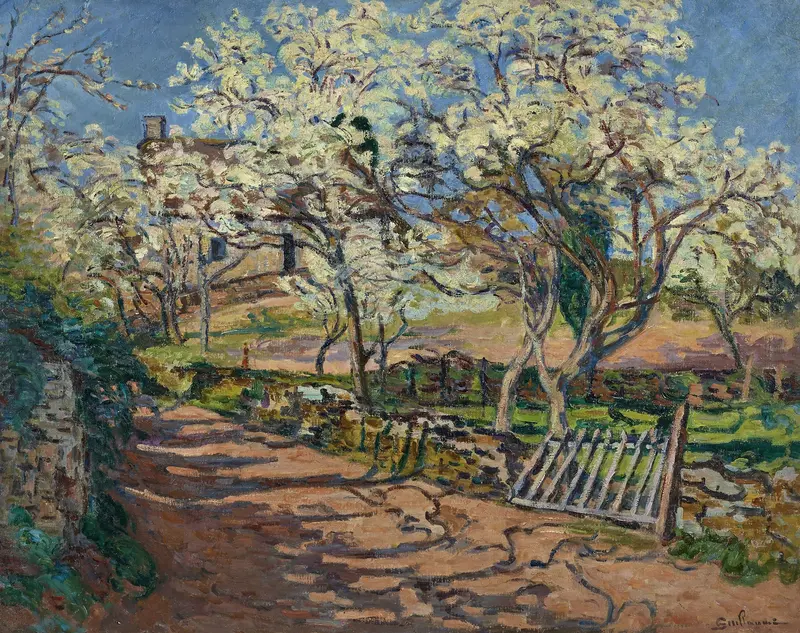
Paysage de Printemps
Armand Guillaumin
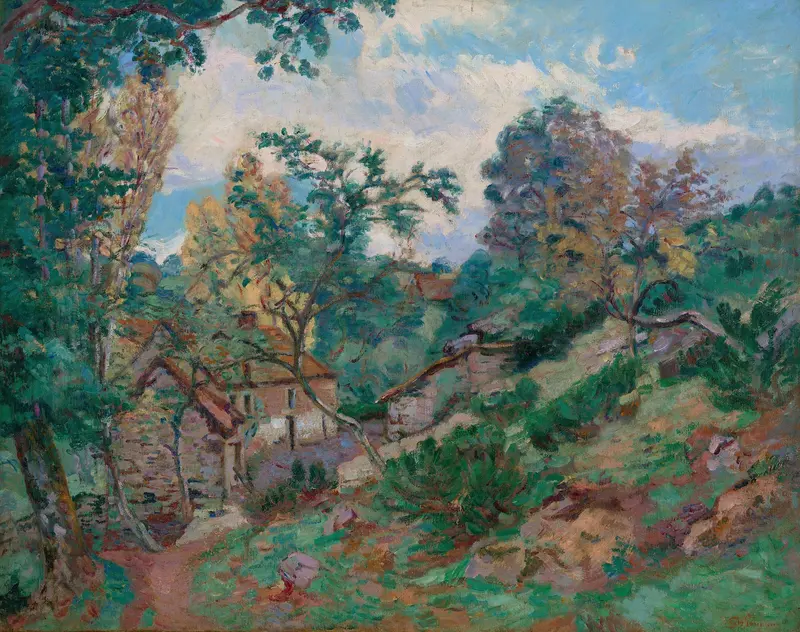
Paysage
Armand Guillaumin
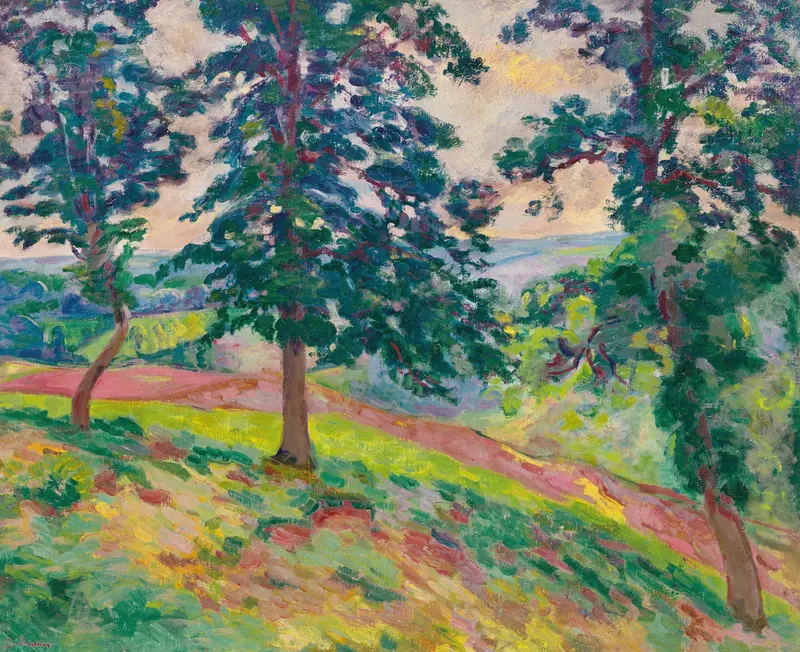
La vallée de la creuse
Armand Guillaumin
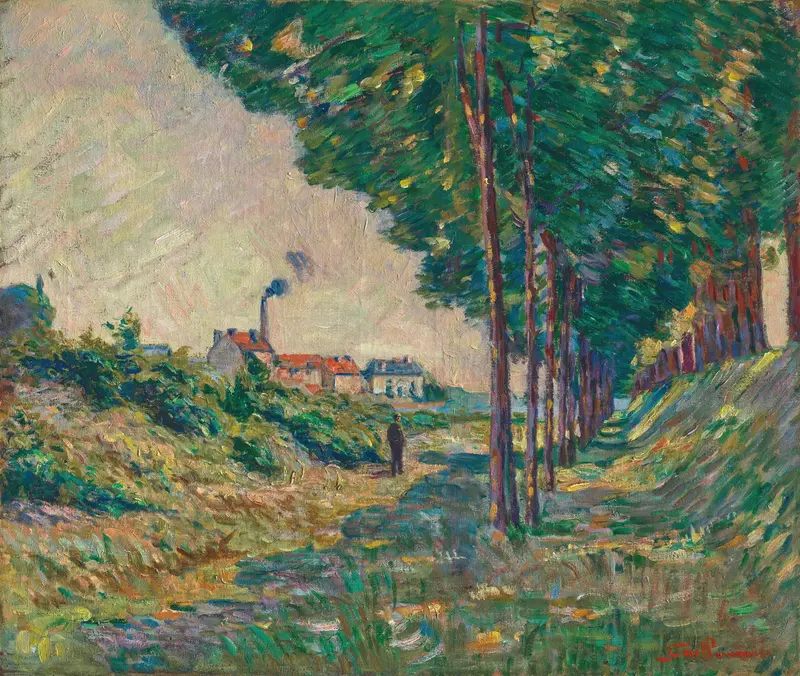
Le chemin de halage à Charenton, Ile de France
Armand Guillaumin
More Landscape Art

The Starry Night
Vincent van Gogh

View of Delft
Johannes Vermeer

Water Lilies
Claude Monet

The Grand Canal, Venice, looking north-west from the Ca' Corner to the Ca' Contarini degli Scrigni, with the campanile of Santa Maria della Carità
Canaletto

Windsor Castle
Canaletto

The Grand Canal looking North-East from the Palazzo Dolfin-Manin to the Rialto Bridge
Canaletto