
View of Rome — History & Facts
What if beauty was never meant to be finished? In View of Rome, the landscape presents a serene yet unsettling contrast, inviting contemplation on the violent clash between nature's splendor and transient human existence. Look to the center of the canvas where the sun casts a golden hue over the ancient Roman ruins, illuminating the vibrant greens of the surrounding hills. The meticulous detail in the architecture reveals a world once alive with grandeur, while the soft brushstrokes in the sky evoke a sense of tranquility, almost masking the turbulence beneath. The juxtaposition of light and shadow plays a crucial role, guiding the viewer’s gaze through the expanse of the scene, compelling them to explore the intricate interplay of nature and civilization. Delve into the foreground, where the delicate flowers bloom, resilient against the backdrop of crumbling columns.
Here lies an emotional tension: the transitory beauty of life amidst the remnants of past glory. The vivid colors of the flora suggest vitality, yet they contrast sharply with the eroded structures, whispering tales of time’s relentless passage. This juxtaposition compels the viewer to reflect on the inevitable decay that accompanies beauty, echoing the violence of destruction intertwined with creation. Frederic Edwin Church painted View of Rome between 1868 and 1869 during a period of artistic exploration marked by the Hudson River School's celebration of American landscapes.
Living in New York, Church was inspired by his travels, aiming to capture the grandeur of both nature and history. The world was undergoing rapid change—industrialization was beginning to reshape landscapes, even as artists sought to preserve the sublime beauty of untouched environments.
More Artworks by Frederic Edwin Church
Browse all →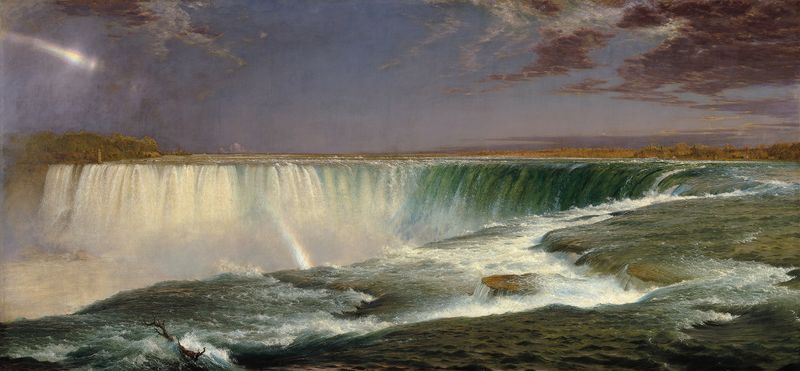
Niagara
Frederic Edwin Church
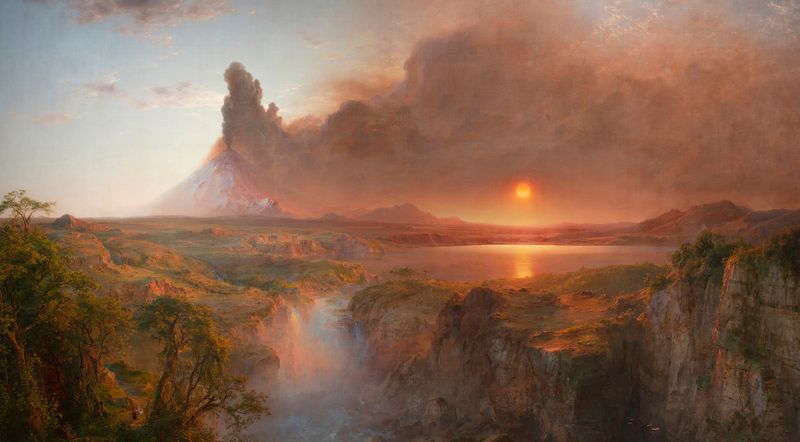
Cotopaxi
Frederic Edwin Church
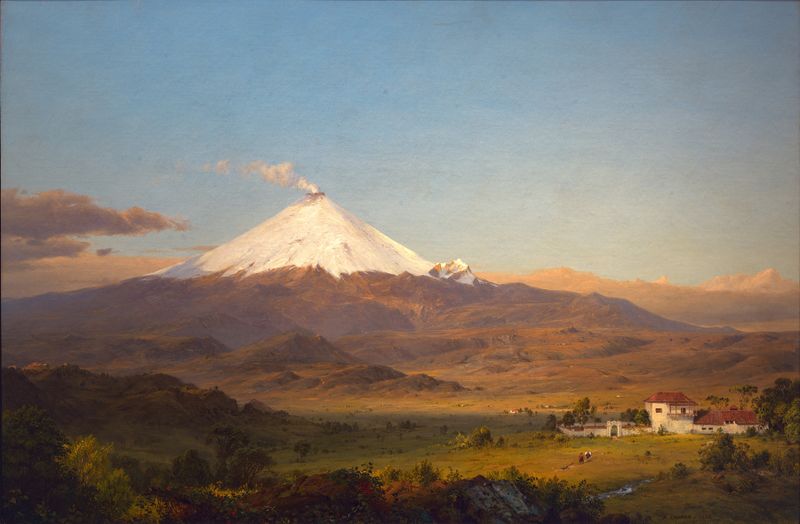
Cotopaxi
Frederic Edwin Church
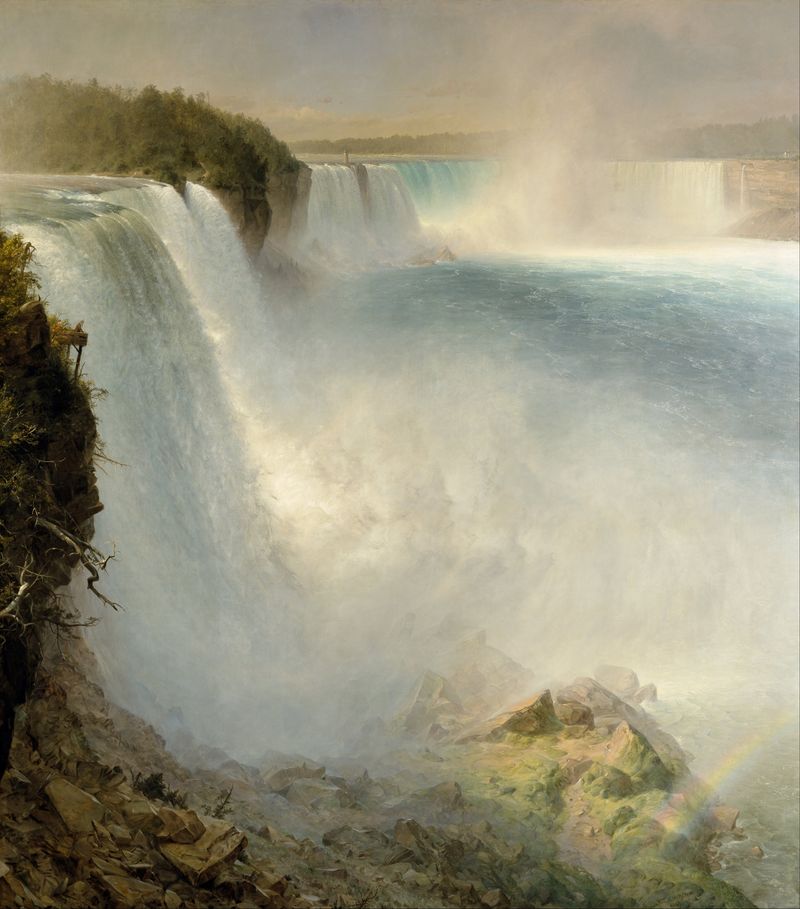
Niagara Falls, from the American Side
Frederic Edwin Church
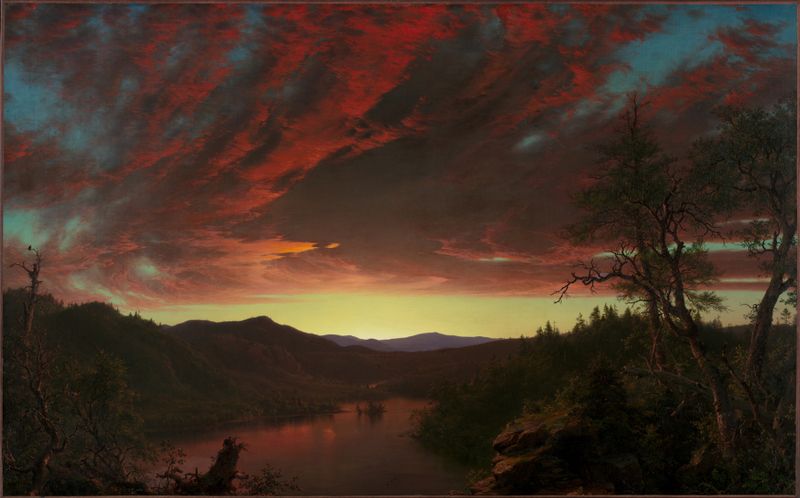
Twilight in the Wilderness
Frederic Edwin Church
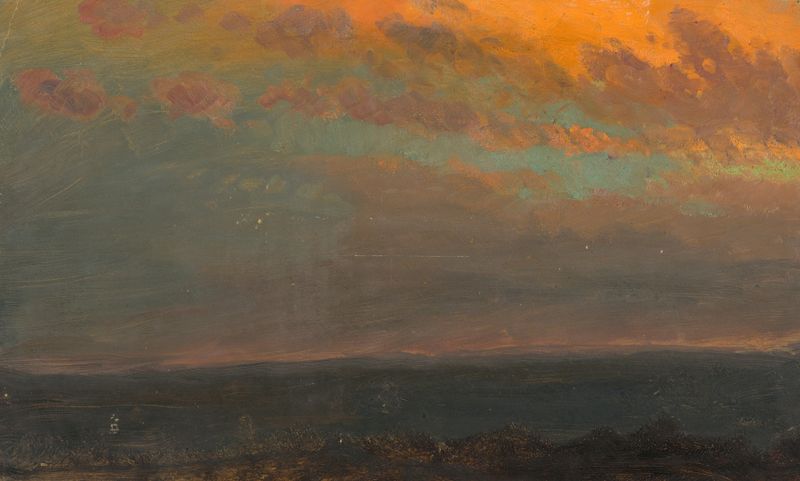
Hudson Valley at Sunset
Frederic Edwin Church
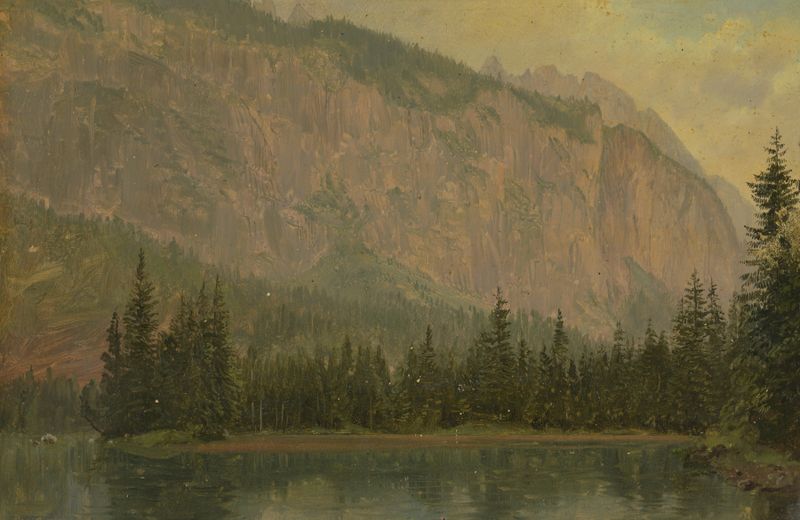
The Hintersee, near Berchtesgaden, Bavaria
Frederic Edwin Church
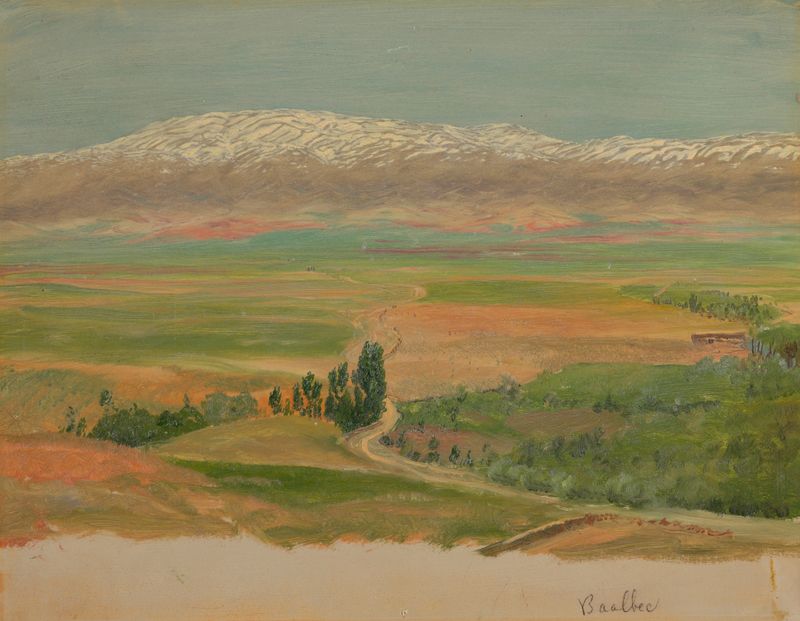
Mountains near Baalbec
Frederic Edwin Church
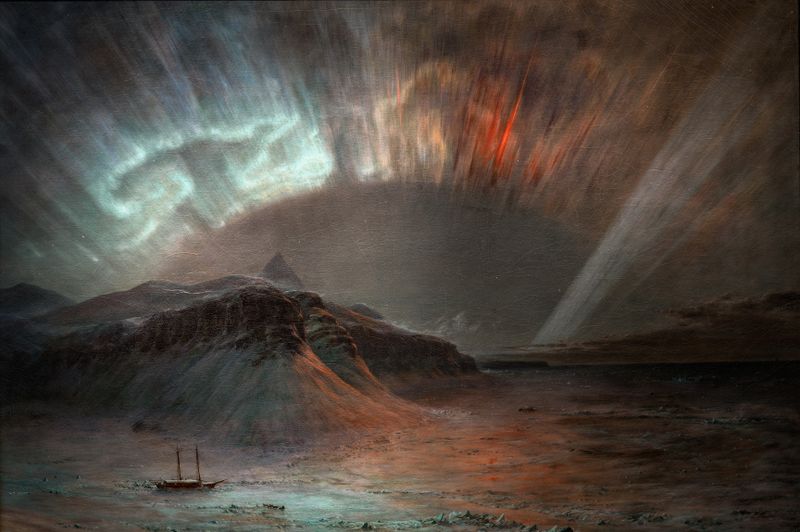
Aurora Borealis
Frederic Edwin Church
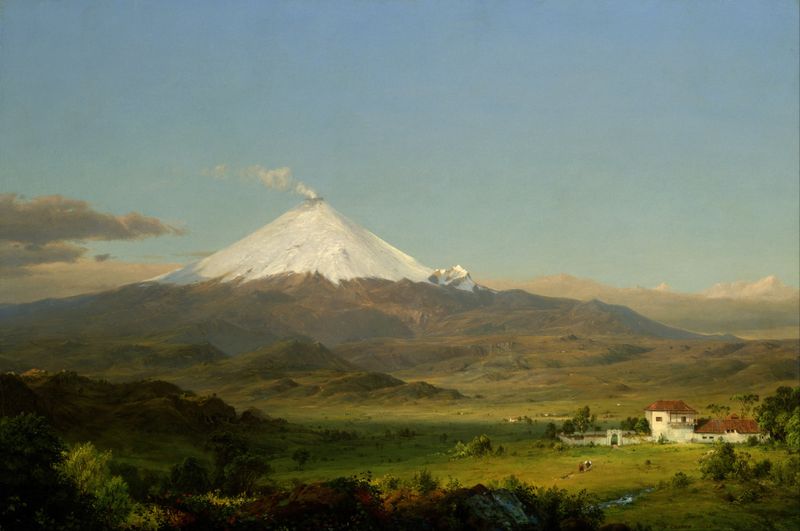
Cotopaxi
Frederic Edwin Church





