
View of Saint-Sauves — History & Facts
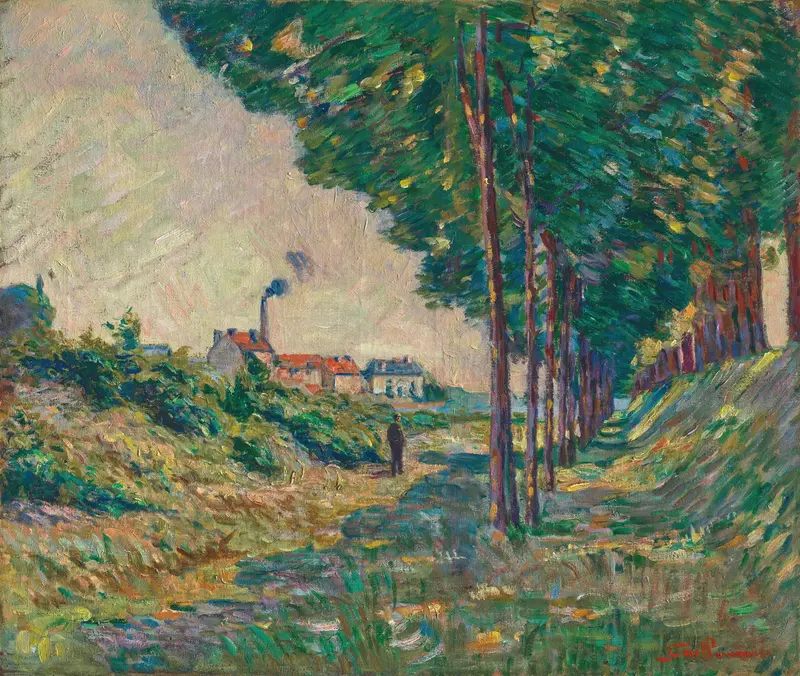
What first catches the eye in View of Saint-Sauves is the restless energy of the land itself: the hills and fields ripple with color, as if the earth is breathing beneath a woolen sky. The painter’s brushwork pulls you along the lines of bare trees, their trunks and branches rendered in quick, rhythmic strokes that seem to pulse with the memory of wind. A cluster of rooftops, marked by a single church spire, anchors the horizon, while the foreground’s tangled fence and furrowed earth invite the viewer to step into the scene.
The palette—cool greens, purples, and flashes of ochre—suggests a world in transition, perhaps caught between seasons or times of day, and the light, filtered through clouds, settles softly on the land without ever fully illuminating it. Created in 1905, this landscape belongs to a moment when artists like Armand Guillaumin were pushing the boundaries of how nature could be seen and painted. The early twentieth century saw the rise of movements that favored direct observation, bold color, and expressive brushwork over academic finish. Painters traveled to the countryside not just to record what they saw, but to capture how it felt to be there—how the air moved, how the light shifted, how the land seemed to hum with its own life.
Though little is recorded about the specific journey of this painting, its presence in a modern collection, documented by a photograph taken in 2019, is a reminder of how such works were meant to be lived with: not as grand historical records, but as windows onto the ever-changing world. Let your gaze wander along those painted furrows and distant rooftops, and the landscape will begin to move again.
More Artworks by Armand Guillaumin

La Seine À Charenton
Armand Guillaumin
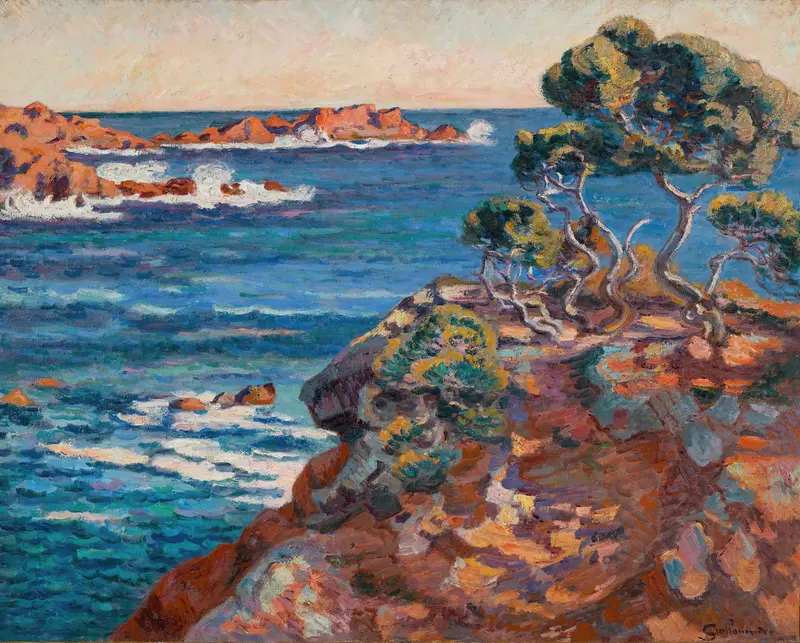
Bord De Mer À Agay
Armand Guillaumin
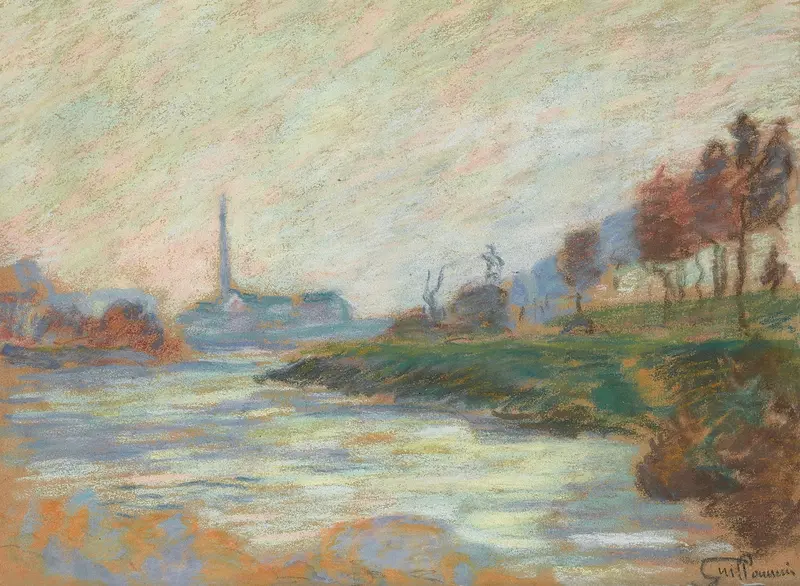
Confluent De La Marne Et De La Seine, Île De La France
Armand Guillaumin
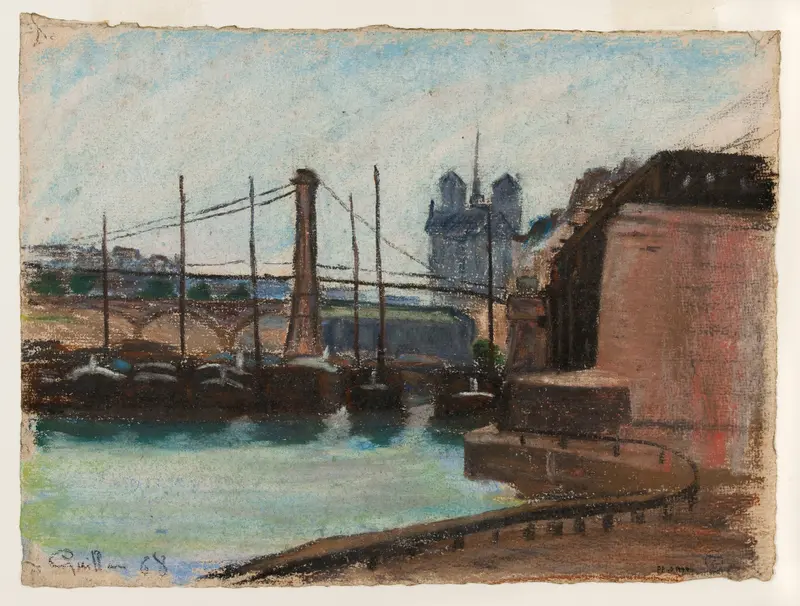
Le Pont d’Austerlitz
Armand Guillaumin
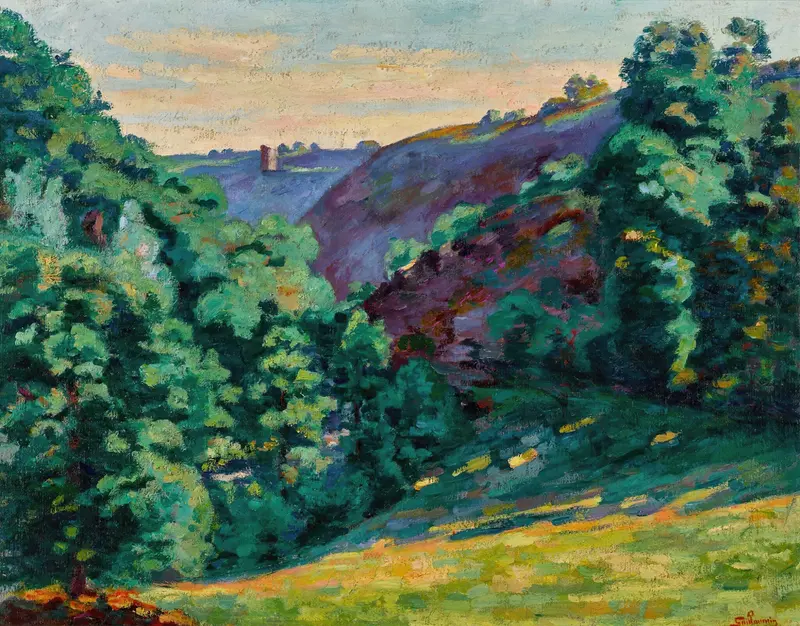
Le Ravin de la folie, vue de Chateau Crozant
Armand Guillaumin
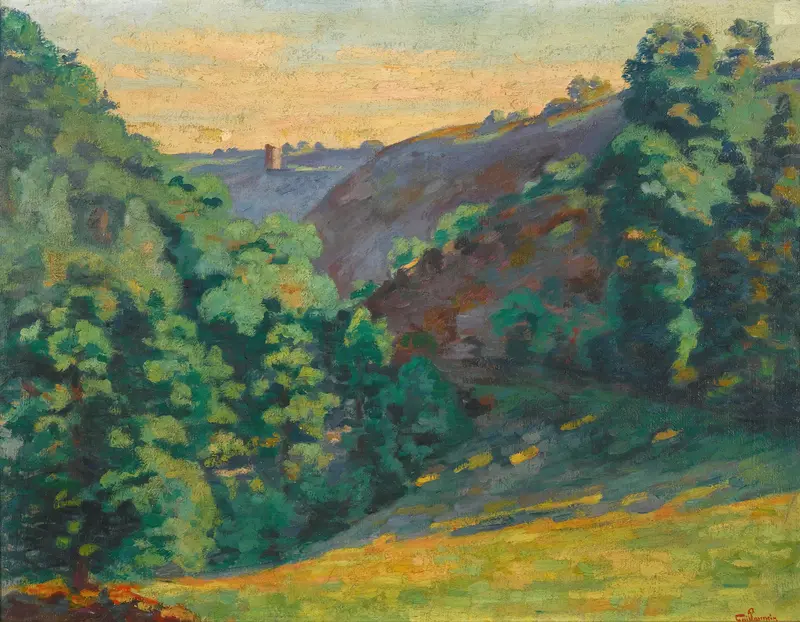
Crozant, Le Ravin De La Sedelle À La Folie
Armand Guillaumin
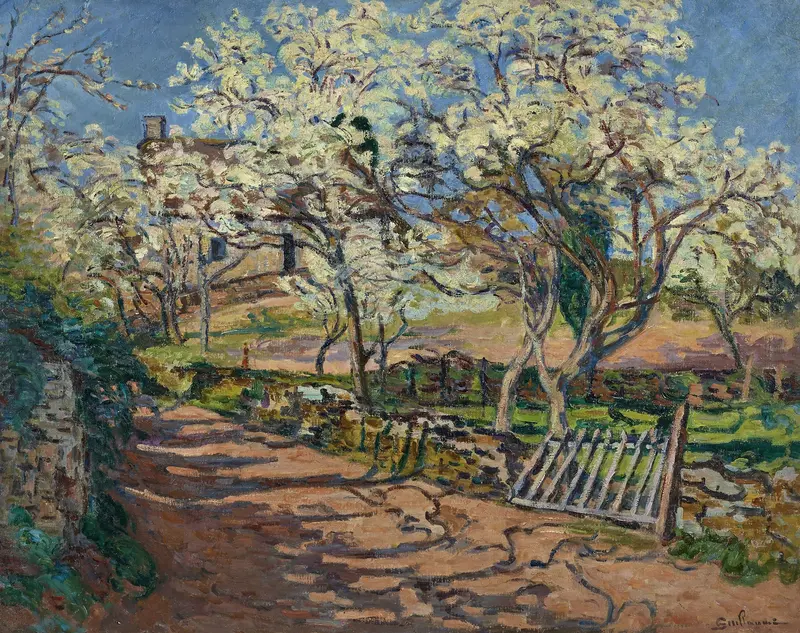
Paysage de Printemps
Armand Guillaumin
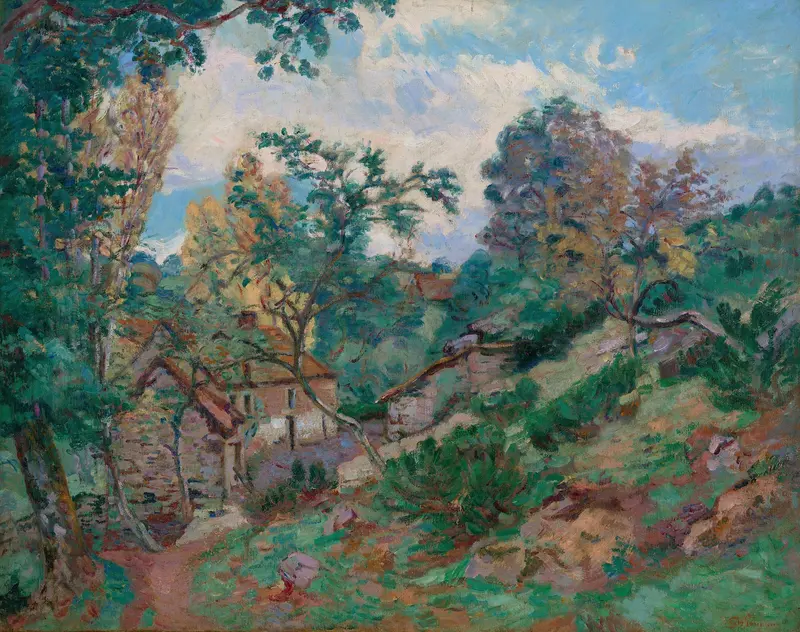
Paysage
Armand Guillaumin
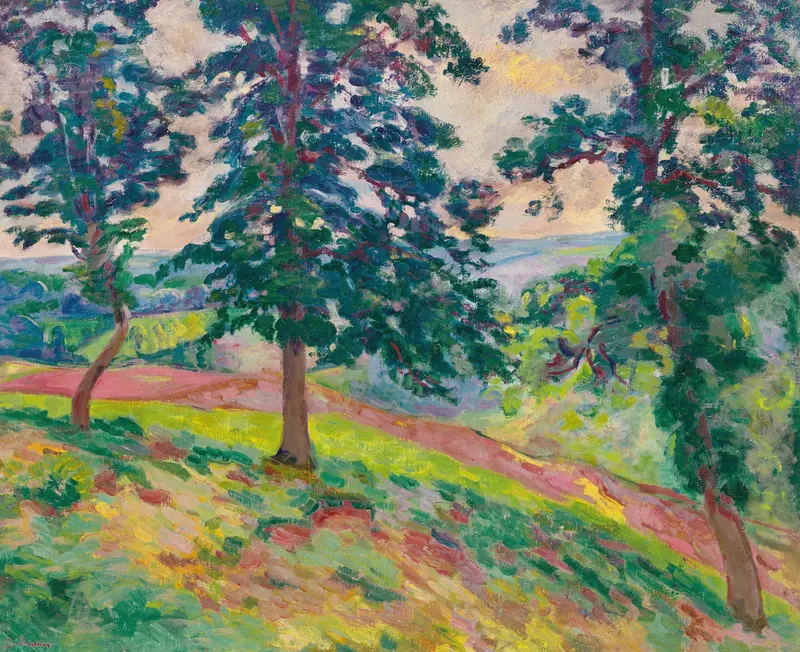
La vallée de la creuse
Armand Guillaumin
Le chemin de halage à Charenton, Ile de France
Armand Guillaumin
More Landscape Art

The Starry Night
Vincent van Gogh

View of Delft
Johannes Vermeer

Water Lilies
Claude Monet

The Grand Canal, Venice, looking north-west from the Ca' Corner to the Ca' Contarini degli Scrigni, with the campanile of Santa Maria della Carità
Canaletto

Windsor Castle
Canaletto

The Grand Canal looking North-East from the Palazzo Dolfin-Manin to the Rialto Bridge
Canaletto