View over the Sea — History & Facts
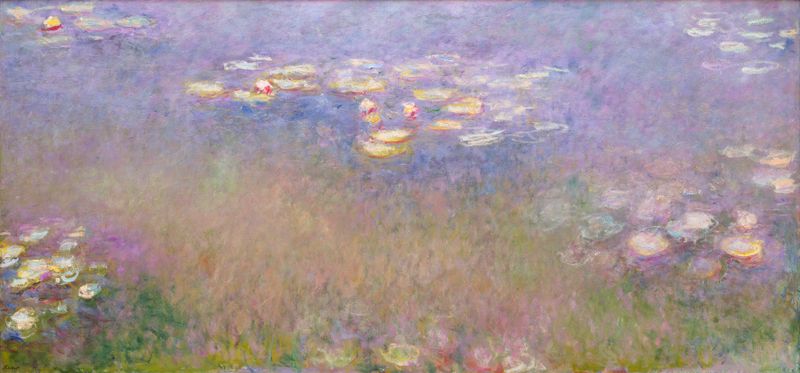
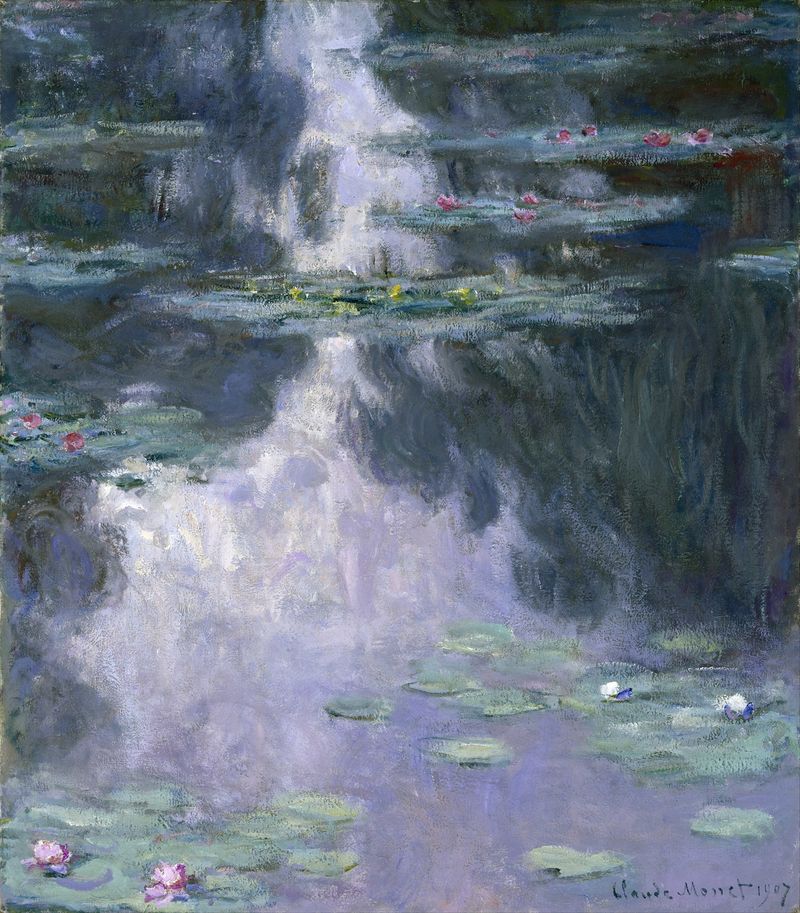
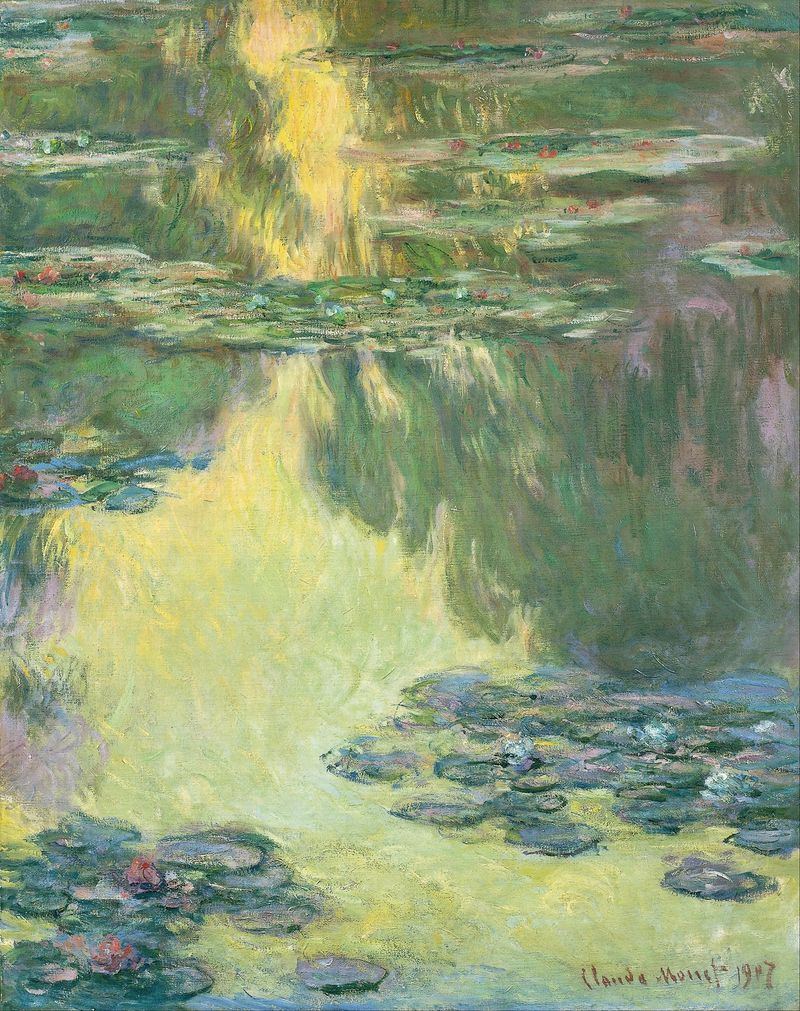
What if beauty was never meant to be finished? In the stillness of a moment, View over the Sea invites us to ponder the ephemeral nature of tranquility amidst its vibrant hues. Look to the horizon where the sky meets the water, painted in a soft gradient of blues and grays. Notice how the brushstrokes create a gentle, rippling effect, evoking a sense of movement within the stillness. The light glimmers across the surface of the sea, capturing the fleeting essence of a tranquil day, while the wispy clouds above mirror the delicate tension between reality and illusion.
Here, Monet’s mastery of color and light draws the viewer into a dreamlike reverie. Hidden within the serene composition lies a contrast between chaos and calm. The silvery reflections on the water suggest a world alive with possibility, yet the overall softness envelops the scene in a comforting silence. Each subtle gradient and layered brushstroke speaks to the artist's struggle against the passage of time, leaving us with a bittersweet longing for that elusive perfection.
It is a reminder that beauty, in its truest form, is often temporary. In 1882, Monet painted this work while residing in the coastal town of Pourville-sur-Mer, France. This period marked a pivotal time in his life, as he sought new inspiration following a series of personal setbacks. The Impressionist movement was gaining momentum, and his innovative approach to light and color was reshaping the art world, allowing him to explore landscapes that reflected both his internal state and the fleeting nature of experience.