
Views of Rome and Its Environs; Ancient Gate of Alatri — History & Facts
Could beauty survive in a century of chaos? This question lingers in the air as one gazes upon the serenity captured in this artwork, where ancient ruins echo the divine presence of history. Look to the foreground, where the ancient gate rises majestically against a tranquil landscape. The meticulous brushstrokes reveal a tapestry of greens and browns, each hue pulsating with life, as the soft sunlight bathes the scene in a warm glow. Notice how the towering stone structure is softened by the delicate foliage that surrounds it, symbolizing nature’s quiet resilience.
The composition directs the eye upwards, inviting contemplation of the sky—an expanse of blues that speaks to the eternal. Beneath the surface, the juxtaposition of the formidable gate and the gentle countryside hints at deeper themes of time’s passage and divine endurance. The ancient architecture stands as a testament to human ingenuity, yet its weathered stones whisper of the inevitable decay brought by time. The harmonious balance of ruin and rejuvenation serves as a reminder that beauty can thrive even amid chaos, intertwining humanity’s fleeting existence with the perpetual heartbeat of nature. In 1841, Edward Lear created this work while traveling through Italy, immersed in the picturesque landscapes and cultural richness that inspired many artists of the period.
At the time, he was navigating his own artistic identity, balancing his reputation as a writer and illustrator with his passion for painting. The burgeoning Romantic movement was emphasizing nature’s beauty and humanity’s connection to it, offering a backdrop of artistic exploration that resonated throughout Europe.
More Artworks by Edward Lear
Browse all →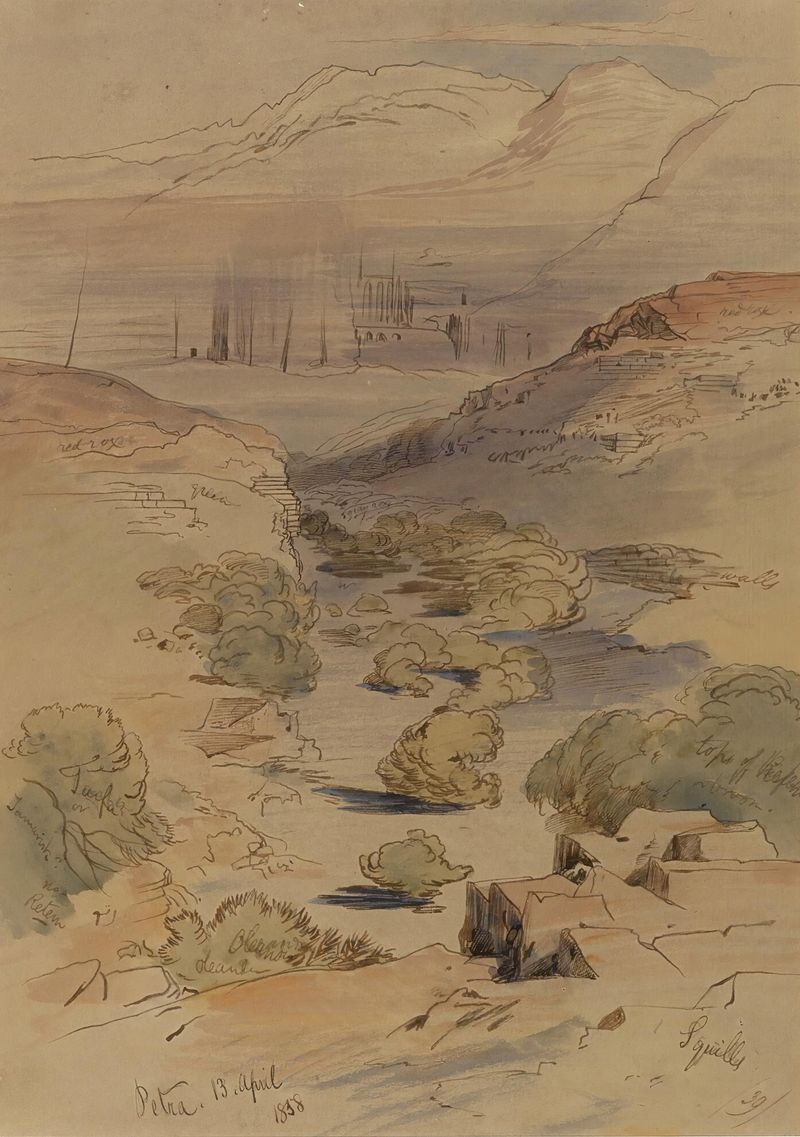
Petra
Edward Lear
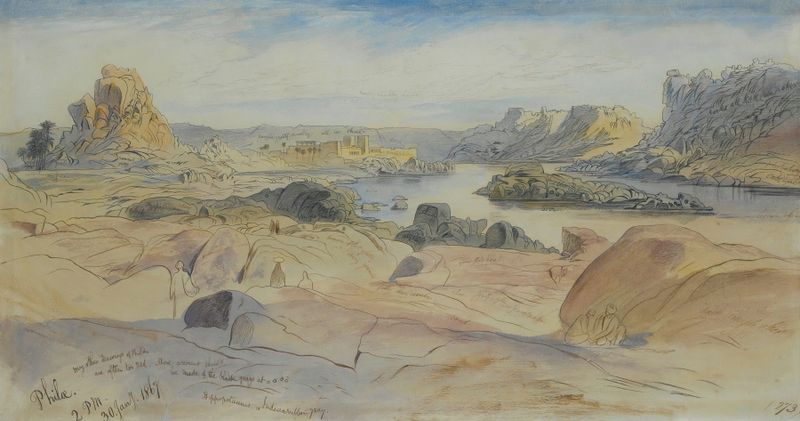
Philae, Egypt
Edward Lear
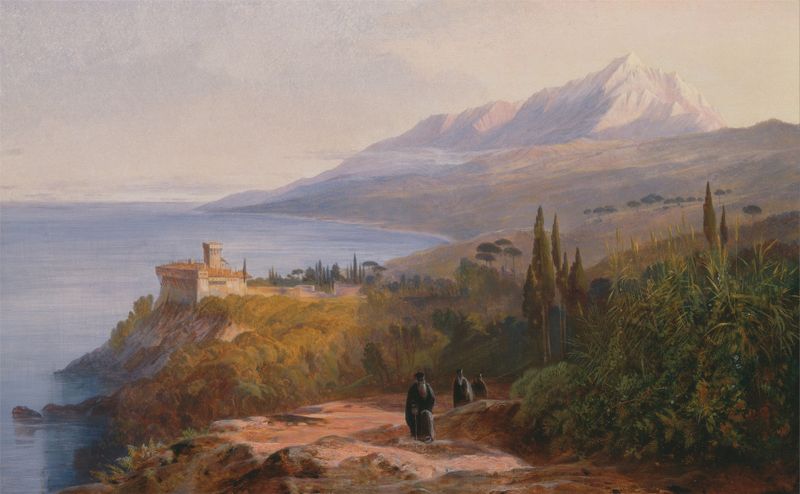
Mount Athos and the Monastery of Stavronikétes
Edward Lear
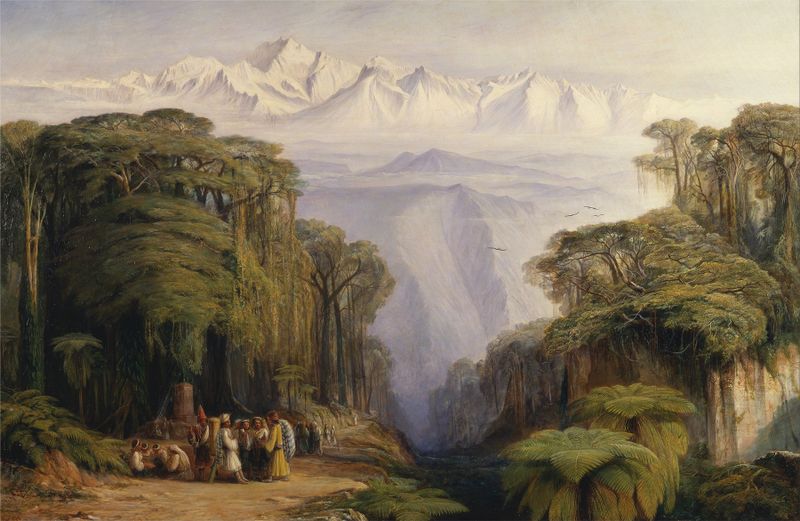
Kangchenjunga from Darjeeling
Edward Lear
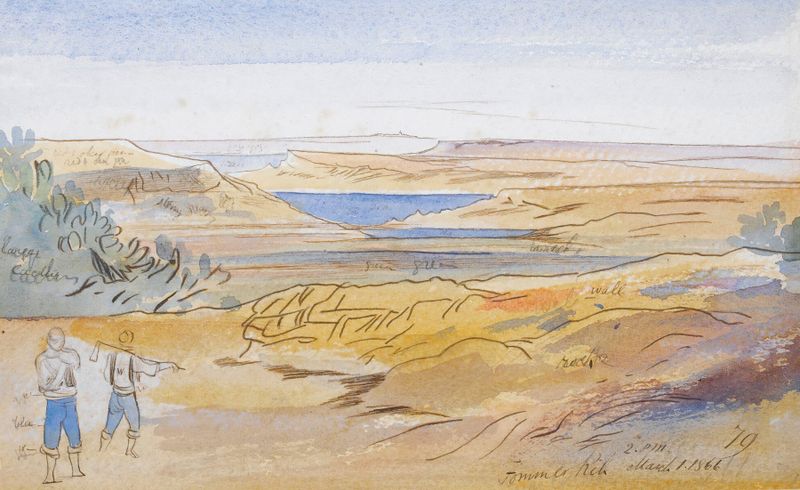
Fomm Ir-Rih, Malta
Edward Lear
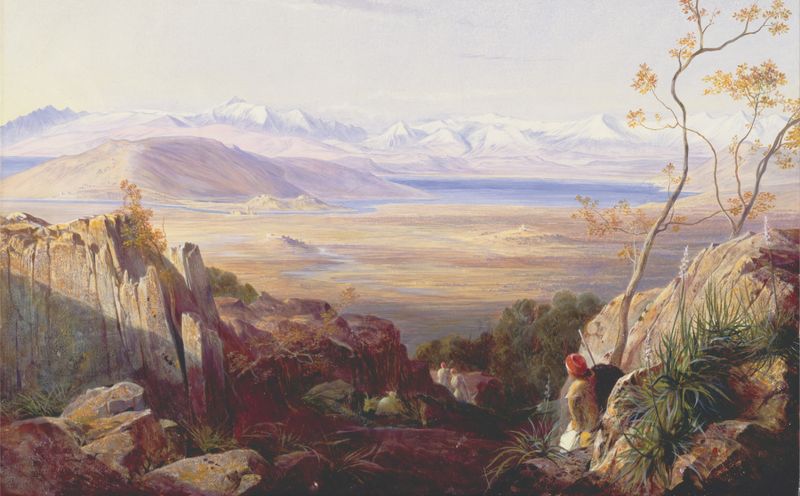
Butrinto, Albania
Edward Lear
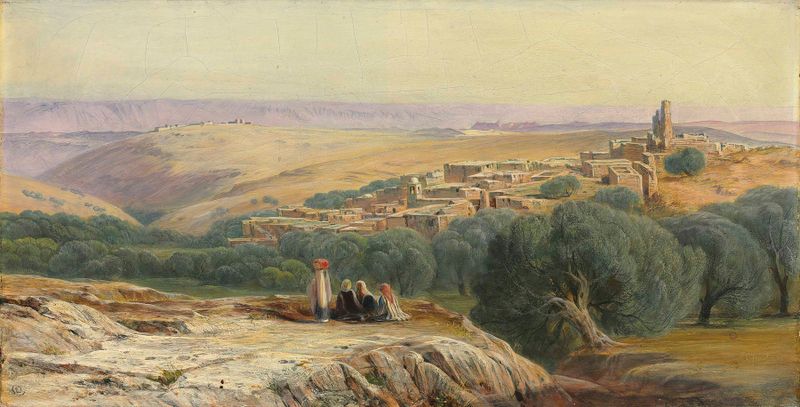
The Plains of Bethany
Edward Lear

Karnak, 9-30 pm, 22 January 1867
Edward Lear
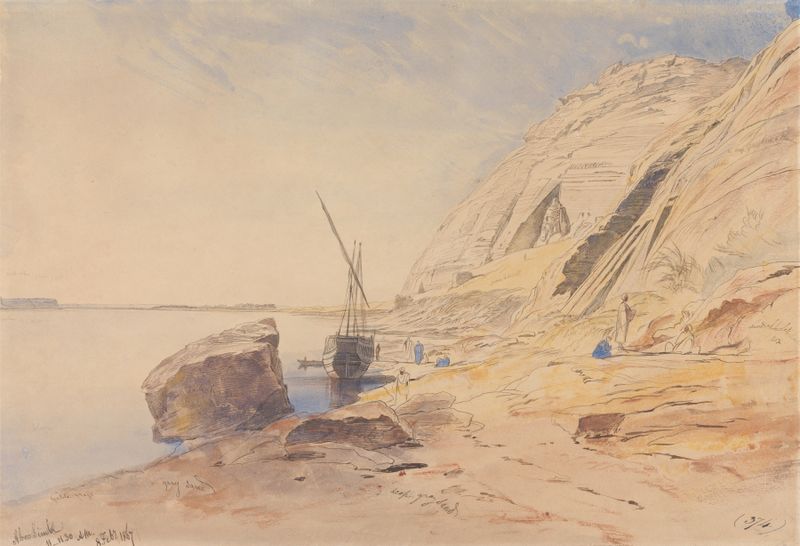
Abu Simbel, 11-11;30 am, 8 February 1867 (374)
Edward Lear

A View Of Mount Athos And The Pantokrator Monastery, Greece
Edward Lear





