Vijf jachthonden — History & Facts
In the stillness of Vijf jachthonden, we encounter an elegant fusion of grace and melancholy, a reminder that not all beauty is free from sorrow. Look to the left at the poised figures of the hunting dogs, their sleek bodies rendered with meticulous detail. The artist employs a soft palette of browns and warm tones to create a sense of harmony among the animals, while subtle variations in light emphasize their unique breeds. The background remains understated, allowing the viewer’s gaze to remain firmly on the dogs — a study in both physical prowess and emotional depth. Yet, beneath the surface allure lies a juxtaposition of loyalty and solitude.
Each dog seems to embody a story, their attentive postures hinting at an unspoken longing for companionship, perhaps even the weight of an unfulfilled purpose. The gentle curves of their forms contrast sharply with the straight lines of the surrounding environment, suggesting an inner struggle between nature and the constraints of their roles as hunters. This tension invites reflection on the complexities of companionship and duty. In 1647, Wenceslaus Hollar was living in England, having fled his native Bohemia due to the Thirty Years' War.
His work was informed by the Baroque sensibilities of the time, coupled with his keen interest in nature and animals. This piece reflects a moment of personal and artistic transition, as Hollar navigated the shifting landscapes of his life while contributing to the rich tapestry of 17th-century art.
More Artworks by Wenceslaus Hollar
Browse all →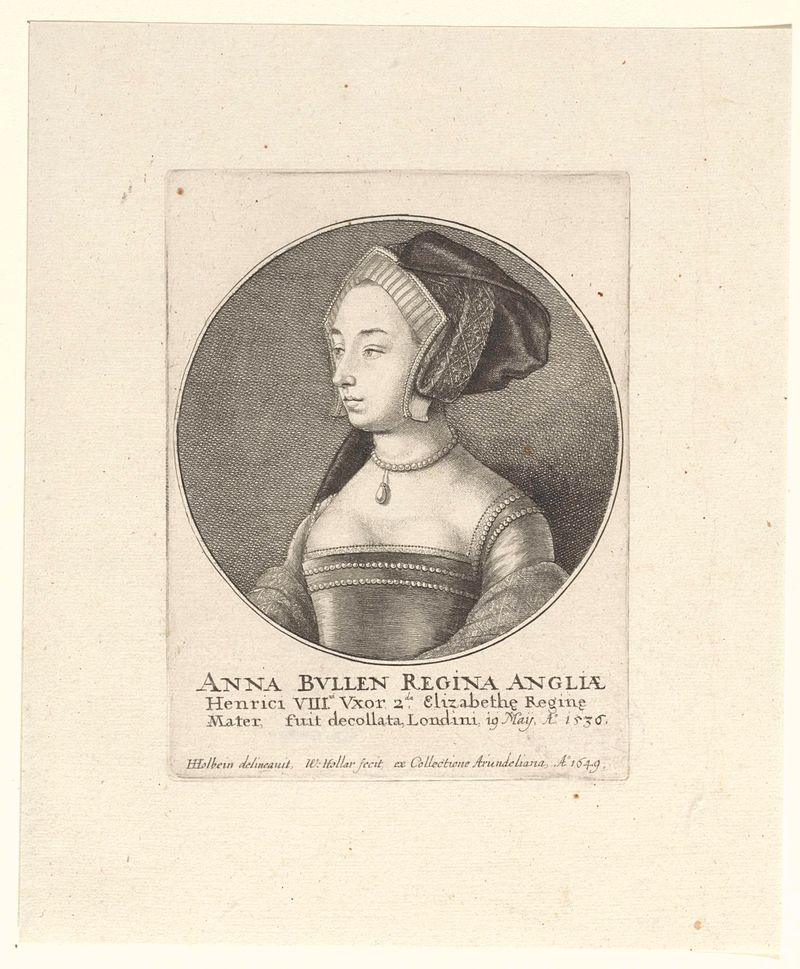
Portret van Anna Boleyn, koningin van Engeland
Wenceslaus Hollar
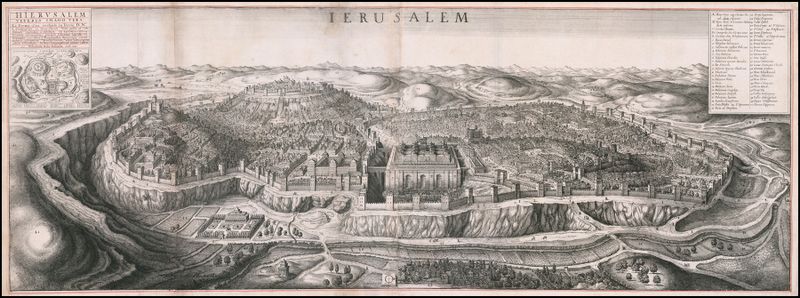
Bird’s eye view of Jerusalem
Wenceslaus Hollar
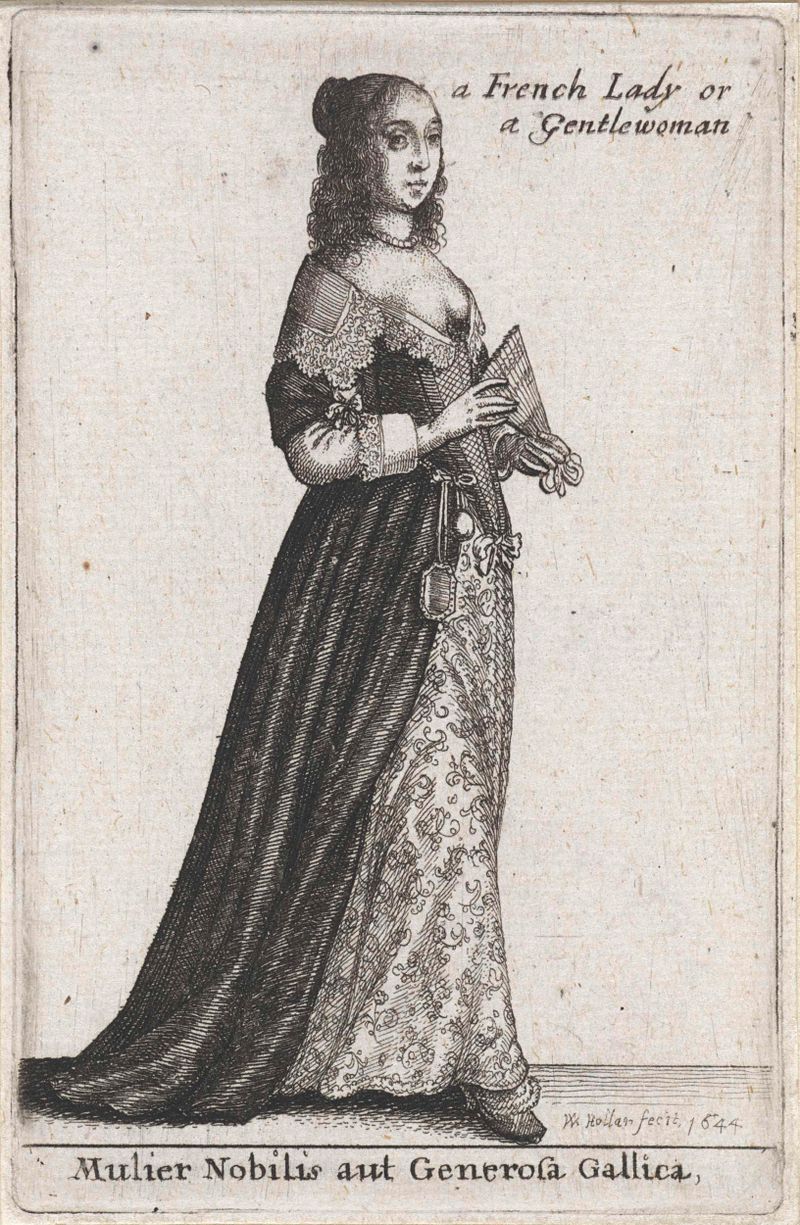
Mulier Nobilis aut Generosa Gallica / a French Lady or Gentlewoman
Wenceslaus Hollar
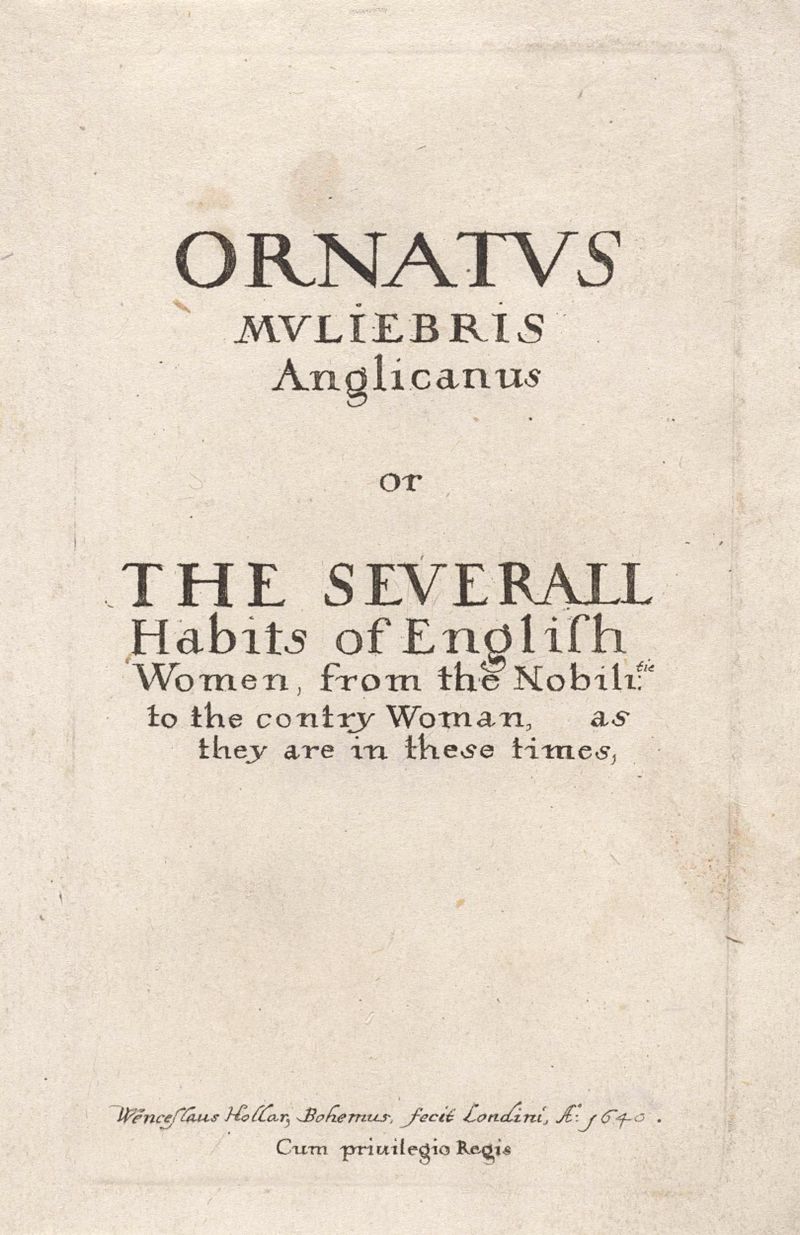
Titelprent voor: Ornatus Muliebris Anglicanus
Wenceslaus Hollar
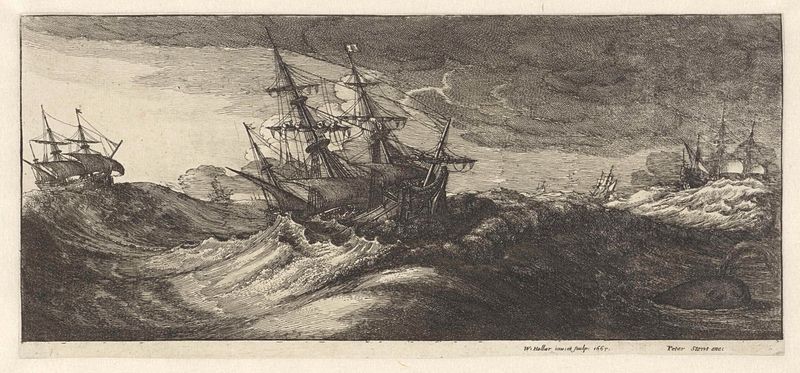
Oorlogsschepen en een walvis in een zeestorm
Wenceslaus Hollar
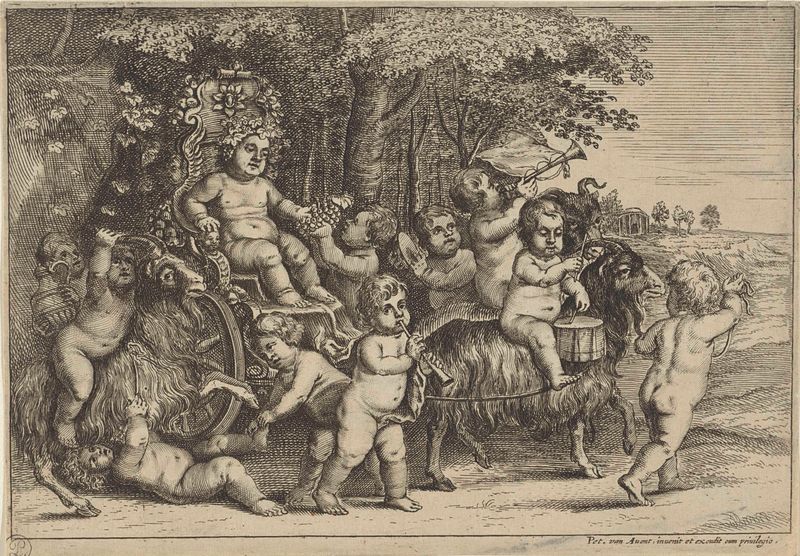
Optocht van bacchant en jongetjes op geiten
Wenceslaus Hollar
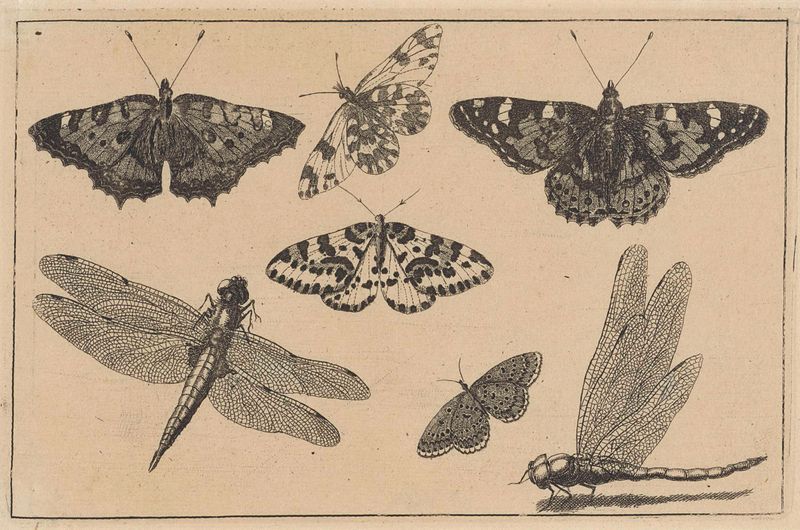
Twee libellen en vijf vlinders
Wenceslaus Hollar
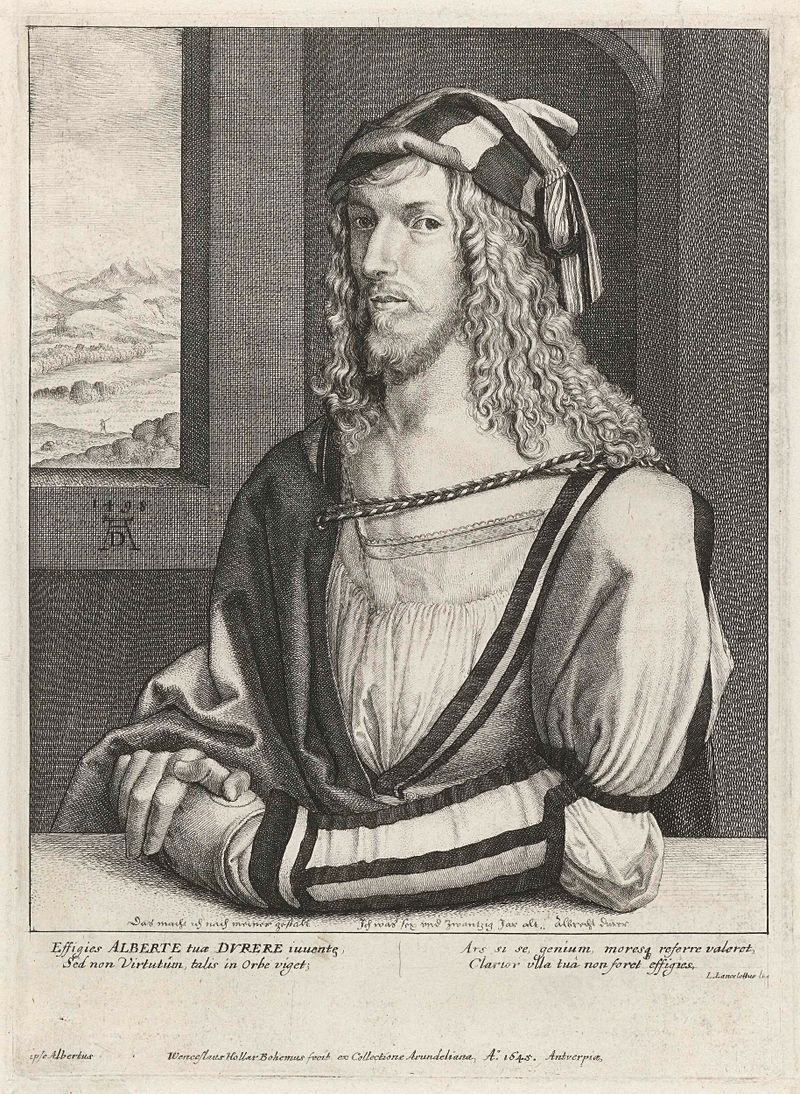
Portret van Albrecht Dürer
Wenceslaus Hollar
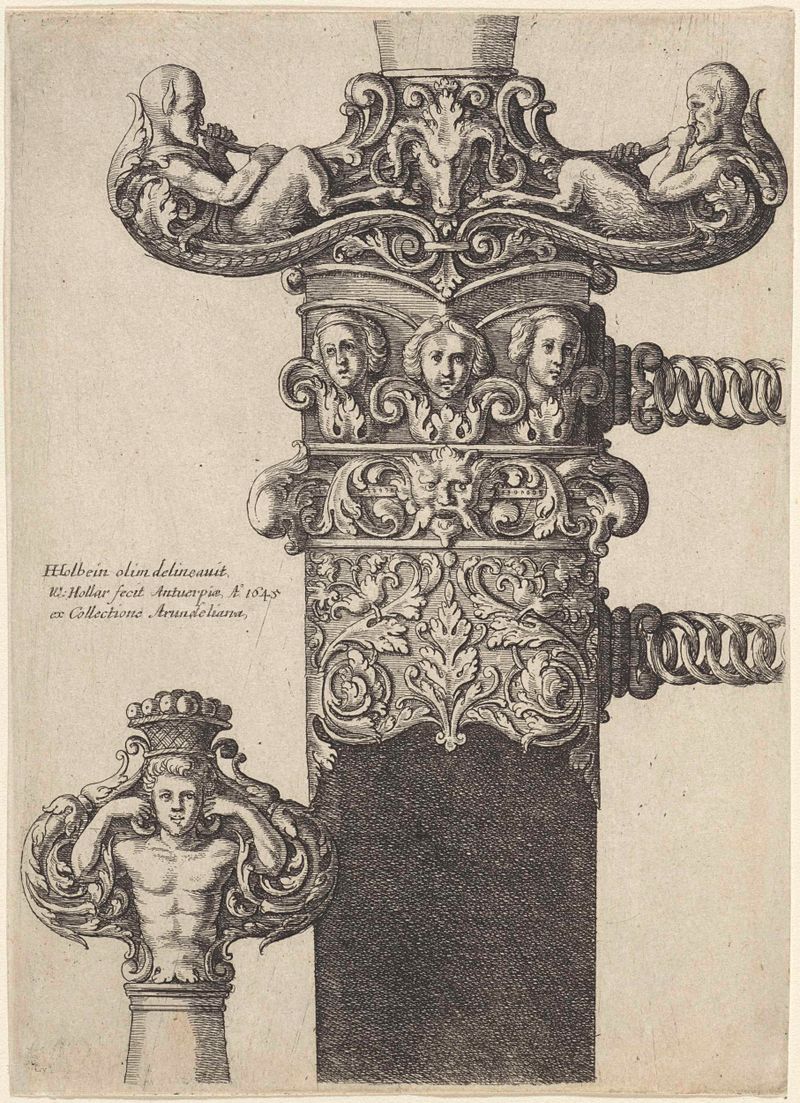
Ornamenteel ontwerp voor een dolk
Wenceslaus Hollar
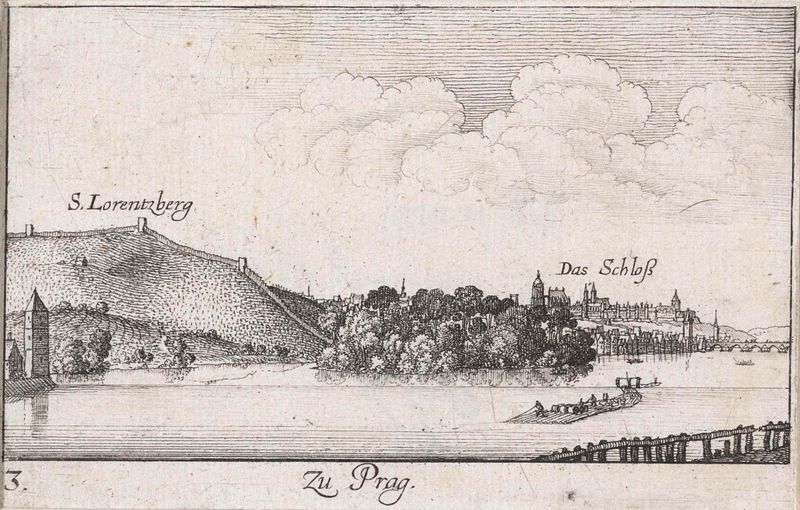
Gezicht op Praag vanaf de Moldau
Wenceslaus Hollar