Vijf jachthoornen — History & Facts
What if beauty was never meant to be finished? In Vijf jachthoornen, Wenceslaus Hollar invites us to explore the delicate balance between form and imperfection, a dance of precision and spontaneity that eludes the boundaries of completion. Look to the center of the piece, where the five hunting horns elegantly converge, each meticulously detailed. The interplay of light and shadow highlights the polished surfaces, while the subtle variations in tone breathe life into the otherwise static objects. The artist employs a delicate palette of earth tones, grounding the composition and creating a harmony that draws the eye inward, inviting contemplation. Yet, beyond their aesthetic allure, the horns resonate with deeper meanings.
Their arrangement suggests a sense of unity amidst diversity, where each horn, distinct in its form, contributes to a greater whole. This interplay speaks to the tension between chaos and order, evoking the idea that even in the pursuit of harmony, discord can exist. The precision of Hollar's lines contrasts sharply with the natural imperfections of the materials, underscoring a complex relationship between the man-made and the organic. In the years 1646-1647, Hollar was in London, immersed in a bustling art scene marked by the aftermath of the English Civil War.
His focus on detailed engravings reflected the period's fascination with naturalism and the exploration of everyday subjects. The artist's commitment to capturing the essence of objects through his precise technique not only showcased his skill but also mirrored the wider movement towards realism in European art at that time.
More Artworks by Wenceslaus Hollar
Browse all →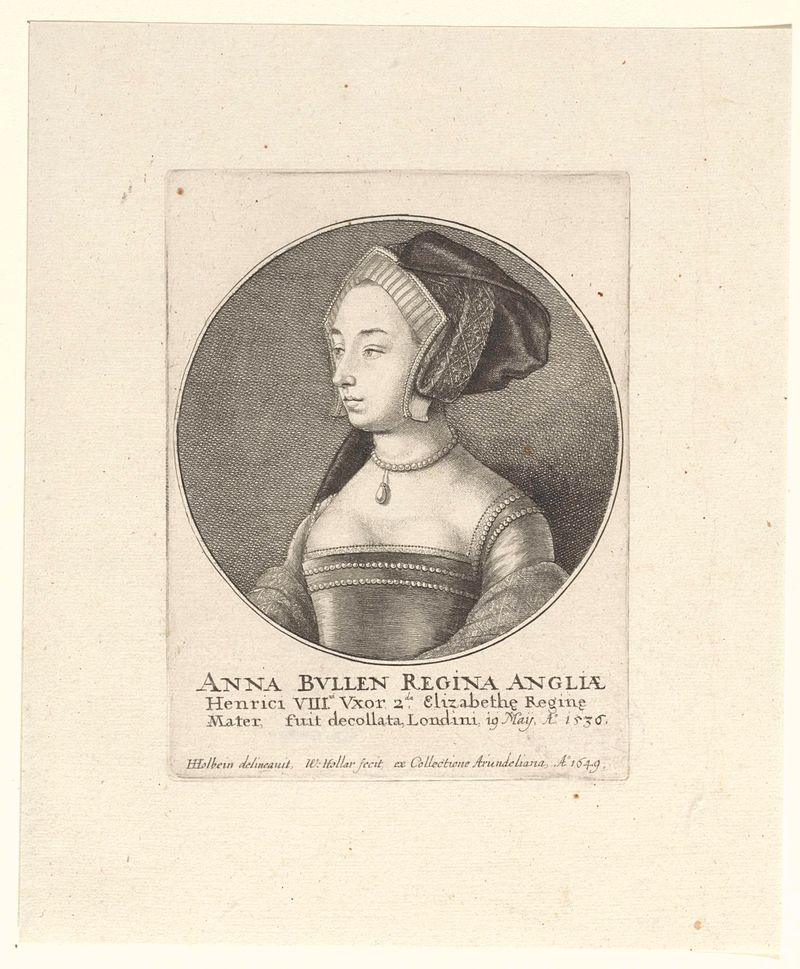
Portret van Anna Boleyn, koningin van Engeland
Wenceslaus Hollar
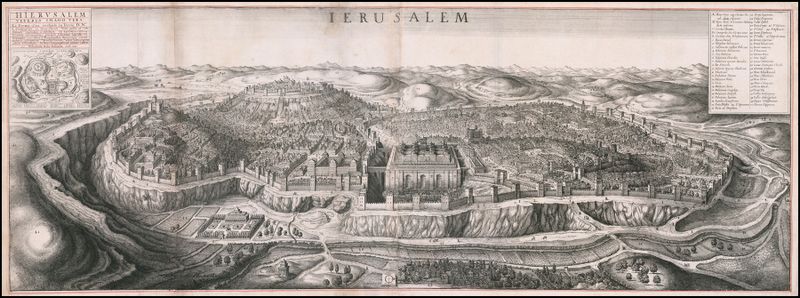
Bird’s eye view of Jerusalem
Wenceslaus Hollar
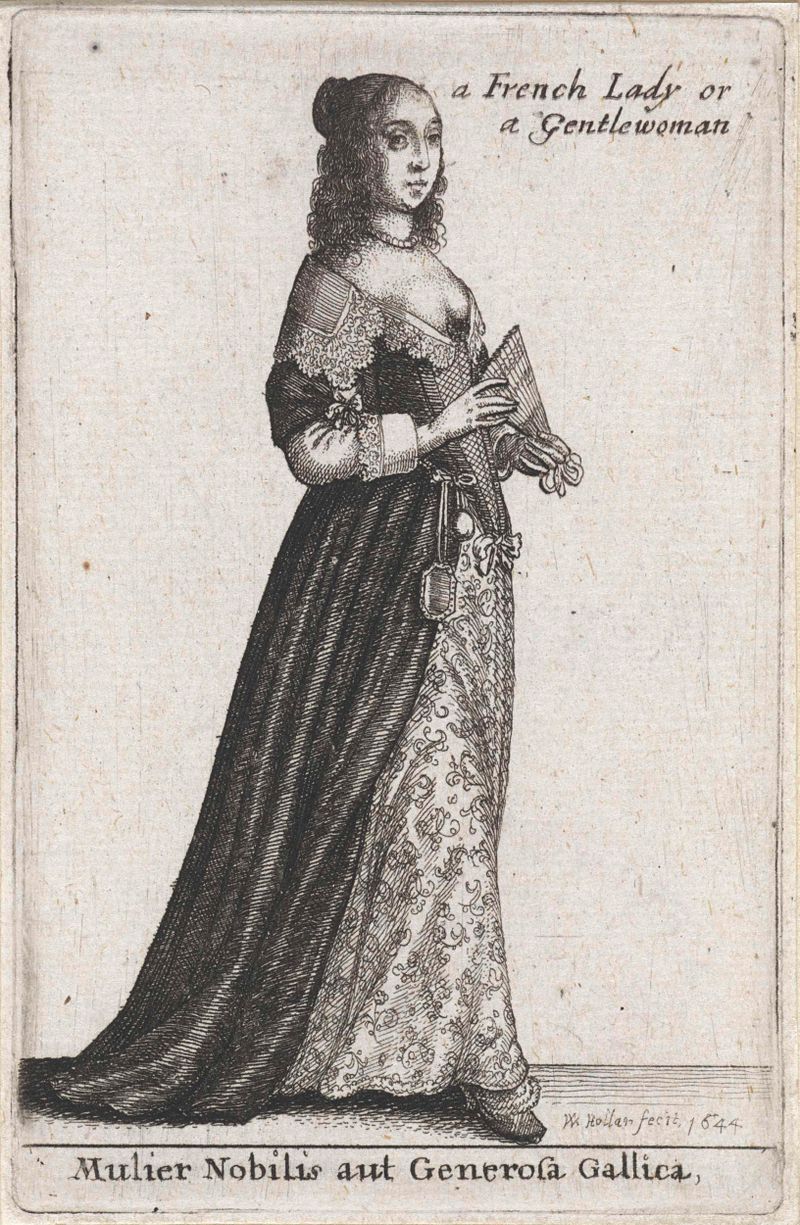
Mulier Nobilis aut Generosa Gallica / a French Lady or Gentlewoman
Wenceslaus Hollar
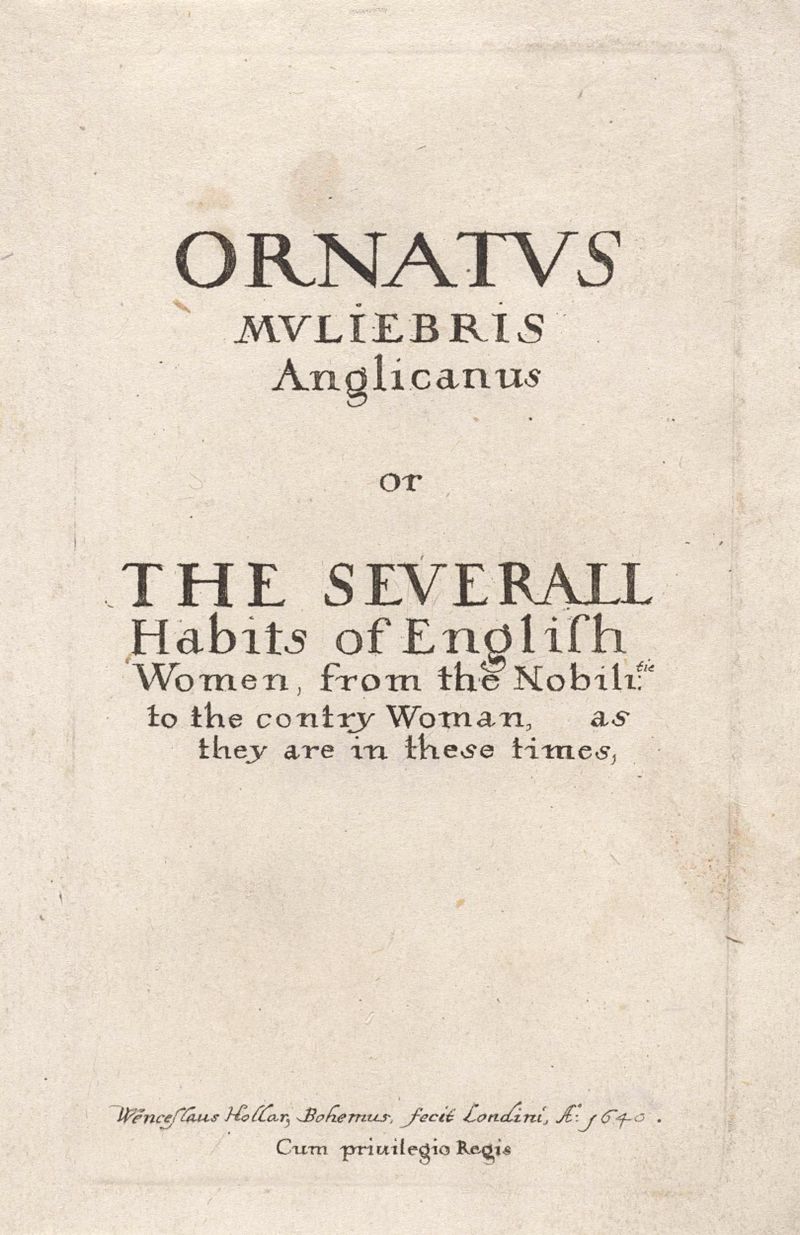
Titelprent voor: Ornatus Muliebris Anglicanus
Wenceslaus Hollar
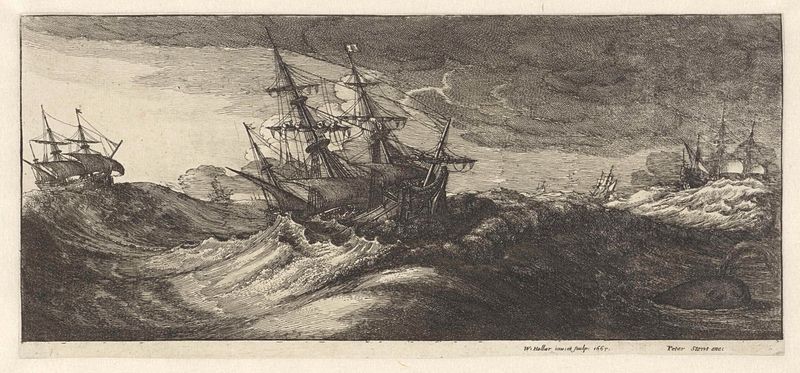
Oorlogsschepen en een walvis in een zeestorm
Wenceslaus Hollar
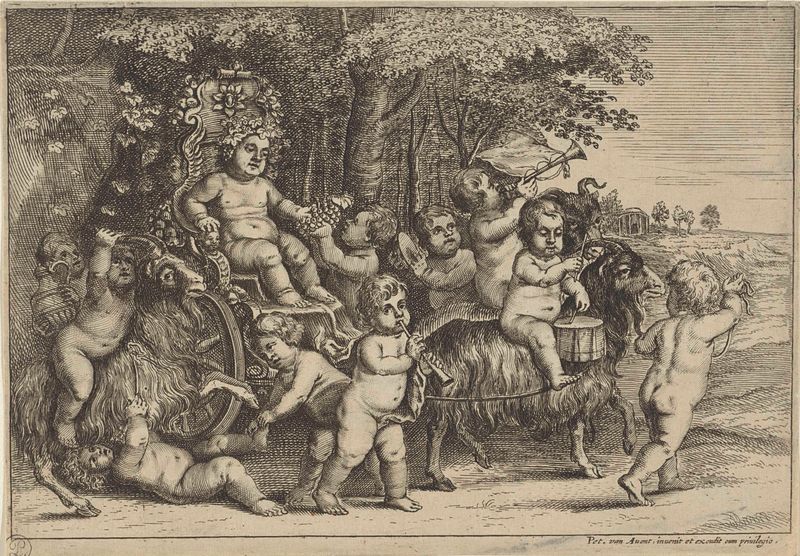
Optocht van bacchant en jongetjes op geiten
Wenceslaus Hollar
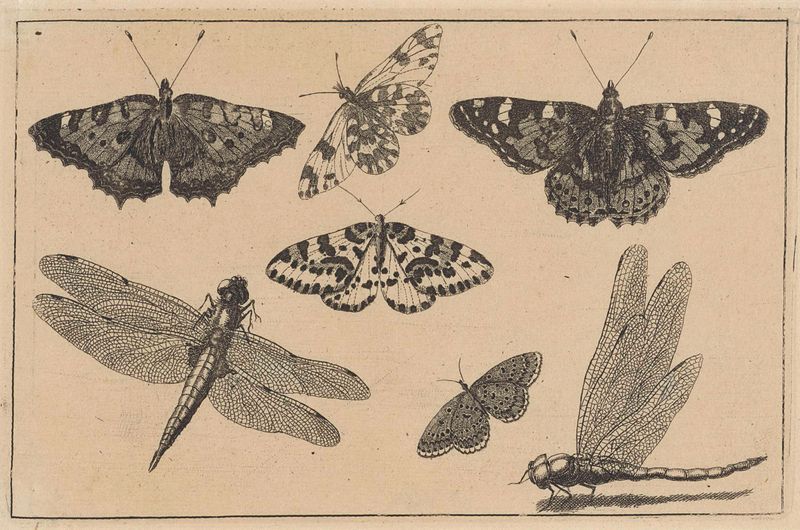
Twee libellen en vijf vlinders
Wenceslaus Hollar
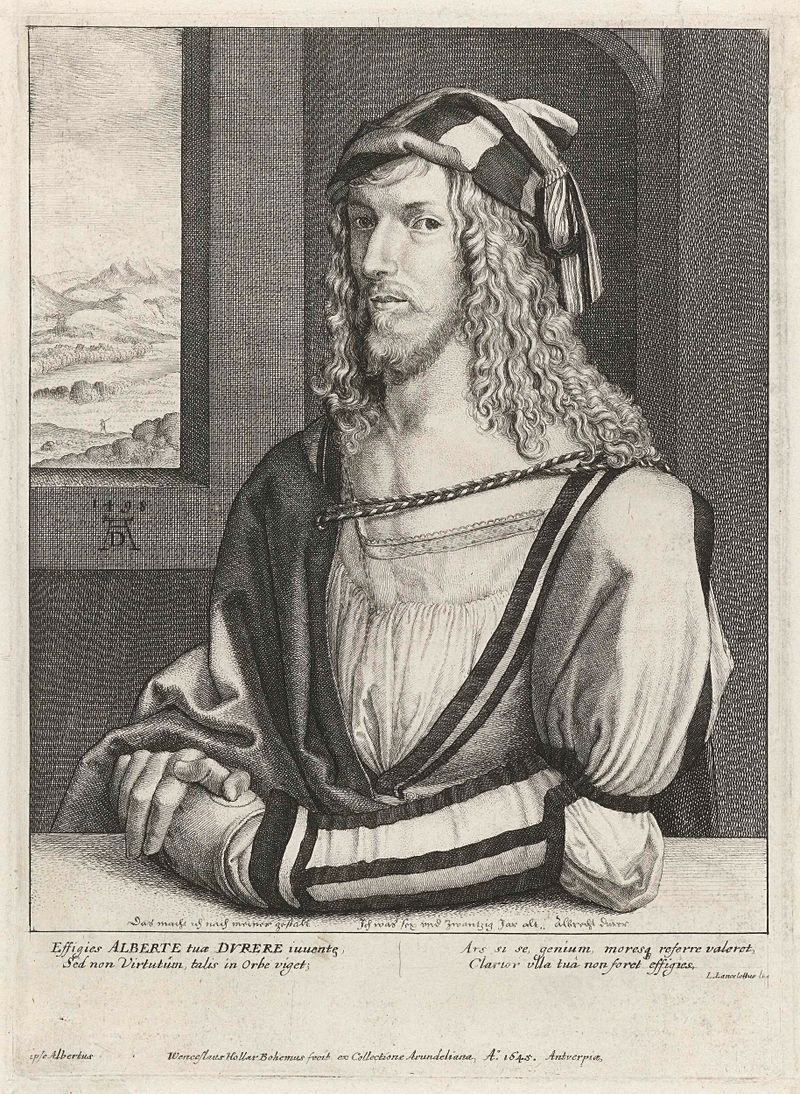
Portret van Albrecht Dürer
Wenceslaus Hollar
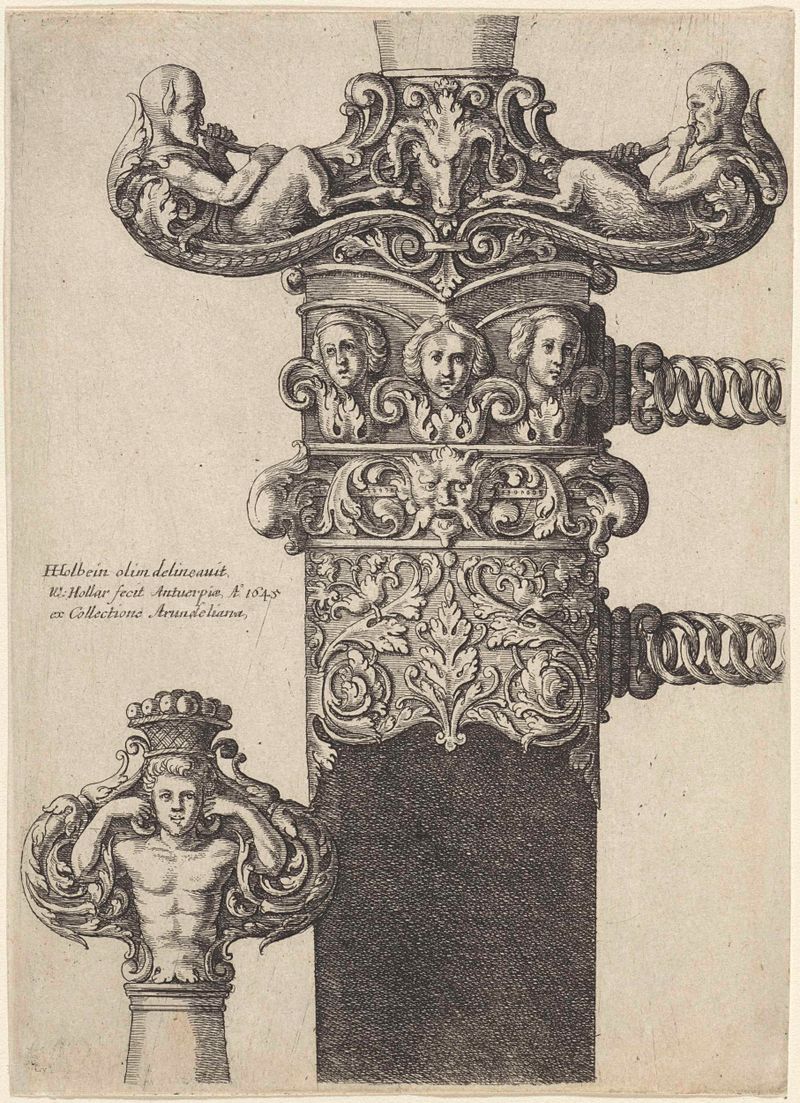
Ornamenteel ontwerp voor een dolk
Wenceslaus Hollar
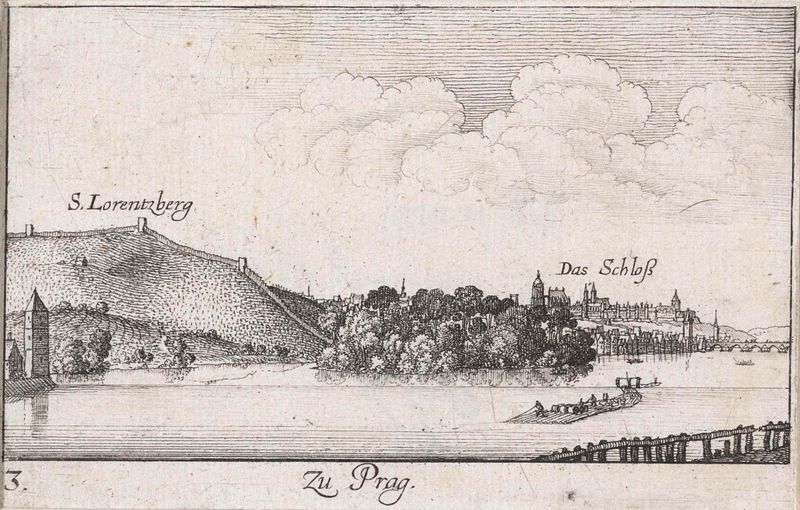
Gezicht op Praag vanaf de Moldau
Wenceslaus Hollar