Vijf leeuwen en een leeuwin — History & Facts
Can paint confess what words never could? In Vijf leeuwen en een leeuwin, Wenceslaus Hollar captures the raw essence of movement and coexistence within the animal kingdom, echoing unspoken truths that resonate deeply in our own lives. Look to the center of the composition, where the lioness stands poised, her powerful form exuding both grace and authority as she watches over her pride. The surrounding lions are depicted in various states of repose and tension; notice how their muscular bodies ripple with latent energy, hinting at the potential for action. Hollar’s meticulous line work and subtle shading bring forth a sense of texture, while the muted earth tones reinforce the natural setting, enhancing the urgency of the scene. Within the tableau lies a rich tapestry of meanings.
The lioness, both protector and nurturer, stands in stark contrast to the more relaxed lions, suggesting a delicate balance between guardianship and freedom. This interplay reflects broader themes of power dynamics and the instinctual drive for survival. The gentle curve of her body and the watchful gaze subtly convey a sense of vigilance, inviting the viewer to ponder the complexities of instinct and nurture. Wenceslaus Hollar created this work in 1646 while living in England, having fled his native Bohemia during the Thirty Years' War.
During this period, he was immersed in the burgeoning world of naturalistic representation, blending observation with a burgeoning interest in the animal form. As an engraver and draftsman, Hollar's acute attention to detail and dynamic compositions helped solidify his reputation, ultimately influencing the trajectory of wildlife depiction in art.
More Artworks by Wenceslaus Hollar
Browse all →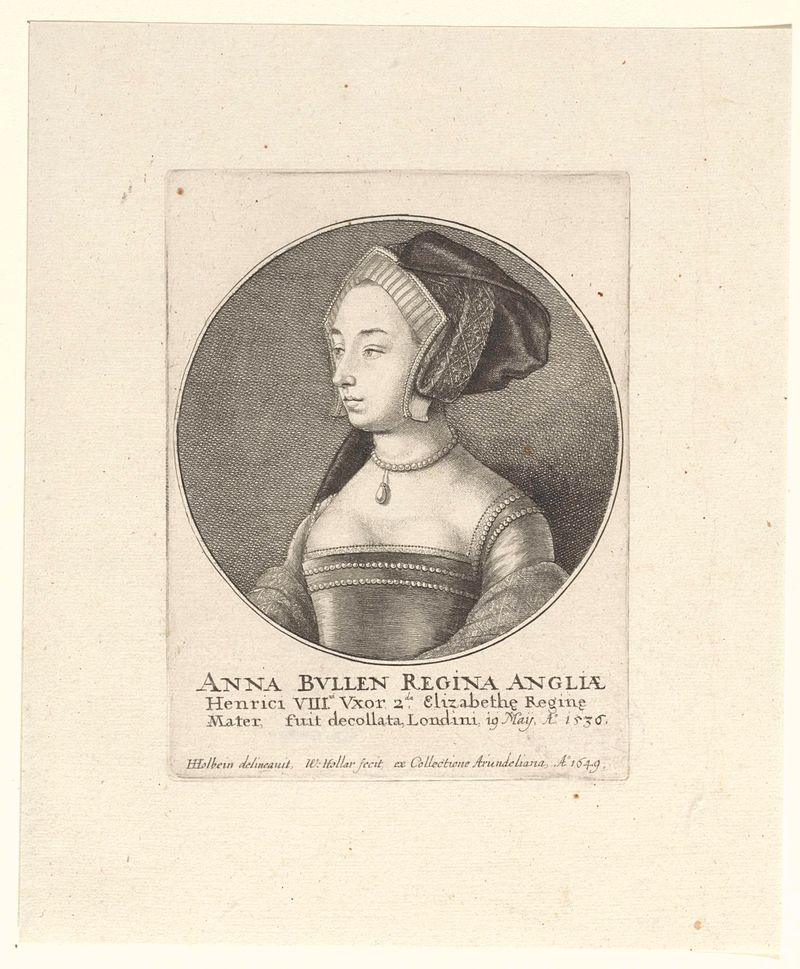
Portret van Anna Boleyn, koningin van Engeland
Wenceslaus Hollar
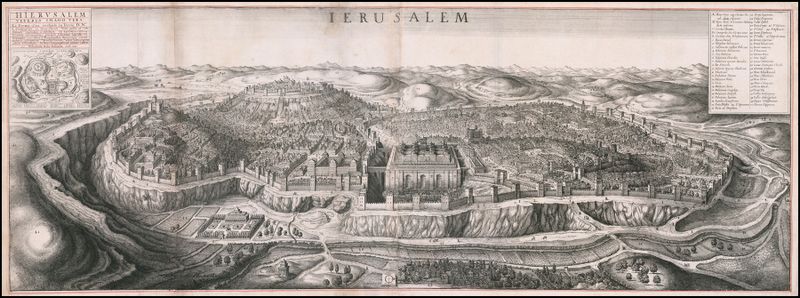
Bird’s eye view of Jerusalem
Wenceslaus Hollar
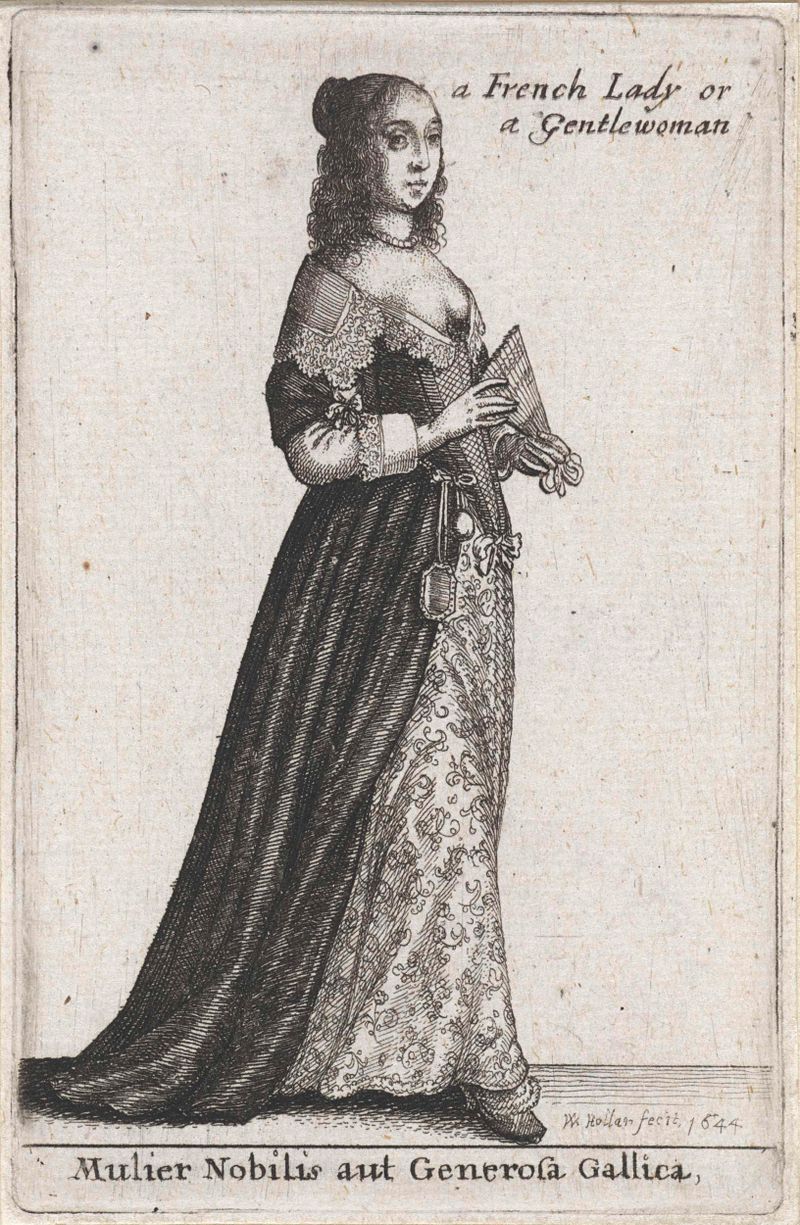
Mulier Nobilis aut Generosa Gallica / a French Lady or Gentlewoman
Wenceslaus Hollar
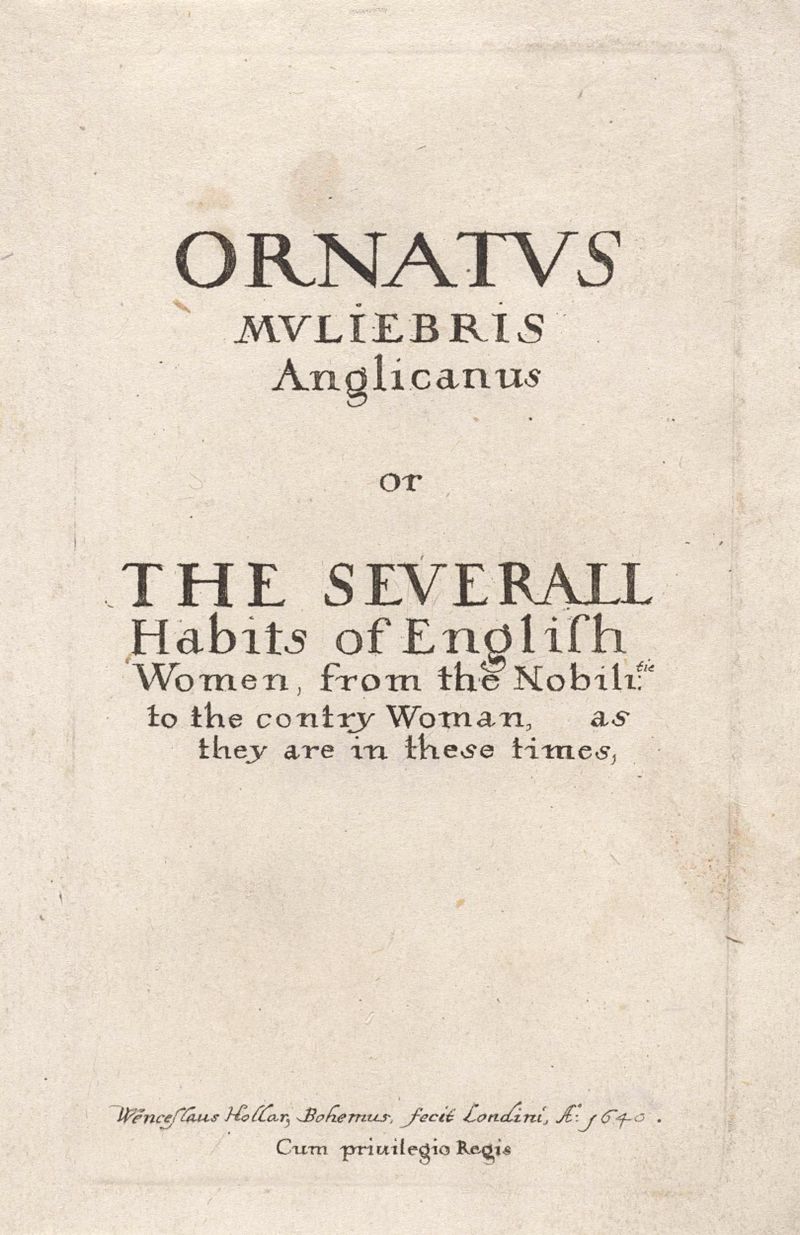
Titelprent voor: Ornatus Muliebris Anglicanus
Wenceslaus Hollar
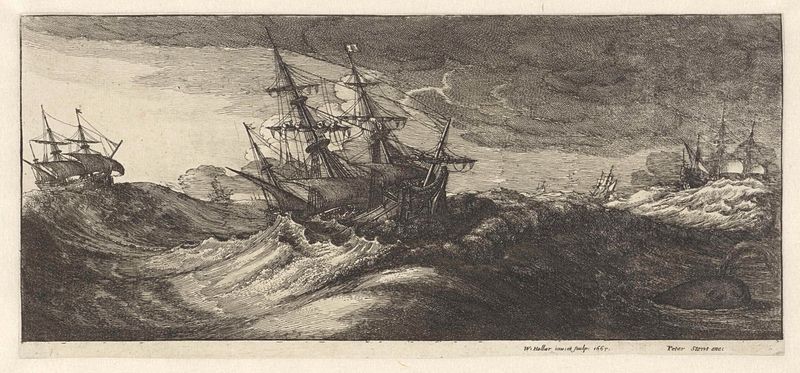
Oorlogsschepen en een walvis in een zeestorm
Wenceslaus Hollar
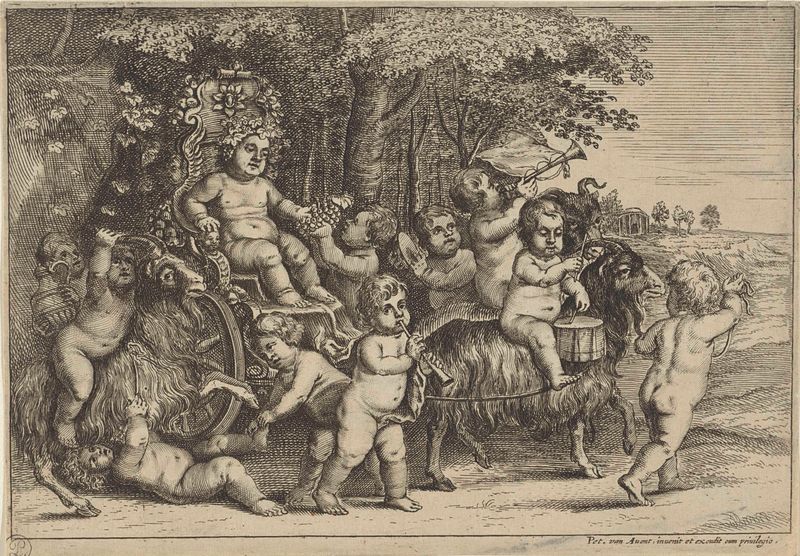
Optocht van bacchant en jongetjes op geiten
Wenceslaus Hollar
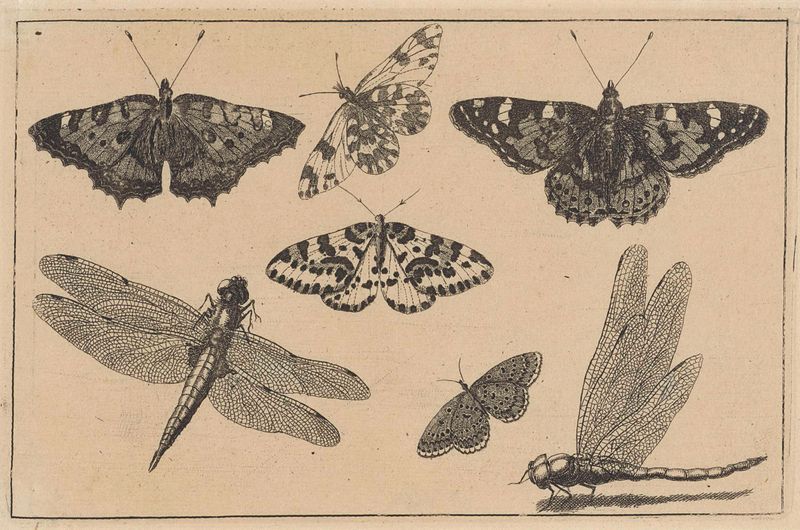
Twee libellen en vijf vlinders
Wenceslaus Hollar
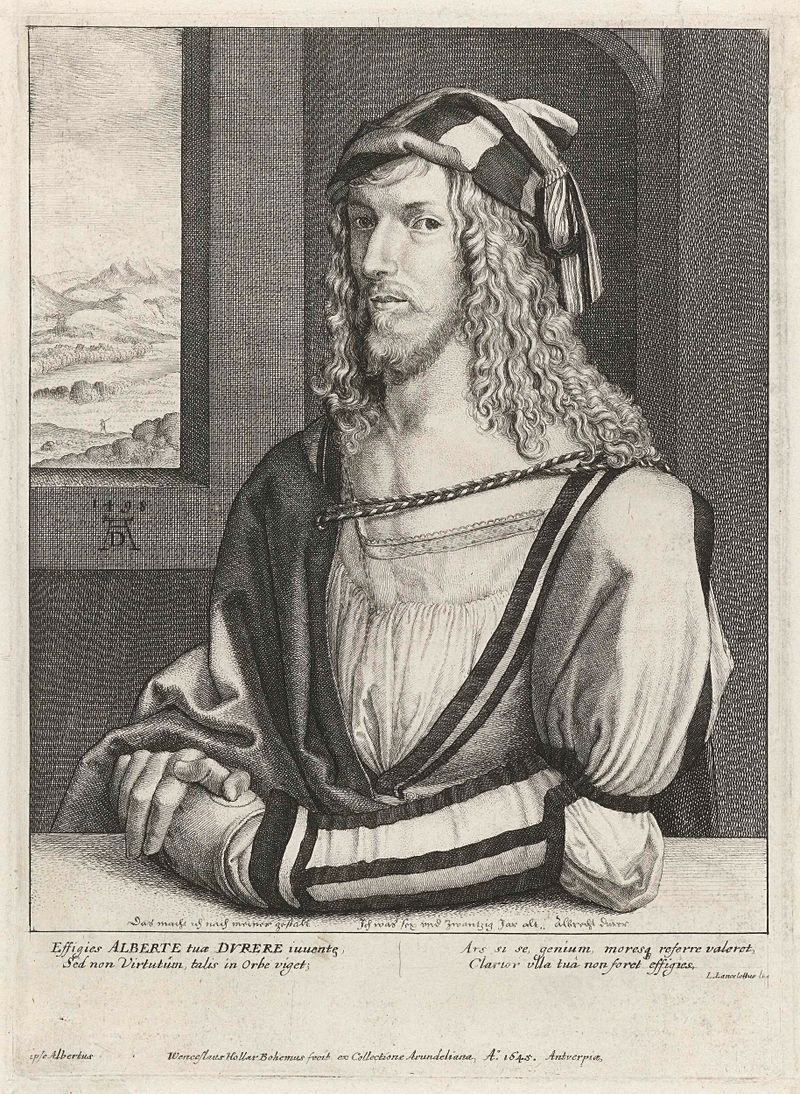
Portret van Albrecht Dürer
Wenceslaus Hollar
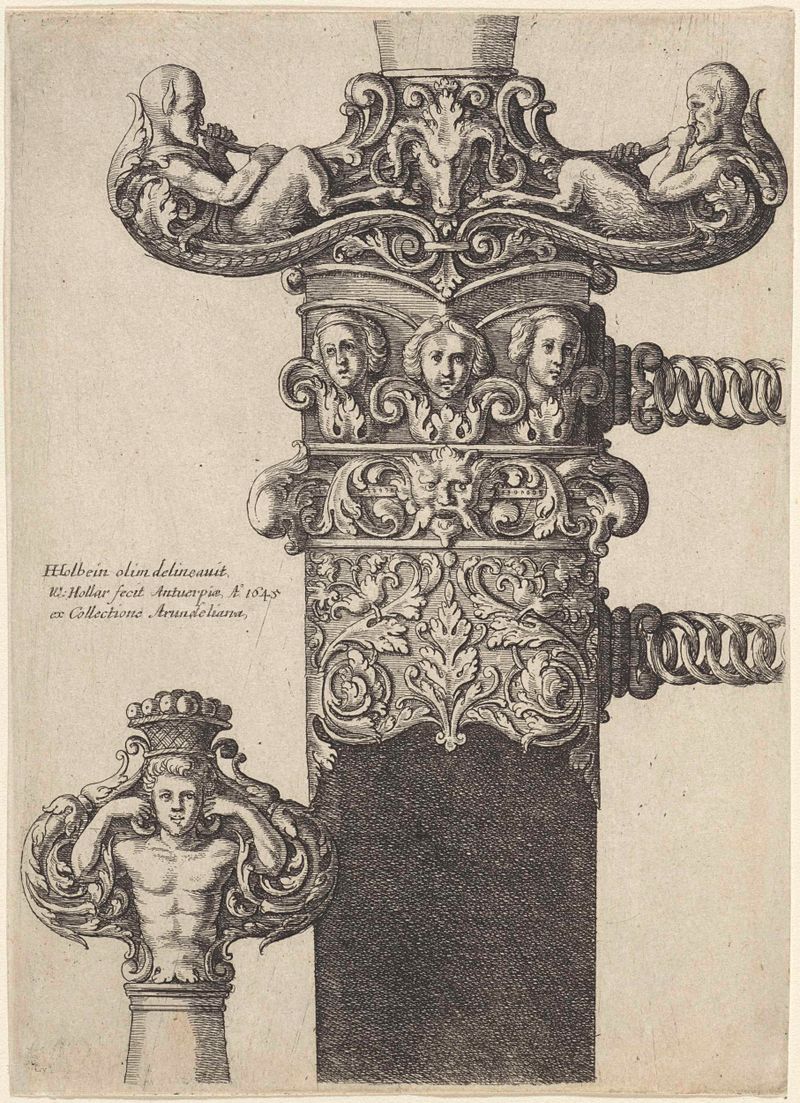
Ornamenteel ontwerp voor een dolk
Wenceslaus Hollar
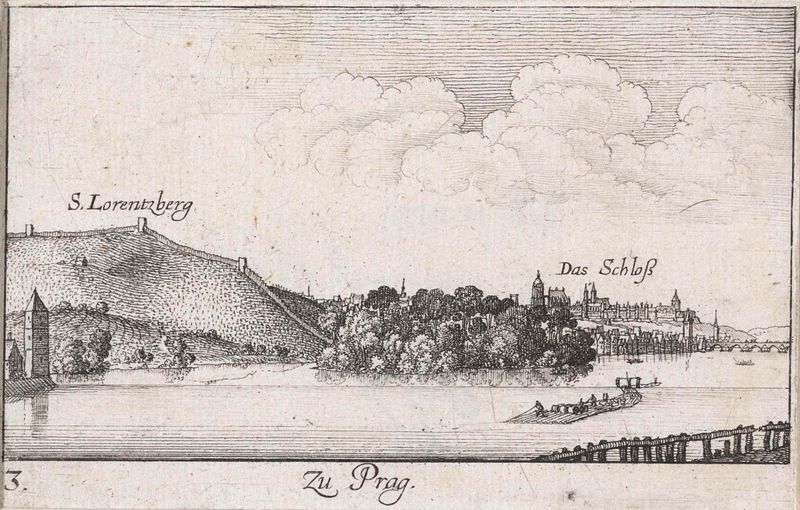
Gezicht op Praag vanaf de Moldau
Wenceslaus Hollar