
Vijf soldaten en een oosterse ruiter — History & Facts
The delicate balance of innocence hangs in the air, palpable and fragile, as five soldiers and their eastern rider intersect not merely as figures of war, but as testimonies of a deeper human narrative. Look to the left at the soldiers, their armor gleaming under the light, each crease in their garments meticulously rendered, suggesting both strength and vulnerability. Shift your gaze to the rider, elegantly poised on a steed that seems to embody both dignity and grace. The subtle hues of ochre and muted greens contrast with the glint of metal, reflecting a world at odds — a spectrum of human experience caught in a moment of stillness. In this tableau, each soldier’s posture speaks volumes — the tension between readiness for battle and the weight of doubt, revealing the fragile nature of their innocence.
The eastern rider, distinct in attire, suggests a narrative of uncharted alliances and cultural intersections, embodying the complexities of mutual understanding and conflict. The overall composition weaves a story of both camaraderie and isolation, capturing the poignant juxtaposition of honor amidst uncertainty. Albrecht Dürer created this work between 1493 and 1498, a period marked by significant exploration and cultural exchange in Europe. During this time, he was deeply engaged in his studies of perspective and human anatomy, seeking to elevate his artistry while navigating the shifting political landscapes of the Holy Roman Empire.
This painting illustrates not just a scene, but the very essence of humanity in a world teetering on the brink of transformation.
More Artworks by Albrecht Dürer
Browse all →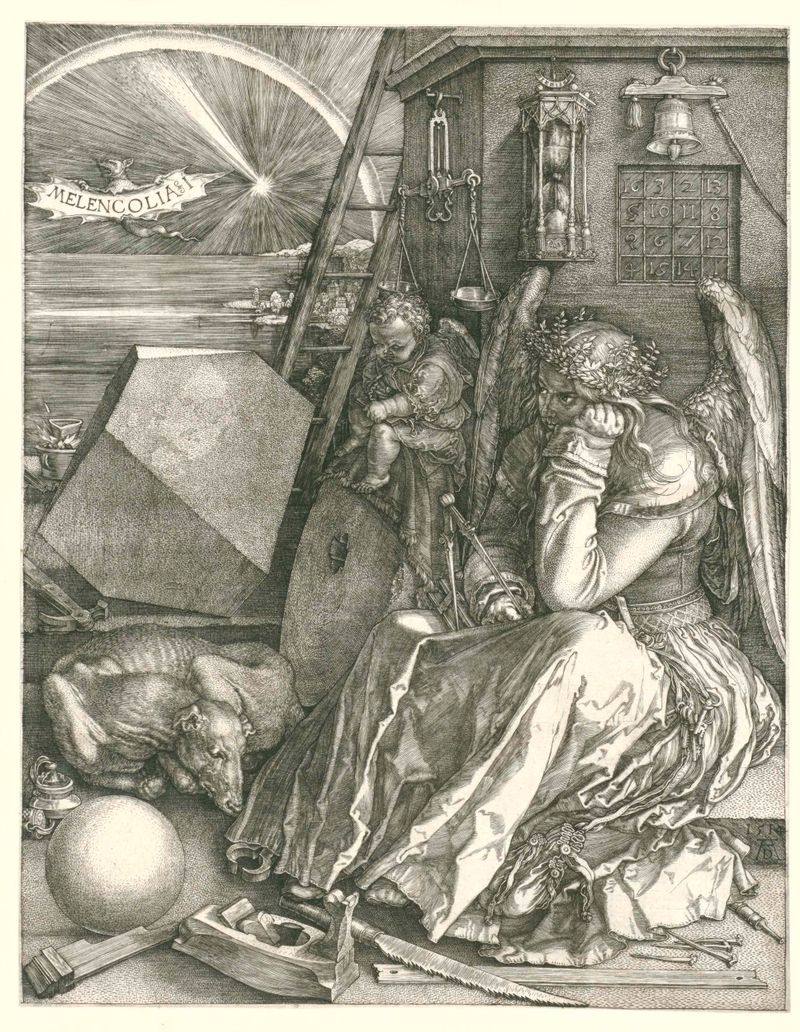
Melancholia
Albrecht Dürer
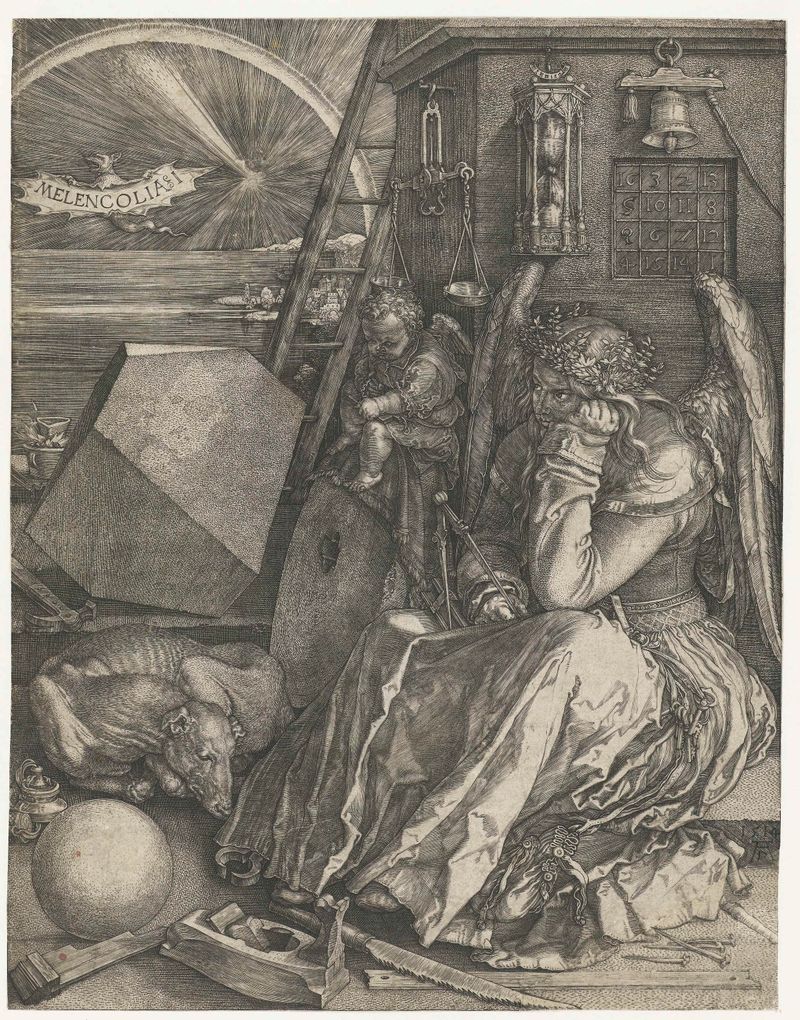
Melancholie
Albrecht Dürer

Neushoorn
Albrecht Dürer
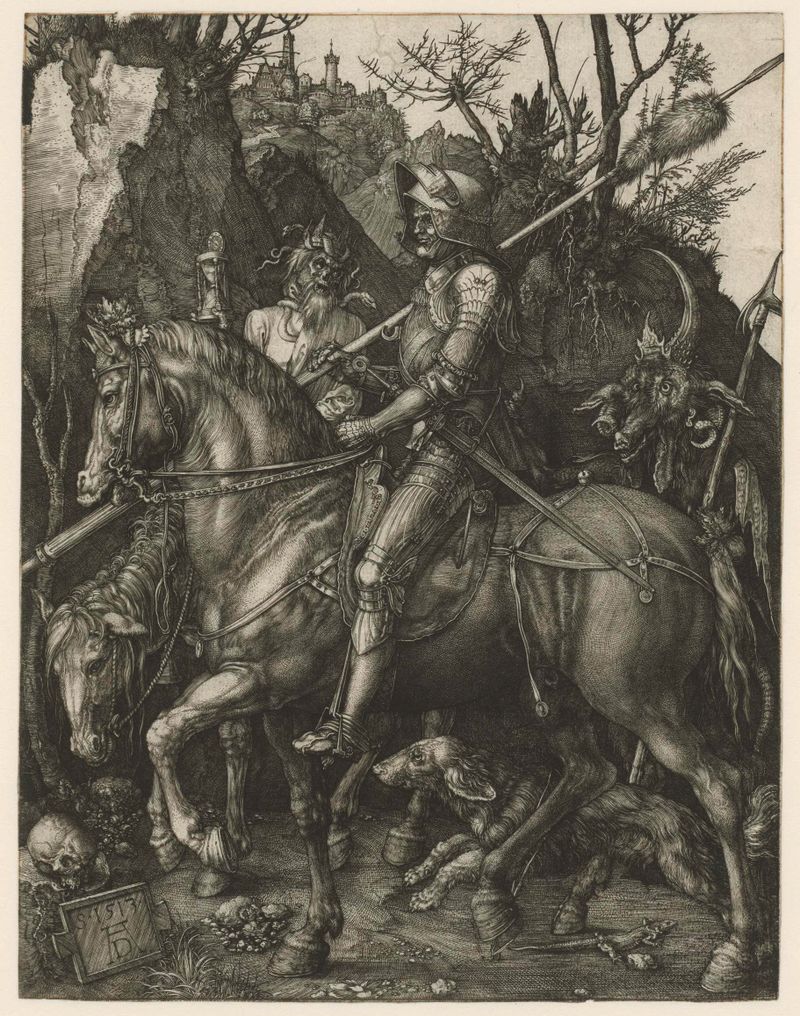
Knight, Death, and the Devil
Albrecht Dürer

De vier ruiters van de apocalyps
Albrecht Dürer

De vier ruiters van de apocalyps
Albrecht Dürer
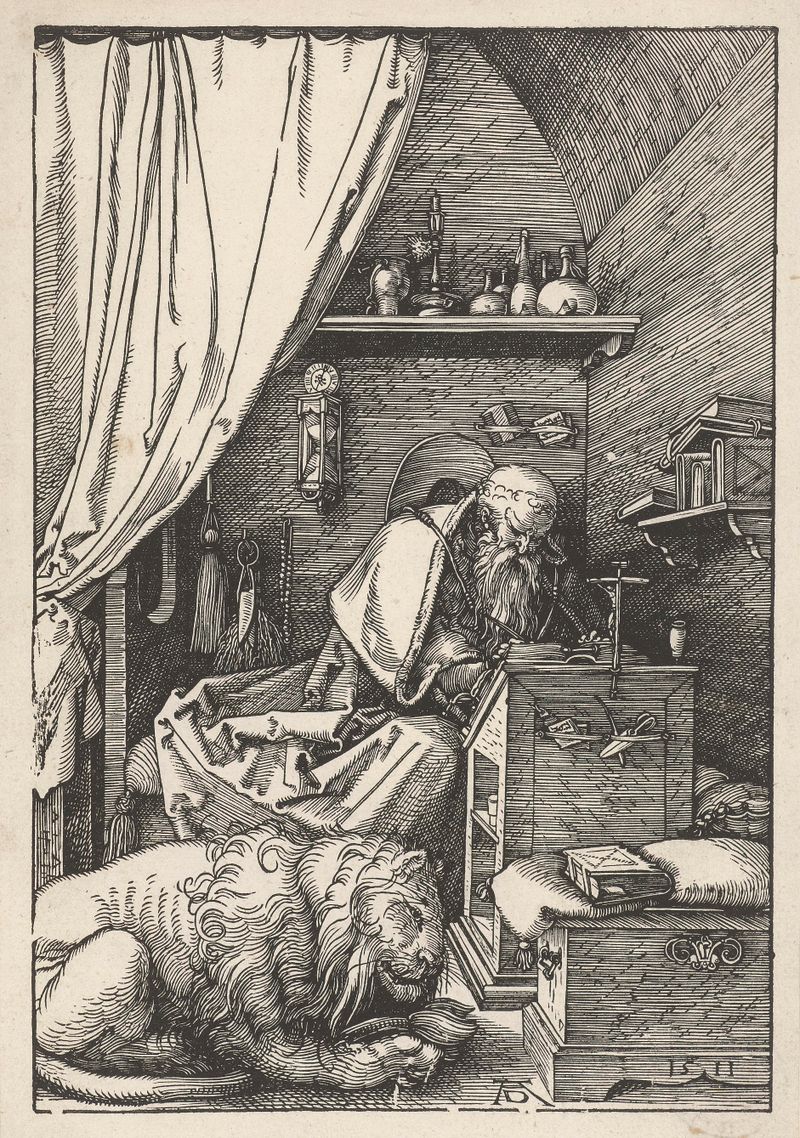
De Heilige Hiëronymus in zijn studeervertrek
Albrecht Dürer
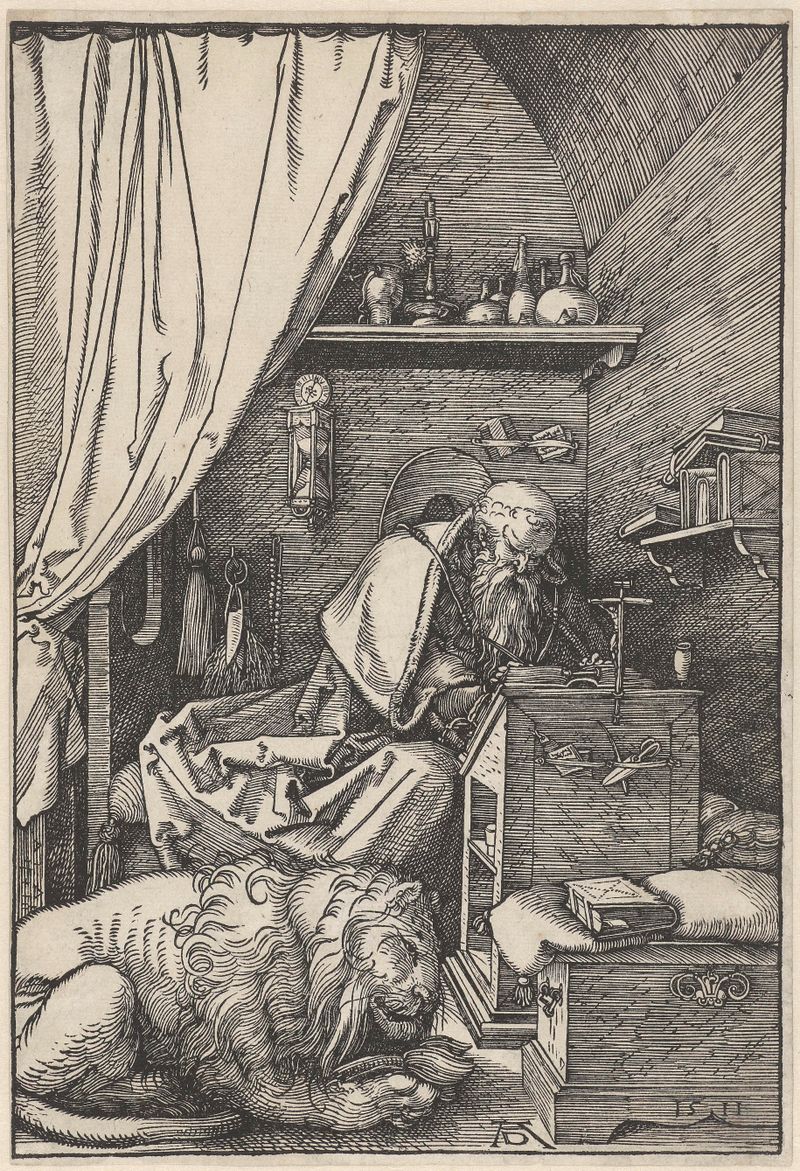
De Heilige Hiëronymus in zijn studeervertrek
Albrecht Dürer
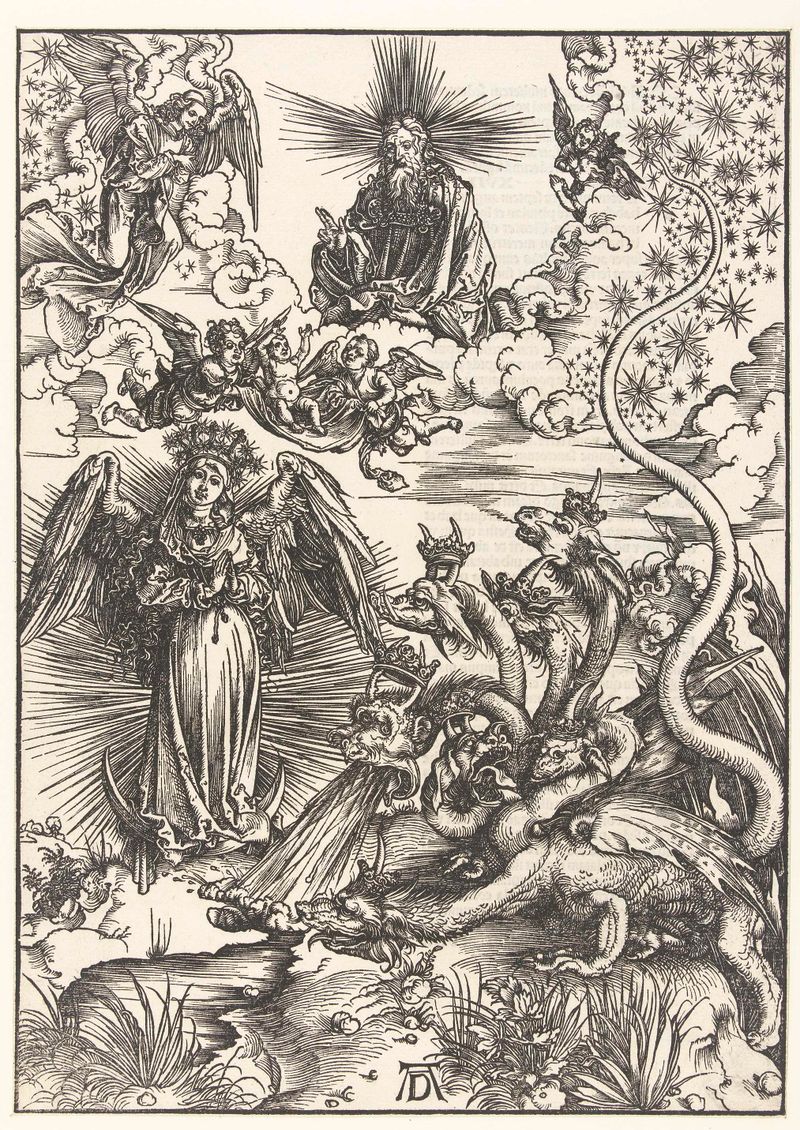
De apocalyptische vrouw en de zevenkoppige draak
Albrecht Dürer
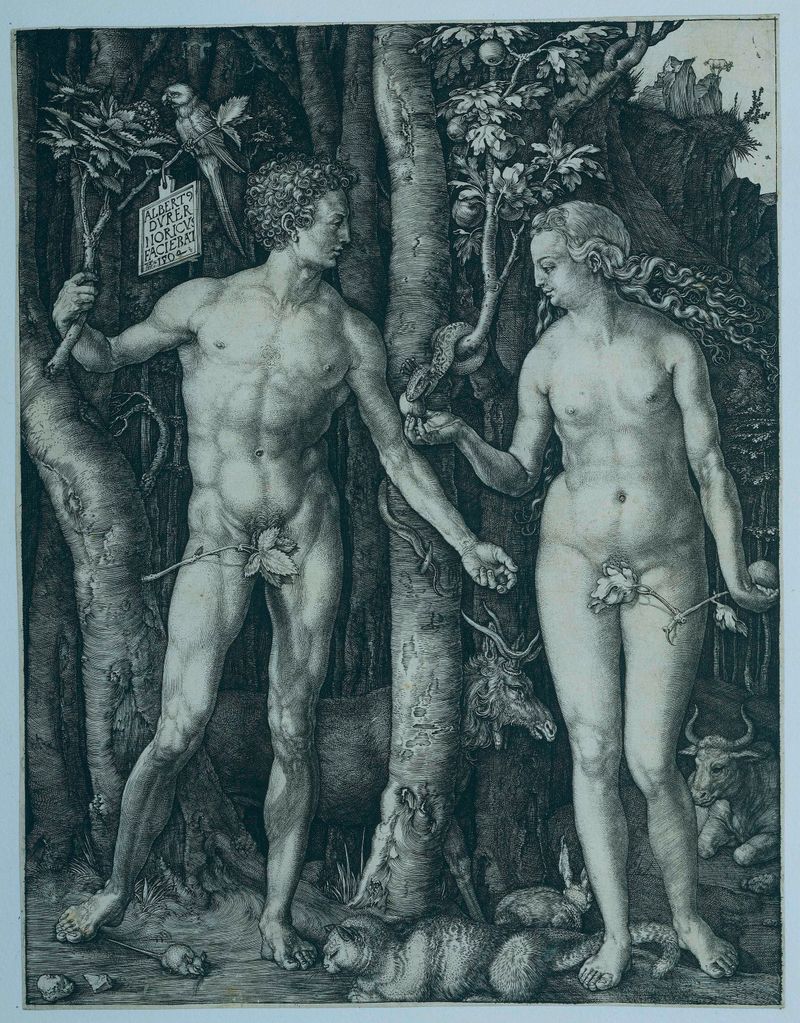
Adam en Eva
Albrecht Dürer
More Historical Art
Browse all →
The Night Watch Militia Company of District II under the Command of Captain Frans Banninck Cocq
Rembrandt van Rijn

Lincoln Memorial
Henry Bacon

The Third of May 1808
Francisco de Goya

Isaac and Rebecca, Known as ‘The Jewish Bride’
Rembrandt van Rijn

The Charge of the Mamelukes (1814)
Francisco de Goya
De vier ruiters van de apocalyps
Albrecht Dürer