Vijf vlinders en een mot — History & Facts
What secret hides in the quiet of the canvas? Beneath the delicate wings of butterflies and the muted tones of nature lies a story of transience and beauty that begs to be explored. Look to the center where five butterflies rest in serene tableau, their intricate patterns meticulously rendered in soft hues of orange, blue, and yellow. The subtle gradations of light create a gentle play of shadow, drawing the eye to their fragile forms. Surrounding them, a single moth, less vibrant yet equally captivating, suggests a dialogue between beauty and the ephemeral.
The background—a muted earth tone—offers a lush, natural stage that makes the colors of the insects pop, as if inviting the viewer to linger on their delicate details. Within this quiet composition, contrasts abound. The vividness of the butterflies, representative of joy and vitality, starkly contrasts with the understated moth, evoking themes of mortality and transformation. This juxtaposition invites contemplation on the fleeting nature of beauty; the butterflies, often seen as symbols of life's transient pleasures, seem to whisper of the inevitability of change.
Each carefully rendered vein on their wings tells a story of nature's artistry, prompting reflections on the intersection of life, death, and rebirth. Wenceslaus Hollar created this work between 1644 and 1652, a time when he was deeply influenced by the natural world surrounding him in the Netherlands. As a printmaker and draftsman, Hollar found solace in capturing the intricacies of flora and fauna amid the shifting artistic landscape of his era, marked by the baroque's embrace of detail and realism. His work embodies a moment where beauty meets contemplation, leaving a lasting impression in the realm of still-life art.
More Artworks by Wenceslaus Hollar
Browse all →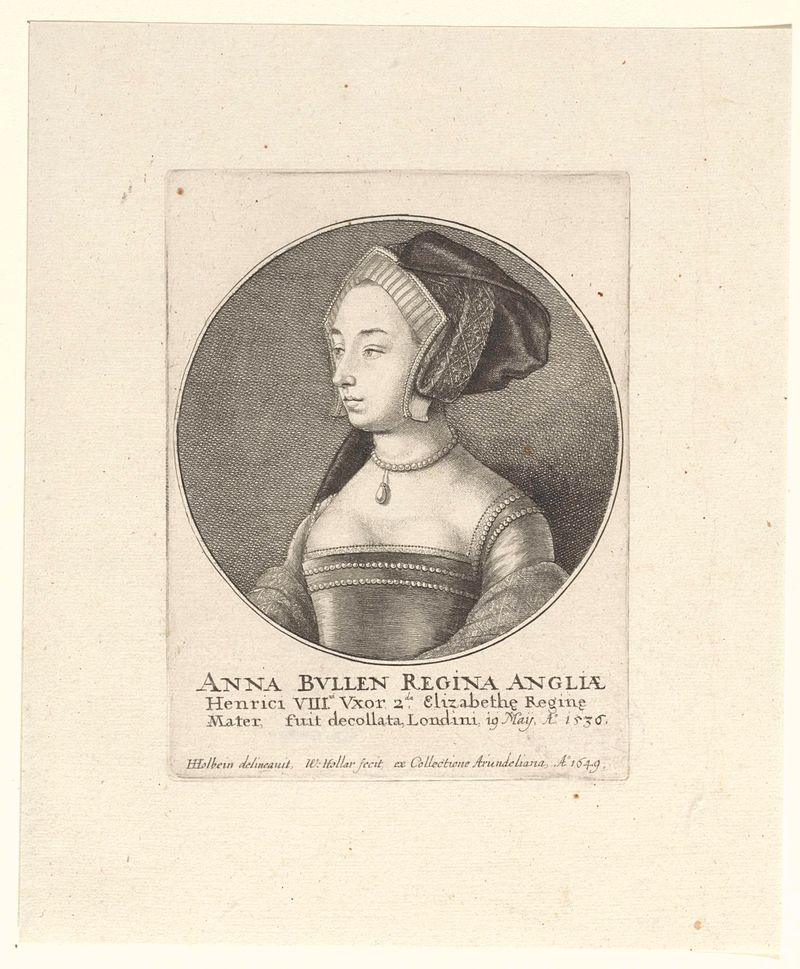
Portret van Anna Boleyn, koningin van Engeland
Wenceslaus Hollar
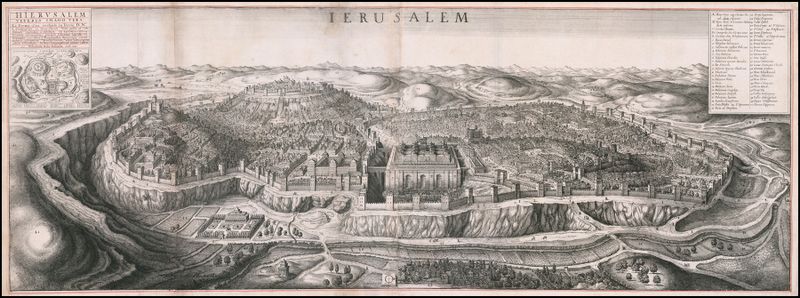
Bird’s eye view of Jerusalem
Wenceslaus Hollar
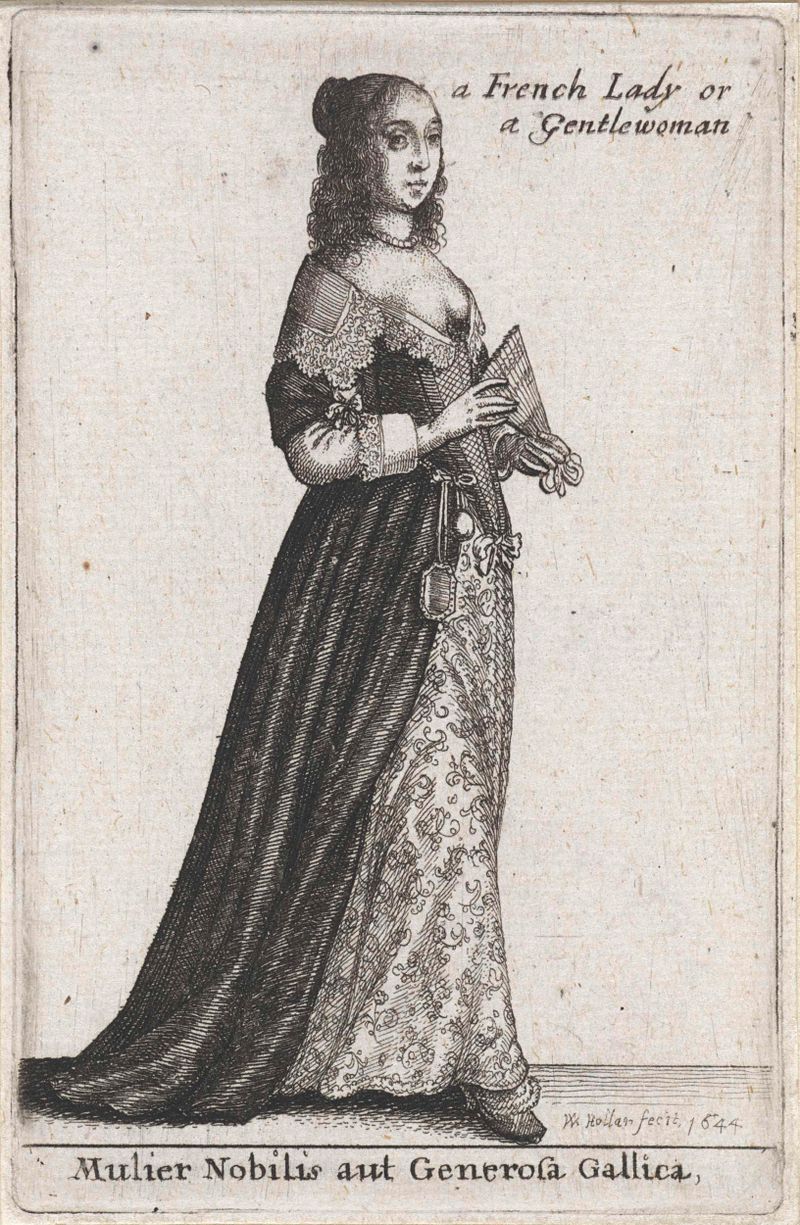
Mulier Nobilis aut Generosa Gallica / a French Lady or Gentlewoman
Wenceslaus Hollar
Titelprent voor: Ornatus Muliebris Anglicanus
Wenceslaus Hollar
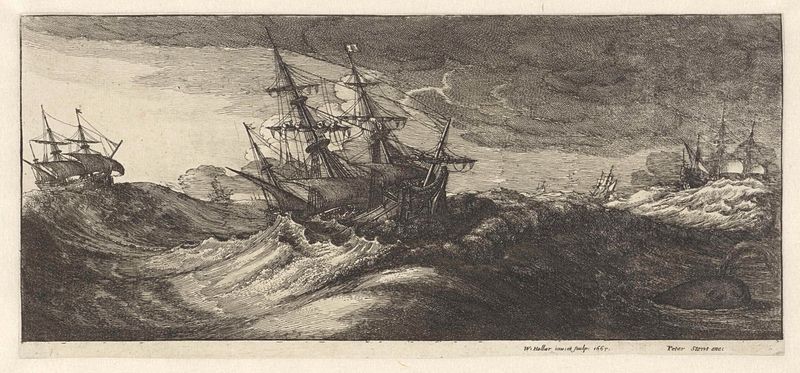
Oorlogsschepen en een walvis in een zeestorm
Wenceslaus Hollar
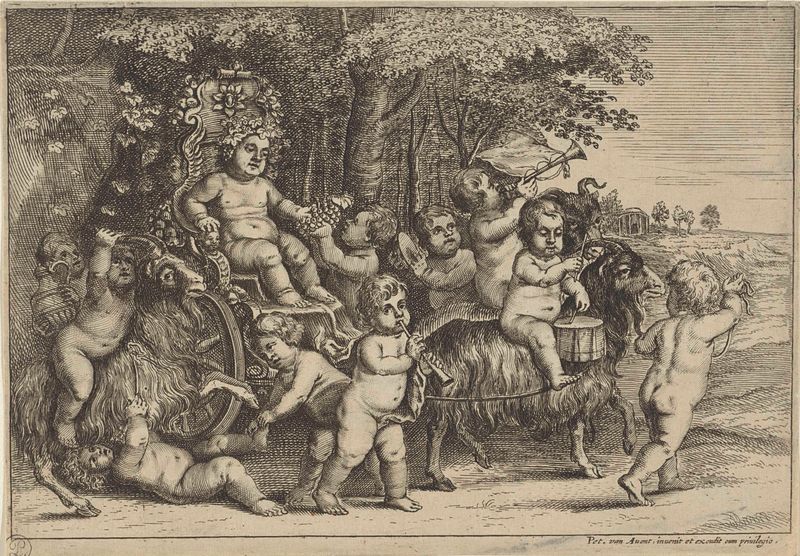
Optocht van bacchant en jongetjes op geiten
Wenceslaus Hollar
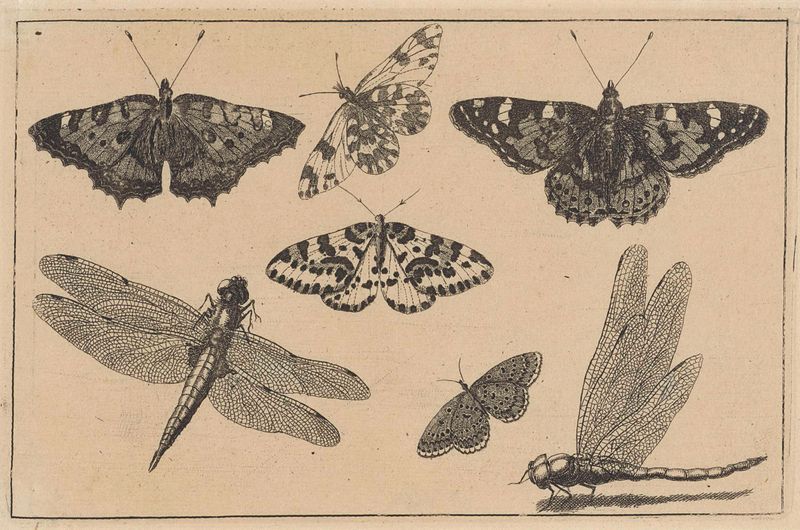
Twee libellen en vijf vlinders
Wenceslaus Hollar
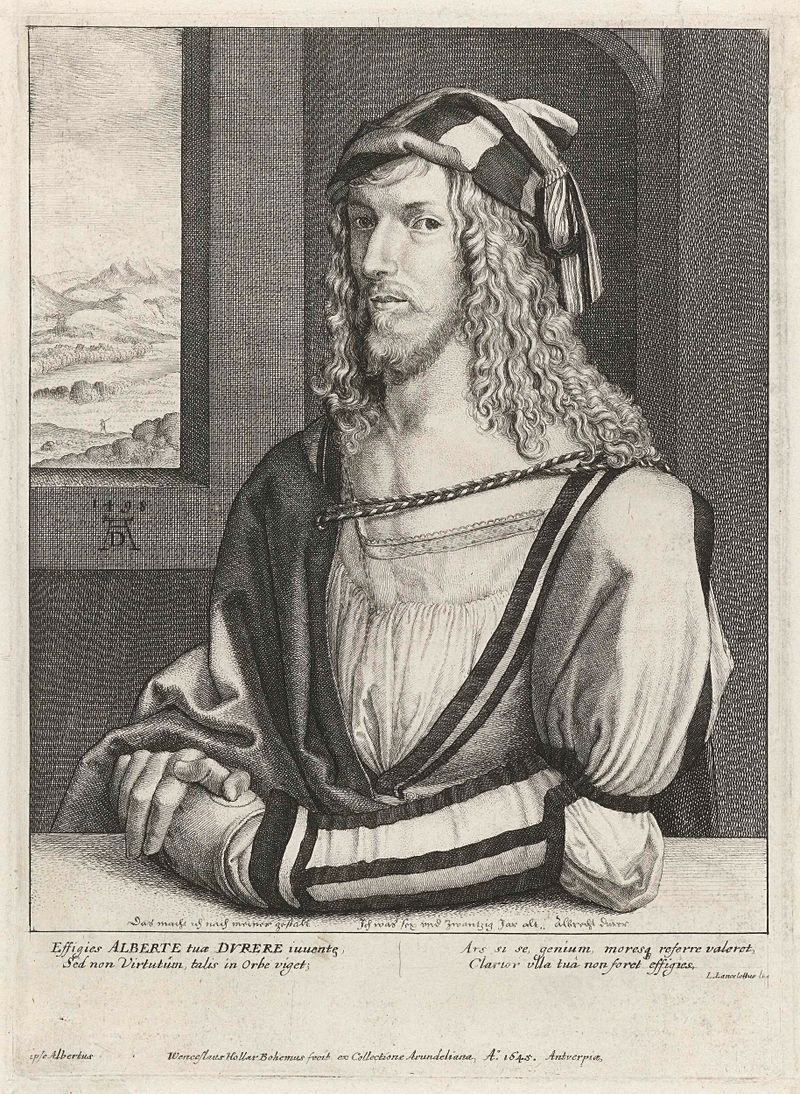
Portret van Albrecht Dürer
Wenceslaus Hollar
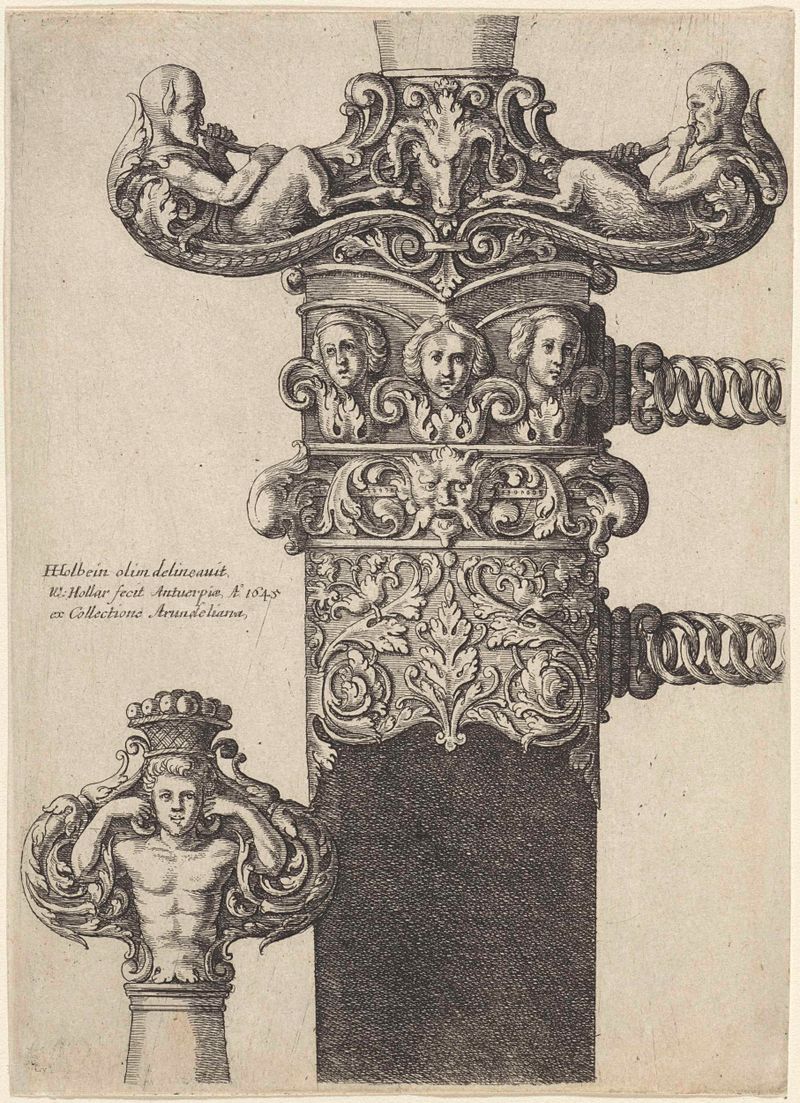
Ornamenteel ontwerp voor een dolk
Wenceslaus Hollar
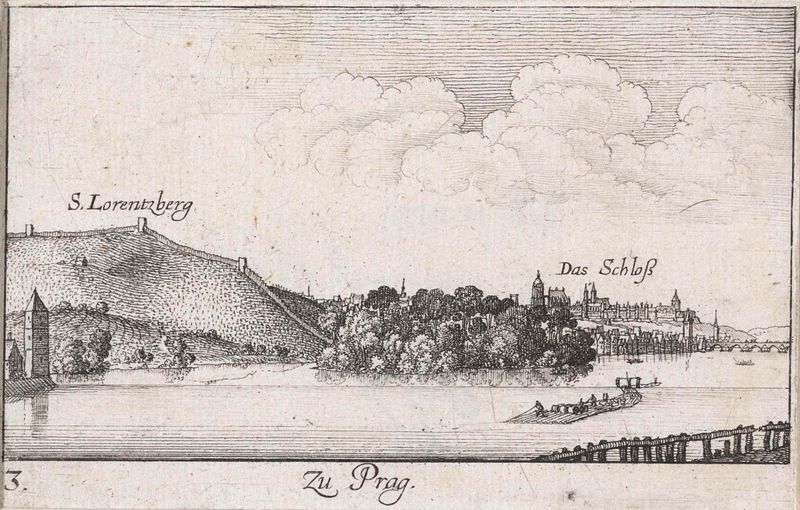
Gezicht op Praag vanaf de Moldau
Wenceslaus Hollar