
Village Cottage — History & Facts
This profound stillness speaks to the heart of Zolo Palugyay's work, where emptiness transcends mere absence, echoing the quiet resonances of life itself. In the contemplation of Village Cottage, one finds a sanctuary for reflection, a reminder that the spaces between existence often hold the most profound truths. Look to the center of the canvas, where the cottage stands stoically, its weathered timbers and muted tones reflecting years of solitude. The palette is predominantly earthy, infused with soft greens and browns, gently inviting the beholder’s gaze to linger.
Notice how the light delicately bathes the structure, casting elongated shadows that stretch toward the edges, evoking a sense of time quietly ticking away. The composition is anchored by a vast, untouched expanse surrounding the home, amplifying the feeling of isolation. Within this pristinely painted scene lies a duality of presence and absence. The rustic cottage, seemingly filled with memories, contrasts sharply with the emptiness of the surrounding landscape, suggesting a story quietly suspended in time.
Each brushstroke whispers of lives once lived, moments of joy or sorrow now buried beneath layers of paint and silence. This poignant interplay between the domestic and the desolate invites viewers to ponder not just what is seen, but what lingers unseen. In 1931, amid a changing artistic landscape, Palugyay created this piece while drawing inspiration from the simplicity of rural life in Hungary. The rise of modernism was challenging traditional forms, yet he remained committed to capturing the essence of everyday scenes.
At a time when the world grappled with economic uncertainty, Village Cottage serves as a testament to the solace found in simplicity, reflecting both the artist's vision and the collective human experience.
More Artworks by Zolo Palugyay
Browse all →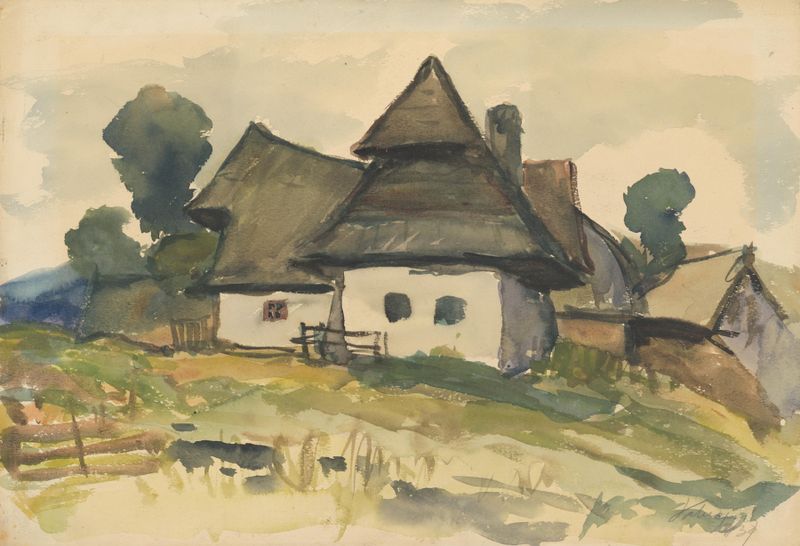
Dedinský motív
Zolo Palugyay
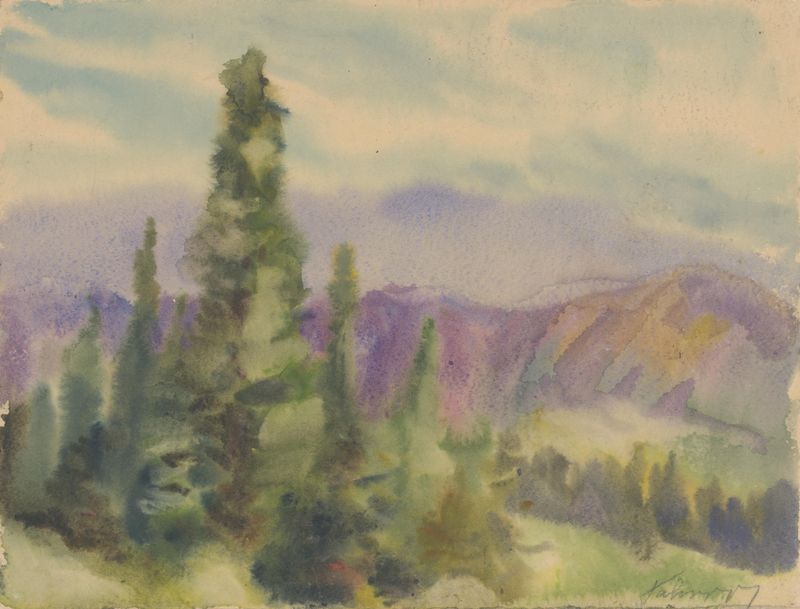
Motif from Liptov Mountains
Zolo Palugyay
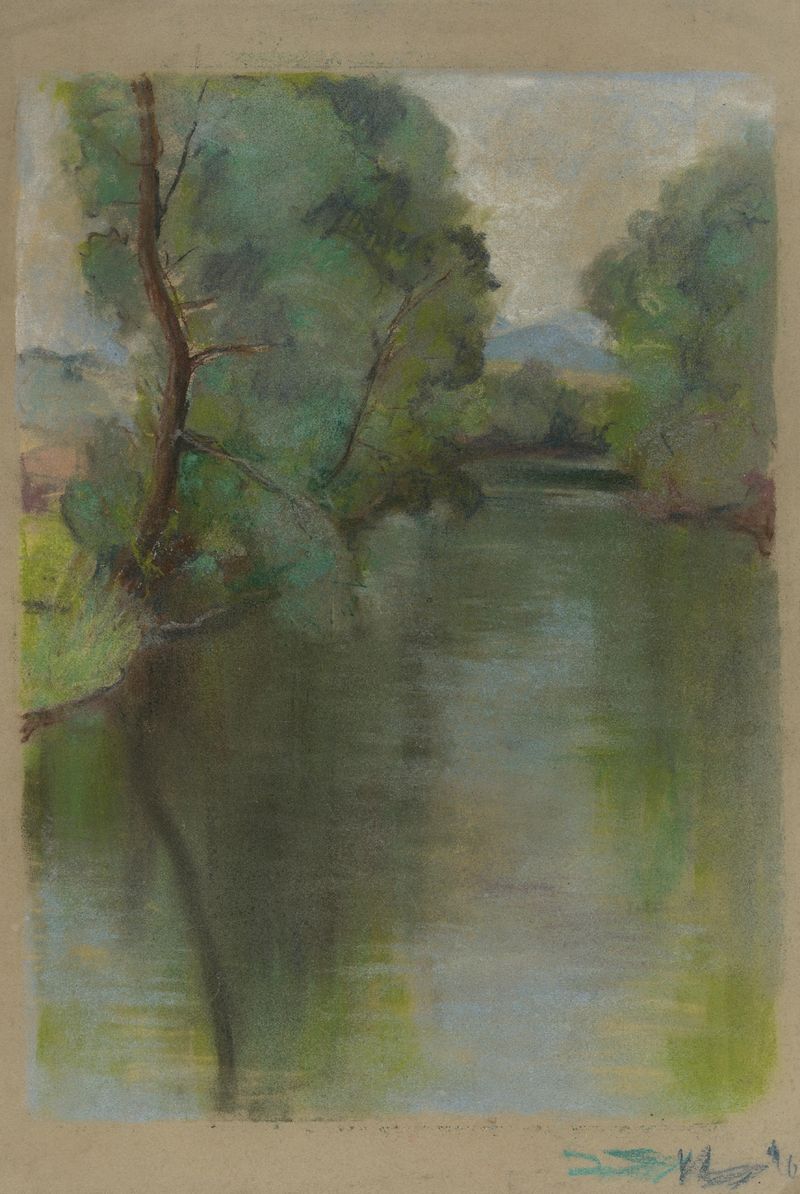
Silent River
Zolo Palugyay
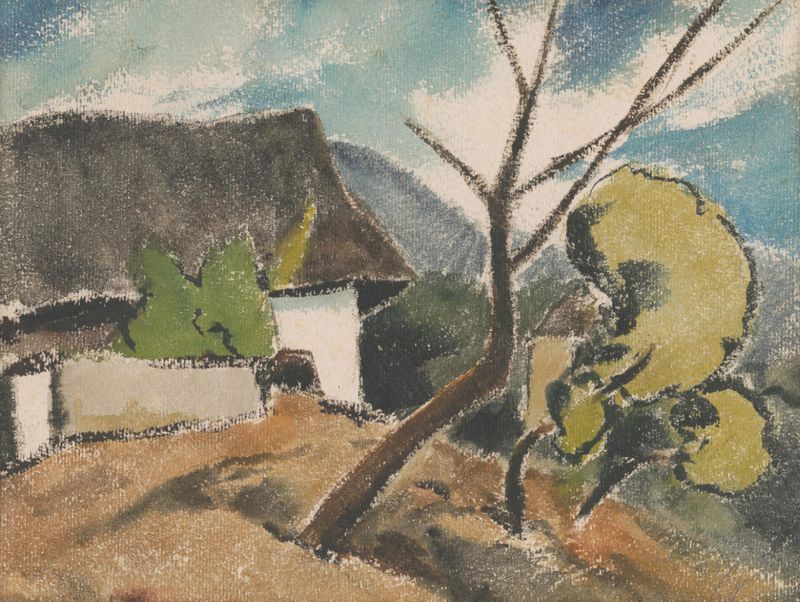
Oravská chalupa
Zolo Palugyay
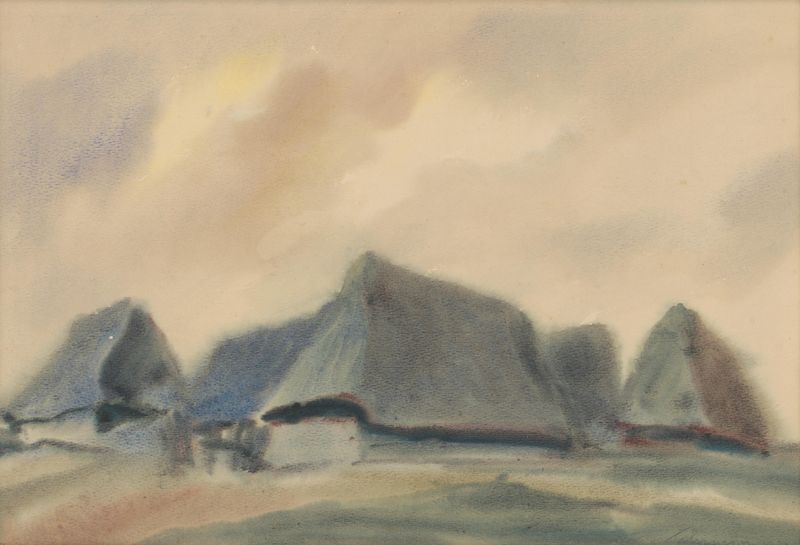
Modré chalupy
Zolo Palugyay
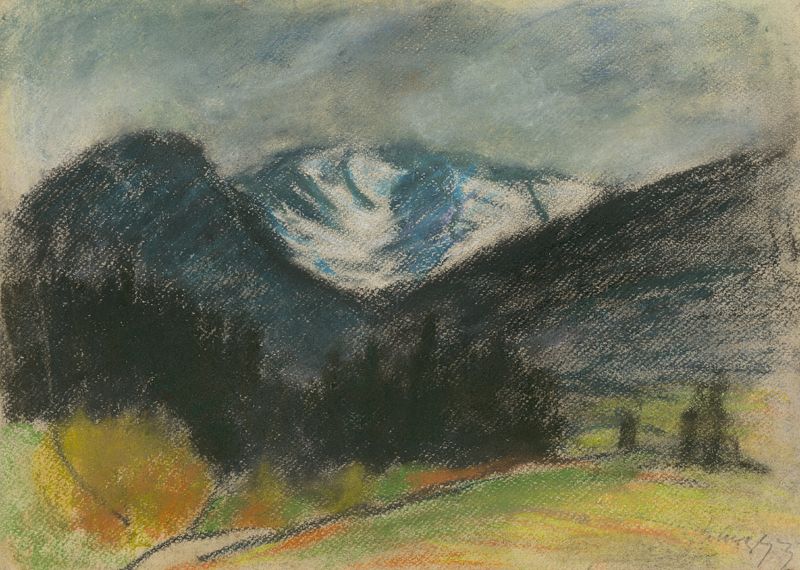
Mountain Landscape with Snowy Peaks
Zolo Palugyay
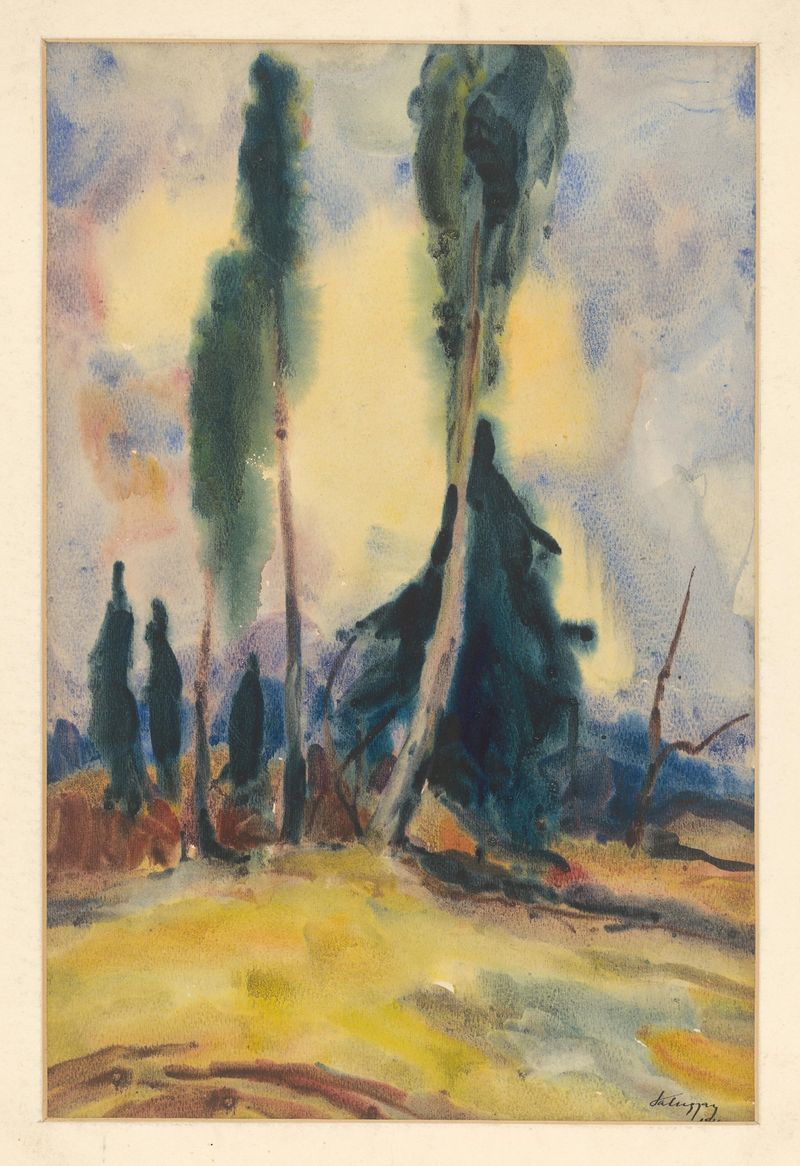
Three Trees on a Plain
Zolo Palugyay
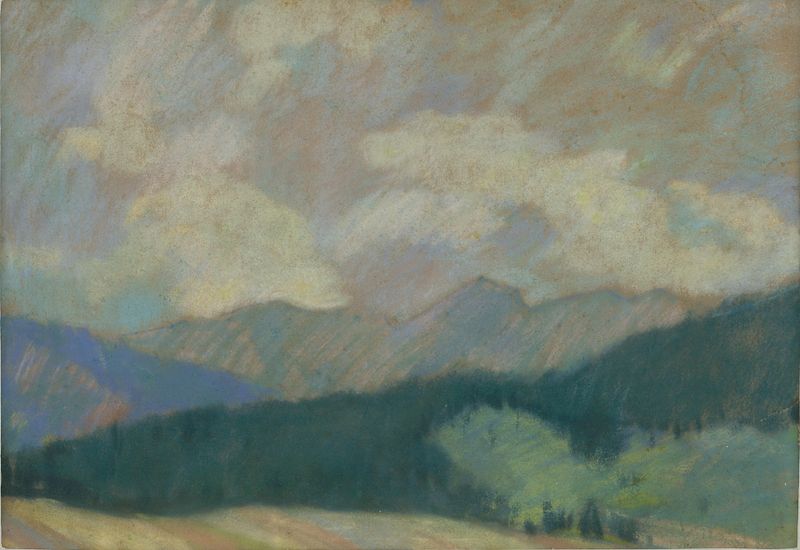
Horská krajina
Zolo Palugyay
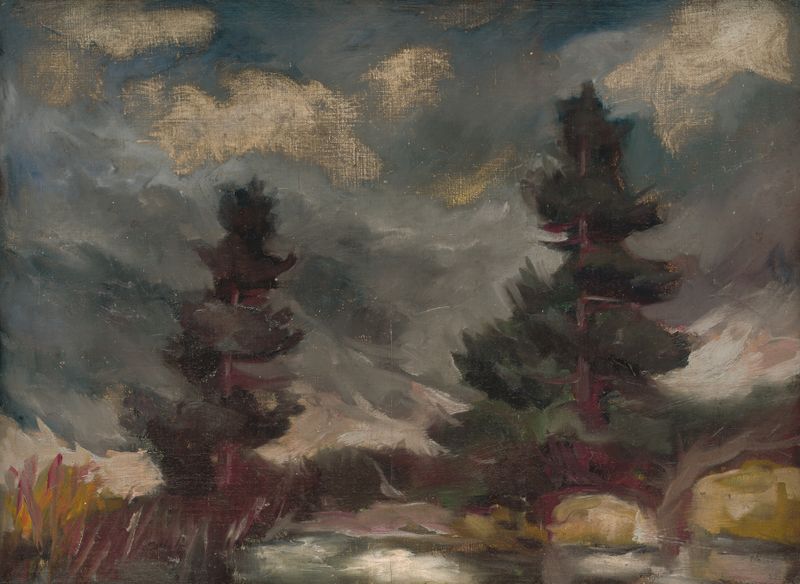
Tatra Landscape
Zolo Palugyay
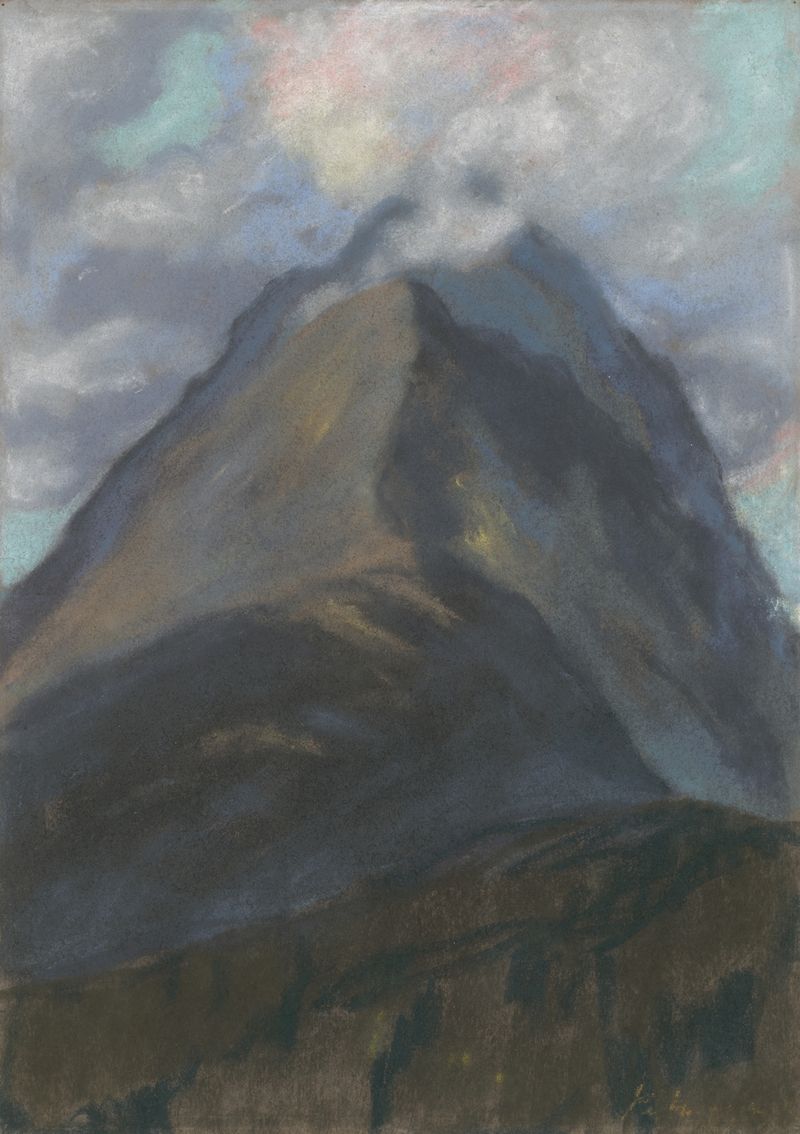
Spring Landscape
Zolo Palugyay





