
Village of Bethany and the Dead Sea — History & Facts
Is this a mirror — or a memory? The canvas unfurls a breathtaking panorama, where the serene beauty of nature collides with the remnants of human history. Look to the left at the gentle curve of the hills, their soft greens and browns blending seamlessly into the azure sky. Notice how the light dances across the surface of the Dead Sea, reflecting a spectrum of blues and shimmering whites that seem to beckon the viewer to dive deeper into this tranquil setting. The composition leads your eye gracefully across the landscape, from the quaint village in the foreground to the distant mountains, all rendered in meticulous detail that captures both the serenity and the isolation of this biblical locale. Amidst the calm, an emotional tension lingers; the juxtaposition of life in the village against the stillness of the sea suggests stories untold.
The delicate brushwork hints at both the beauty and fragility of existence, while the warm hues of the village contrast sharply with the cold, almost otherworldly waters of the Dead Sea. Each stroke invites contemplation, igniting reflections on the passage of time and memory, as if urging the viewer to ponder their place within this ethereal tableau. In 1804, Luigi Mayer was navigating the cultural currents of neoclassicism, finding inspiration in the landscapes of the Middle East. Living in England at the time, he had traveled extensively, documenting scenes that resonated with both the artist's eye and the sensibilities of his audience.
The painting emerges as a poignant commentary on beauty and loss, marrying the allure of nature with the echoes of history.
More Artworks by Luigi Mayer
Browse all →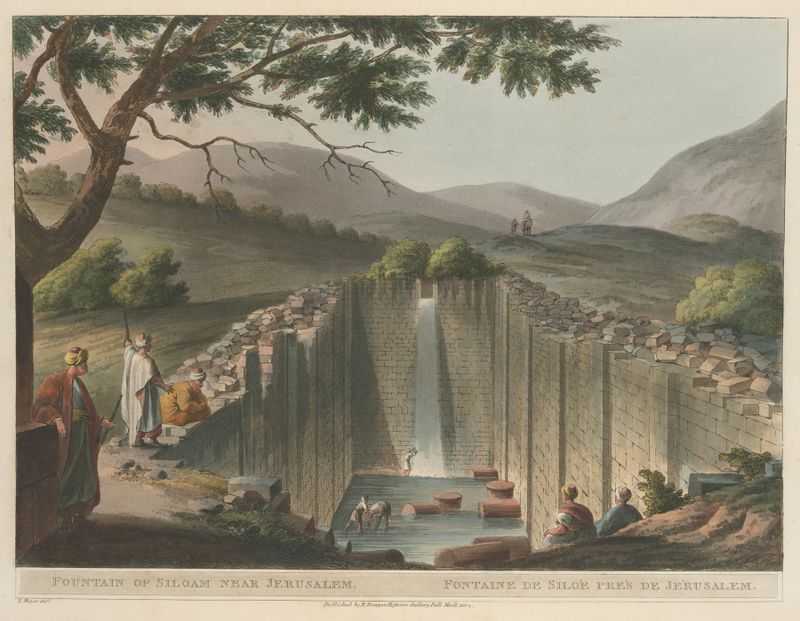
Fountain of Siloam Near Jerusalem
Luigi Mayer

View of the Dardanelles
Luigi Mayer
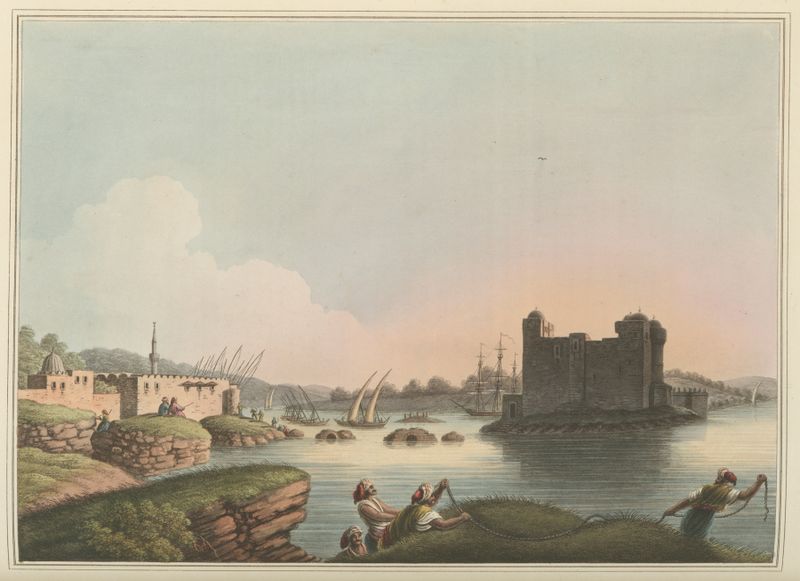
Port of Latachia
Luigi Mayer

Stadium at Ephesus
Luigi Mayer

Ancient Temples at Agrigentum
Luigi Mayer
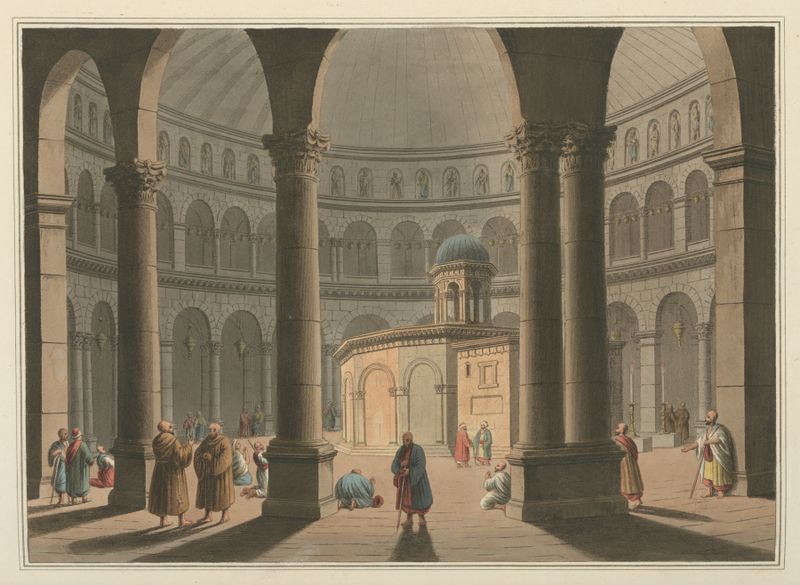
Church of the Holy Sepulchre
Luigi Mayer
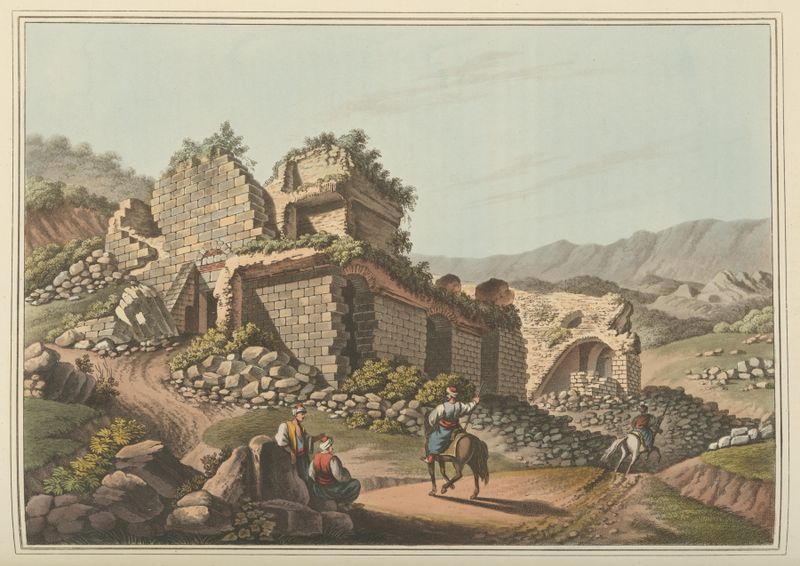
Theatre at Ephesus
Luigi Mayer
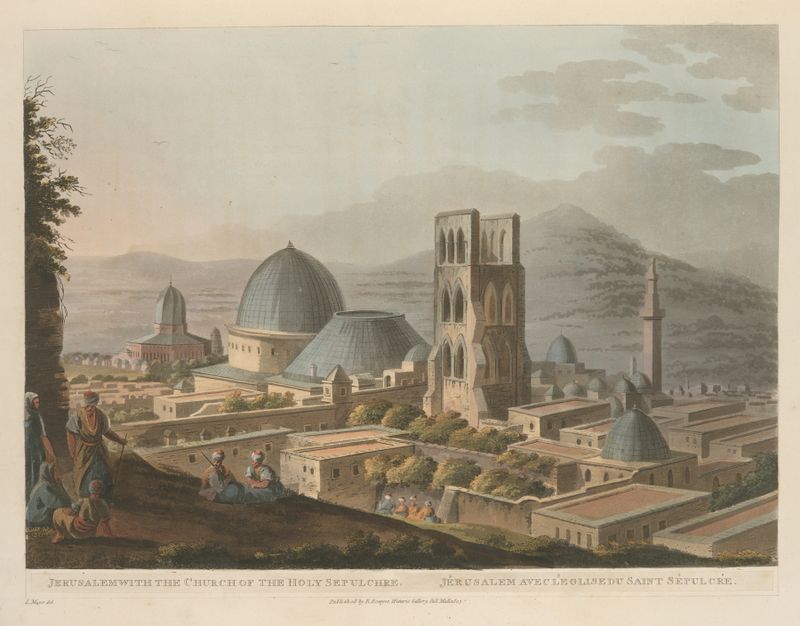
Jerusalem with the Church of the Holy Sepulchre
Luigi Mayer
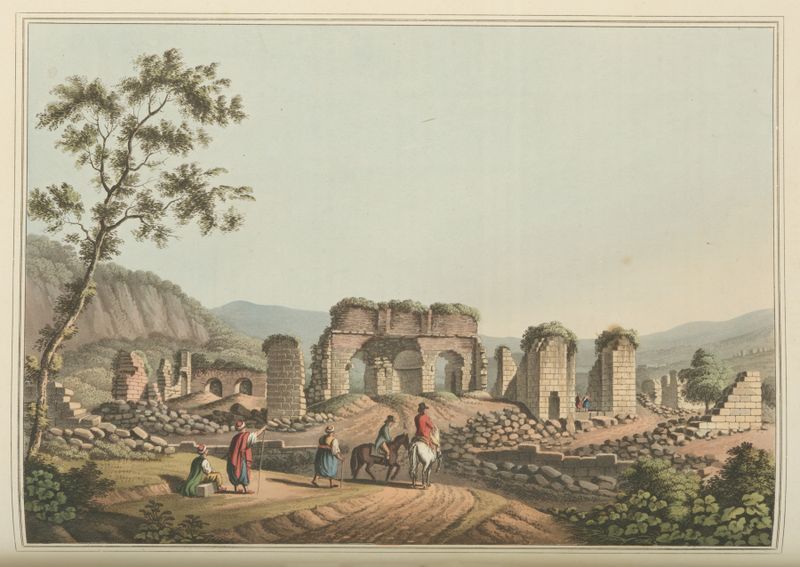
Ruins of the Temple of Diana at Ephesus
Luigi Mayer

Crater in the Island of Volcano
Luigi Mayer





