
Village Street — History & Facts
Could beauty survive in a century of chaos? In a world constantly in flux, how do we find solace in the simple and the serene? Look closely at the gentle curve of the village street, where the path meanders under the dappled light of towering trees. The soft greens and earthy browns invite the eye to wander, while the quaint houses, nestled together like old friends, offer a sense of warmth and familiarity. Notice how the light filters through the foliage, creating a mosaic of shadows that dance upon the cobblestones, imbuing the scene with a profound sense of stillness amid the passage of time. As you explore deeper, the subtle contrasts emerge.
The vibrancy of life is tinged with an undercurrent of melancholy, as the cottages, though inviting, seem to echo the solitude of their inhabitants. The meticulous attention to detail in the architecture speaks of bygone days, while the absence of figures hints at a narrative of loss or longing. Each element is a reminder that beauty often coexists with sorrow, creating a complex tapestry of emotion that resonates within the viewer. During a time when artistic movements were shifting, the artist captured this scene in the late 18th to early 19th century, likely influenced by the turbulence surrounding the Industrial Revolution in England.
This period saw a departure from classical ideals, allowing for more intimate, pastoral compositions that reflected both nostalgia and an appreciation for nature. In this moment of creation, the artist sought to preserve a serene world, even as society faced profound change.
More Artworks by Edward Dayes
Browse all →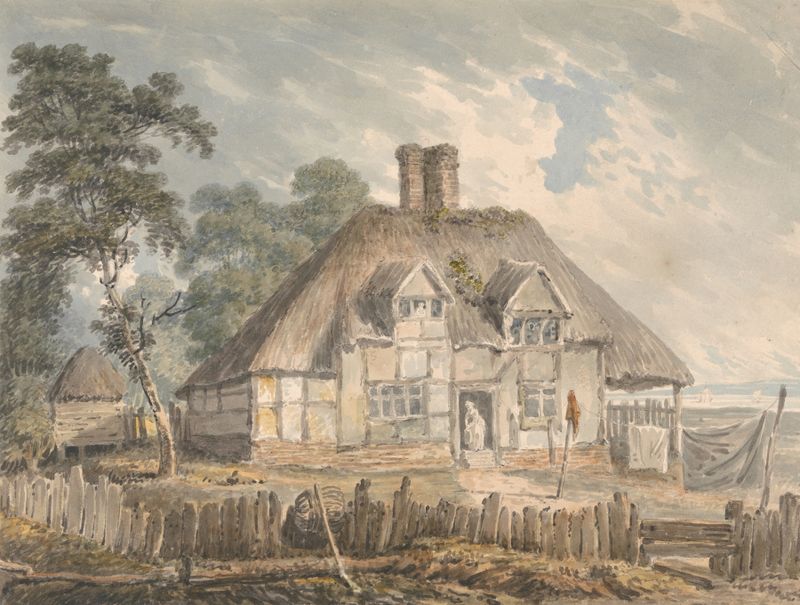
A Cottage near Southampton
Edward Dayes
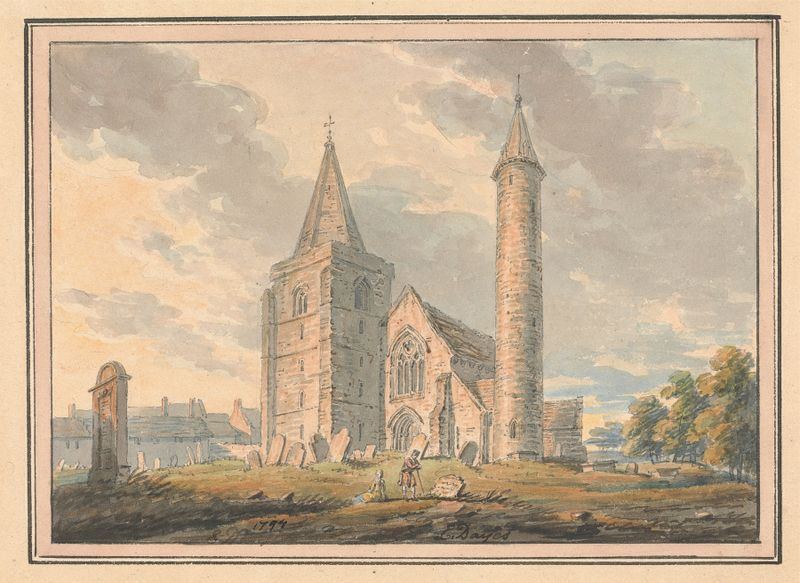
Brechin Cathedral and round tower, Forfarshire, Scotland
Edward Dayes
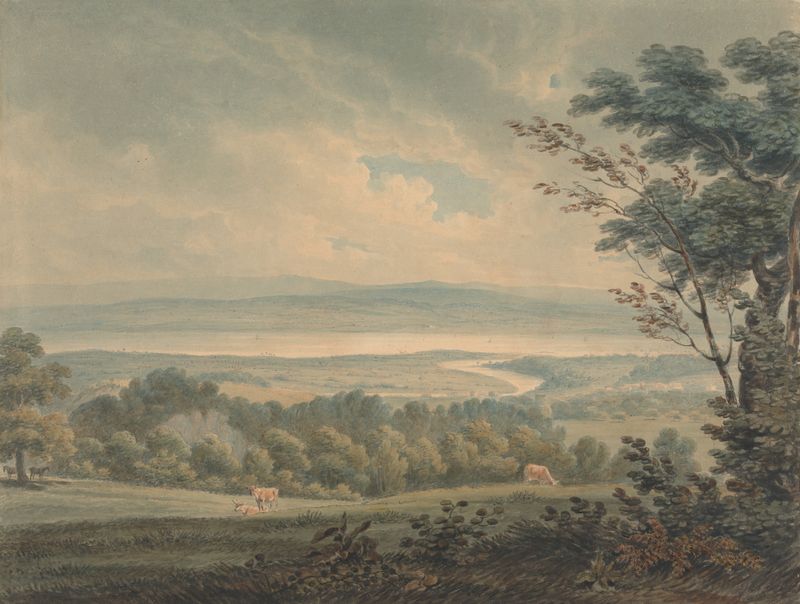
The Meeting of the Rivers Severn and Wye, near Chepstow
Edward Dayes

Ruins of the Old Kirk, Isle of Bute
Edward Dayes
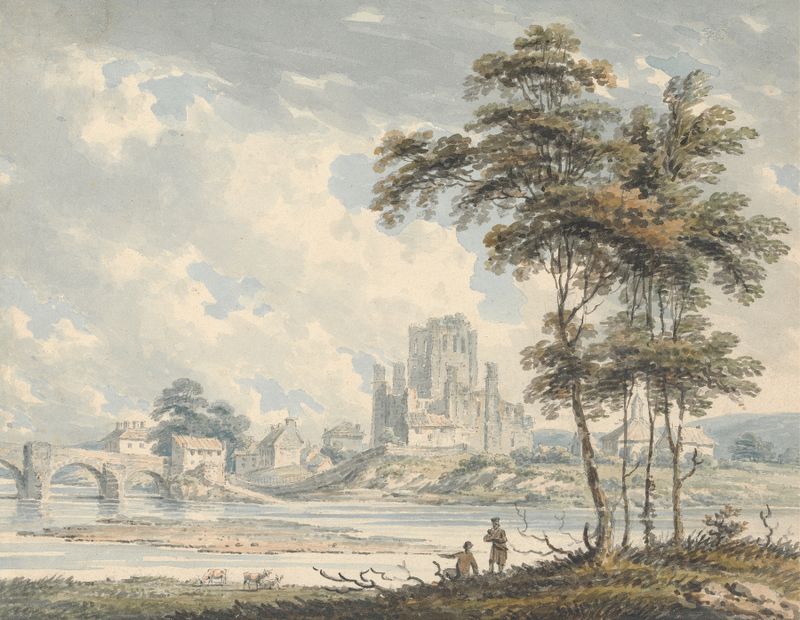
Kelso Abbey, Rosburghshire
Edward Dayes
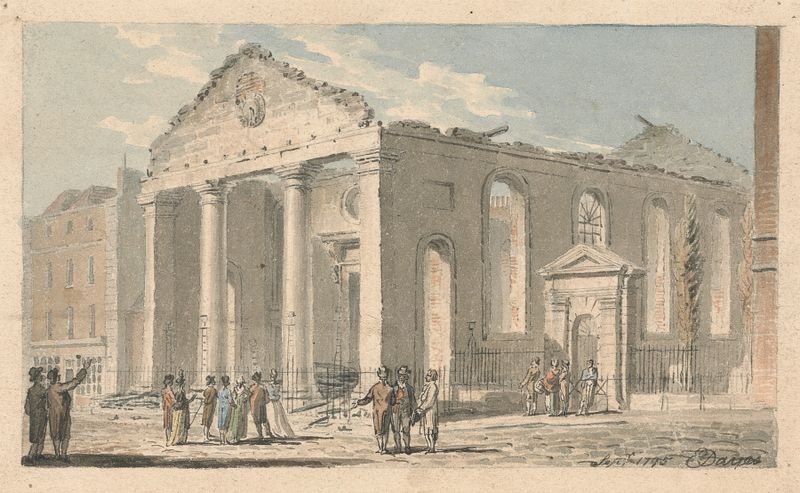
St. Paul’s Church, Covent Garden, after the fire
Edward Dayes
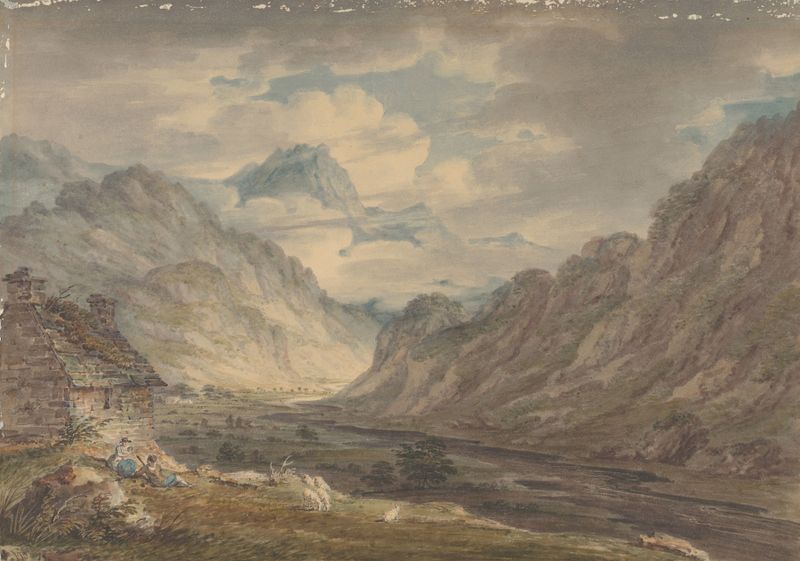
The Honister Pass from Gatesgarth Farm, Gatesgarthdale, Lake District
Edward Dayes
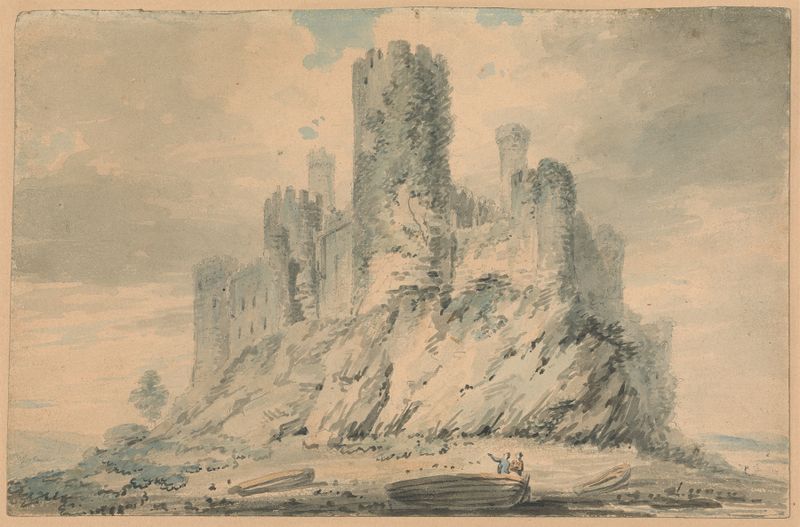
Conway Castle, Caernarvonshire
Edward Dayes
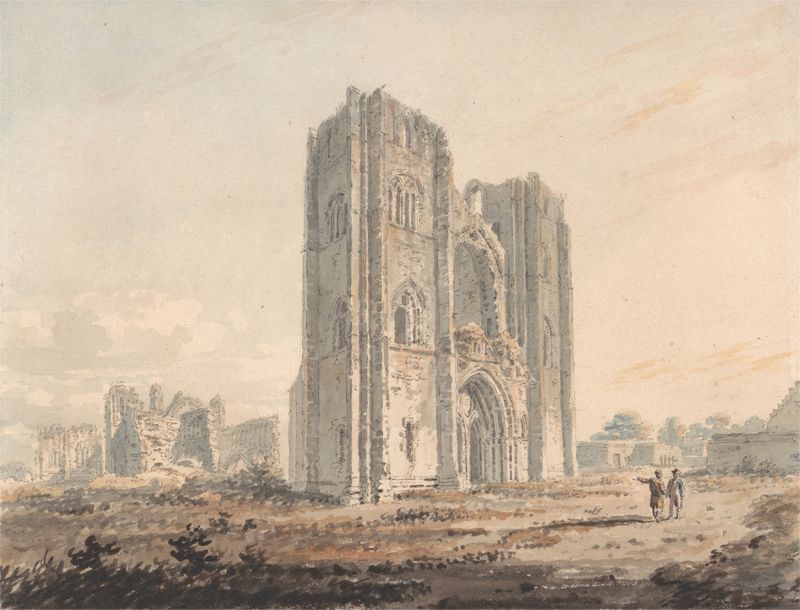
Elgin Cathedral, Moray
Edward Dayes

Lake scene
Edward Dayes





