
Ville D’avray – Le Cavalier À La Entrée Du Bois — History & Facts
The delicate interplay of light and shadow in the world of art can be a poignant reflection of the human experience, revealing the balance between joy and sorrow. Begin your exploration by focusing on the gentle curve of the path that leads into the tranquil woodland of Ville D’avray. Notice how Corot employs soft, earthy tones to infuse a sense of calm, contrasting sharply with the vivid brushstrokes of the horse and rider in the foreground. Their presence is striking yet harmoniously integrated, guiding your gaze deeper into the lush greenery that envelops them. As you delve further, observe the whispers of uncertainty that linger in the scene.
The rider, poised yet unanchored, suggests a transition—perhaps between the safety of the known and the allure of the unknown. The interplay of light filtering through the foliage hints at secrets held by nature, inviting contemplation about the balance between exploration and restraint. Each brushstroke captures not just the beauty of the setting but the emotional gravity of the moment. In 1873, Corot was immersed in the heart of the Impressionist movement, painting Ville D’avray in France, where he found inspiration in the serene landscapes around Paris.
At this time, he was revered for his ability to capture the ephemeral qualities of light and atmosphere, reflecting both the stylistic shifts in the art world and his own evolution as an artist. This work stands as a testament to his ongoing journey of balance between realism and the poetic essence of nature.
More Artworks by Jean-Baptiste-Camille Corot
Browse all →
View of Genoa
Jean-Baptiste-Camille Corot
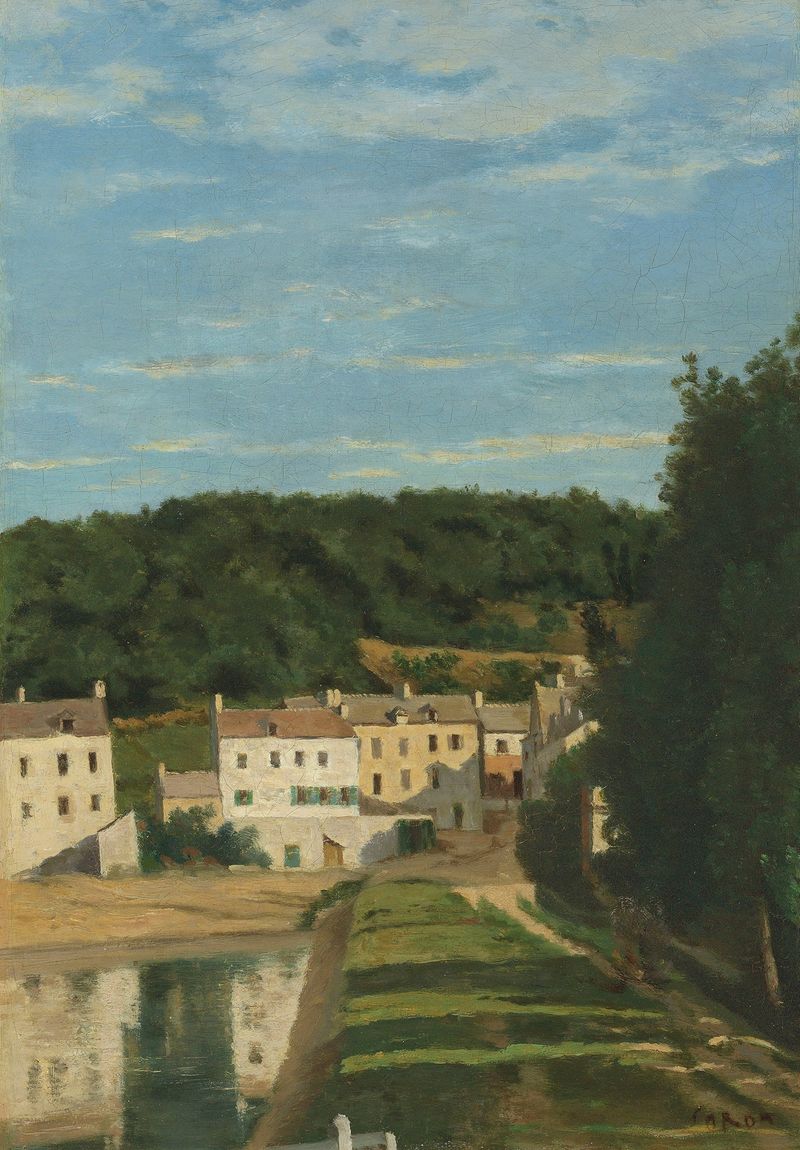
Les Maisons Cabassud À Ville D’avray
Jean-Baptiste-Camille Corot

La solitude. Souvenir de Vigen (Limousin)
Jean-Baptiste-Camille Corot
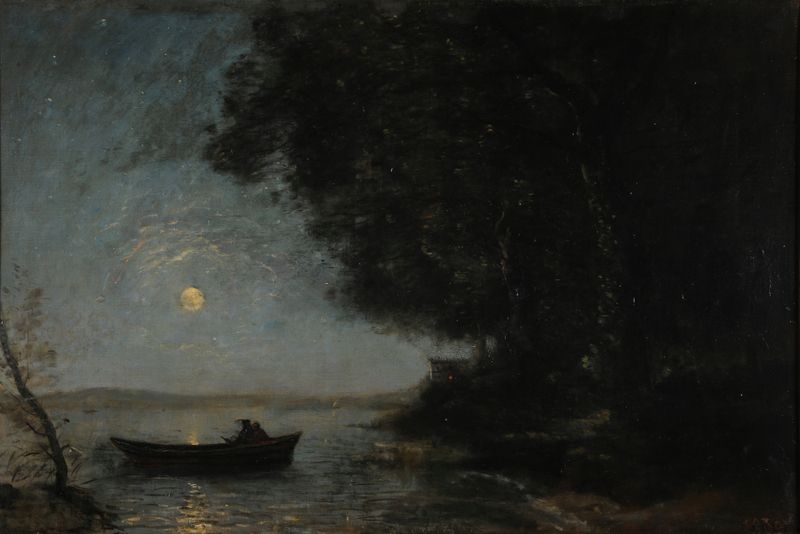
Le lac ; effet de nuit
Jean-Baptiste-Camille Corot
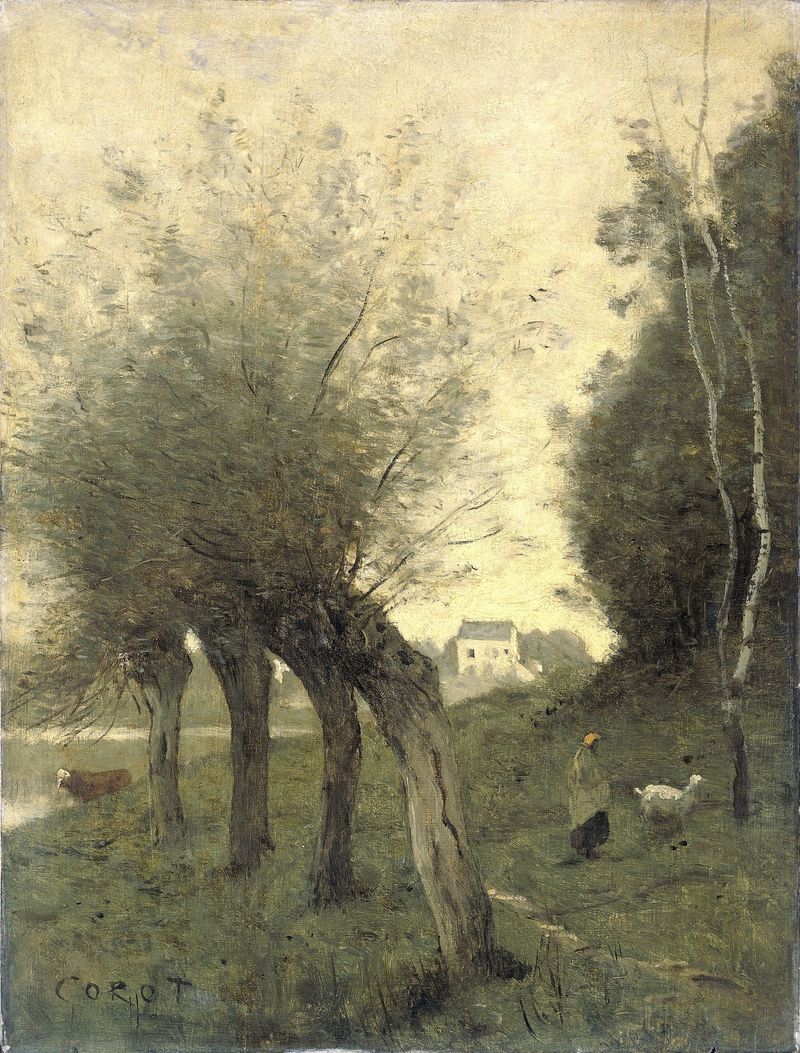
Landscape with Pollard Willows
Jean-Baptiste-Camille Corot
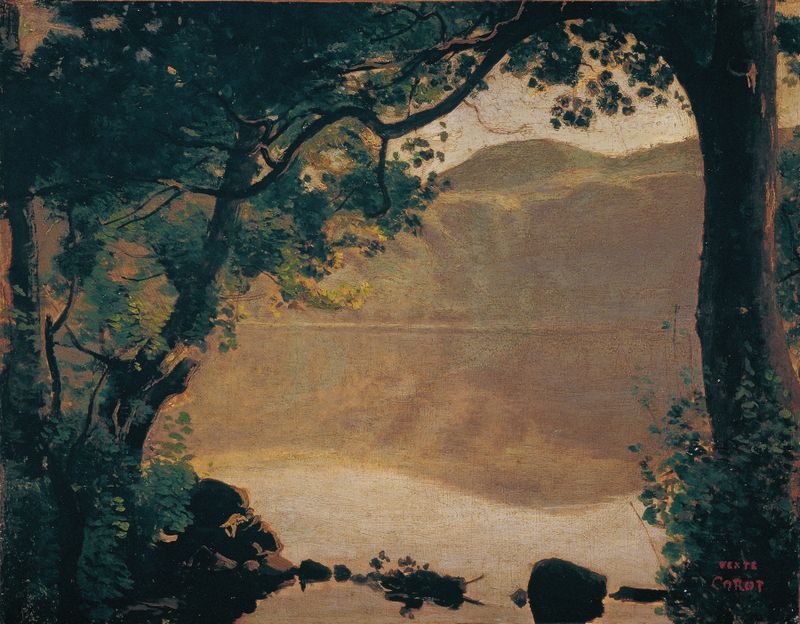
Der Nemisee
Jean-Baptiste-Camille Corot
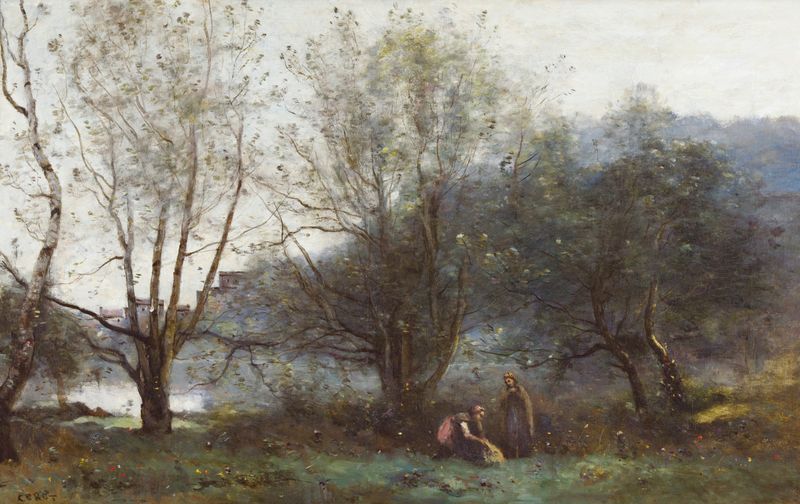
Les Étangs De Ville D’avray
Jean-Baptiste-Camille Corot
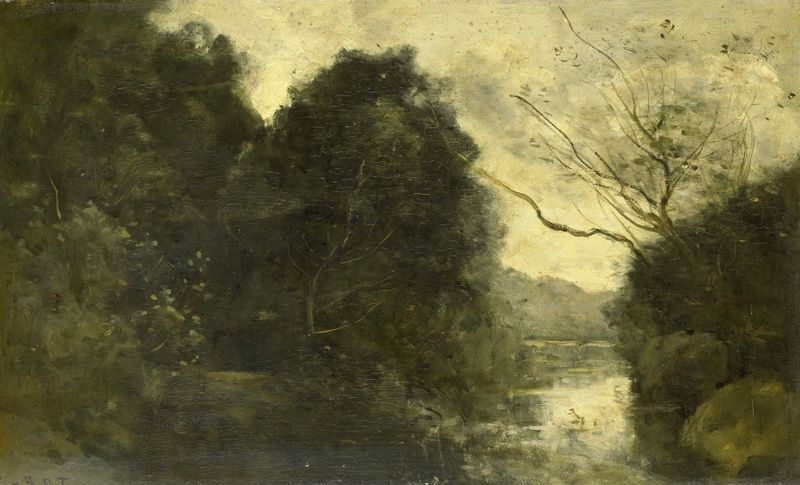
Pond in the Woods
Jean-Baptiste-Camille Corot
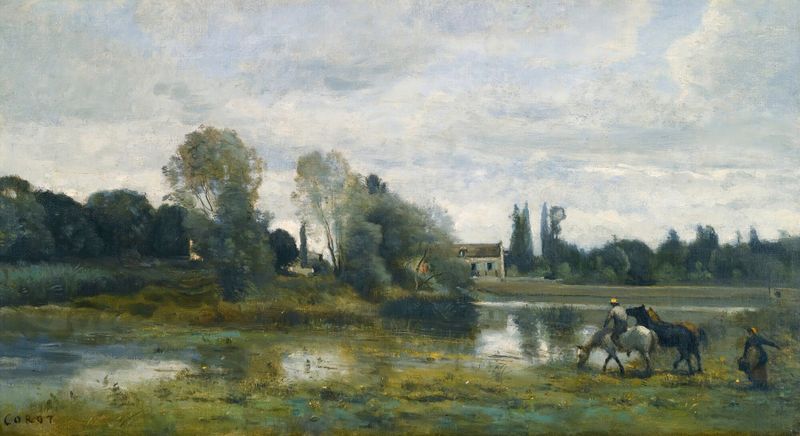
Ville D’avray; L’abreuvoir Des Chevaux
Jean-Baptiste-Camille Corot
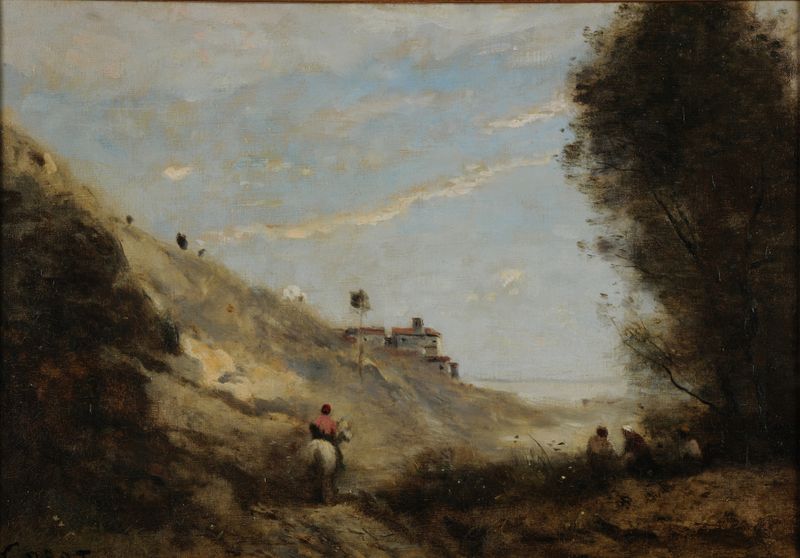
Le vallon au cavalier
Jean-Baptiste-Camille Corot





