
Ville d’Avray, vachère à l’étang — History & Facts
Did the painter know this moment would outlive them? As the brush met canvas, Jean-Baptiste-Camille Corot captured not just a scene but a memory, a whisper of tranquility that resonates through time. Look to the left at the serene figure of the woman, a vachère gently tending to her sheep by the tranquil waters of the pond. The soft greens and earthy browns create a comforting embrace, while dappled sunlight dances across the surface, illuminating the scene with a warm glow. Notice how the reflections in the water mirror the lush foliage above, creating a harmonious relationship between land and sky; the composition invites you to step closer and linger. Beneath its calm exterior, the painting hints at deeper narratives; the juxtaposition of solitude and connection emerges as the woman is both alone and intertwined with nature.
This duality evokes a sense of nostalgia, provoking thoughts of fleeting moments that shape our existence. The gentle ripples on the pond symbolize the passage of time, while the stillness of the scene captures an essence of permanence in an ephemeral world. In the mid-1850s, Corot was immersed in the Barbizon School movement, a period marked by a transitional approach to landscape painting. Working in Ville d’Avray, a small village on the outskirts of Paris, he sought to capture the purity of nature and everyday life.
This era was characterized by a shift towards realism, as artists like Corot sought to instill emotion and memory in their works, breaking away from the grand historical themes of previous generations.
More Artworks by Jean-Baptiste-Camille Corot
Browse all →
View of Genoa
Jean-Baptiste-Camille Corot
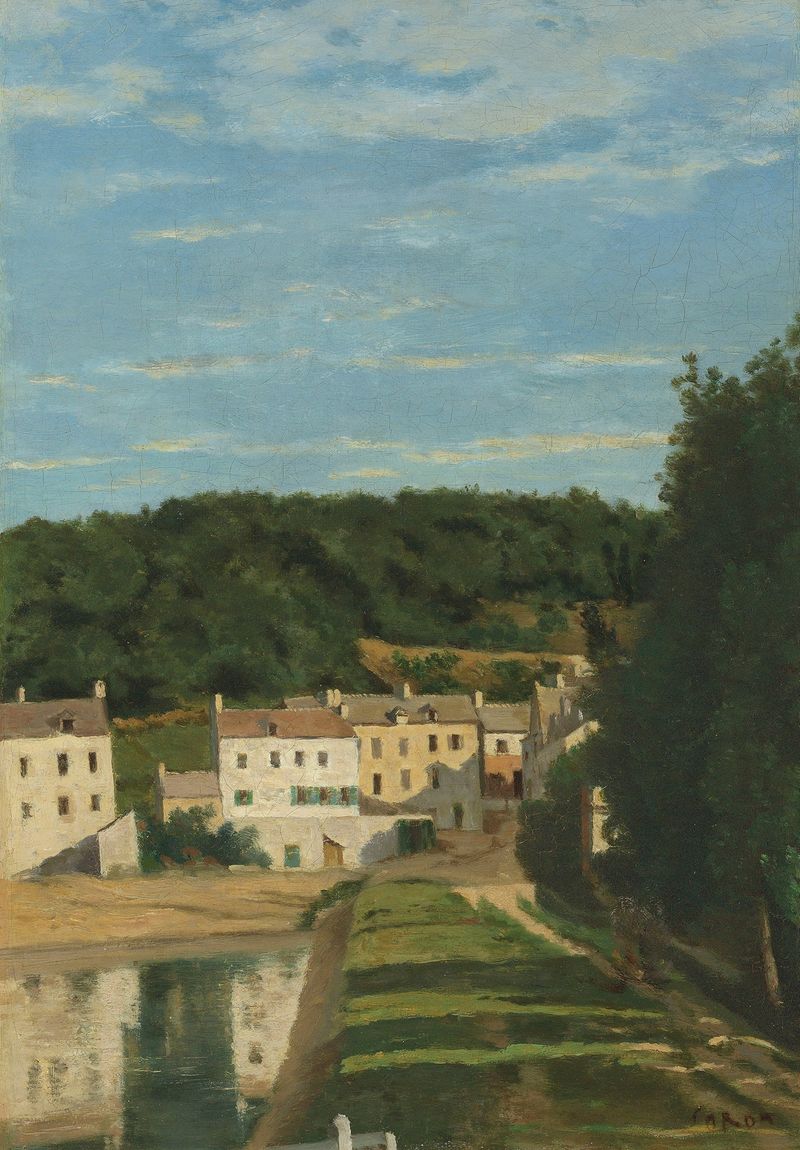
Les Maisons Cabassud À Ville D’avray
Jean-Baptiste-Camille Corot

La solitude. Souvenir de Vigen (Limousin)
Jean-Baptiste-Camille Corot
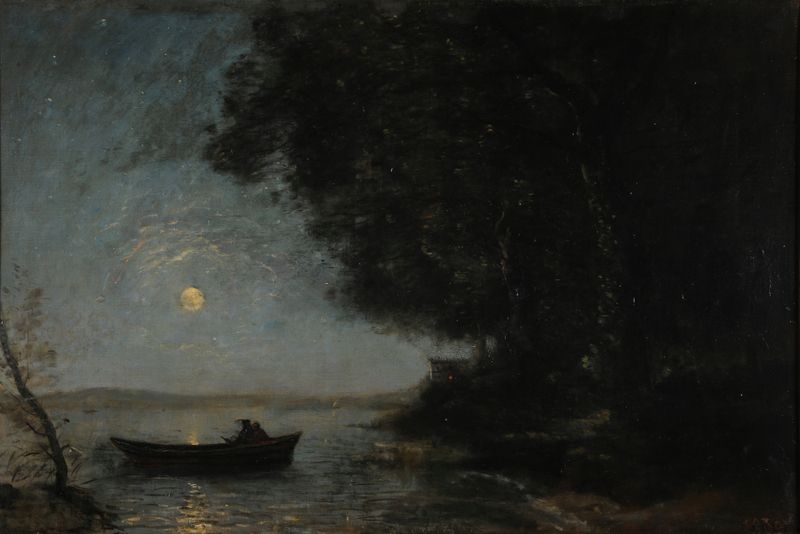
Le lac ; effet de nuit
Jean-Baptiste-Camille Corot
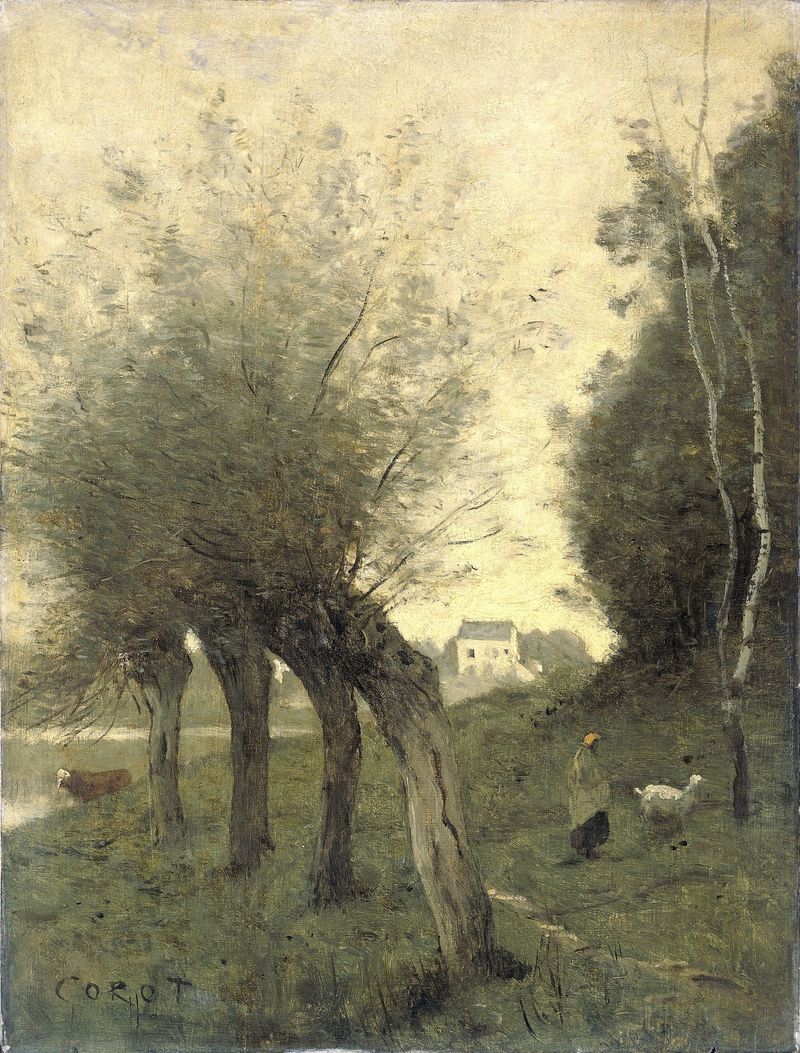
Landscape with Pollard Willows
Jean-Baptiste-Camille Corot
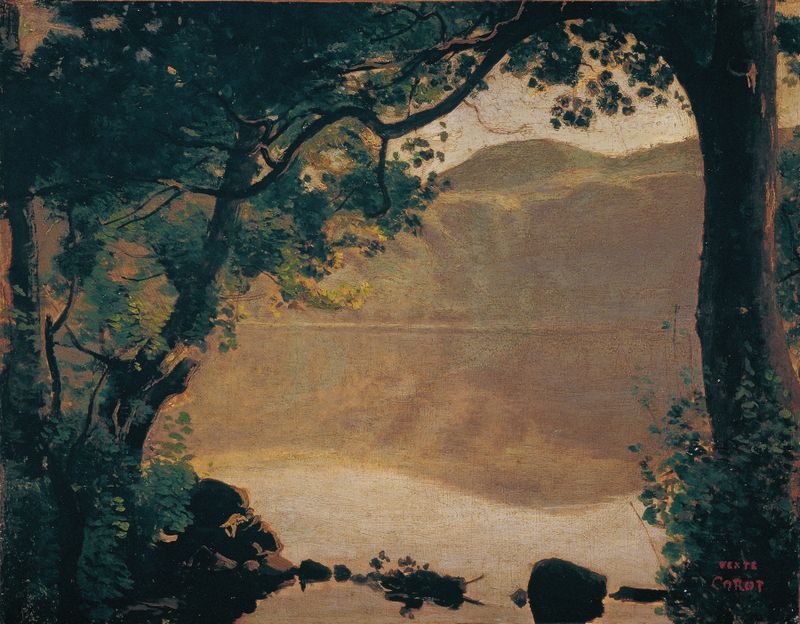
Der Nemisee
Jean-Baptiste-Camille Corot
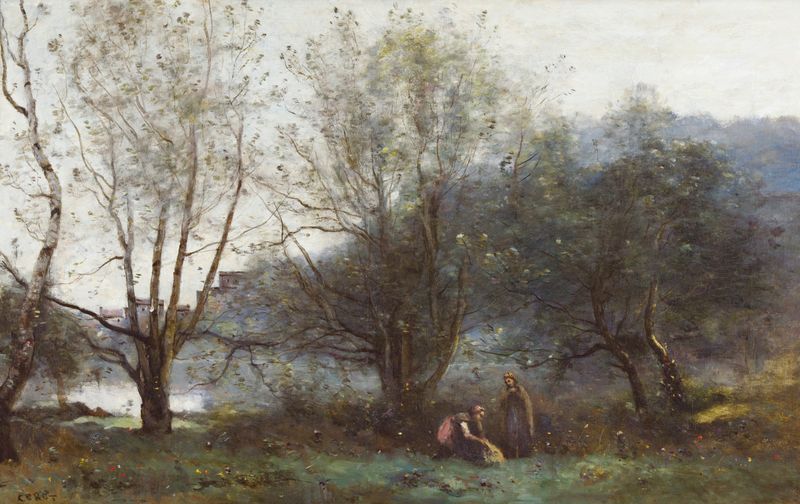
Les Étangs De Ville D’avray
Jean-Baptiste-Camille Corot
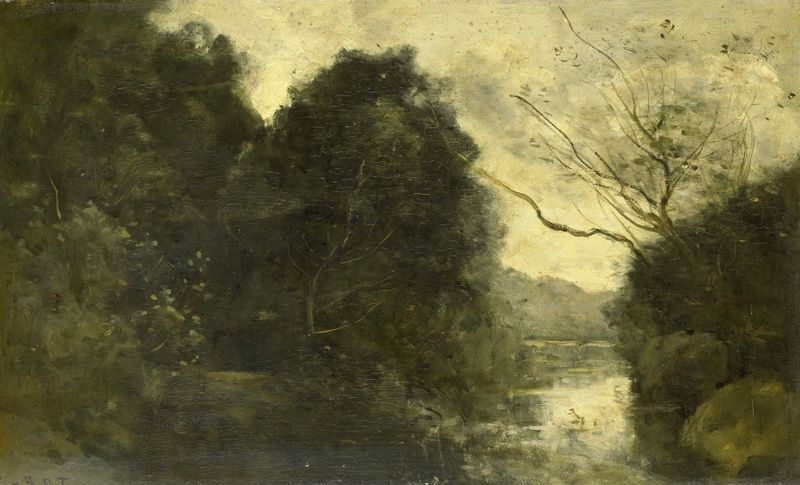
Pond in the Woods
Jean-Baptiste-Camille Corot
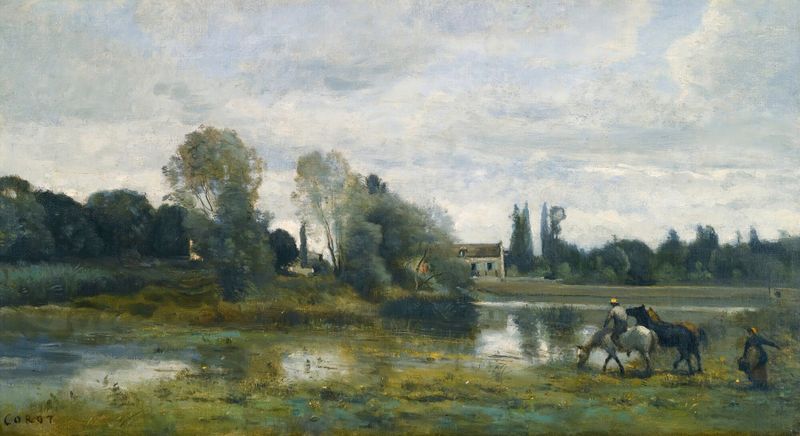
Ville D’avray; L’abreuvoir Des Chevaux
Jean-Baptiste-Camille Corot
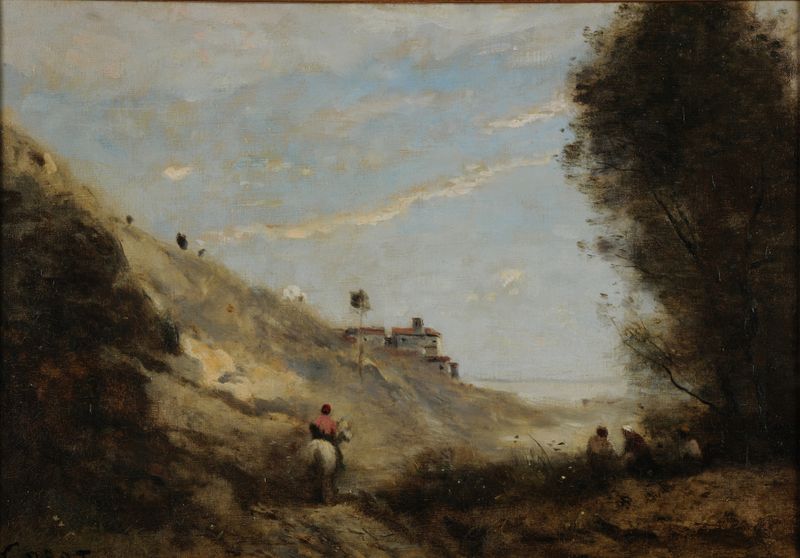
Le vallon au cavalier
Jean-Baptiste-Camille Corot





