
Villebon pond — History & Facts
When did color learn to lie? In a world where every hue carries a whisper of truth or deception, the essence of fragility seems captured at the edge of a serene pond. Focus first on the shimmering surface of the water, where soft blues and greens blend seamlessly, inviting the viewer to ponder. Look closely at the ripples, each one a delicate brushstroke, hinting at the movement just beneath. The surrounding foliage, rendered in gentle strokes, creates a lush border, framing the tranquil scene.
Notice how the light dapples through the leaves, casting intricate patterns that dance upon the water, evoking a sense of fleeting beauty and introspection. Beneath this surface beauty lies a tension between serenity and transience. The delicate interplay of light and shadow suggests a moment poised on the brink of change, reflecting the fragility of existence itself. Each brushstroke conveys both an impression of vitality and an awareness of the ephemeral, as if the colors might dissolve like dreams at dawn.
The vibrant palette resonates with an emotional weight, inviting viewers to consider what is real and what is merely an illusion. In 1902, when this piece was created, the artist was immersed in the vibrant art scene of France, having shifted from Poland to Paris to hone his craft. During this period, the burgeoning Impressionist movement was redefining artistic expression, and Pankiewicz, influenced by his contemporaries, sought to capture fleeting moments of beauty in nature. This artwork reflects not only his personal journey but also a collective exploration of light and color in a rapidly changing world.
More Artworks by Józef Pankiewicz
Browse all →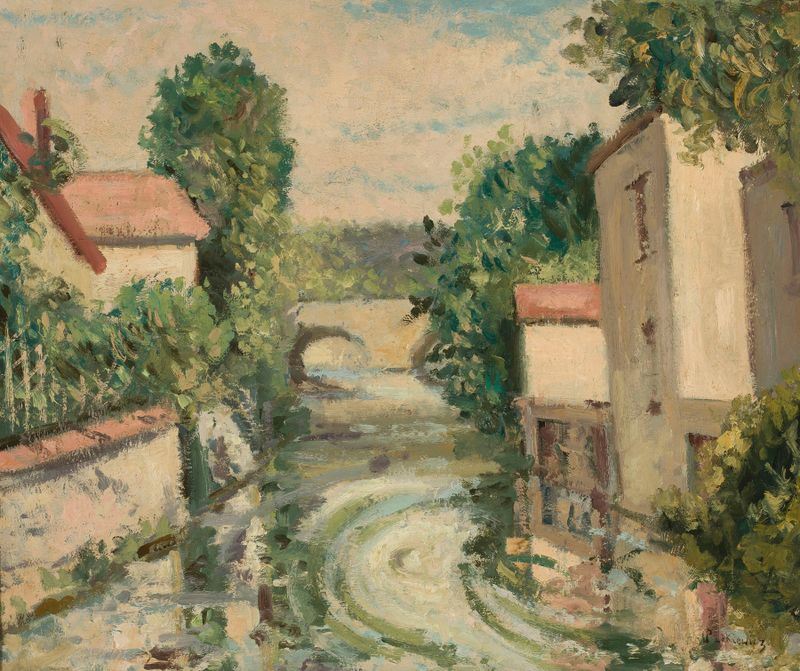
Landscape
Józef Pankiewicz

Cab in the Rain
Józef Pankiewicz
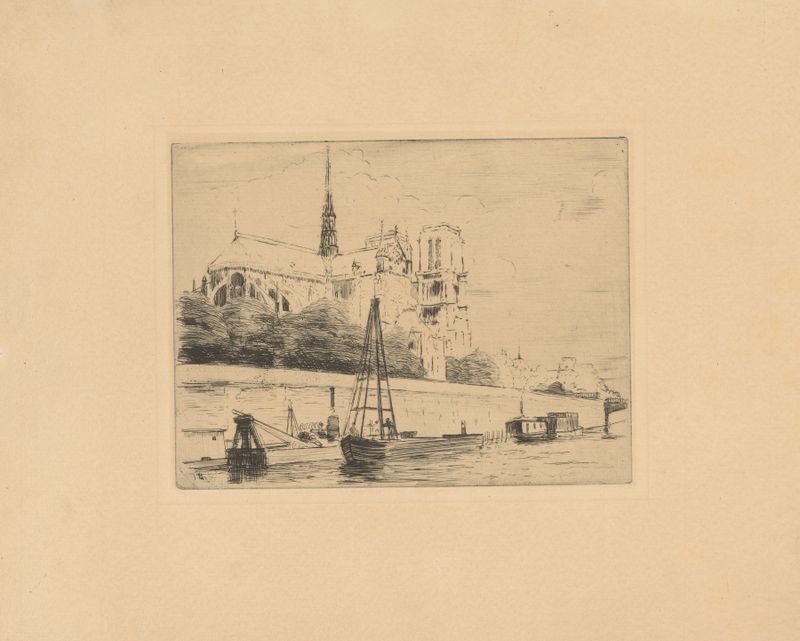
Notre Dame Cathedral in Paris
Józef Pankiewicz
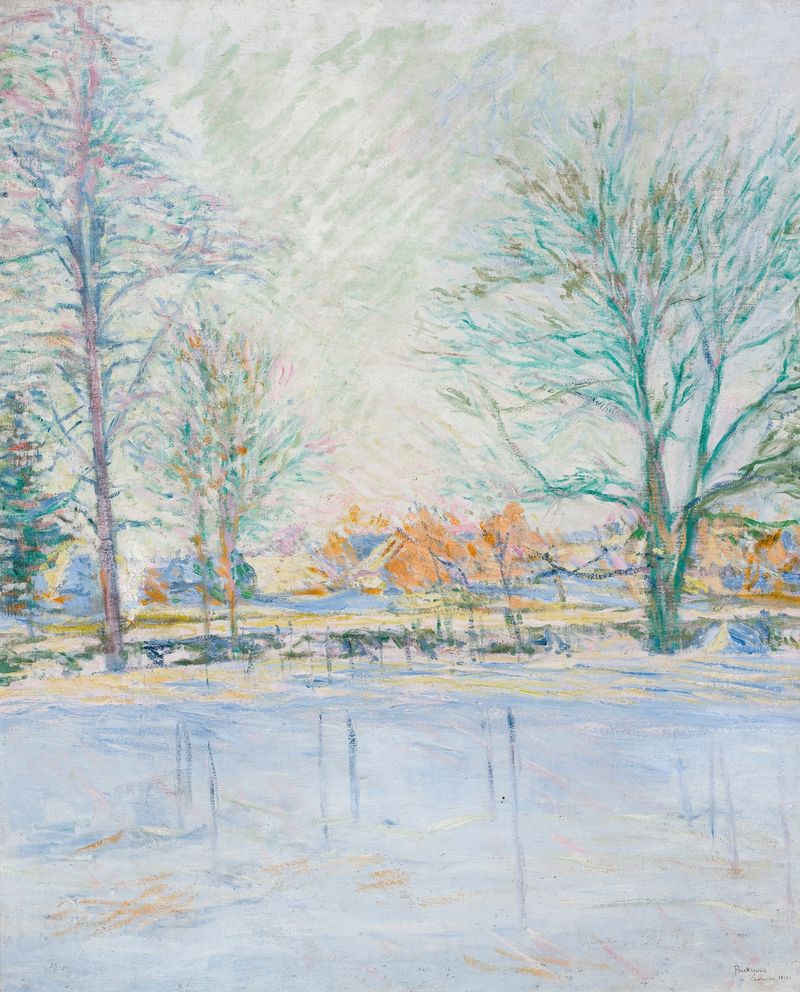
Landscape from Czarnolas
Józef Pankiewicz
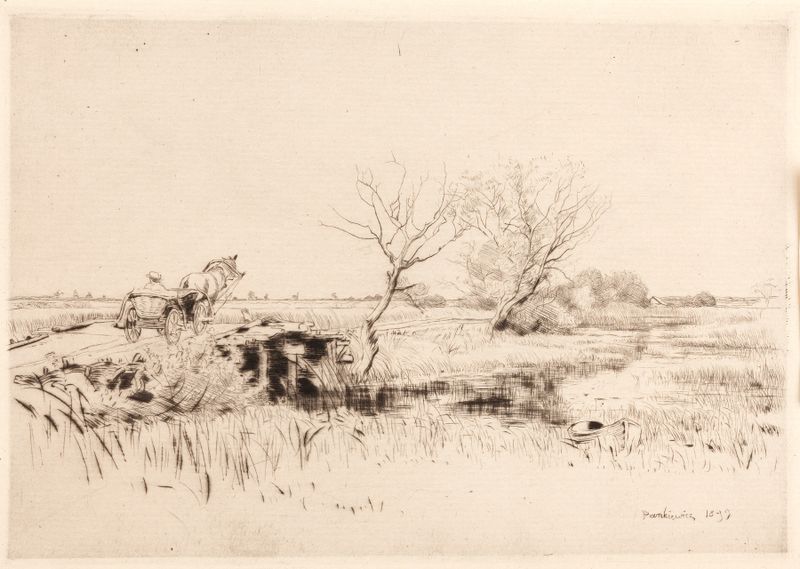
Pińsk Channel in Polesie I
Józef Pankiewicz
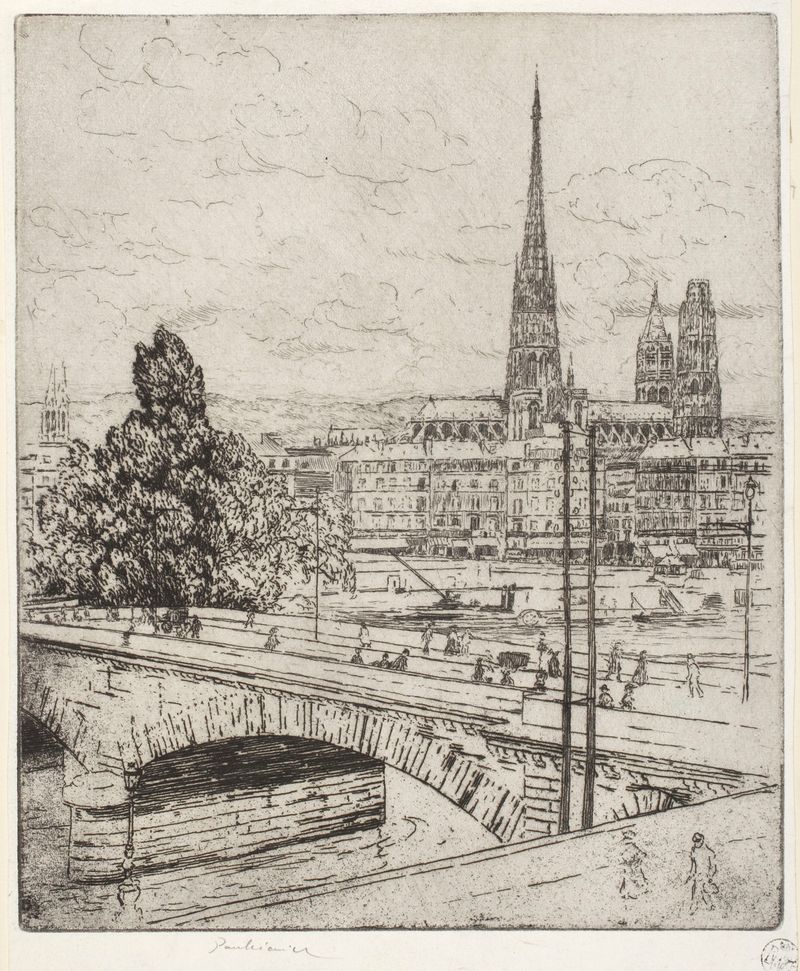
Pont Corneille in Rouen
Józef Pankiewicz
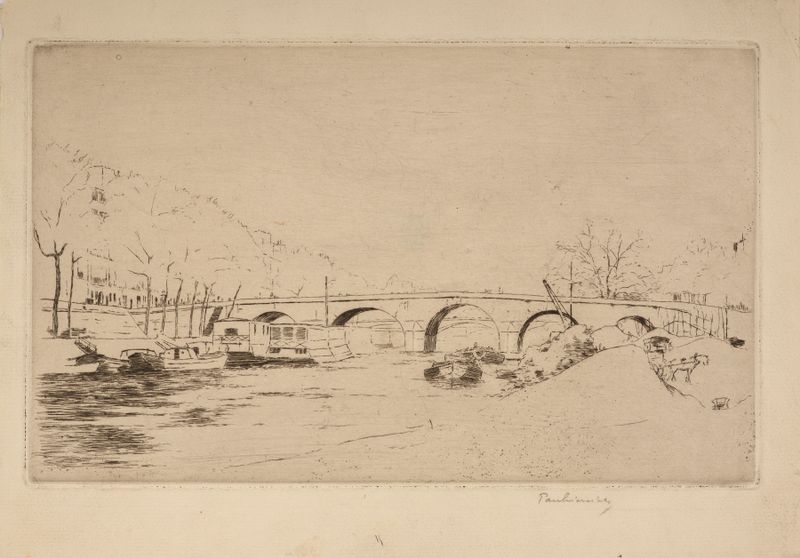
Pont Marie in Paris
Józef Pankiewicz

Rouen – portal from the Church of St Maclou
Józef Pankiewicz
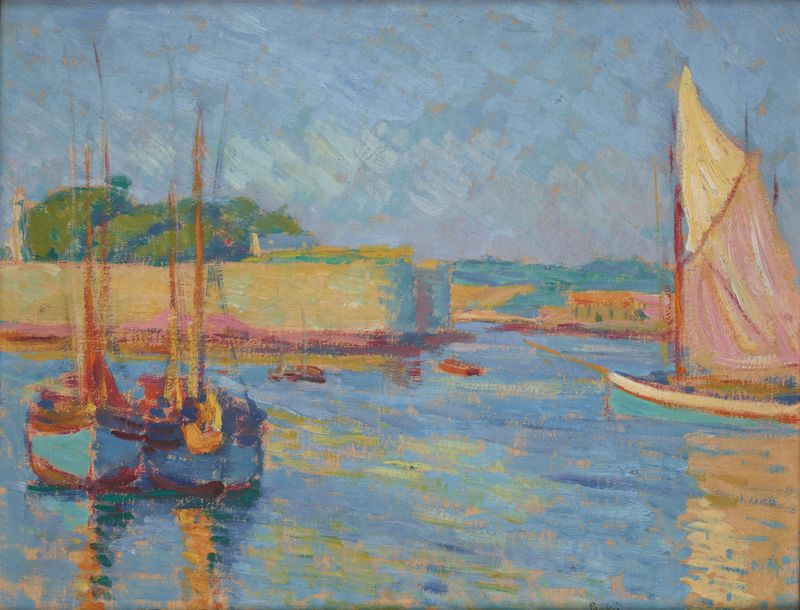
Harbour at Concarneau
Józef Pankiewicz
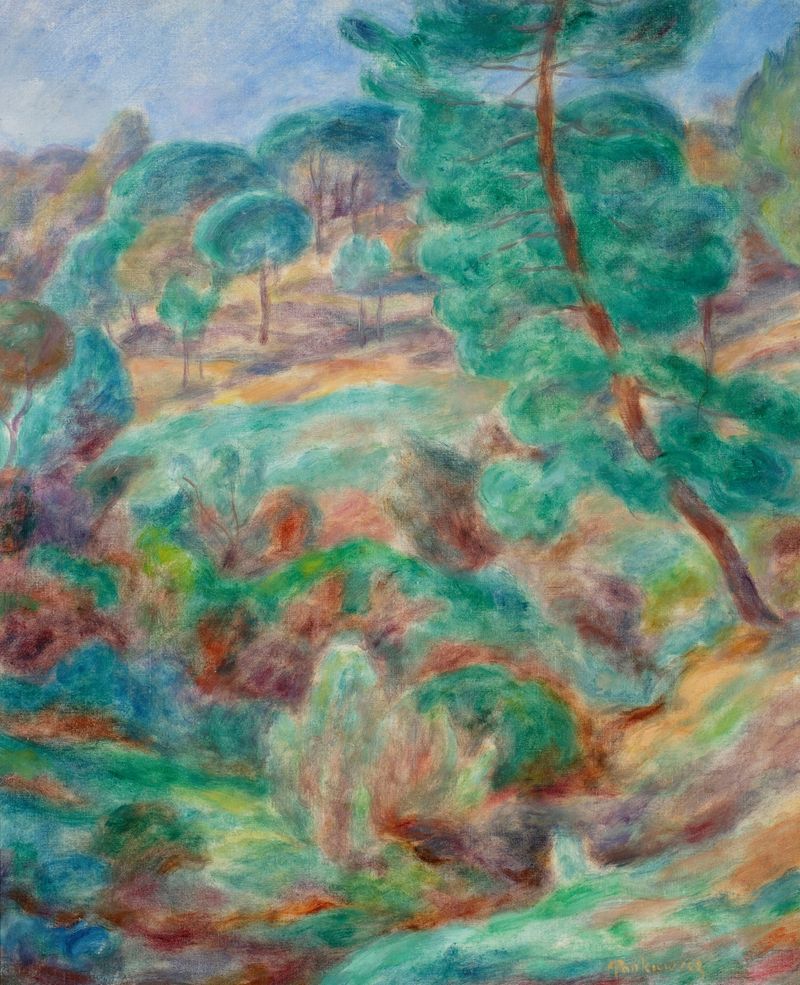
Landscape from Saint-Tropez – Stone pines
Józef Pankiewicz





