Vingerhoedskruid (witte). — History & Facts
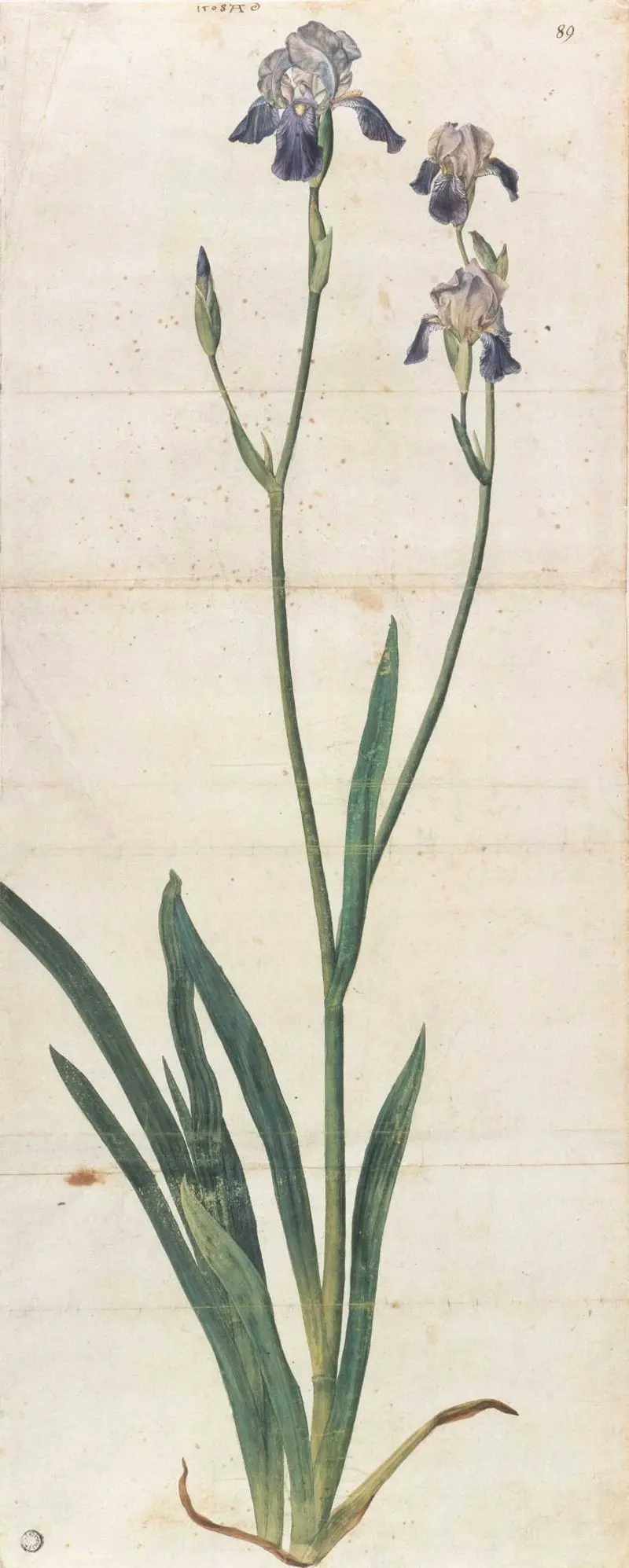
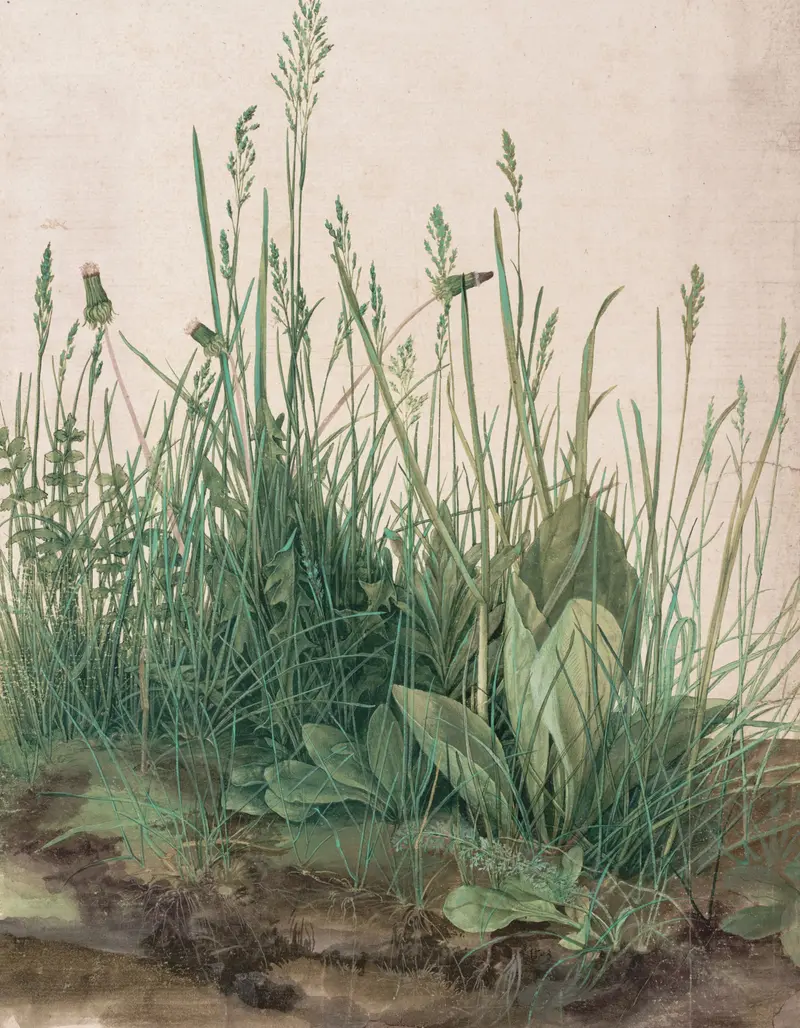
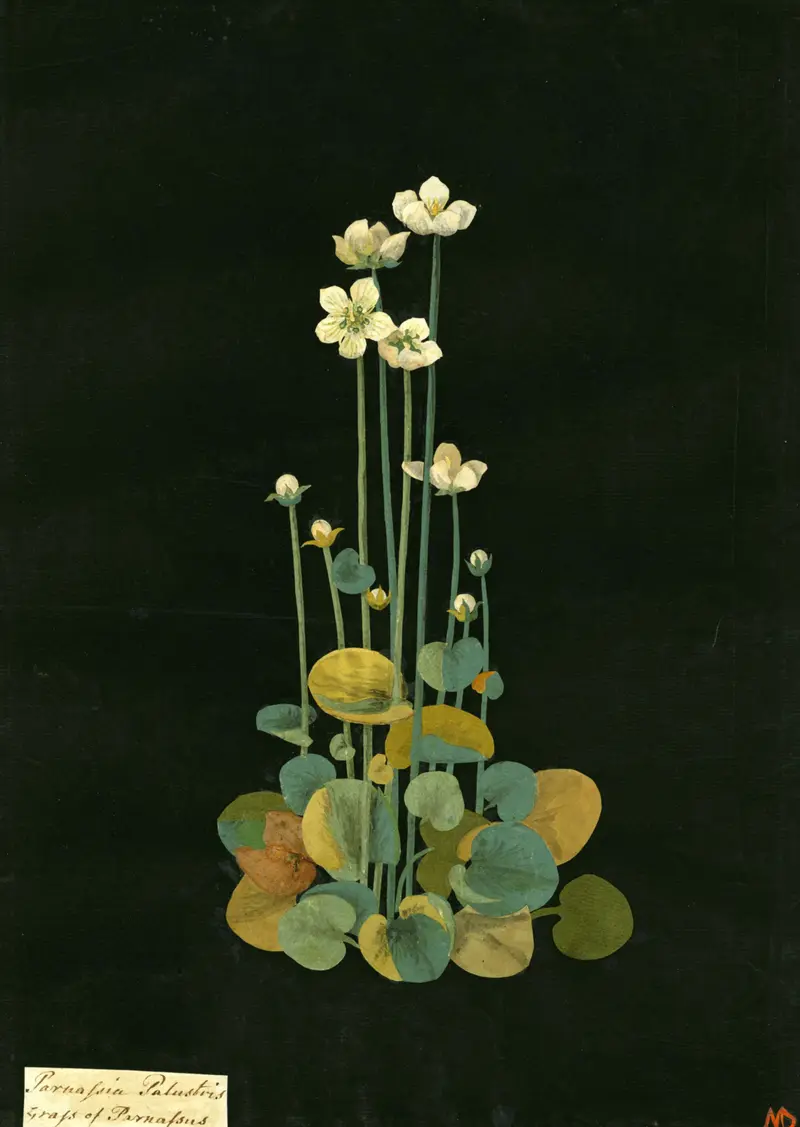
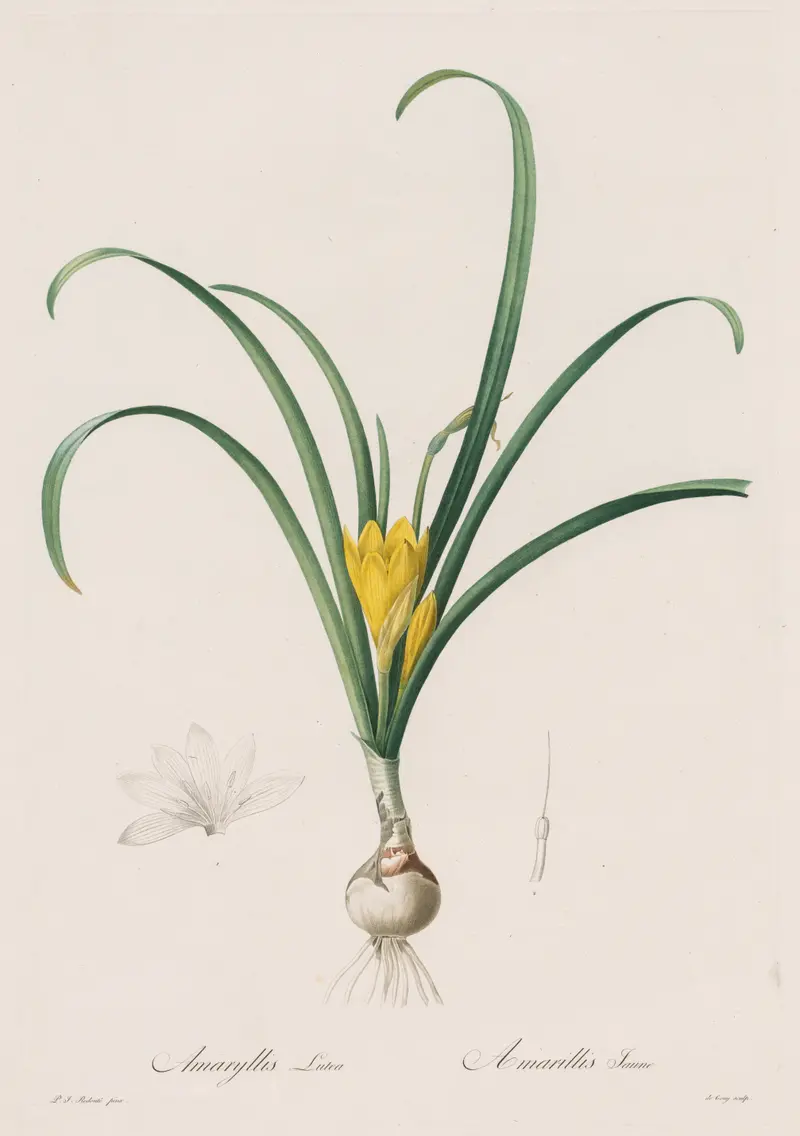
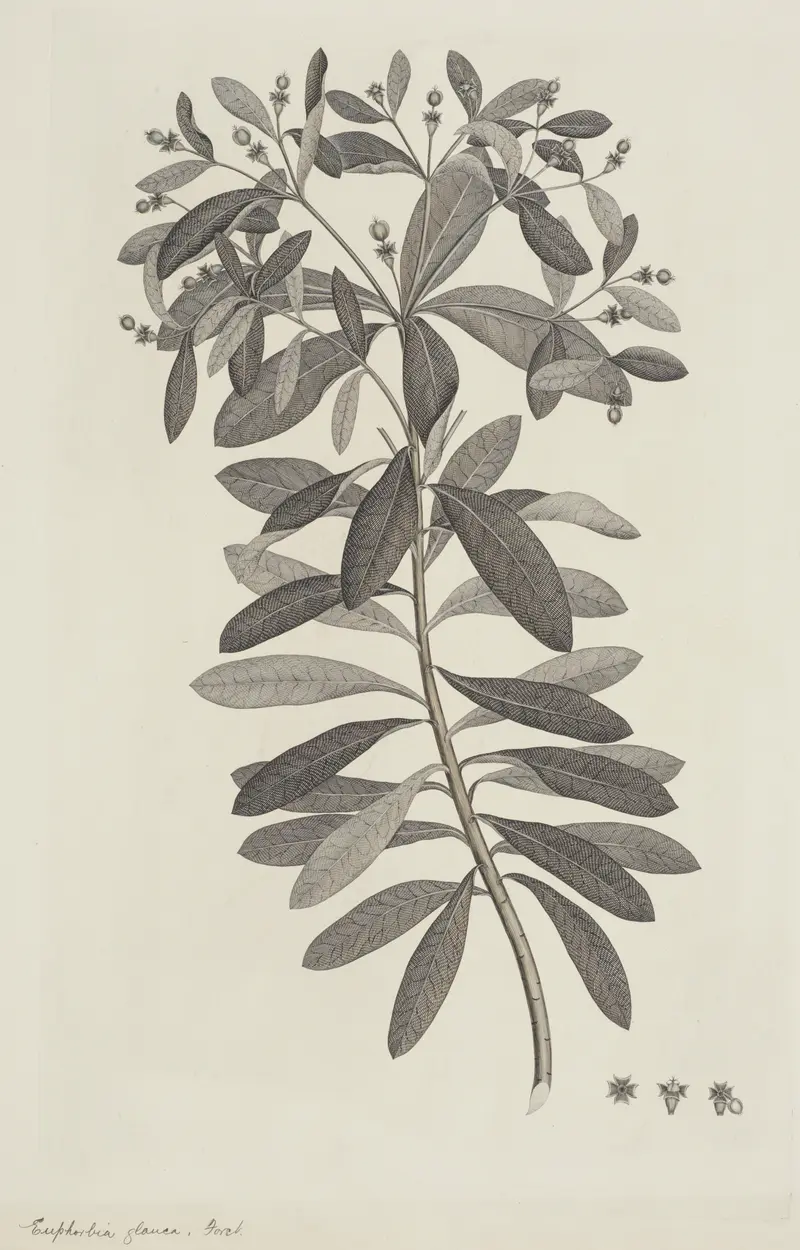
In Vingerhoedskruid (witte), Alfred Ost presents a striking depiction of the plant known as Vingerhoedskruid. The painting features a delicate arrangement of white flowers, set against a soft, muted background. The colors are primarily white and green, with subtle hints of yellow, creating a serene atmosphere.
The composition draws the viewer's eye to the intricate details of the flowers and leaves. The painting is executed in oil on canvas, a medium that allows for rich texture and depth. Ost's attention to detail is evident in the realistic portrayal of the plant, showcasing each petal and leaf with precision. The use of light and shadow enhances the three-dimensional quality of the flowers, making them appear almost lifelike.
This technical skill reflects Ost's background and training as a botanical artist. Alfred Ost was known for his botanical paintings, often focusing on the beauty of plants and flowers. This particular work, created around the early 1900s, exemplifies his commitment to realism in art. An interesting fact about this painting is that it captures the essence of Vingerhoedskruid, a plant that has both aesthetic and medicinal significance.
Ost's ability to blend scientific accuracy with artistic expression makes this piece notable in his oeuvre.
More Artworks by Alfred Ost

Danseres
Alfred Ost

Dansers
Alfred Ost
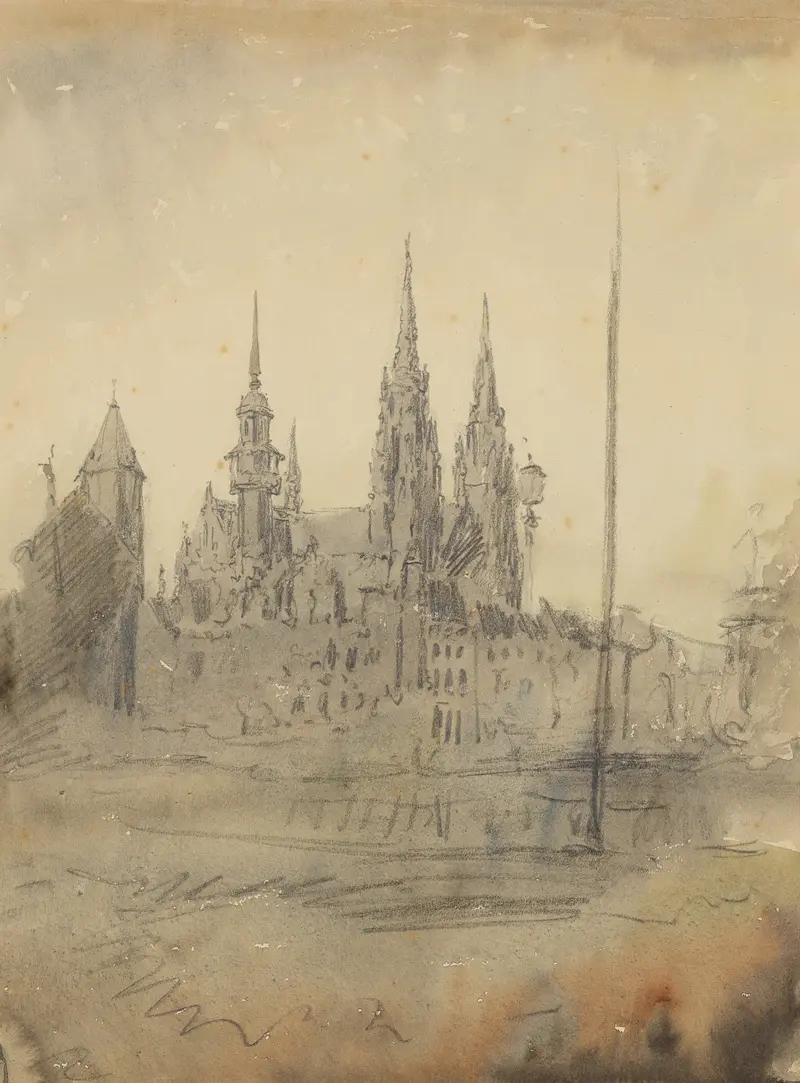
Oostende in de mist
Alfred Ost
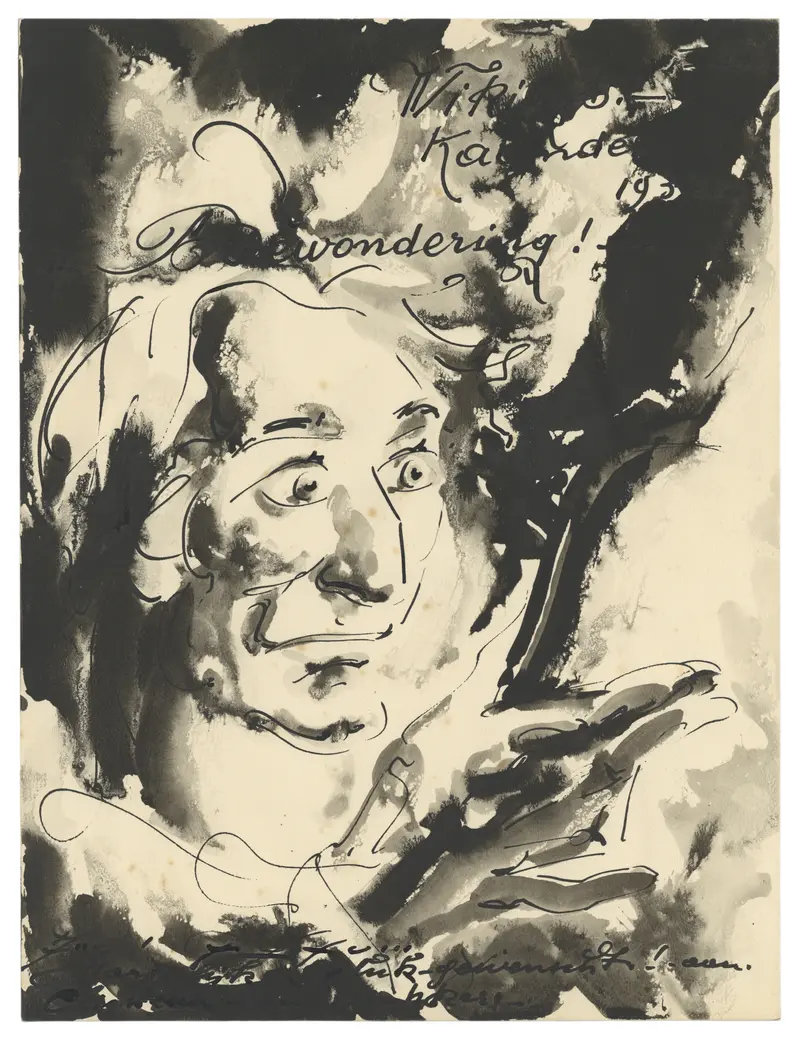
Vikingskalender – II Bewondering
Alfred Ost
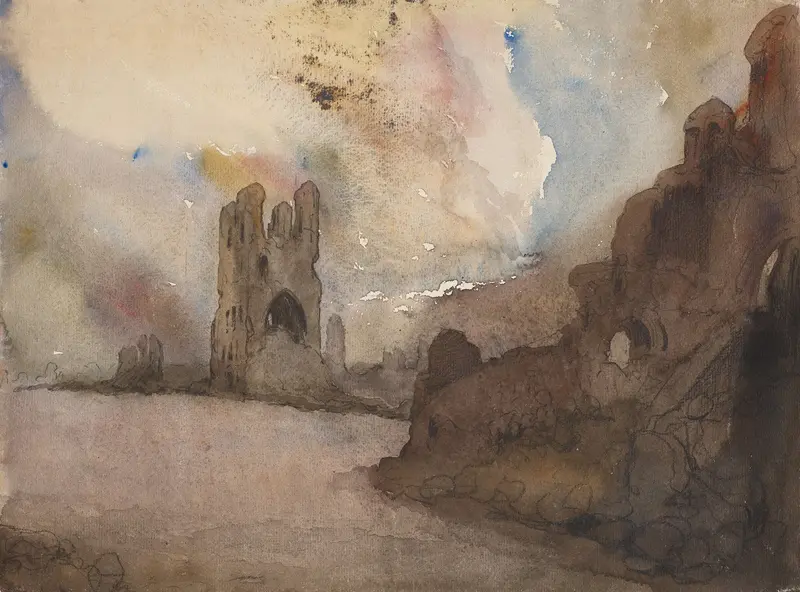
Ypres Remember
Alfred Ost
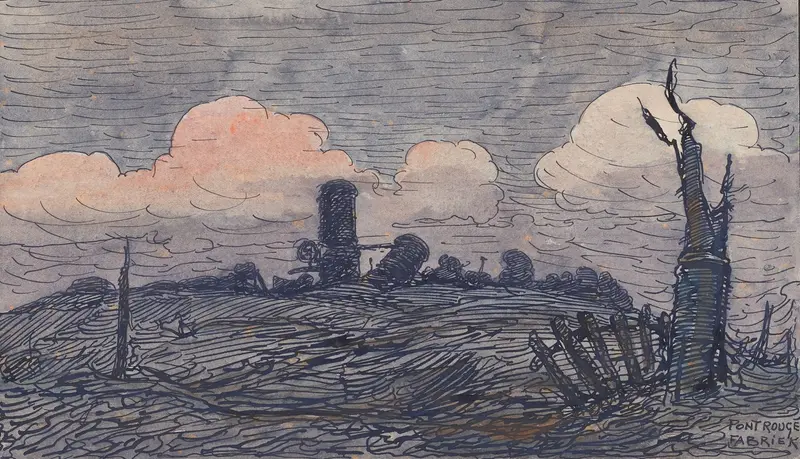
Ypres Remember
Alfred Ost
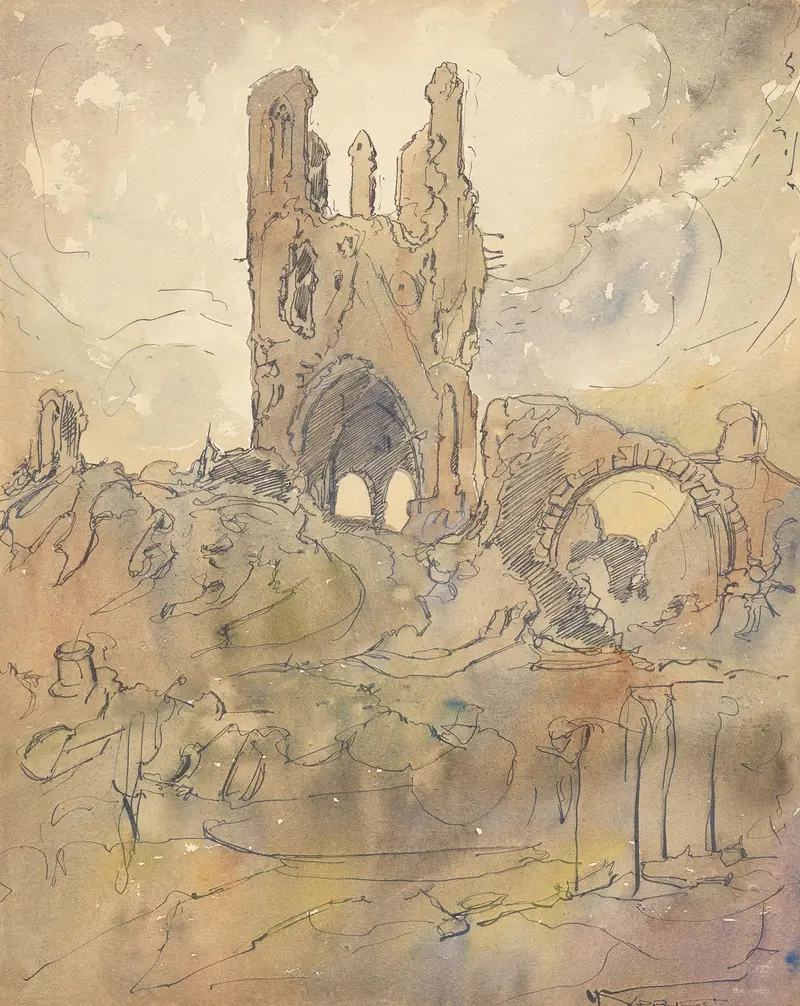
Ypres Remember
Alfred Ost
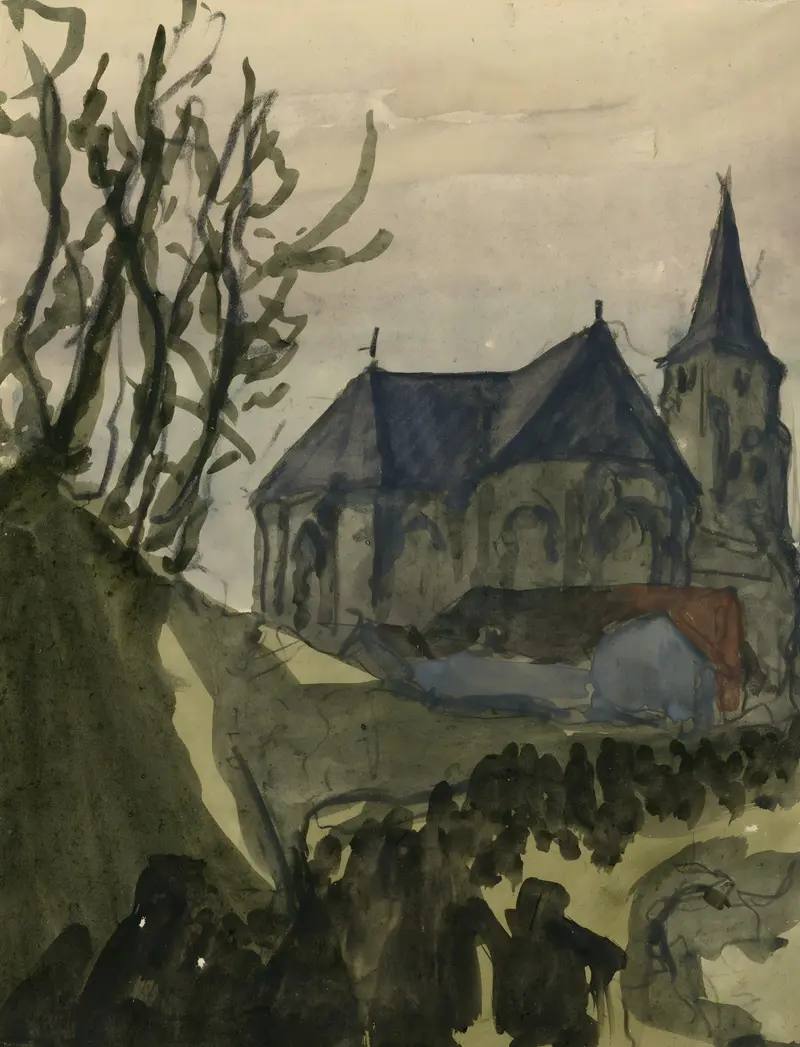
Bedevaarders op weg naar de Sint Salavtorkerk van Hakendover
Alfred Ost
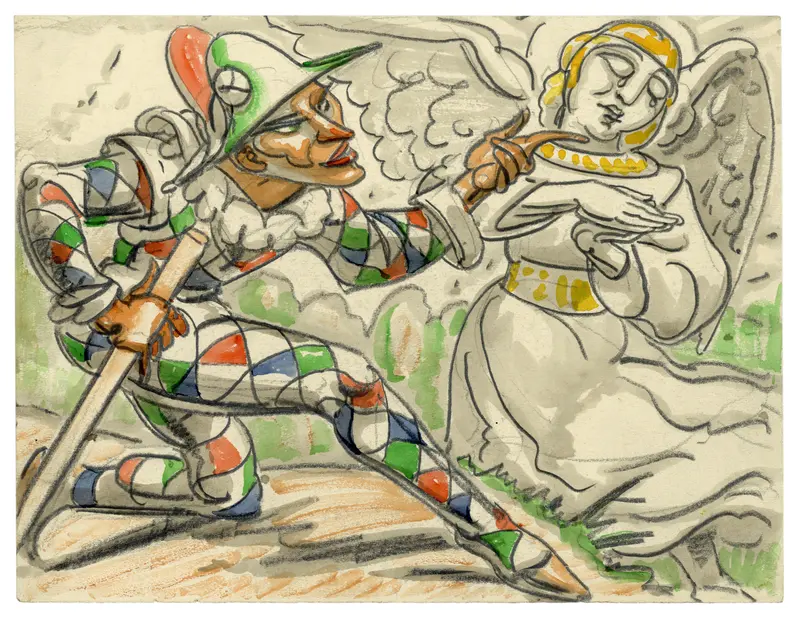
Harlekijn met engel
Alfred Ost

Antwerps havendok
Alfred Ost