
Violet and Blue: The Red Feather — History & Facts
What if beauty was never meant to be finished? In Violet and Blue: The Red Feather, desire and longing seem to intertwine, suggesting a moment captured between reality and ephemeral dream. Look closely at the striking use of color; focus on the vibrant red feather that stands out against the cool blues and delicate violets surrounding it. Notice how the feather draws attention to the figure, almost like an unspoken promise or a hidden yearning. The delicacy of the brushwork contrasts with the boldness of the feather, creating a dialogue between softness and assertiveness, inviting viewers to explore their own emotions. In the subtle haze of the background, layers of color blend seamlessly, hinting at deeper meanings of transience and longing.
The figure’s gaze, slightly turned away, evokes a sense of mystery and unattainability, suggesting that beauty, much like desire, can be both an inspiration and an illusion. This painting transforms a simple object into a vessel of fervent emotion, offering glimpses into the complexities of human experience. Created between 1896 and 1900, Whistler painted this work during a period of personal exploration and artistic evolution, amidst the backdrop of the American avant-garde. He sought to distance himself from the constraints of traditional representation, embracing a more abstract approach that prioritized mood and harmonies of color.
By this time, he was well-regarded in both Europe and America, yet continued to push the boundaries of his artistic vision.
More Artworks by James Abbott McNeill Whistler
Browse all →
Nocturne in Blue and Silver
James Abbott McNeill Whistler
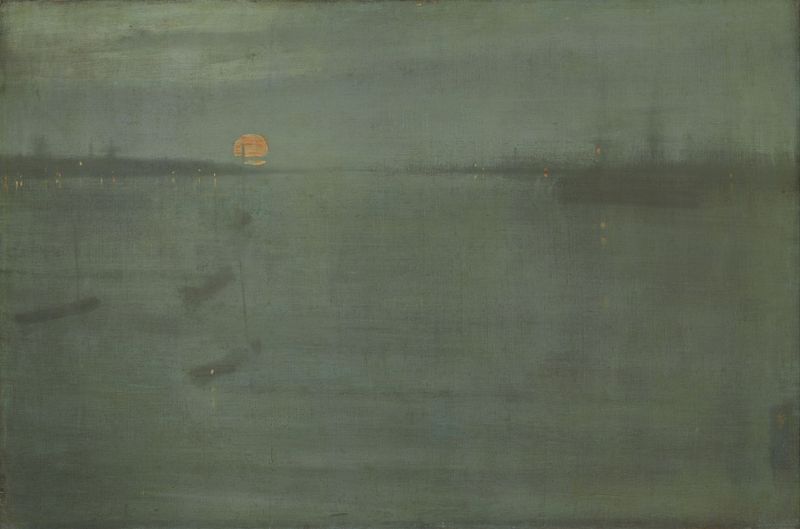
Nocturne: Blue and Gold–Southampton Water
James Abbott McNeill Whistler
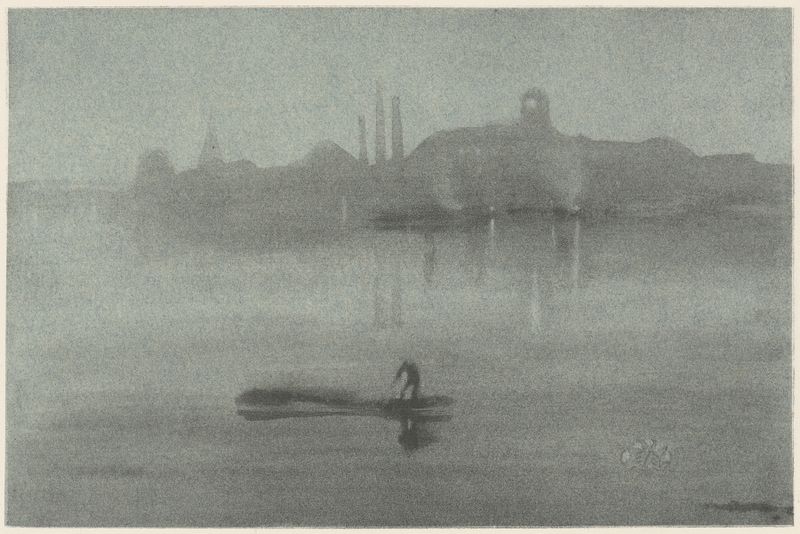
Nocturne
James Abbott McNeill Whistler
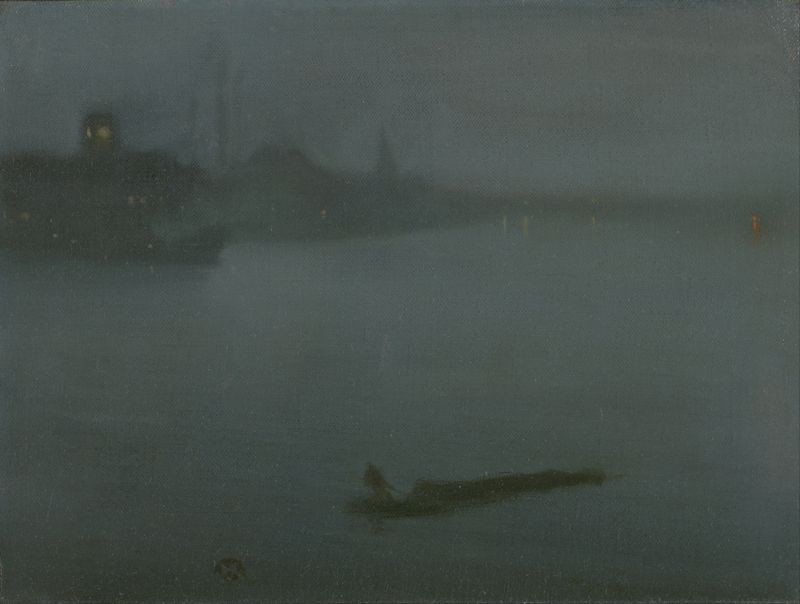
Nocturne in Blue and Silver
James Abbott McNeill Whistler
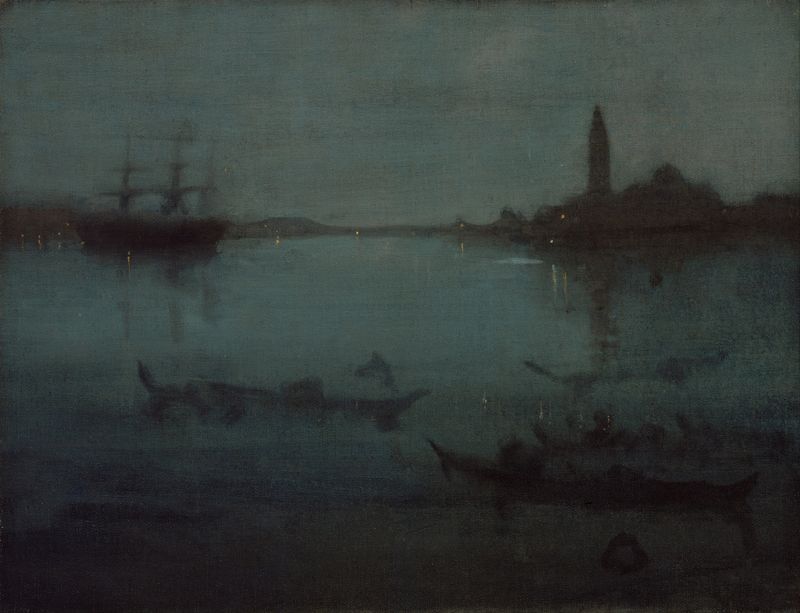
Nocturne in Blue and Silver- The Lagoon, Venice
James Abbott McNeill Whistler
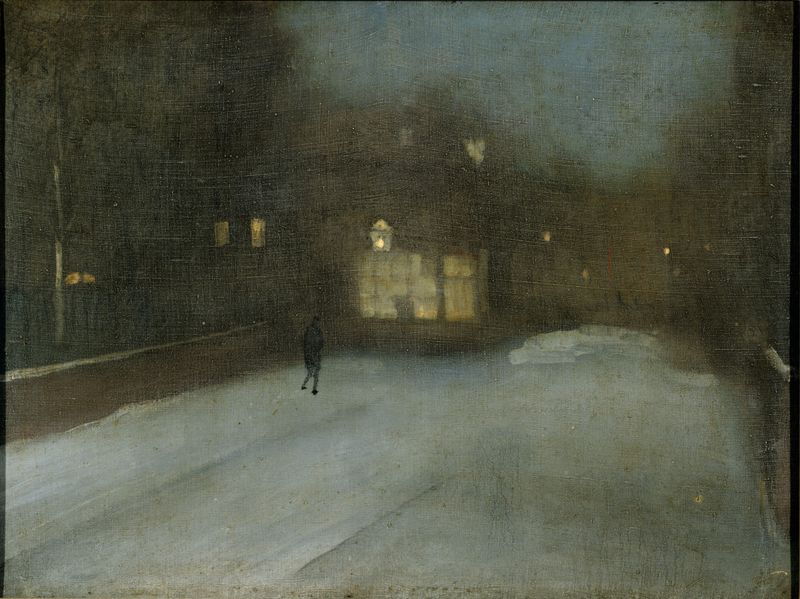
Nocturne in Grey and Gold: Chelsea Snow
James Abbott McNeill Whistler
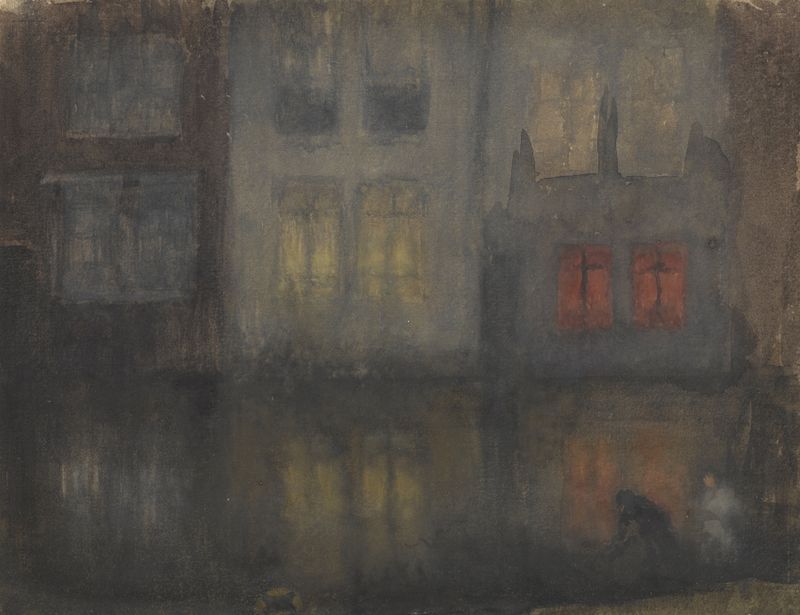
Nocturne: Black and Red—Back Canal, Holland
James Abbott McNeill Whistler
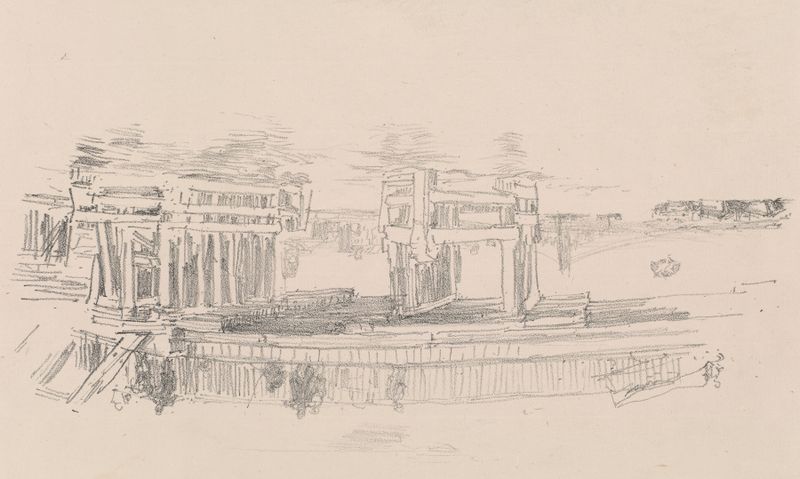
Old Battersea Bridge
James Abbott McNeill Whistler

Nocturne: Blue and Silver–Battersea Reach
James Abbott McNeill Whistler
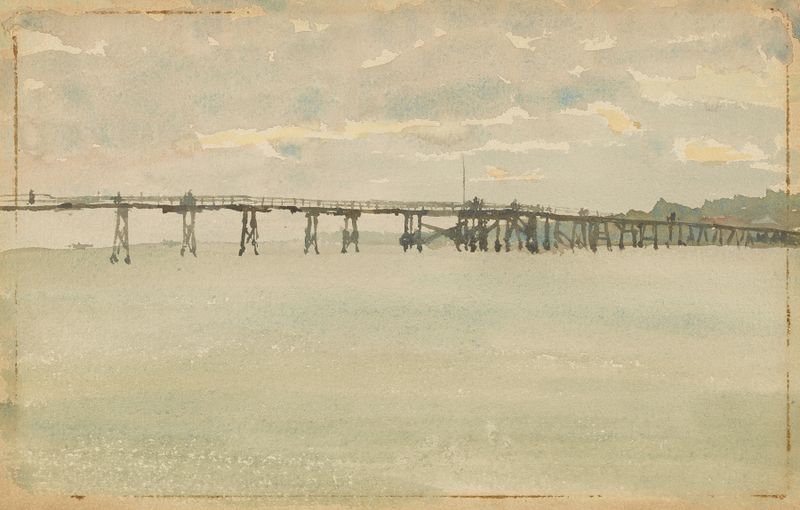
Grey and Silver–Pier, Southend
James Abbott McNeill Whistler





