
Violet Lindsay — History & Facts
When did color learn to lie? In Violet Lindsay, George Frederic Watts captures a moment that bleeds chaos into beauty, illuminating the fragility of perception. Look closely at the swirling hues that encircle the figure, the rich purples and deep blues bleeding into one another, creating a sense of movement. Notice how the light dances across the woman's face, framing her serene expression against the tumultuous background. The composition is thoughtfully orchestrated; the figure's stillness contrasts sharply with the vivid chaos that seems to pulse behind her, drawing the viewer's eye in a whirlpool of emotional complexity. As you explore the painting, consider the tension between the calm demeanor of the subject and the wildness of her surroundings.
The use of color transcends mere representation, evoking an emotional discord that suggests internal struggle and chaos within an otherwise placid exterior. The delicate brushwork and interplay of shades challenge the viewer to confront the dissonance between reality and illusion, revealing how chaos can exist beneath the surface of composure. Watts painted this work around 1881, at a time when he was deeply engaged with symbolist ideas, aiming to convey profound emotional narratives through art. Living in London, he was influenced by the burgeoning movement that sought to express the complexities of human experience, a reflection of both his life and the shifting tides in the art world.
This period marked a pivotal moment in his career, as he strived to intertwine beauty with deeper philosophical inquiries.
More Artworks by George Frederic Watts
Browse all →
Sir Galahad
George Frederic Watts

The Genius of Greek Poetry
George Frederic Watts

Ariadne
George Frederic Watts
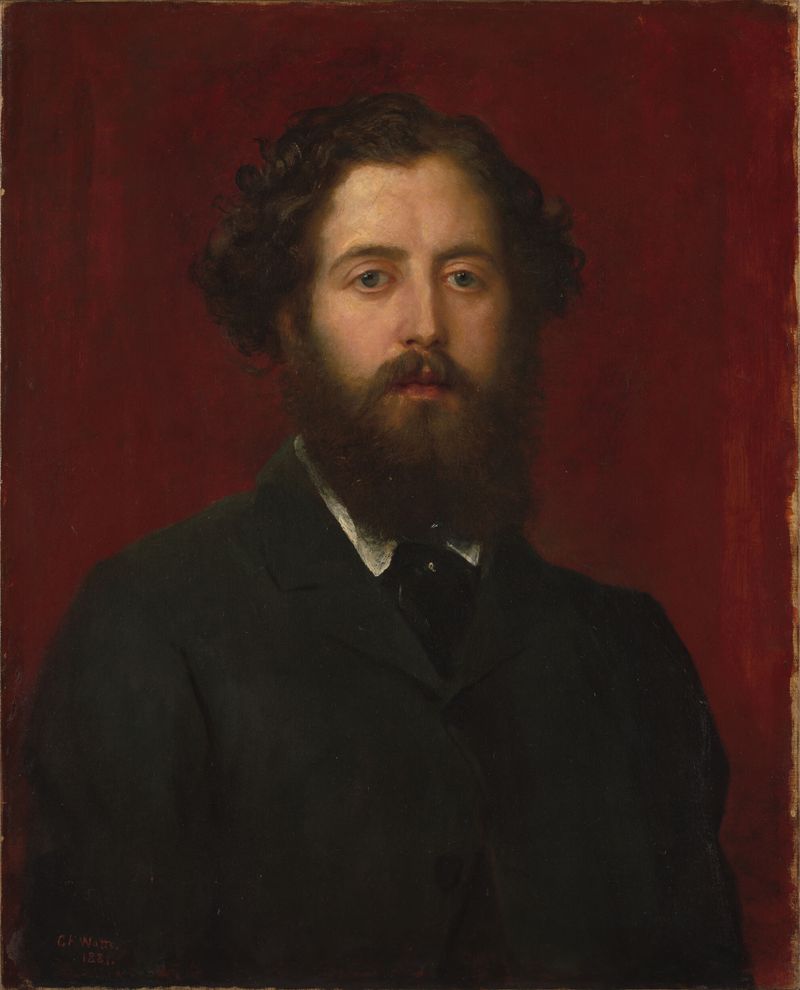
Portrait of a Man
George Frederic Watts

A Bacchanal
George Frederic Watts

The Creation of Eve
George Frederic Watts

Escaped
George Frederic Watts
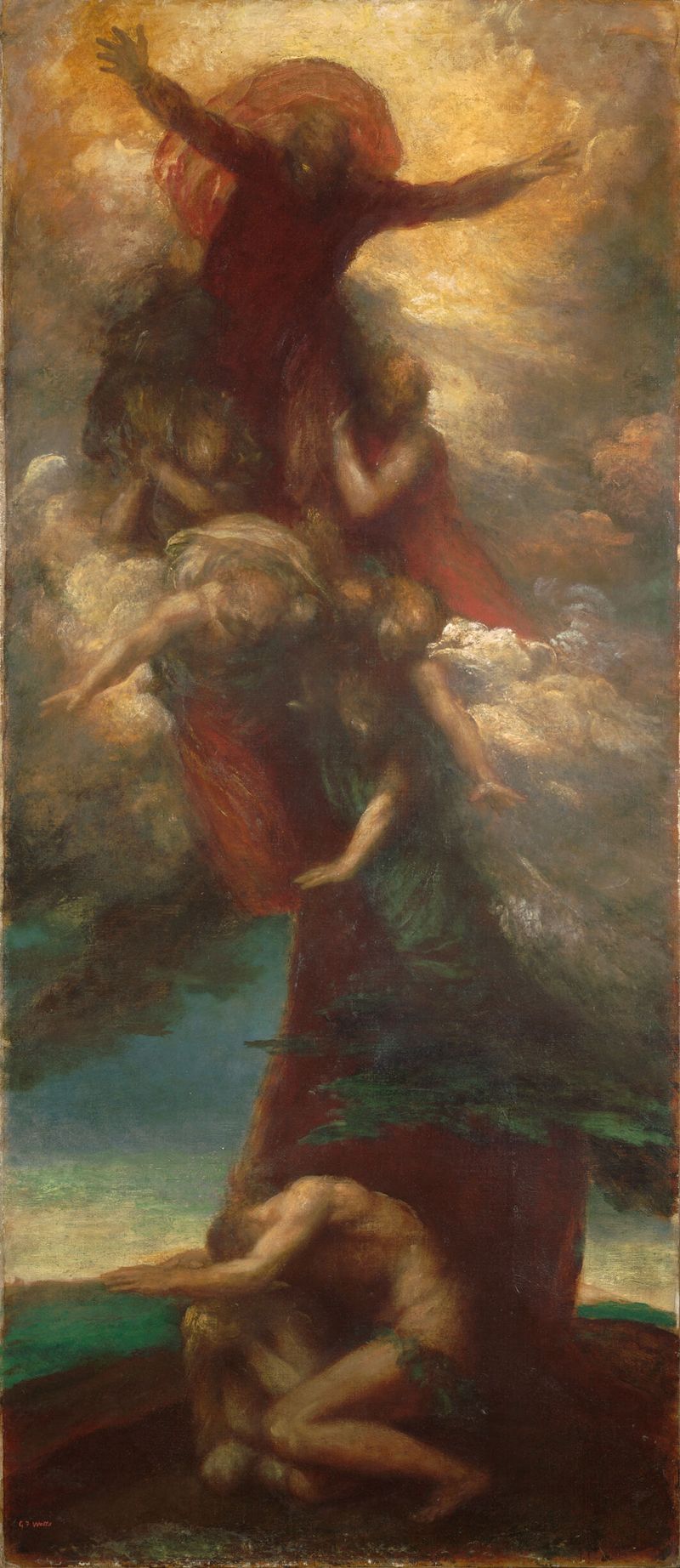
The Denunciation of Adam and Eve
George Frederic Watts

A Bacchante
George Frederic Watts

Orpheus and Eurydice
George Frederic Watts
More Portrait Art
Browse all →
Las meninas
Diego Velázquez

Self-portrait with a Bandaged Ear and Pipe
Unidentified artist

Girl with a Pearl Earring
Johannes Vermeer

The Sampling Officials of the Amsterdam Drapers’ Guild, Known as ‘The Syndics’
Rembrandt van Rijn

The Hundred Guilder Print: the man seen on the back in the lower left corner
Rembrandt van Rijn

Portrait of Dr Gachet
Vincent van Gogh