Ariadne — History & Facts
Could beauty survive in a century of chaos? In George Frederic Watts' Ariadne, this question lingers within the silent void that envelops the figure at its center. Focus first on the expression of the lone woman, her gaze both distant and contemplative. The soft, muted palette underscores her isolation, with layers of gentle earth tones that blend into one another, evoking a sense of melancholic harmony. Notice how the interplay of light and shadow caresses her form, illuminating her delicate features while veiling the surrounding emptiness.
The draping fabric around her is rendered with fluidity, inviting the viewer to appreciate the contrast between the ethereal and the tangible. This painting encapsulates the stark emotional tension between beauty and despair. The figure of Ariadne, a symbol of abandonment and longing, stands in contrast to the solitude surrounding her. The absence of a visible anchor—a ship or an island—deepens the sensation of emptiness, suggesting a profound sense of loss.
The faint outlines of her surroundings hint at a world that feels both familiar and hauntingly distant, reflective of a broader existential crisis that resonates throughout the piece. Created between 1888 and 1890, Ariadne emerged during a transformative period for Watts, who was grappling with the philosophical undercurrents of the time. As the world faced industrialization and rapid change, he sought to express deeper emotional truths in his work. The painting reflects not only his personal journey but also the broader artistic movement toward symbolist themes, art that delves into the inner workings of the human experience amidst an increasingly chaotic world.
More Artworks by George Frederic Watts
Browse all →
Sir Galahad
George Frederic Watts

Violet Lindsay
George Frederic Watts

The Genius of Greek Poetry
George Frederic Watts
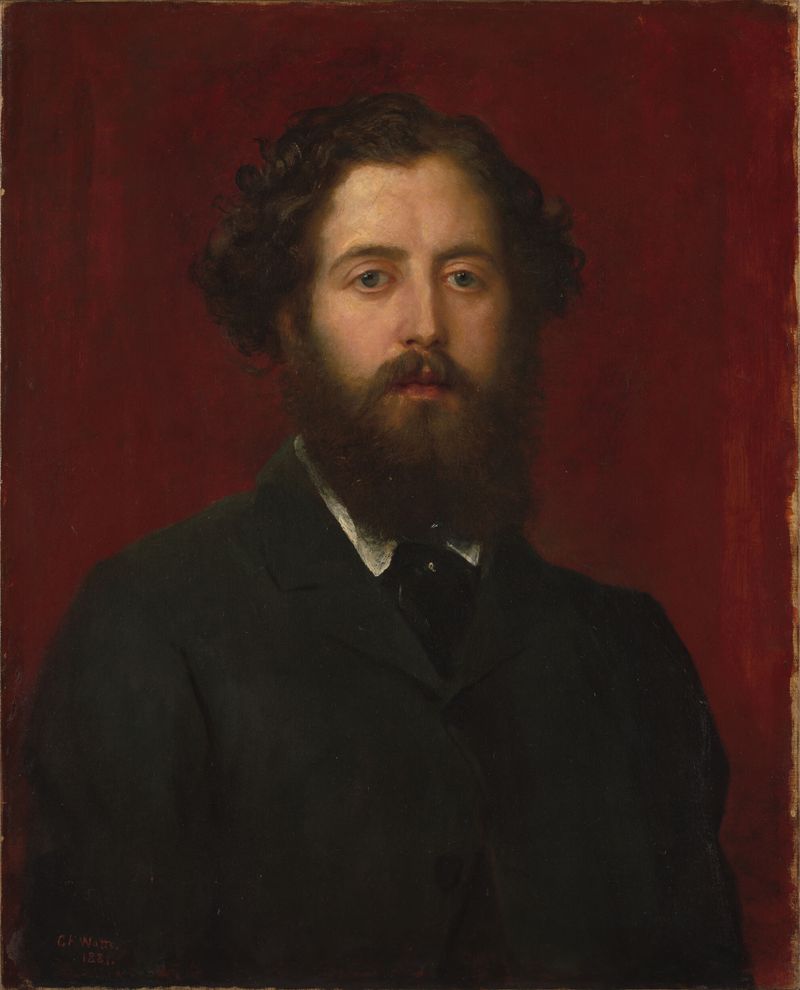
Portrait of a Man
George Frederic Watts

A Bacchanal
George Frederic Watts

The Creation of Eve
George Frederic Watts

Escaped
George Frederic Watts
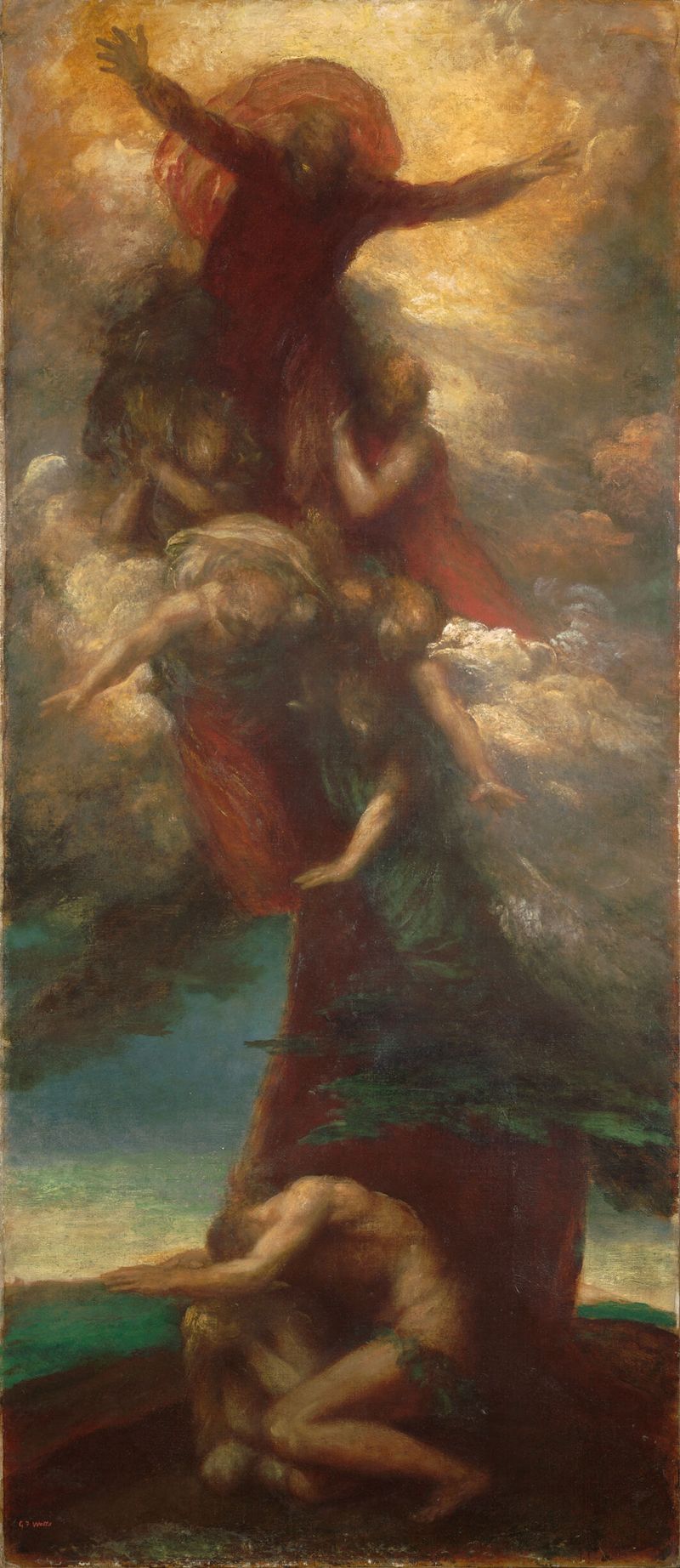
The Denunciation of Adam and Eve
George Frederic Watts

A Bacchante
George Frederic Watts

Orpheus and Eurydice
George Frederic Watts