A Bacchante — History & Facts
In the hands of an artist, light can transform tumult into tranquility, inviting us to explore the unseen. Focus on the vibrant interplay of colors in A Bacchante, where the warm hues of crimson and gold envelop the figure in a halo of warmth. The Bacchante, a personification of revelry and nature’s bounty, stands in a fluid pose that almost seems to dance with the rhythm of the brushstrokes. Notice how the light cascades over her form; it radiates from a hidden source, illuminating her face while casting the background into shadow, creating a palpable contrast between celebration and solitude. Delve deeper into the subtleties of expression in her gaze, which oscillates between ecstasy and introspection.
The drapery of her garment flows with a natural grace, suggesting movement and freedom, yet her expression hints at the weight of unbridled passion. Watts encapsulates the tension between joy and melancholy, inviting viewers to reflect on the duality of human existence and the fleeting nature of ecstasy. George Frederic Watts painted A Bacchante at a time when he was deeply involved in the Symbolist movement, likely in the late 19th century. Living in London, he was well-acquainted with the Pre-Raphaelite Brotherhood and their emphasis on emotional expression through vivid imagery.
This artwork reflects the broader cultural shifts of the era, where art began to grapple more openly with themes of mythology and human emotion, positioning Watts as a pivotal figure in this transformative period.
More Artworks by George Frederic Watts
Browse all →
Sir Galahad
George Frederic Watts

Violet Lindsay
George Frederic Watts

The Genius of Greek Poetry
George Frederic Watts

Ariadne
George Frederic Watts
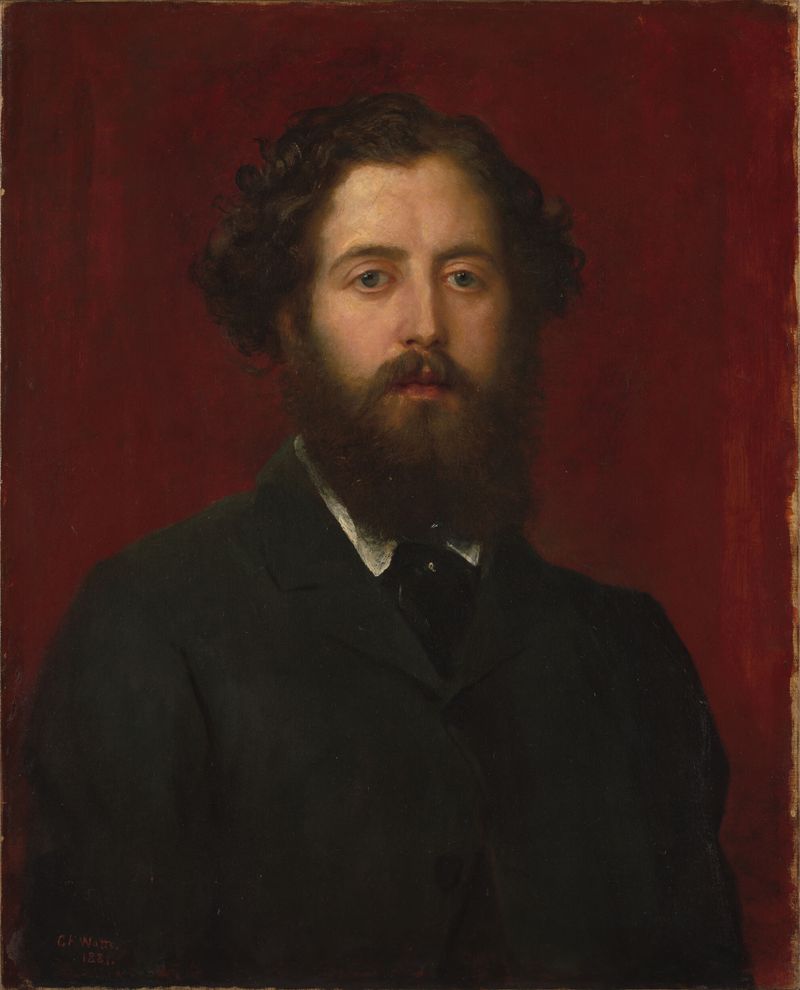
Portrait of a Man
George Frederic Watts

A Bacchanal
George Frederic Watts

The Creation of Eve
George Frederic Watts

Escaped
George Frederic Watts
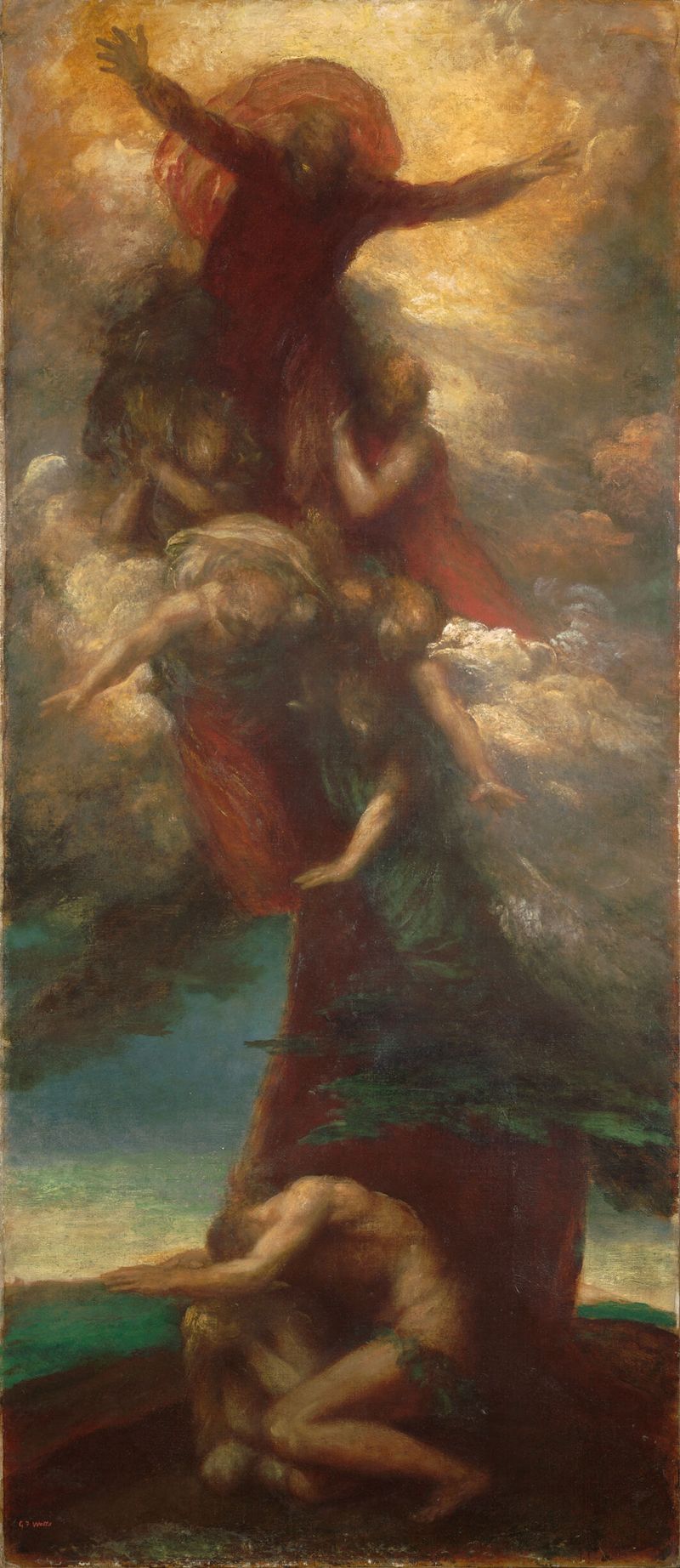
The Denunciation of Adam and Eve
George Frederic Watts

Orpheus and Eurydice
George Frederic Watts