
Escaped — History & Facts
What if beauty was never meant to be finished? In Escaped, a tumultuous embrace of chaos reveals the fleeting nature of liberation and despair. Look to the left at the figure of a woman, her delicate form draped in flowing garments that seem to dissolve into dark, swirling backgrounds. The contrasts of light and shadow create a dynamic tension, highlighting her anguished expression while the chaos around her threatens to envelop. Notice the brushstrokes, both fluid and erratic, which draw the eye toward her outstretched arms as if she is reaching for something just beyond her grasp, encapsulating a moment of both desperation and hope. Delve deeper into the chaos surrounding her, where shadows pulse and dance with the contours of her being.
The oppressive darkness suggests the weight of societal constraints, while her serene yet troubled face reflects a complex interplay of emotions—longing, fear, and a spark of defiance. This duality between the chaos of her environment and the tranquility of her expression speaks to the universal struggle for freedom, both internal and external. Painted in 1895, during a time when the artist was increasingly preoccupied with themes of human struggle and societal issues, Escaped embodies Watts' concerns about individual emancipation amidst societal chaos. Living in a rapidly changing world fueled by industrialization and shifting artistic movements, he sought to capture the essence of human emotion and resilience, reinforcing the notion that beauty is often intertwined with turmoil.
More Artworks by George Frederic Watts
Browse all →
Sir Galahad
George Frederic Watts

Violet Lindsay
George Frederic Watts

The Genius of Greek Poetry
George Frederic Watts

Ariadne
George Frederic Watts
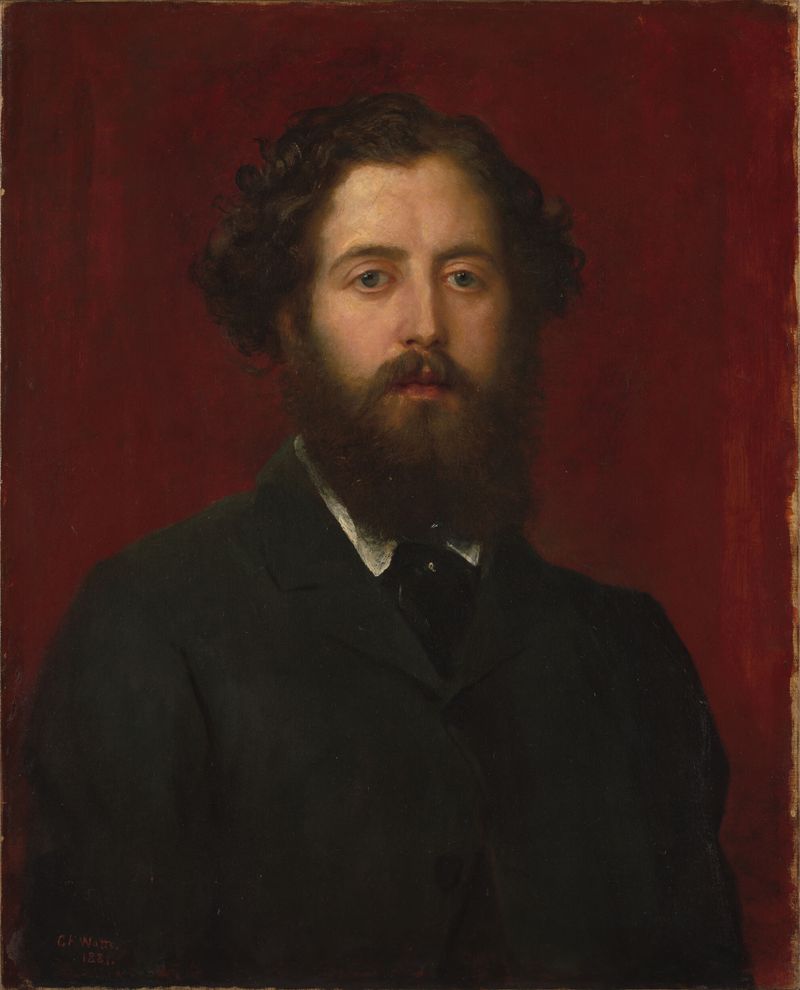
Portrait of a Man
George Frederic Watts

A Bacchanal
George Frederic Watts

The Creation of Eve
George Frederic Watts
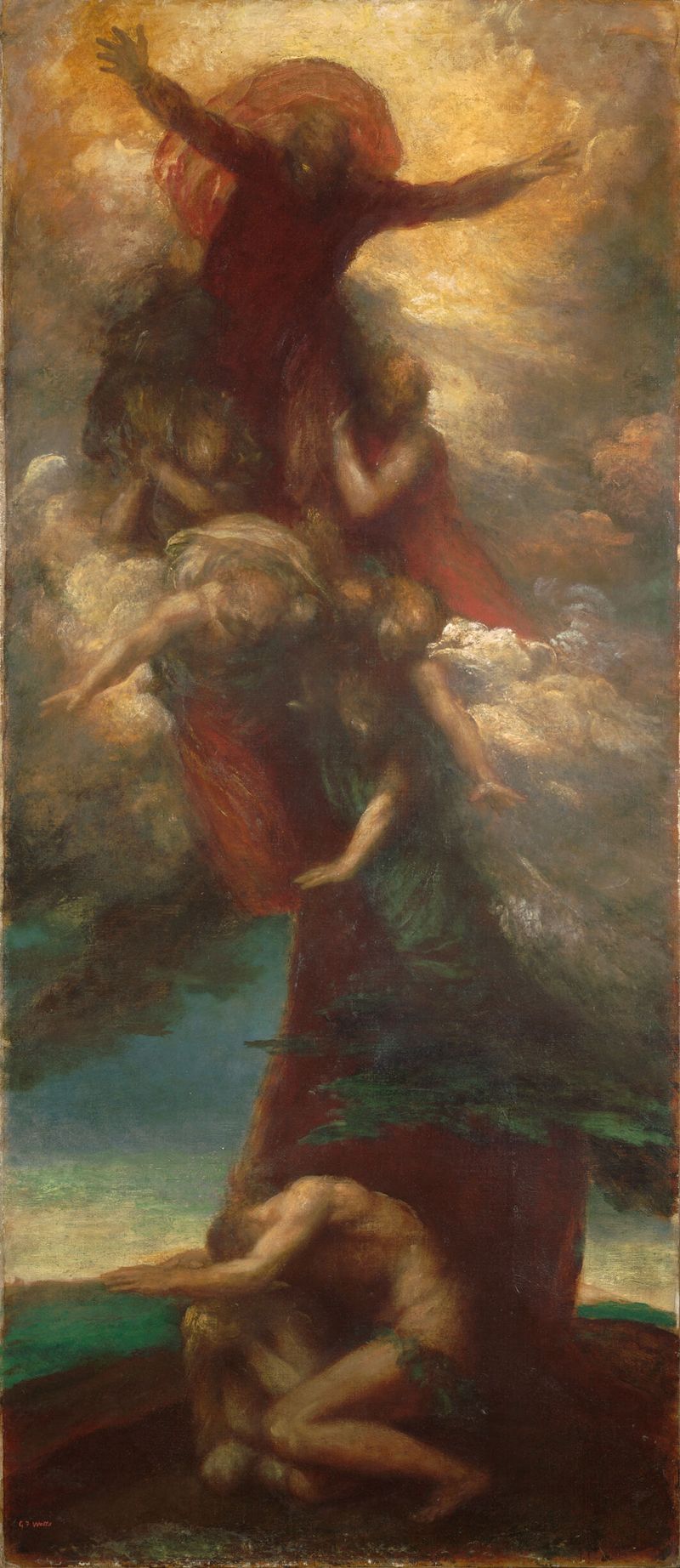
The Denunciation of Adam and Eve
George Frederic Watts

A Bacchante
George Frederic Watts

Orpheus and Eurydice
George Frederic Watts





