The Genius of Greek Poetry — History & Facts
Is this a mirror — or a memory? In The Genius of Greek Poetry, the boundary between past and present blurs, inviting contemplation on the essence of creativity and inspiration. Here, the brushstrokes breathe life into the ethereal, urging us to ponder the origins of art and the weight of historical influence. Focus first on the figure at the center, a radiant embodiment of the muse, draped in flowing robes that seem to dance with an invisible breeze. The delicate palette, dominated by soft pastels and gentle highlights, creates an atmosphere imbued with both reverence and nostalgia.
Notice how the light cascades over her, illuminating the delicate features of her face, while the surrounding shadows envelop the scene in a protective embrace. Each element—gesture, color, and composition—converges to express an idealized vision of poetic genius. As you delve deeper, consider the symbolism woven into the artwork: a laurel crown graces her head, a nod to triumph and inspiration, while scrolls and books lie scattered at her feet, representing knowledge and the weight of tradition. This interplay of elements underscores a tension between aspiration and the burden of legacy, hinting at the artist's grappling with the past and the quest for originality.
The juxtaposition of soft beauty against the somber backdrop speaks to the duality of inspiration—the joy it brings and the shadows it casts. Watts created this work in 1878, during a period marked by the Victorian fascination with classical themes and ideals. Emerging as a prominent figure in the Symbolist movement, he sought to express profound truths through allegorical subjects. This painting reflects not only his personal explorations of the human condition but also resonates with the broader artistic currents of his time, as artists increasingly turned to history and mythology for inspiration, seeking to bridge the chasm between past glories and contemporary expression.
More Artworks by George Frederic Watts
Browse all →
Sir Galahad
George Frederic Watts

Violet Lindsay
George Frederic Watts

Ariadne
George Frederic Watts
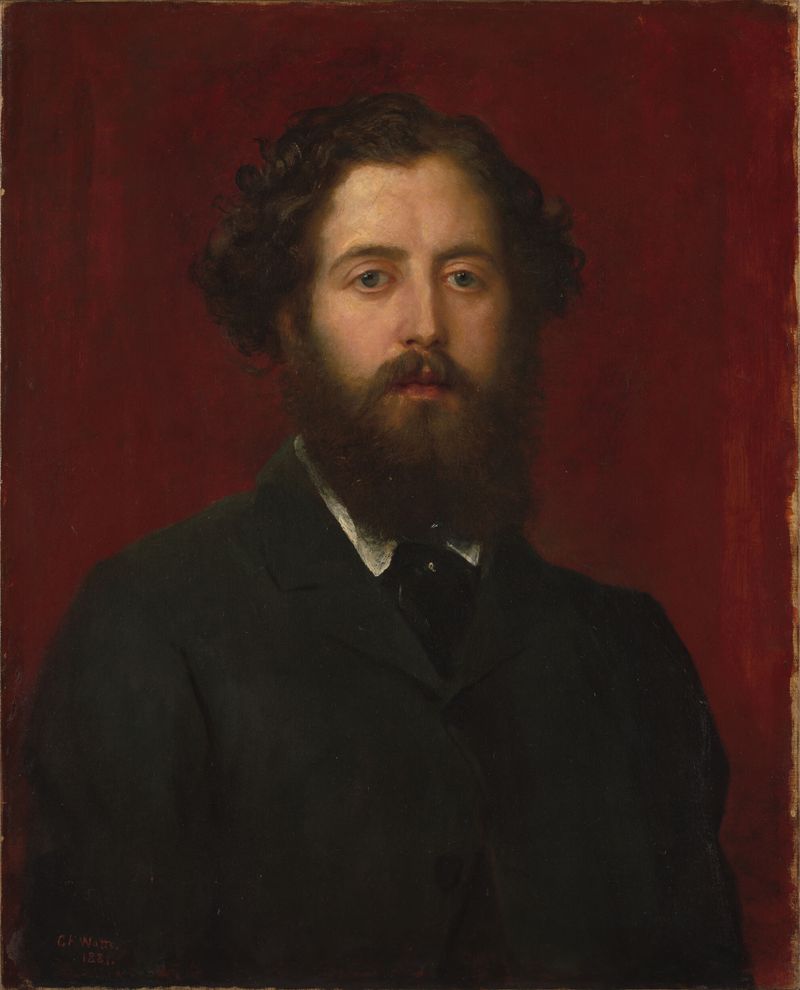
Portrait of a Man
George Frederic Watts

A Bacchanal
George Frederic Watts

The Creation of Eve
George Frederic Watts

Escaped
George Frederic Watts
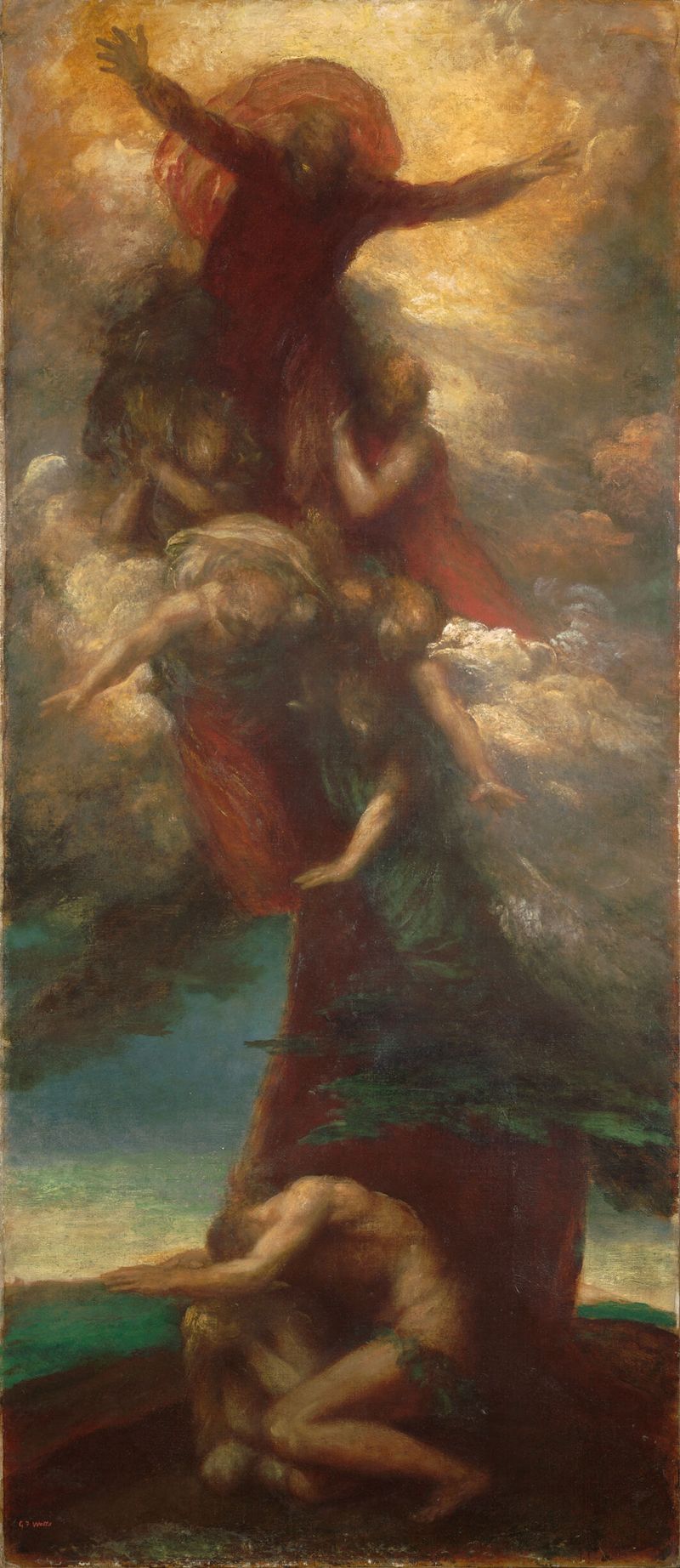
The Denunciation of Adam and Eve
George Frederic Watts

A Bacchante
George Frederic Watts

Orpheus and Eurydice
George Frederic Watts