Orpheus and Eurydice — History & Facts
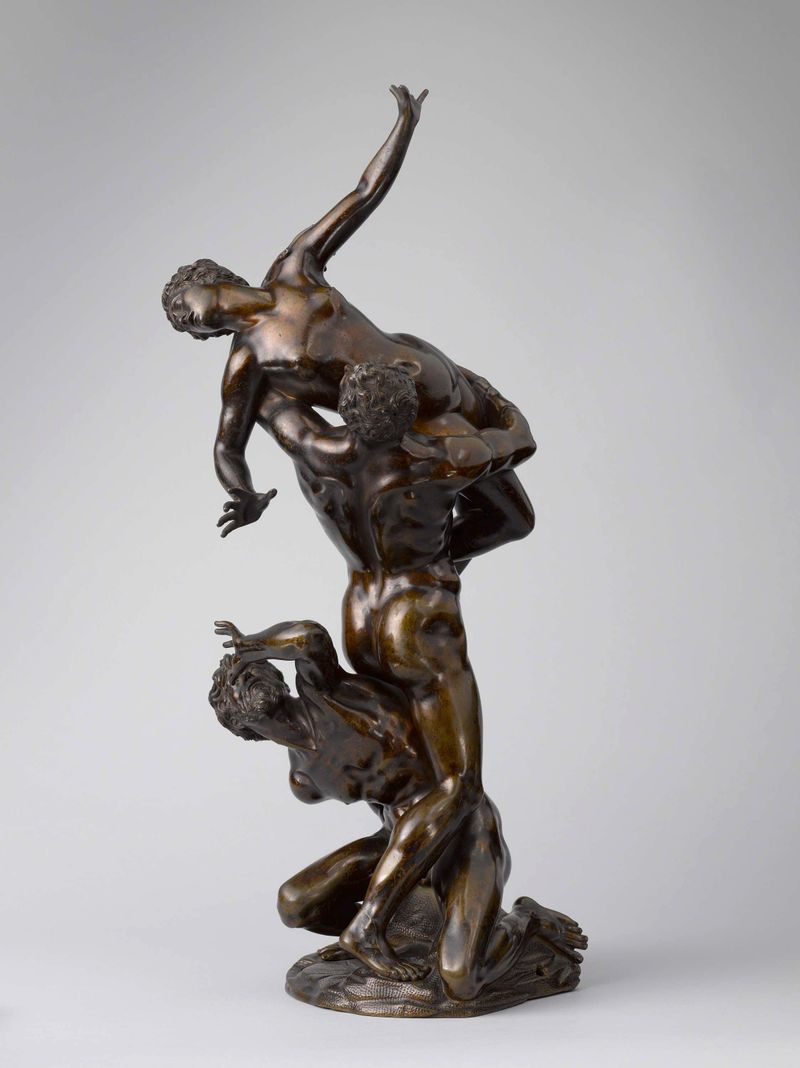
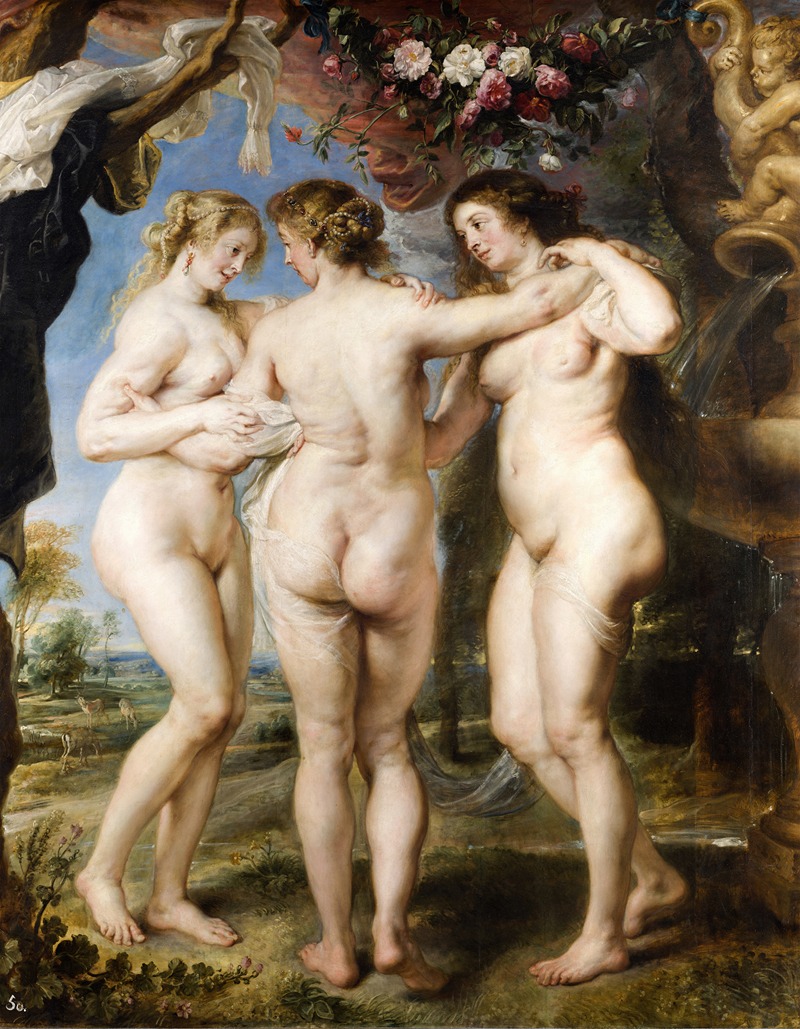
Who listens when art speaks of silence? In Orpheus and Eurydice, the haunting stillness of a moment captures the dread that lies within love's fragility and the depths of loss. Focus on the figure of Orpheus, his head bowed in despair as he clasps Eurydice’s hand. Notice how the soft, muted colors of the background contrast with the vibrant hues of their bodies, drawing your attention to the emotional turmoil in their connection. The delicate brushwork highlights the tension in their grasp, suggesting both yearning and a desperate bid for hold.
Your gaze is inevitably pulled to the subtle interplay of light and shadow, illuminating the anguish that clouds Orpheus's expression as he stands on the precipice of irreversible fate. Digging deeper, the composition encapsulates fear — the fear of losing a beloved, the fear of what lies beyond the veil of life. The entwined hands form a lifeline, yet they seem to slip through Orpheus's grasp, evoking the inescapable reality of death. The swirling drapery around them symbolizes the chaos of grief, while Orpheus's shadow hints at the looming presence of despair, underscoring the emotional weight of his tragic story.
Each element contributes to a profound meditation on the nature of love, loss, and the silent screams that echo in the absence of connection. During the 1870s in England, Watts was deeply invested in the symbolism movement, exploring themes of spirituality and human emotion. He painted Orpheus and Eurydice during a period marked by personal introspection and the broader cultural shifts of the Victorian era, as society grappled with the tension between romantic ideals and harsh realities. This work reflects his engagement with myth, providing a timeless exploration of the human experience amidst prevailing sentiments of loss and the fragility of life.
More Artworks by George Frederic Watts
Browse all →
Sir Galahad
George Frederic Watts

Violet Lindsay
George Frederic Watts

The Genius of Greek Poetry
George Frederic Watts

Ariadne
George Frederic Watts
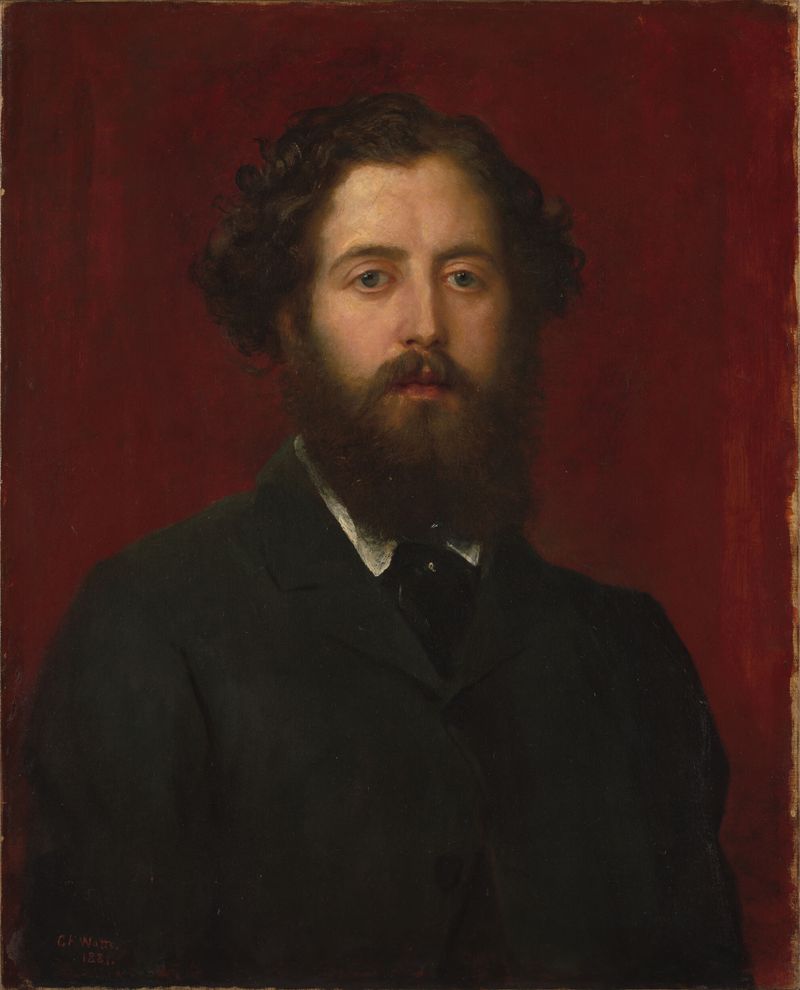
Portrait of a Man
George Frederic Watts

A Bacchanal
George Frederic Watts

The Creation of Eve
George Frederic Watts

Escaped
George Frederic Watts
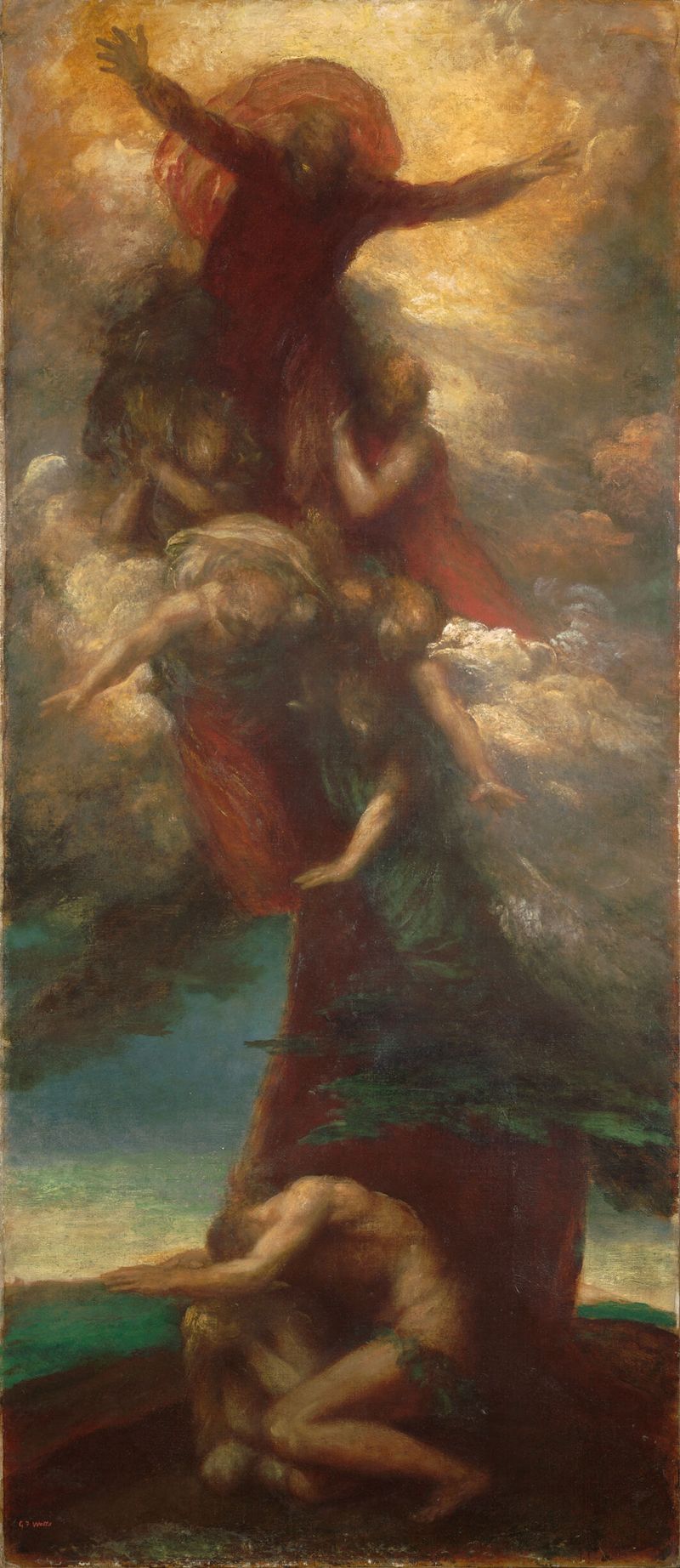
The Denunciation of Adam and Eve
George Frederic Watts

A Bacchante
George Frederic Watts