
Virgil — History & Facts
Is this a mirror — or a memory? In Virgil, the veil between the past and present blurs, inviting reflection on grief and loss with every gaze. Look to the center, where the figure stands enveloped in a gentle yet somber light. The rich blues and greens of the background cradle the subject, while the delicate strokes create a sense of softness that is almost ethereal. As your eyes travel from the figure’s expression to the intricate details of the fabric, feel the weight of the moment, where stillness transforms into palpable emotion.
Notice how the light captures the contours of the face, illuminating both sorrow and wisdom. Each element holds significance, revealing layers of complexity. The solitary figure, with an introspective gaze, speaks to isolation and yearning. The contrast between the vibrant hues of the figure's attire and the muted background hints at the struggle between vitality and despair.
The gentle, almost whispering brushstrokes evoke the fragility of memory, where moments of joy coexist with an underlying sense of melancholy. In 1874, La Farge created this piece during a time when he was grappling with personal loss, having recently faced the death of a close friend. The post-Civil War era was marked by profound emotional upheaval, and La Farge was immersed in exploring deeper themes through his work, particularly the interplay of light and emotion. Through Virgil, he channels a universal experience, inviting viewers into a shared moment of reflection and understanding.
More Artworks by John La Farge
Browse all →
Red Pagoda, Nikko
John La Farge
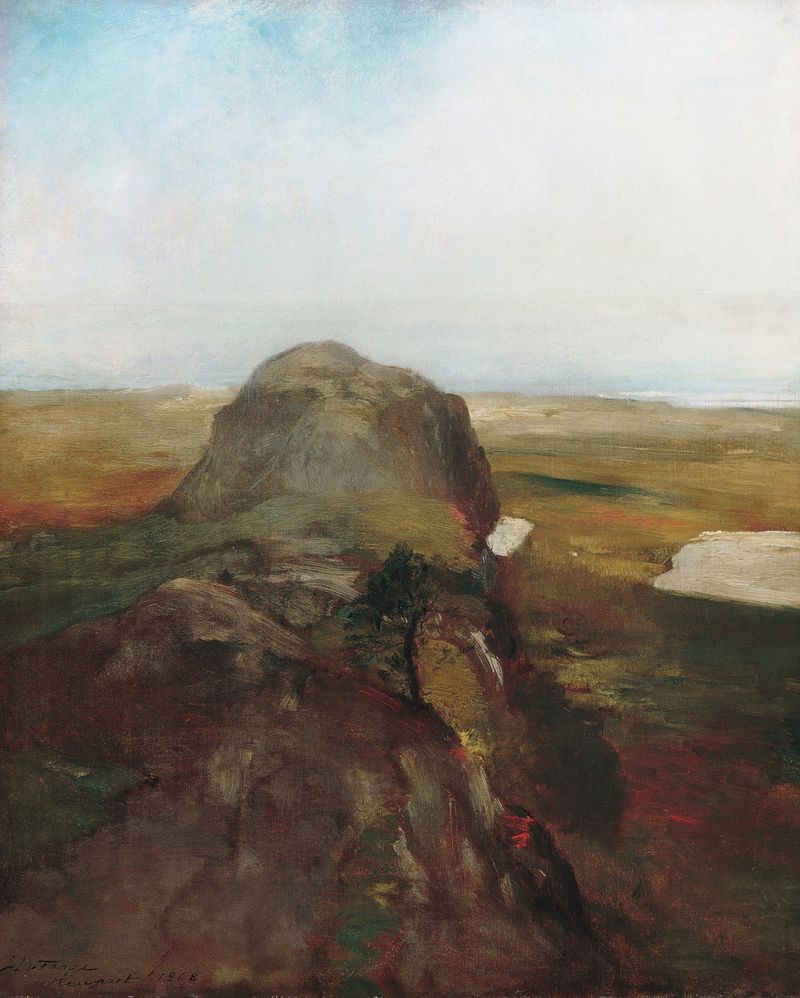
Autumn Study, View over Hanging Rock, Newport, R.I.
John La Farge
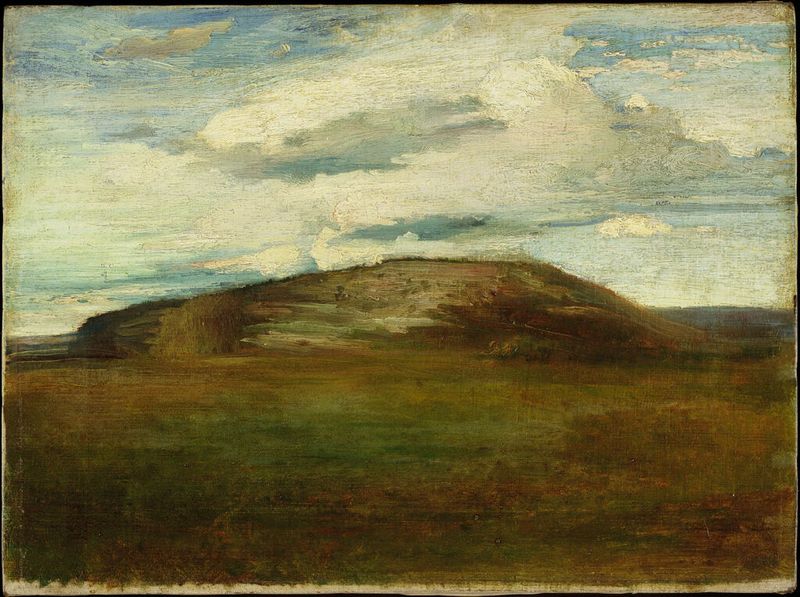
Autumn: Mid-Day, Looking North, Table-Rock Hill, Peekskill, New York
John La Farge
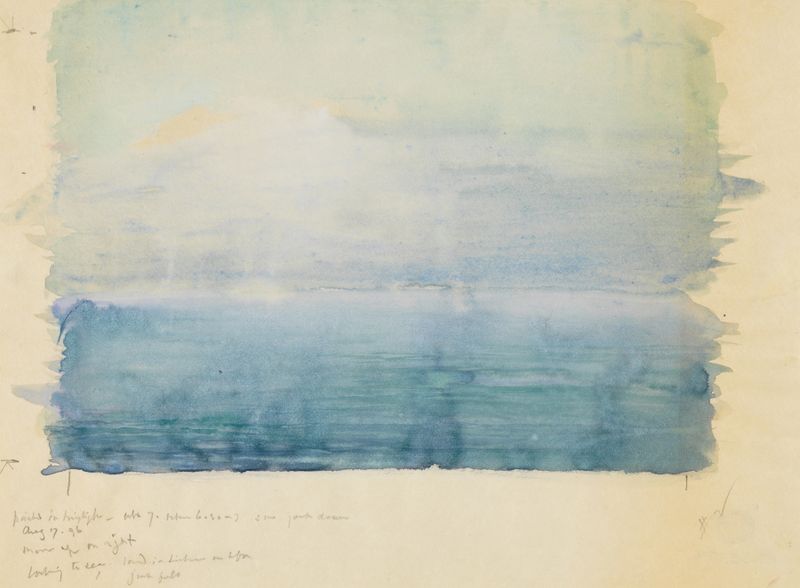
Bar Harbor, Twilight
John La Farge
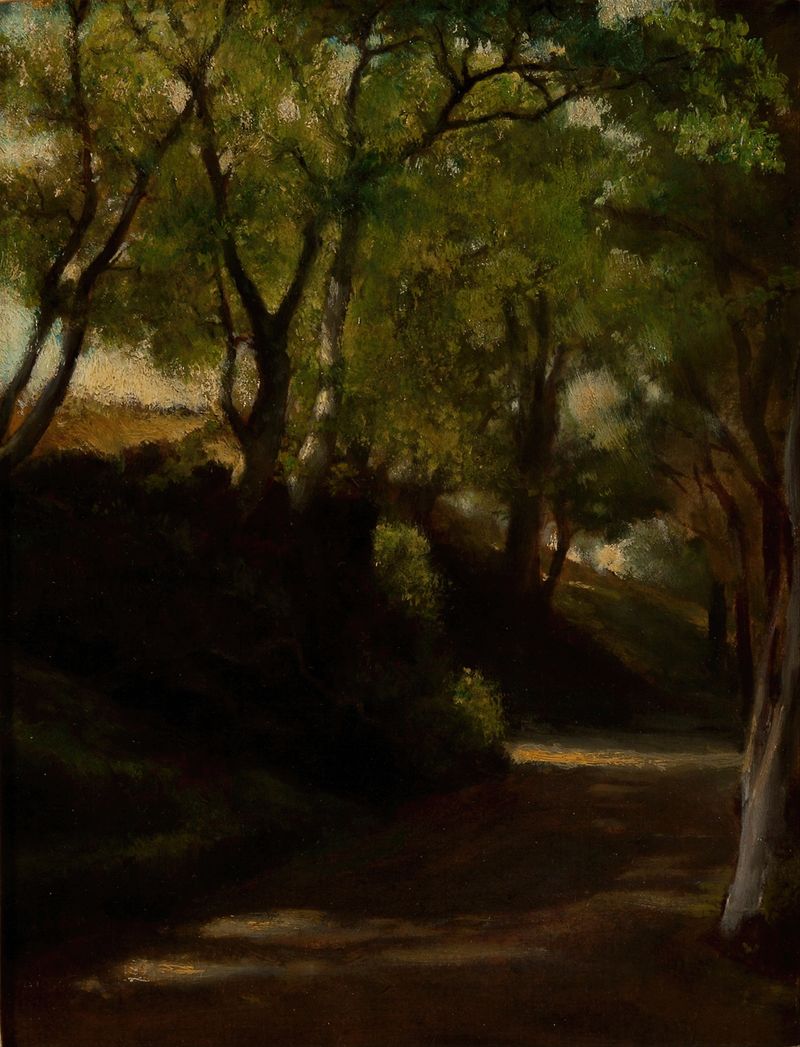
In ‘The Glen,’ Portsmouth, Rhode Island
John La Farge

The Island of Moorea Looking across the Strait from Tahiti, January 1891
John La Farge
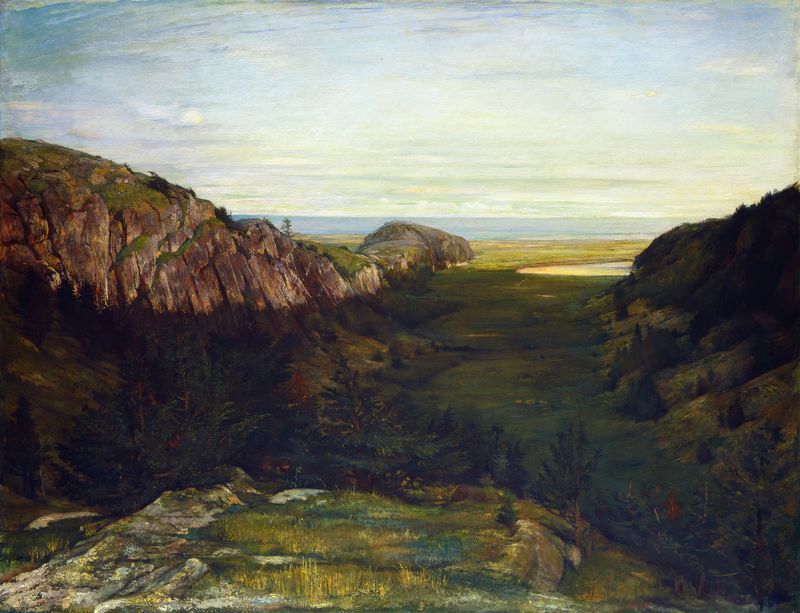
The Last Valley – Paradise Rocks
John La Farge
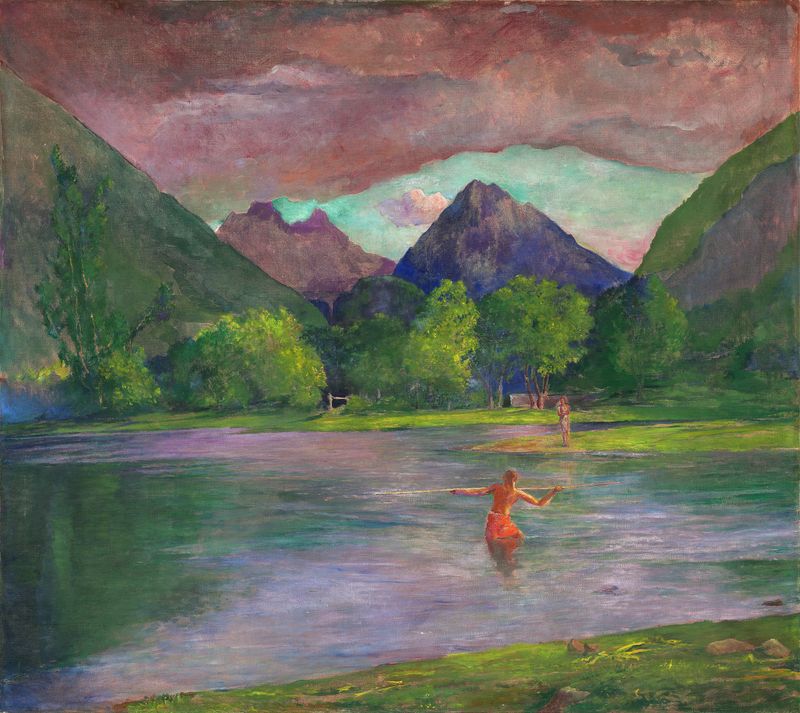
The Entrance to the Tautira River,Tahiti. Fisherman Spearing a Fish
John La Farge

Snow Field, Morning, Roxbury
John La Farge
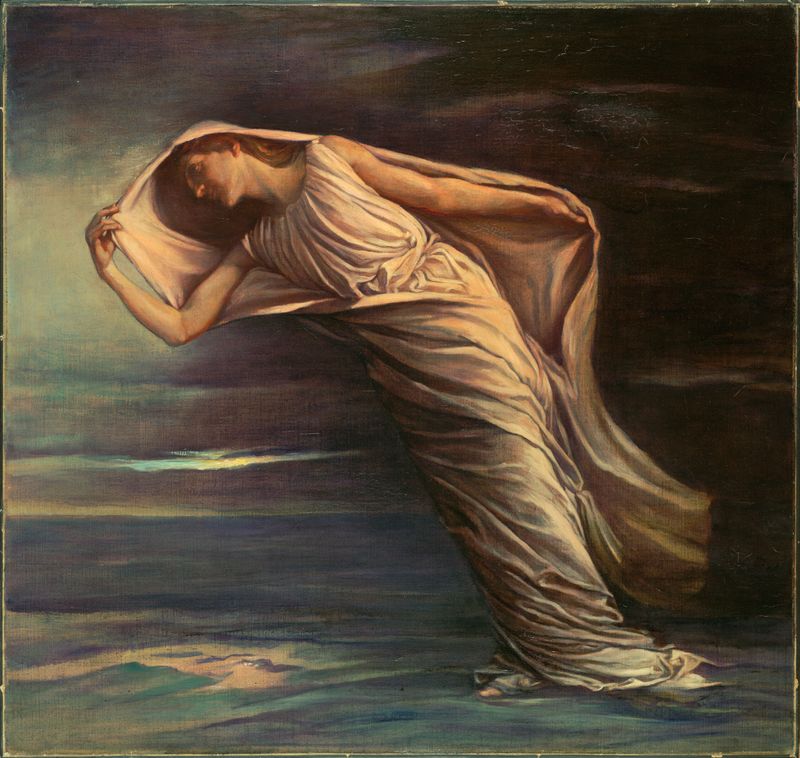
The Dawn
John La Farge





