
Virgin Annunciate — History & Facts
No other moment in Western art has inspired as many variations as the Annunciation, but Fra Angelico’s Virgin Annunciate stands apart for its singular focus: the Virgin Mary alone, caught in the instant she receives the angel’s message. Unlike the more familiar scenes showing both Gabriel and Mary, here the angel is absent, and the drama unfolds in the Virgin’s solitary reaction. This unusual composition has led scholars to debate whether the panel was once part of a larger ensemble, perhaps an altarpiece or a predella, now lost or dispersed.
The painting’s quiet intensity has drawn admiration since at least the sixteenth century, when Giorgio Vasari praised Fra Angelico for painting "with a rare and devout hand." The story unfolds at the precise moment when Mary, reading or in prayer, becomes aware of the angel’s presence and the divine message. Her arms are crossed over her chest—a gesture of humility and acceptance, signaling her famous words, "Behold the handmaid of the Lord." The light, soft yet directional, bathes her face and veil, suggesting the spiritual illumination of the Annunciation itself. The absence of Gabriel shifts all attention to Mary’s inner world, a choice that distinguishes this work from, for example, Leonardo da Vinci’s Annunciation, where both figures share the space and the narrative.
Here, the Virgin’s downcast eyes and gentle features invite the viewer to witness the moment of assent that will change history. The precise origins of Virgin Annunciate remain uncertain, as the panel’s early history is undocumented and its original setting unknown. It likely dates to around 1450, near the end of Fra Angelico’s career, when he was active in Florence and Rome, producing works for both private devotion and grand ecclesiastical commissions. Over centuries, the painting has been admired for its serenity and psychological depth, passing through various collections before entering the public sphere.
Today, it stands as a testament to Fra Angelico’s ability to distill a profound theological event into a single, silent figure—one whose quiet presence continues to move viewers, even as the details of its own journey remain partly veiled.
More Artworks by Fra Angelico

Condemnation of St Lawrence by the Emperor Valerian
Fra Angelico
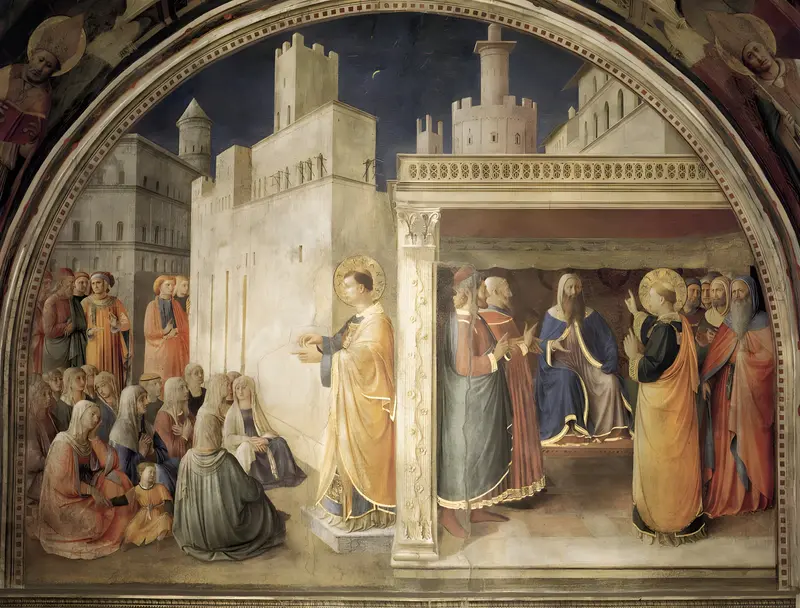
Lunette of the north wall
Fra Angelico
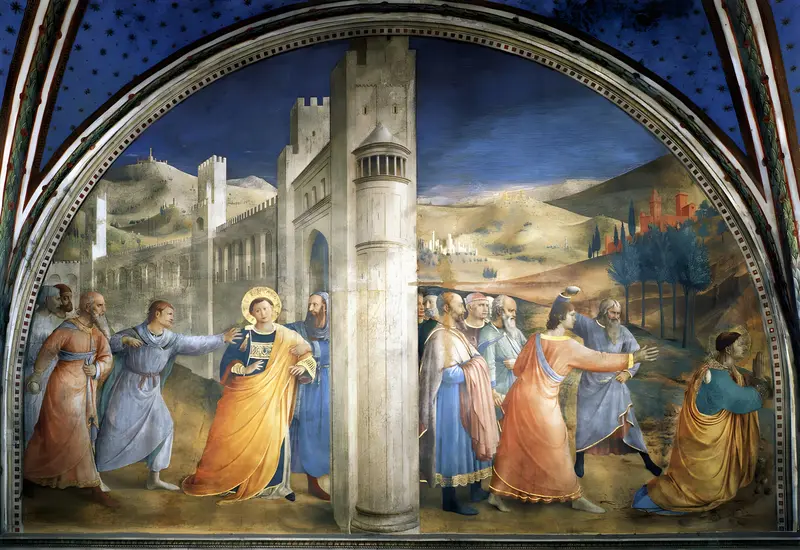
Lunette of the east wall in Niccoline Chapel
Fra Angelico
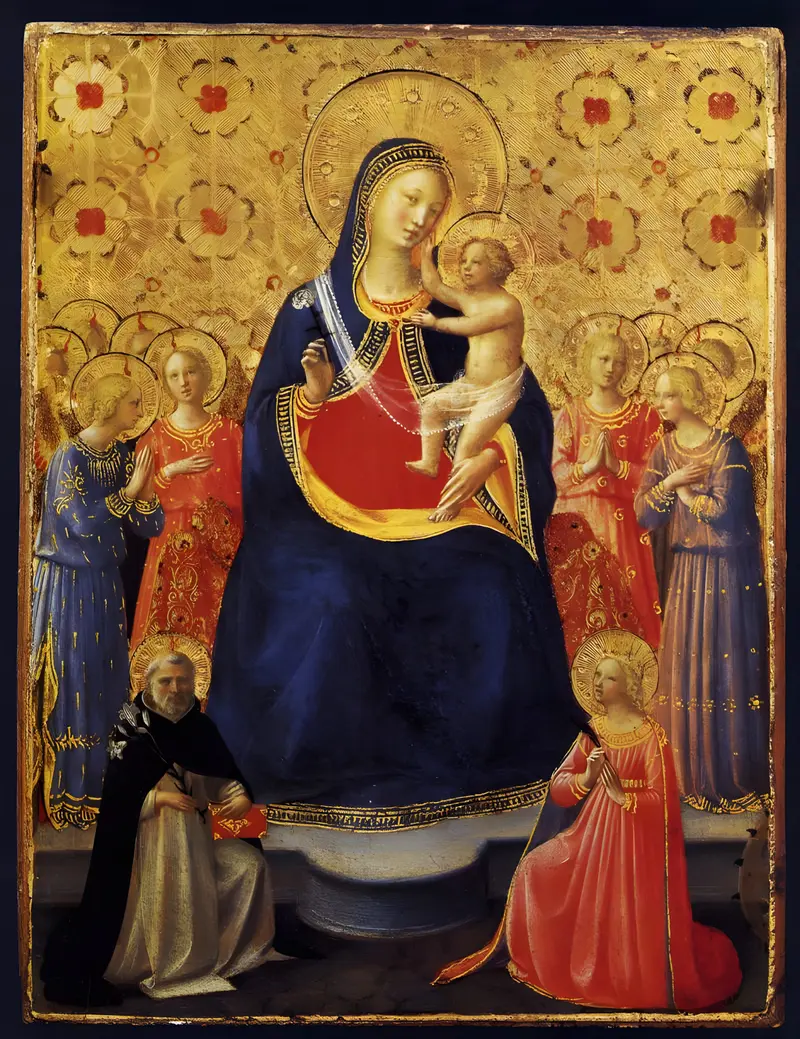
Madonna and Child Enthroned with Nine Angels and Saints Dominic and Catherine of Alexandria
Fra Angelico
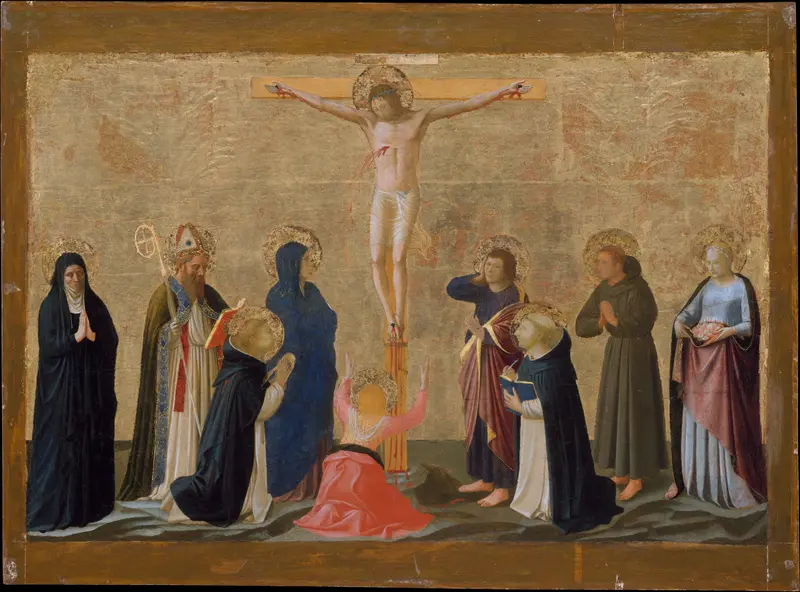
The Crucifixion
Fra Angelico
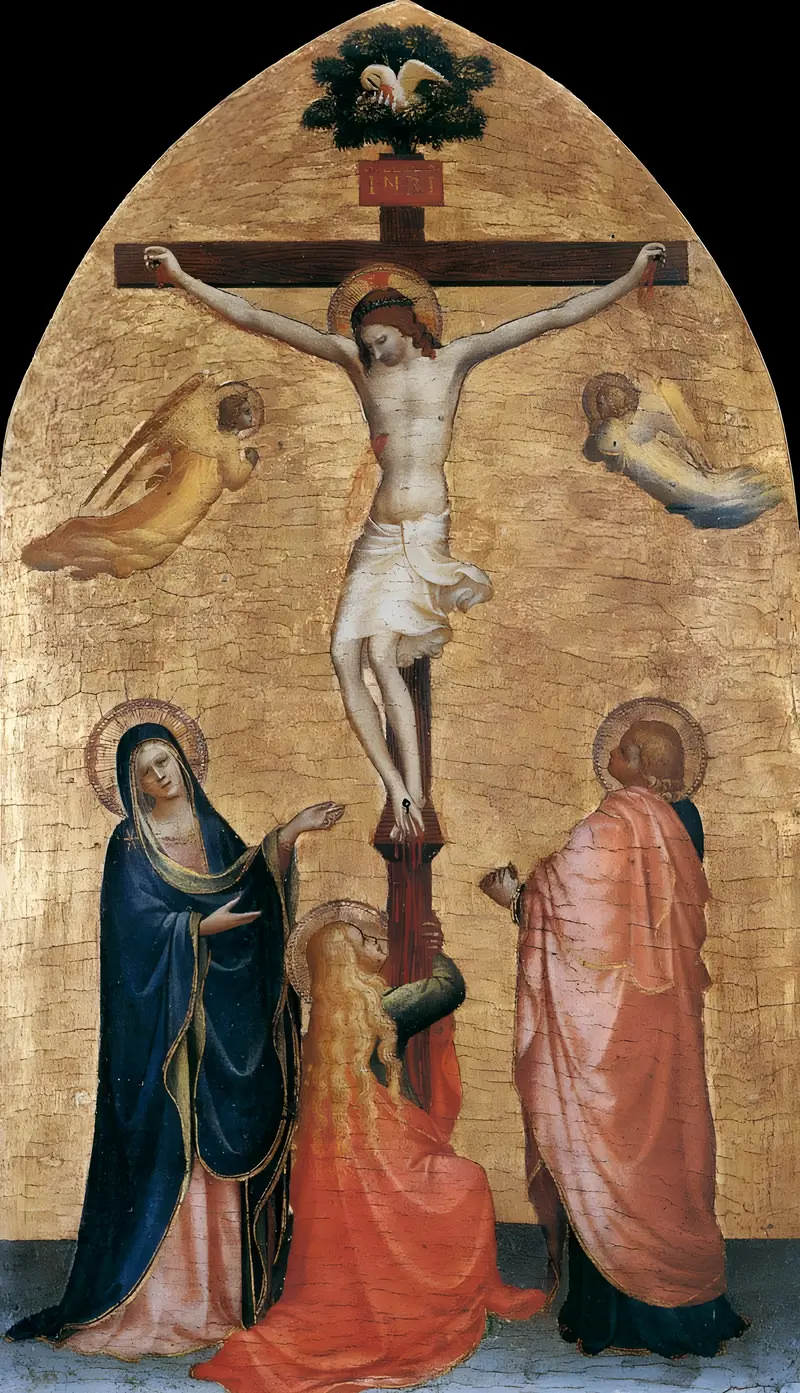
Crucifixion with the Virgin, John the Evangelist, and Mary Magdelene
Fra Angelico
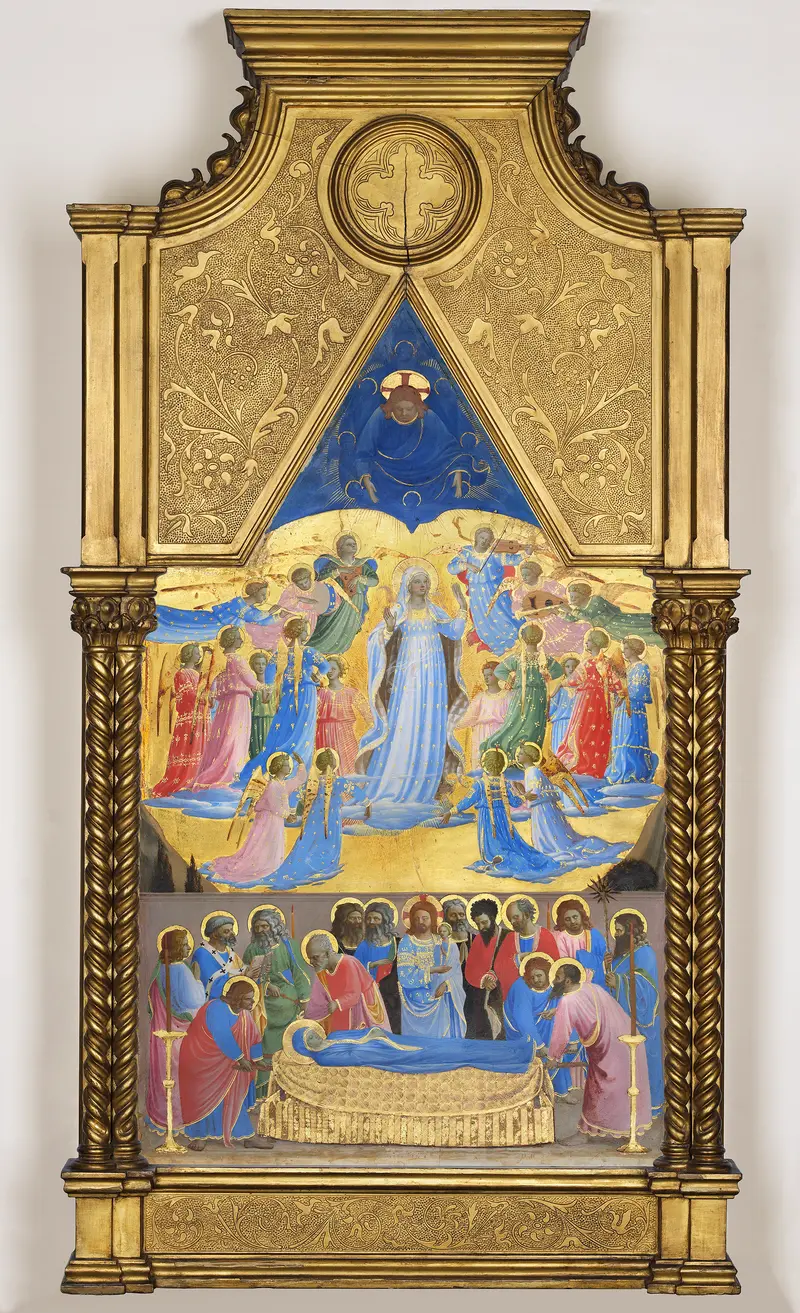
Dormition and Assumption of the Virgin
Fra Angelico
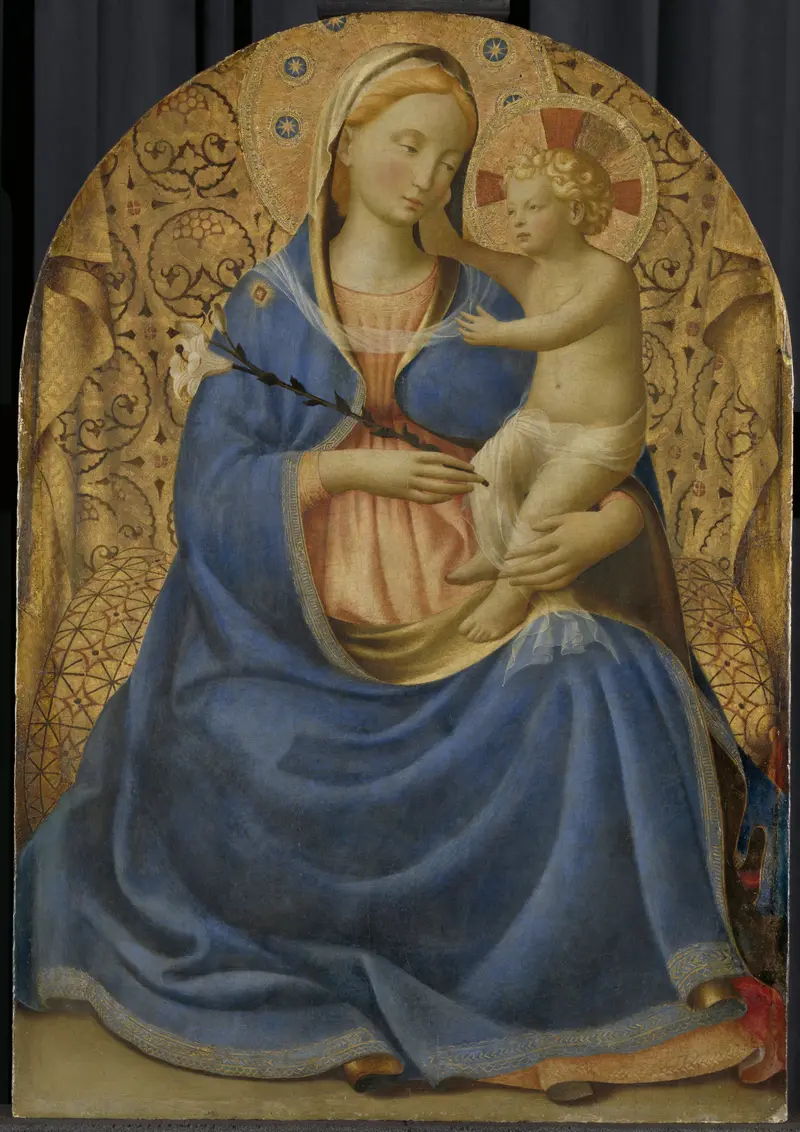
Madonna of Humility
Fra Angelico
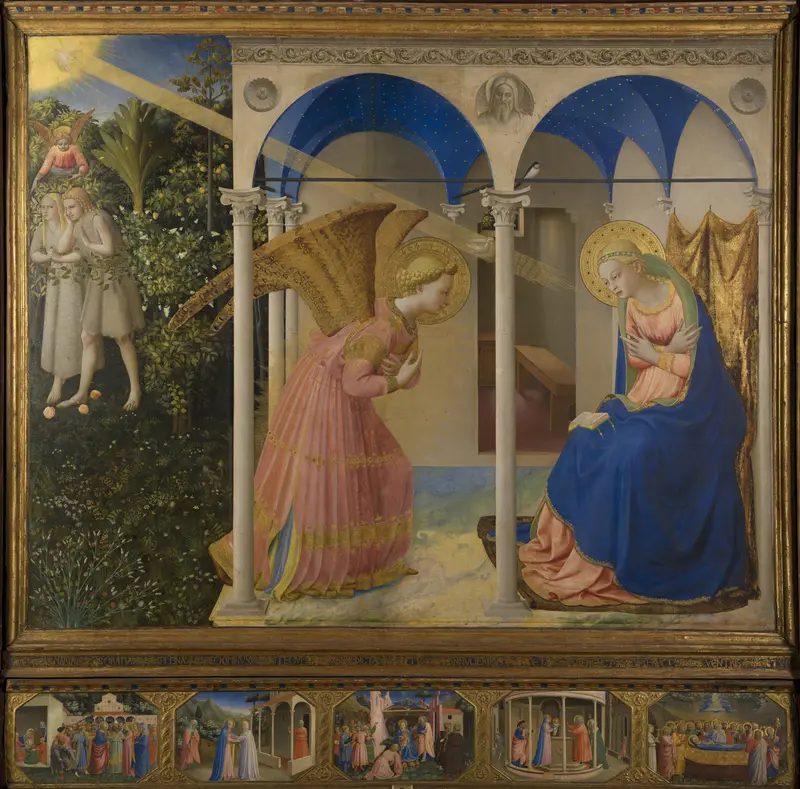
The Annunciation
Fra Angelico

Saint Anthony Abbot
Fra Angelico





