
Visioen van Ezechiël met God en symbolen van vier evangelisten — History & Facts
What secret hides in the quiet of the canvas? In Hans Holbein's Visioen van Ezechiël met God en symbolen van vier evangelisten, a delicate tension simmers beneath the surface, whispering tales of betrayal and divine revelation. Focus first on the central figure of Ezechiël, whose gaze is steady, almost beseeching. Notice how the light cascades down from an unseen source, illuminating his ethereal robes in vibrant hues of gold and azure. To the left, the symbols of the four evangelists — the man, the lion, the ox, and the eagle — create a dynamic composition that balances the scene while conveying a sense of urgency.
The brushwork is meticulous, each detail reflecting Holbein's mastery of texture and form, drawing you deeper into the unfolding narrative. As you explore further, observe the interplay of light and shadow, which speaks to the duality of faith and doubt. Ezechiël’s posture suggests a moment of revelation filled with uncertainty, hinting at the fragility of belief. The symbols surrounding him, rich in theological significance, evoke a sense of foreboding — a reminder that with divine insight comes the burden of knowledge, often intertwined with betrayal and sorrow. Created in 1538 during Holbein's time in Basel, the work sits at the intersection of the Reformation’s spiritual upheaval and the artist's own life of cultural transition.
Influenced by the burgeoning Protestant movement, Holbein sought to visualize complex theological concepts while navigating the turbulent political landscape of the day. This painting reflects not just a personal exploration of faith but also a broader commentary on the tumultuous era, marking a pivotal moment in art history.
More Artworks by Hans Holbein (II)
Browse all →
Portret van Erasmus
Hans Holbein (II)
Priester en de Dood
Hans Holbein (II)
Rechter en de Dood
Hans Holbein (II)
Kind en de Dood
Hans Holbein (II)
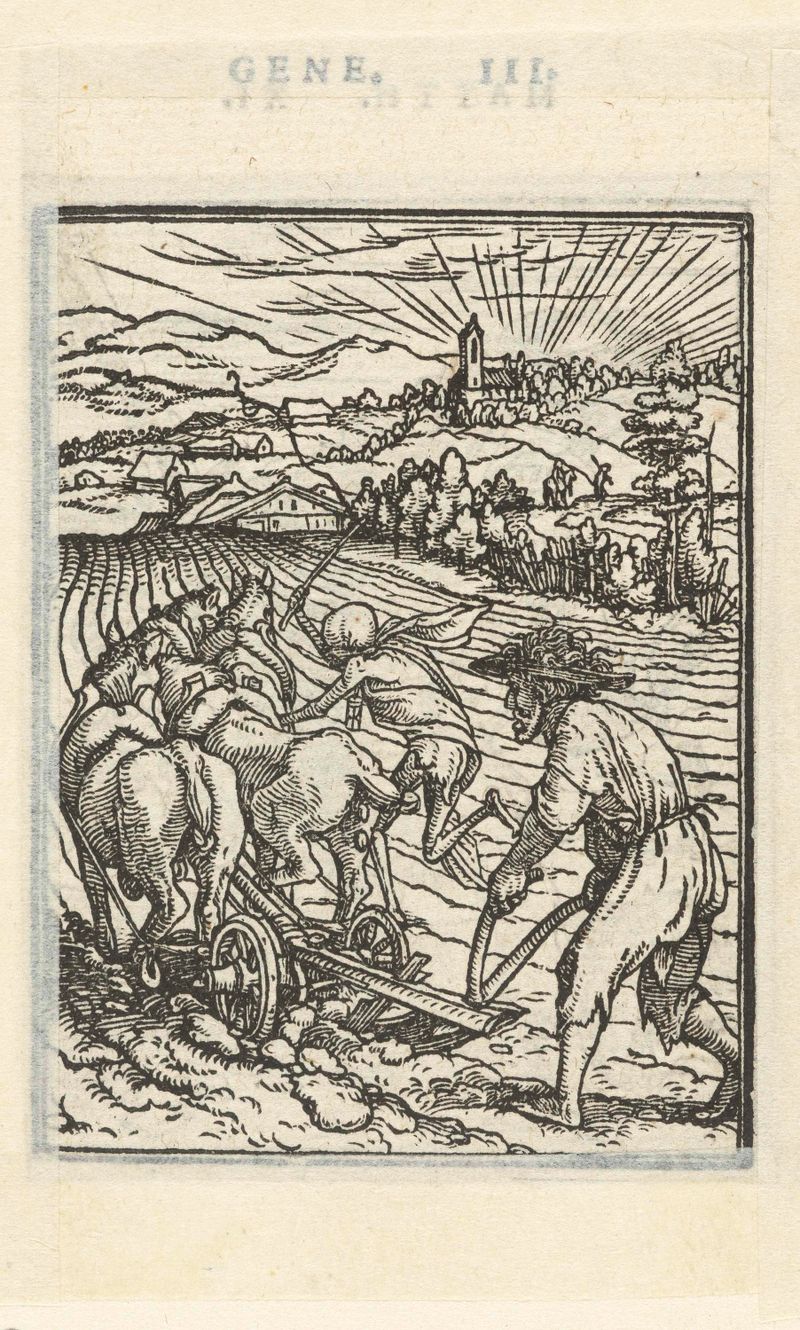
Boer en de Dood
Hans Holbein (II)
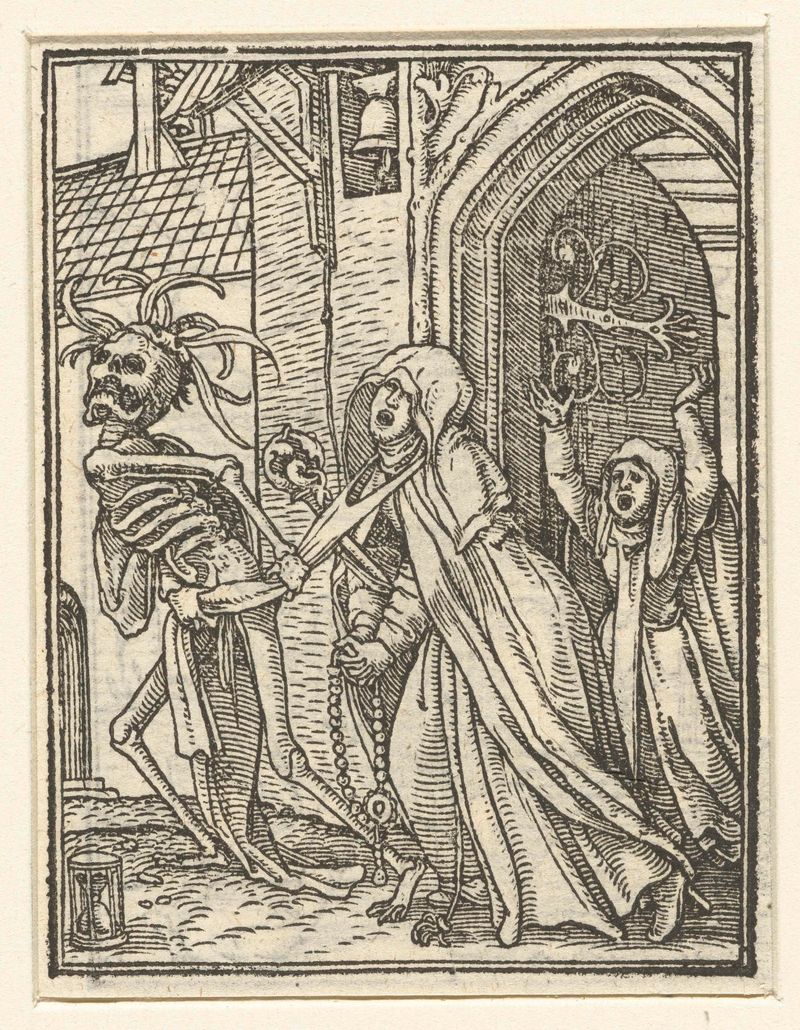
Abdis en de Dood
Hans Holbein (II)
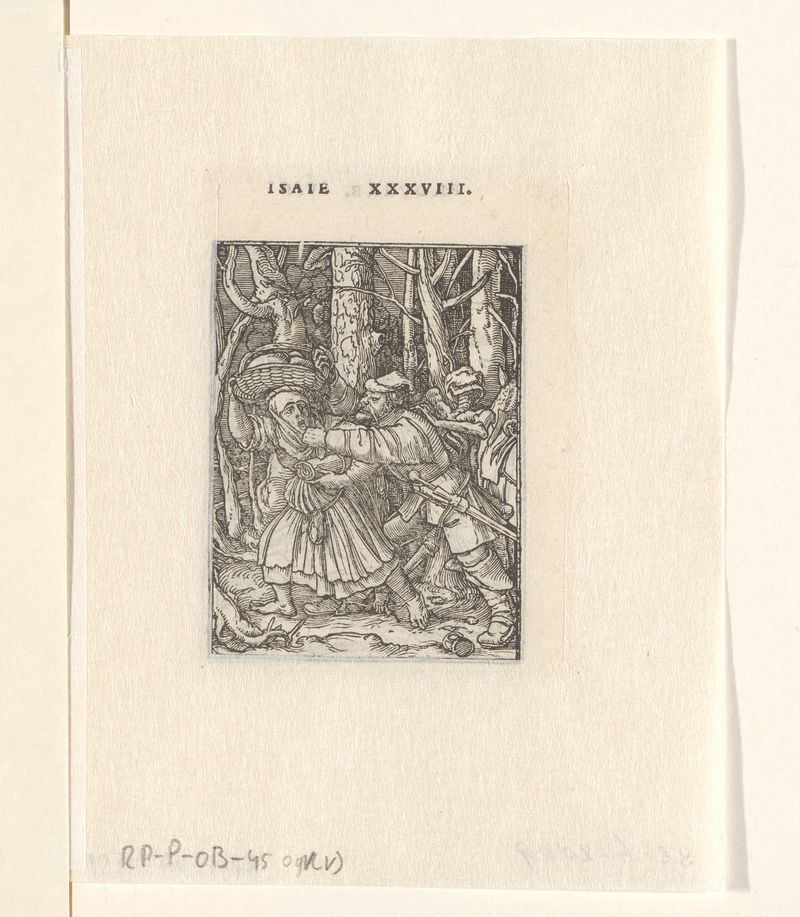
Dief en de Dood
Hans Holbein (II)
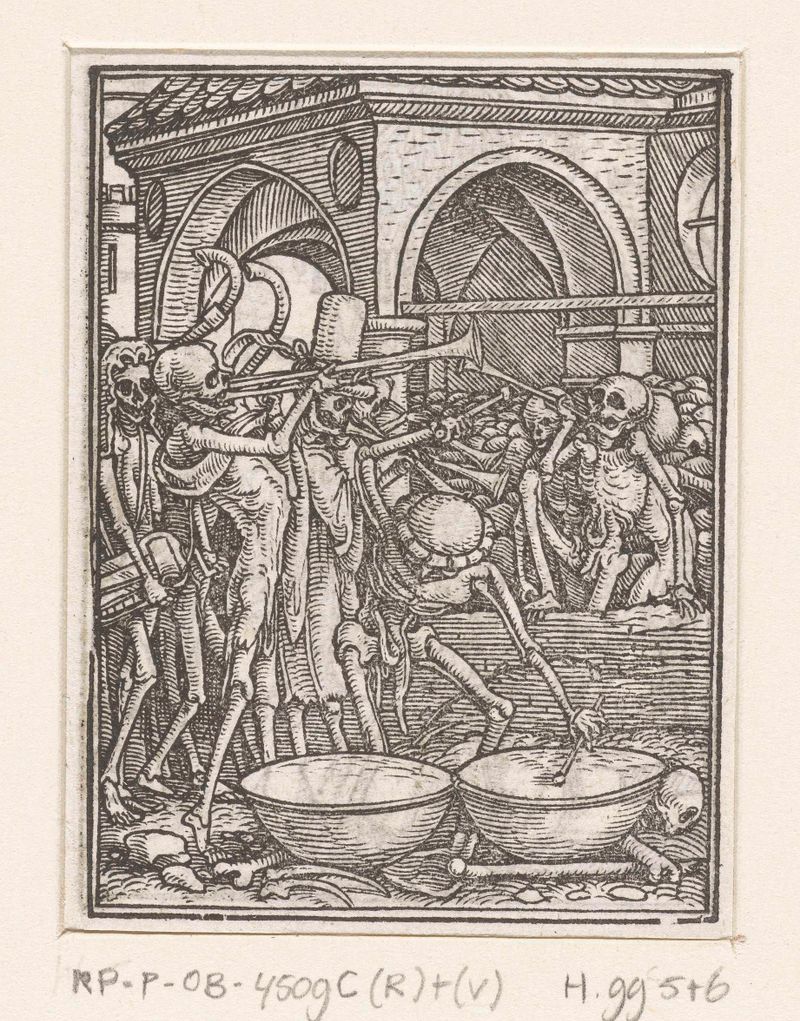
Skeletons Making Music from Dance of the Dead
Hans Holbein (II)
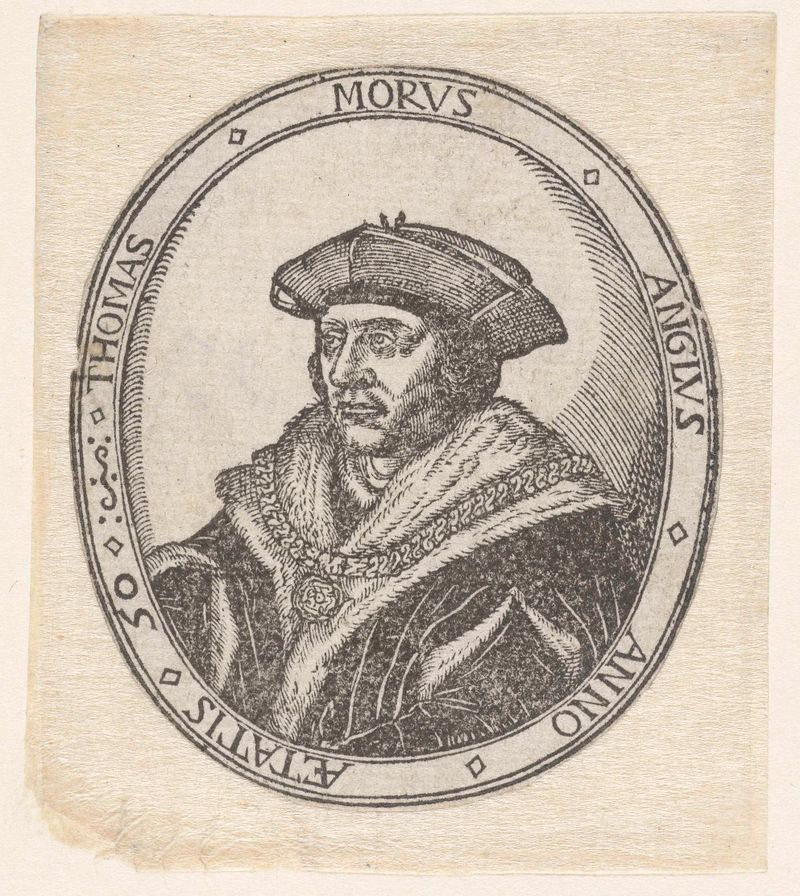
Portret van Thomas More
Hans Holbein (II)
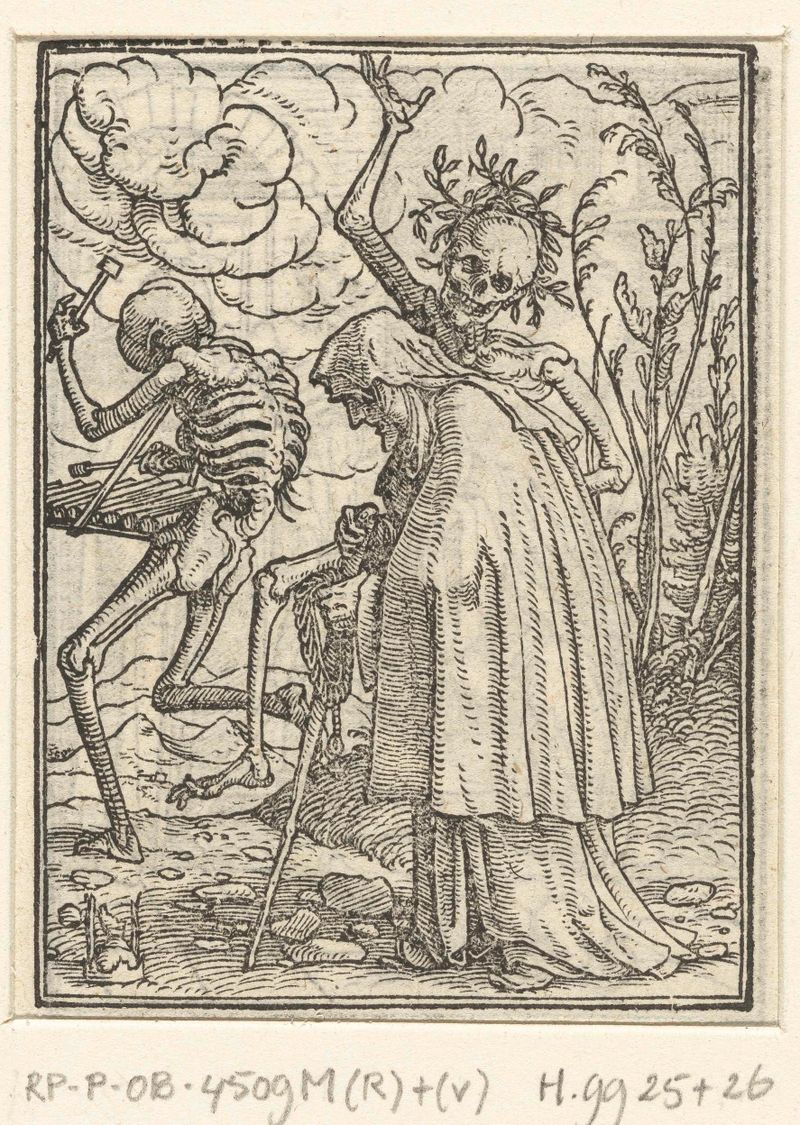
Oude vrouw en de Dood
Hans Holbein (II)
More Religious Art
Browse all →
The Return of the Prodigal Son
Rembrandt van Rijn

The Garden of Earthly Delights
El Bosco

Count Orgaz’ funeral
El Greco

The Hundred Guilder Print: the central piece with Christ preaching, the plate arched
Rembrandt van Rijn

The Descent from the Cross
Rogier van der Weyden

The return of the prodigal son
Rembrandt van Rijn