
Visitatie — History & Facts
A cloistered room hums with an undercurrent of trepidation. In the dim light, two figures converse—one, a radiant figure clothed in billowing robes, and the other, cloaked in shadows, exudes a palpable tension. Their gestures, though gentle, vibrate with an unspoken dread, as if the weight of a great revelation hangs in the air, pressing against the walls that confine them. Focus on the silhouette of the shadowy figure to the left, where the tension of the moment is palpable.
The darkness envelops them, contrasting sharply with the luminous presence of the angel, whose delicate features are illuminated by an ethereal glow. Notice how the intricate details of their garments reveal Callot's mastery; the delicate folds of the angel's robe cascade like a waterfall of light, while the earthy tones of the shadowed figure ground the scene in reality, evoking feelings of fear and uncertainty. The juxtaposition of light and shadow conveys a deeper meaning, resonating with the themes of hope and trepidation. The angel, a harbinger of good news, stands in stark contrast to the mystery of the other figure, who embodies the anxiety of what is to come.
This tension between divine providence and human fear creates an emotional depth that invites the viewer to ponder what lies beyond this moment of convergence. Created between 1633 and 1634, this work emerged during a period of religious upheaval and transformation in France. Jacques Callot, known for his mastery in printmaking and his ability to convey complex narratives through visual art, was navigating the tensions of a rapidly changing world. His exploration of fear and faith in Visitatie reflects both personal and collective struggles of his time, engaging viewers in a dialogue that transcends the centuries.
More Artworks by Jacques Callot
Browse all →
Titelprent voor de prentreeks 'De kleine apostelen' (Het martelaarschap van de apostelen)
Jacques Callot
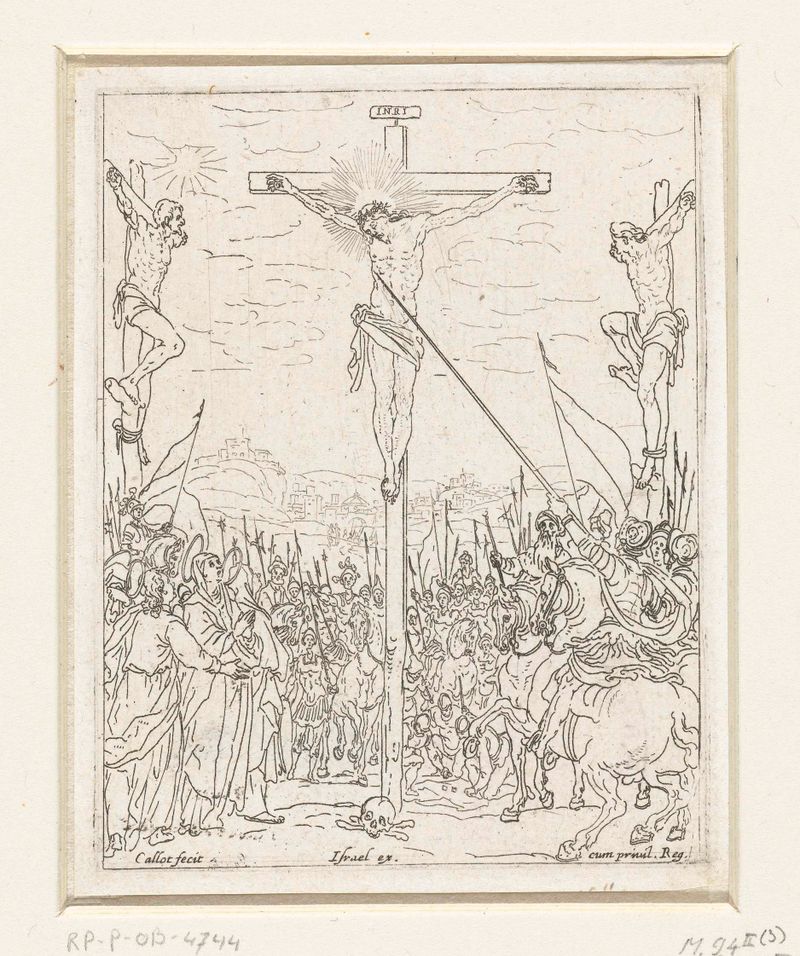
Kruisiging
Jacques Callot

De doortocht door de Rode Zee
Jacques Callot

De verloren zoon als zwijnenhoeder
Jacques Callot

Annunciatie
Jacques Callot
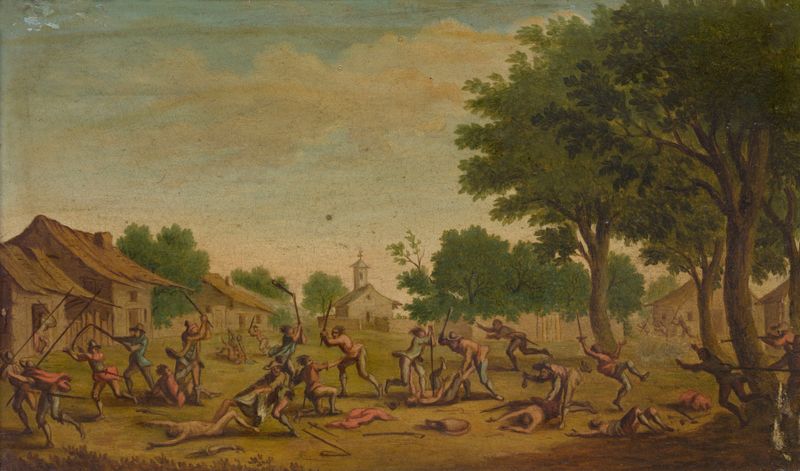
Village Fight
Jacques Callot

Titelprent voor prentreeks 'Het leven van Maria'
Jacques Callot
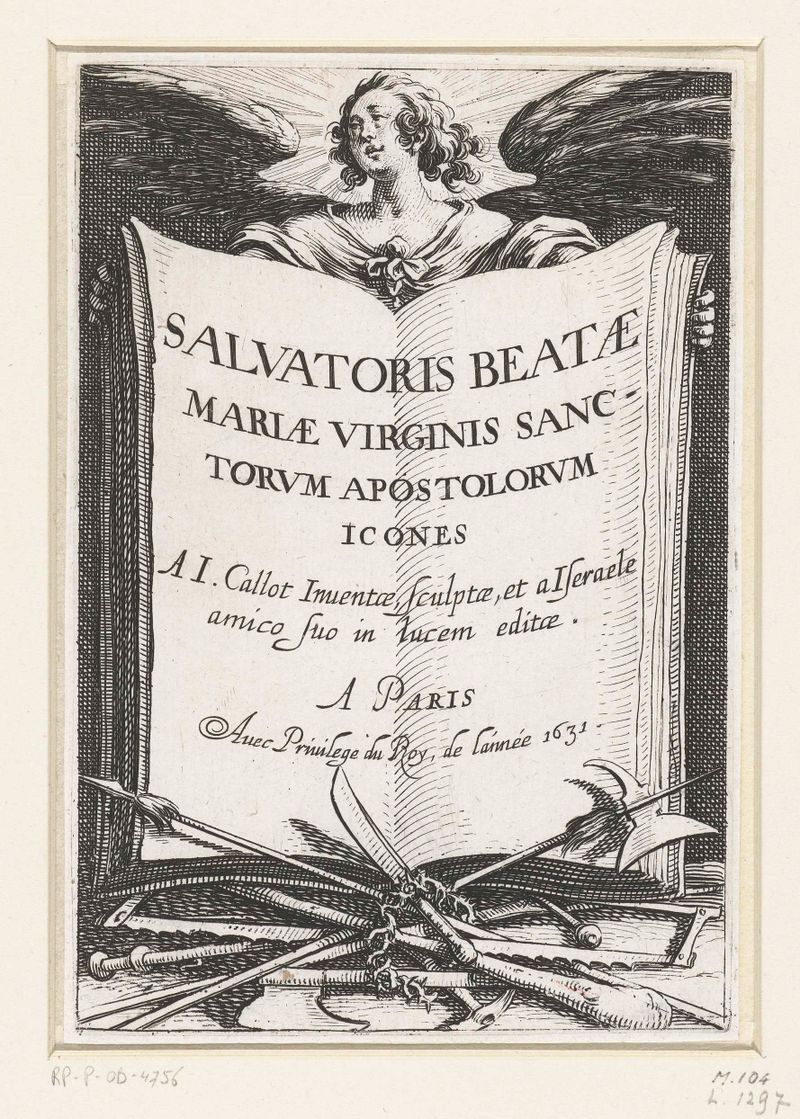
Titelprent voor de prentreeks 'De grote apostelen' (Christus, Maria en de apostelen)
Jacques Callot

Christus aan het volk getoond (Ecce homo)
Jacques Callot
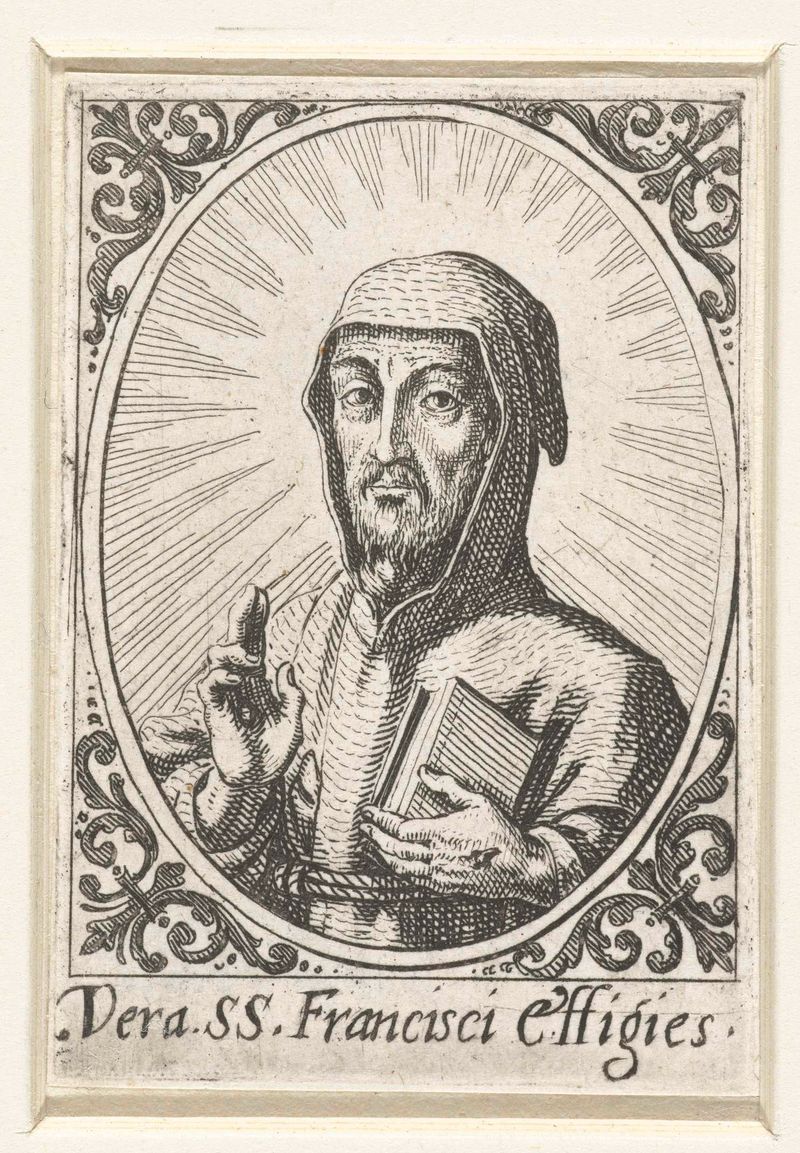
Portret van de Heilige Franciscus
Jacques Callot
More Religious Art
Browse all →
The Return of the Prodigal Son
Rembrandt van Rijn

The Garden of Earthly Delights
El Bosco

Count Orgaz’ funeral
El Greco

The Hundred Guilder Print: the central piece with Christ preaching, the plate arched
Rembrandt van Rijn

The Descent from the Cross
Rogier van der Weyden

The return of the prodigal son
Rembrandt van Rijn