
Vistula River at Tyniec — History & Facts
Where does light end, and longing begin? In the swirls of color and texture, a delicate chaos unfolds, evoking a sense of transition that lingers between the seen and the felt. Look to the upper left, where soft blues and whites blend seamlessly, suggesting a sky that is both tranquil and turbulent. Notice how the brushstrokes pulse with energy, guiding the eye down toward the placid surface of the Vistula River. The gentle reflections of the trees and landscape hint at a world that is at once serene and alive, while the use of golden hues captures the fleeting nature of daylight, imbuing the scene with a warm, lingering glow. Yet, beneath this serene exterior lies a tension between stability and flux.
The chaotic strokes in the river's current contrast sharply with the solid forms of the landscape, suggesting an underlying struggle between nature’s calm facade and the restless flow of time. The interplay of light and shadow across the water's surface further conveys the complexity of emotions, as if the river itself is a conduit for longing—a metaphor for life’s transitory moments. In 1905, Jan Stanisławski painted this work during a time of personal and artistic exploration. Living in Poland, he was immersed in the Impressionist movement, which sought to capture the essence of fleeting moments in nature.
This period marked a significant evolution in his style, as he embraced the emotive potential of color and brushwork, reflecting both his inner world and the broader currents of modern art.
More Artworks by Jan Stanisławski
Browse all →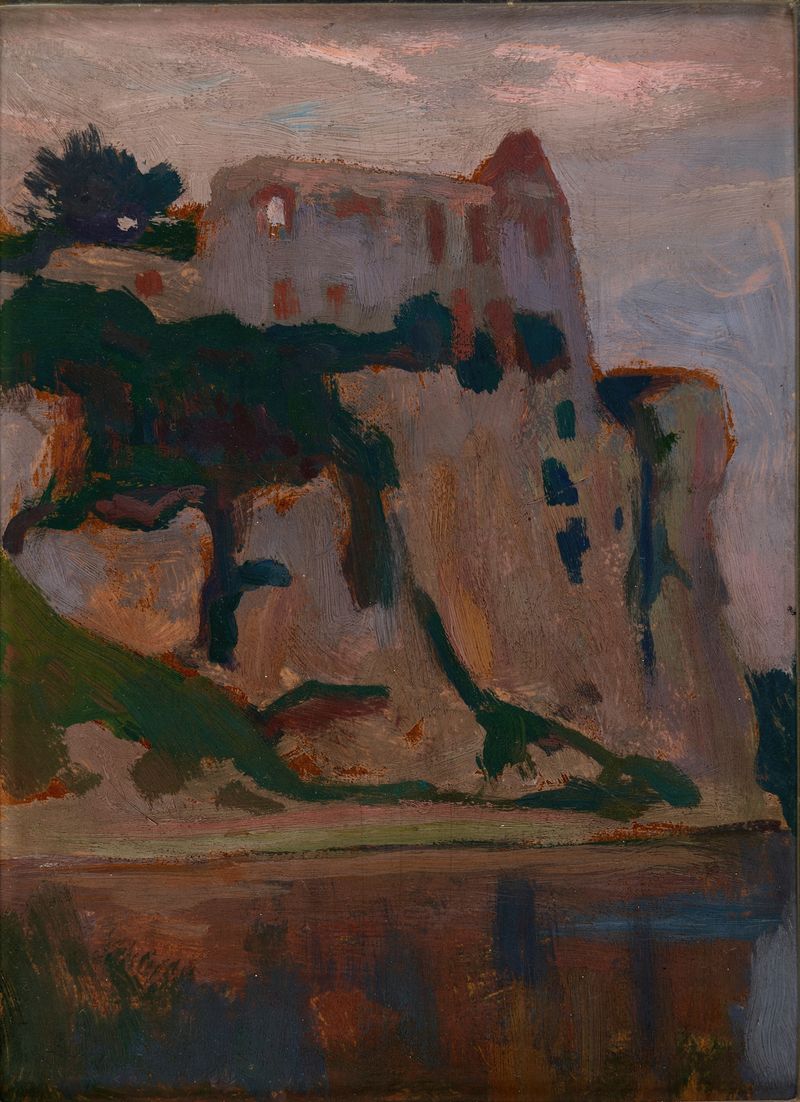
Tyniec at Dawn
Jan Stanisławski
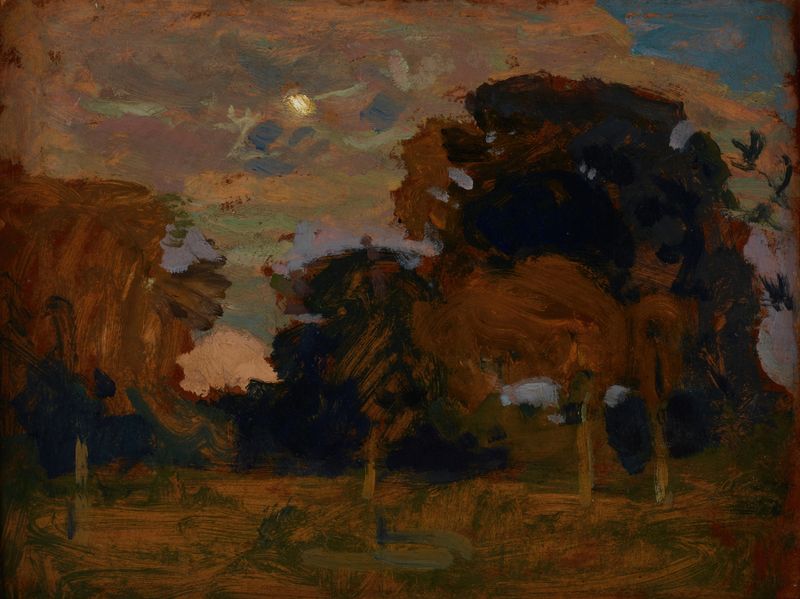
Moon in the Clouds
Jan Stanisławski
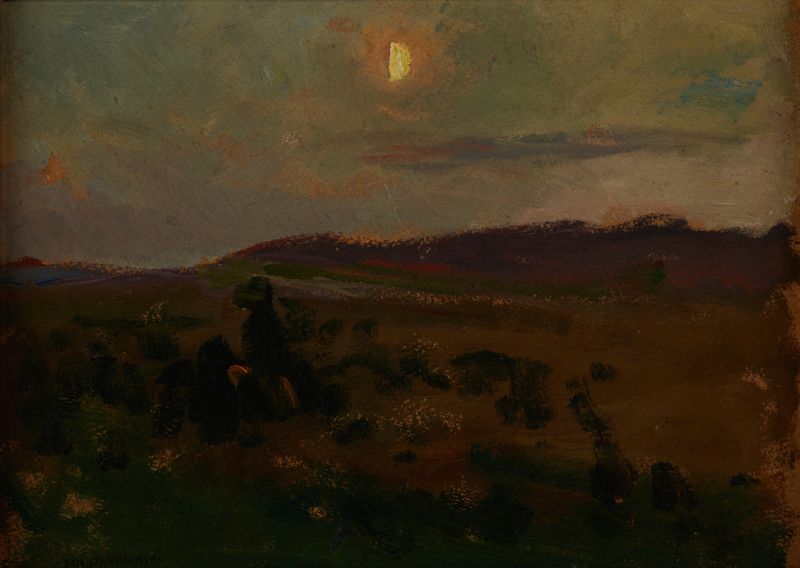
Moonrise
Jan Stanisławski
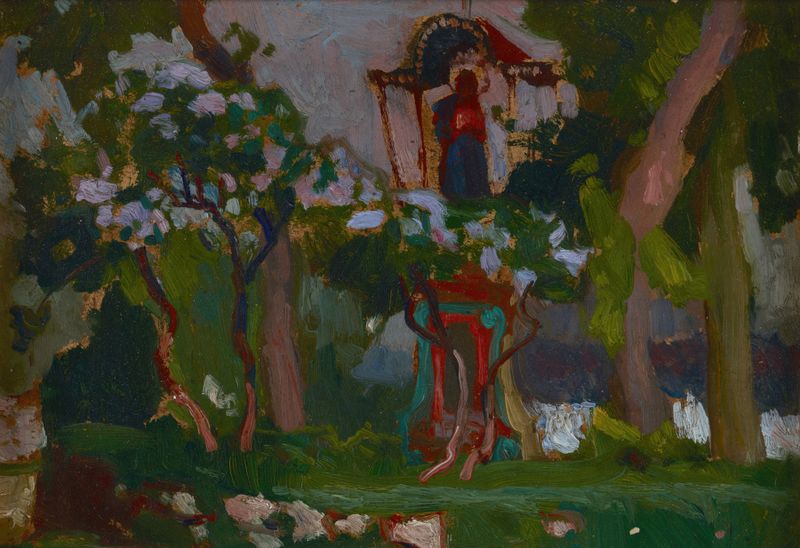
May
Jan Stanisławski
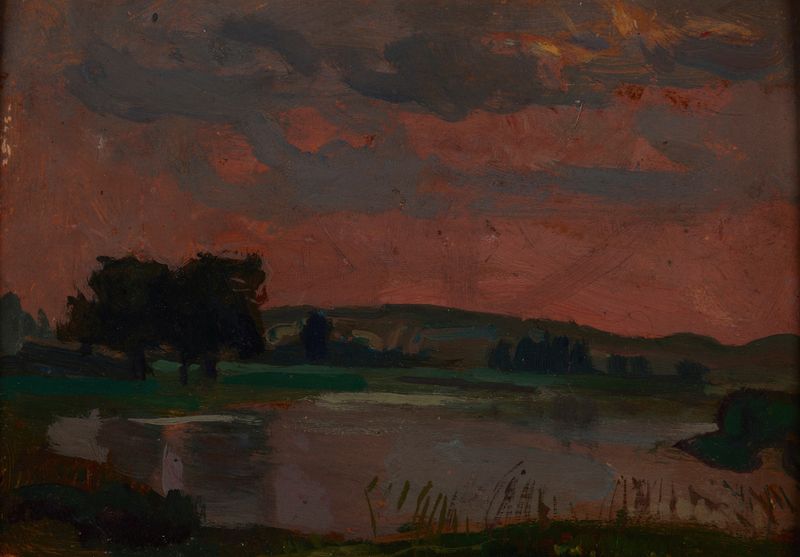
The Vistula in the Twilight
Jan Stanisławski
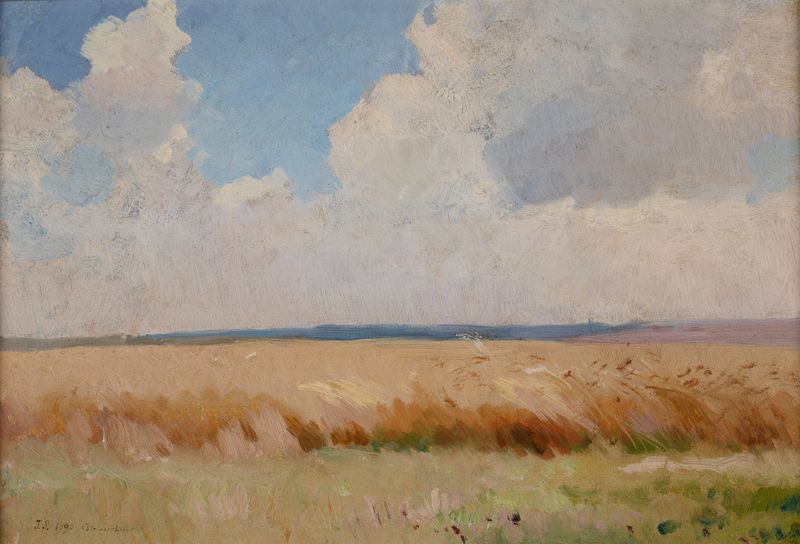
Field at Białocerkiew (Bila Tserkva)
Jan Stanisławski
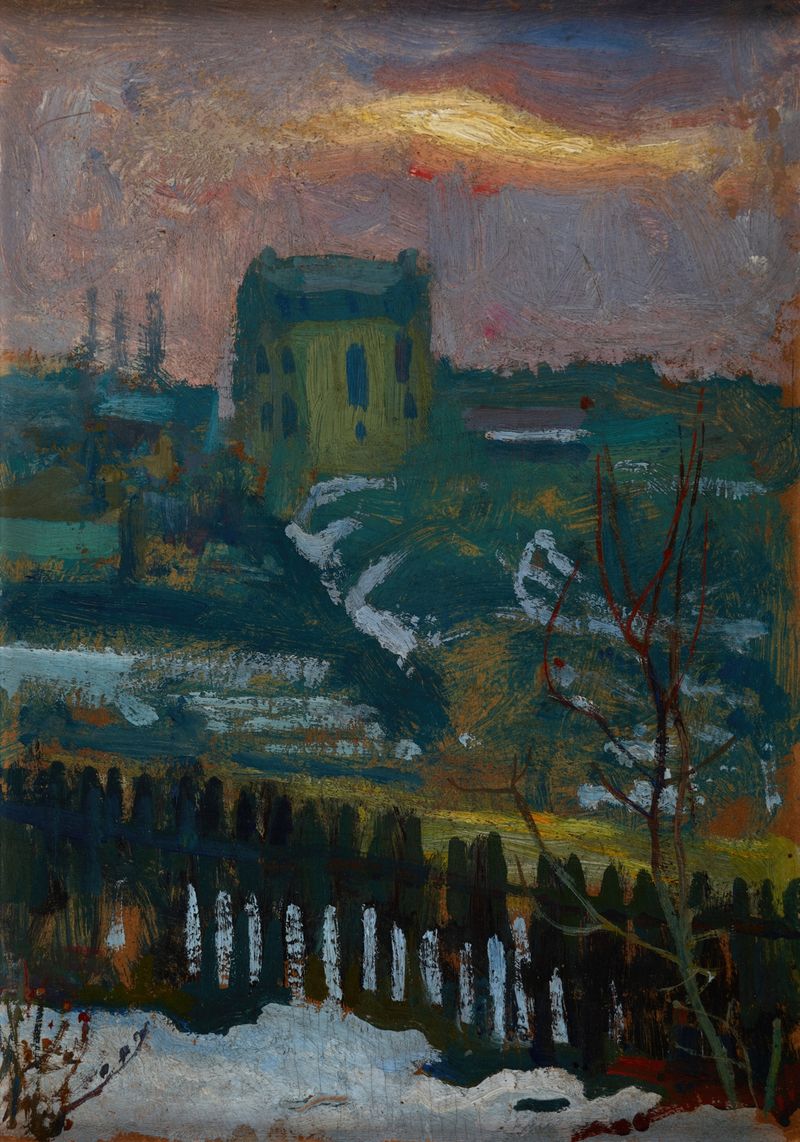
House in Winter
Jan Stanisławski
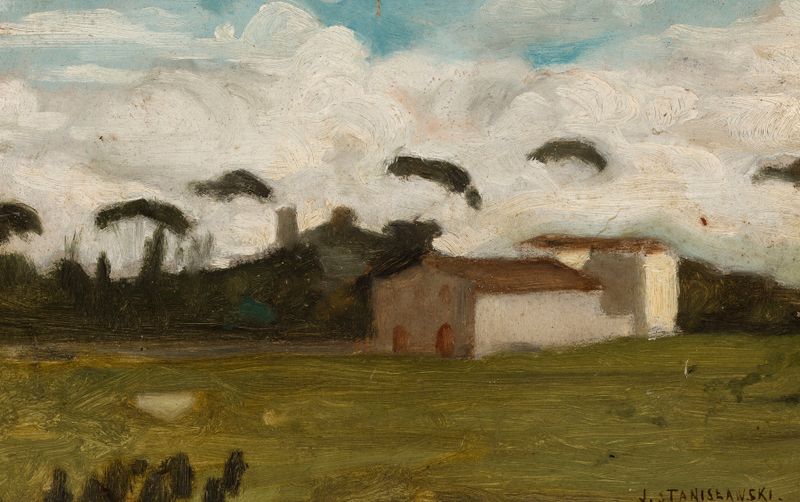
Landscape
Jan Stanisławski
Bielany at Dusk
Jan Stanisławski
Fields at Proszowice
Jan Stanisławski





