
Vjose, 12-30 p.m., 16 April 1857 — History & Facts
In the swirling chaos of memory lies a quest for clarity, an echo of the tumult that surrounds us, yet remains ungraspable. Look closely to the center of the composition where the vibrant blues and greens collide, reflecting a tumultuous landscape that seems both alive and chaotic. Notice how Lear’s brushstrokes create a sense of movement, as if the very air is charged with energy, making the viewer acutely aware of the fleeting moment captured on canvas. The interplay of light, both illuminating and shadowing, contributes to a sense of depth and distraction, pulling the eye in multiple directions. In this piece, the contrasting elements of calmness and disorder engage in a visual dialogue: the serene sky juxtaposed with the tumultuous waters below.
There’s an emotional tension between what is seen and what lies beneath the surface, hinting at the struggles and complexities of nature itself. The chaos of the landscape might symbolize the artist’s inner turmoil or the unpredictable rhythms of life that demand our attention, urging us to confront our own struggles with memory and experience. At the time this work was created, Lear was known primarily for his literary contributions, yet he sought solace in painting as a means to explore the world around him. The mid-19th century was a period rich with artistic exploration, and Lear, living in Italy, found inspiration in the dramatic landscapes that surrounded him.
This painting reflects not only his personal journey but also the broader artistic movements of the era, where chaos and beauty intertwined in the pursuit of capturing the essence of the natural world.
More Artworks by Edward Lear
Browse all →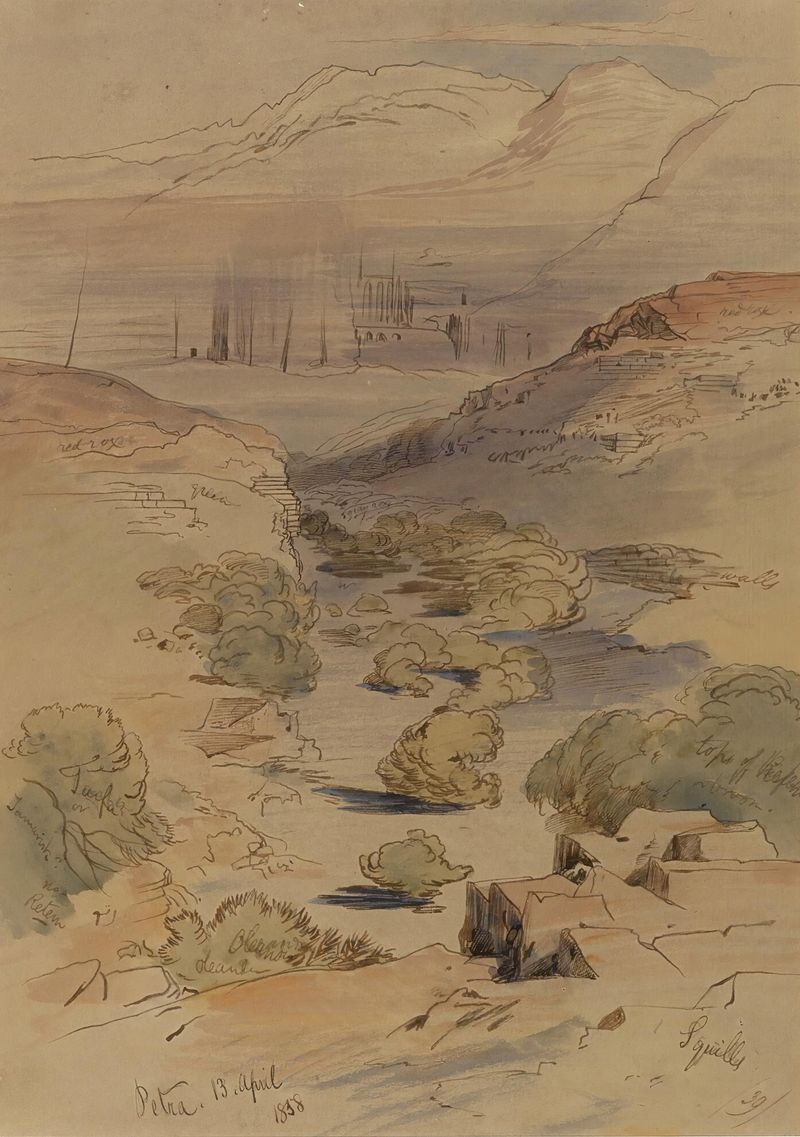
Petra
Edward Lear
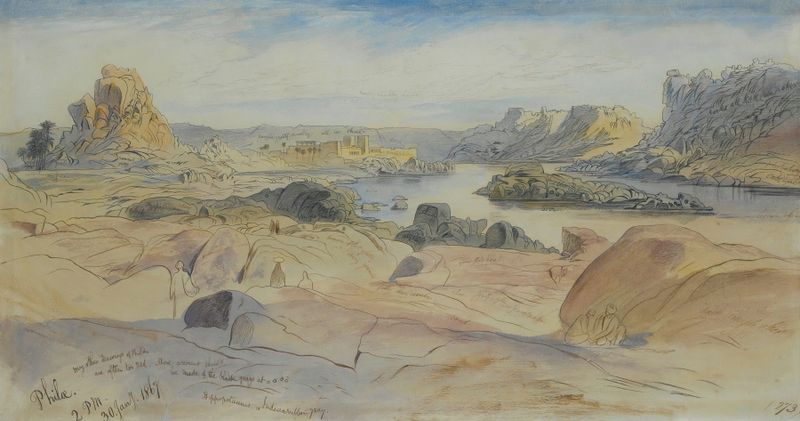
Philae, Egypt
Edward Lear
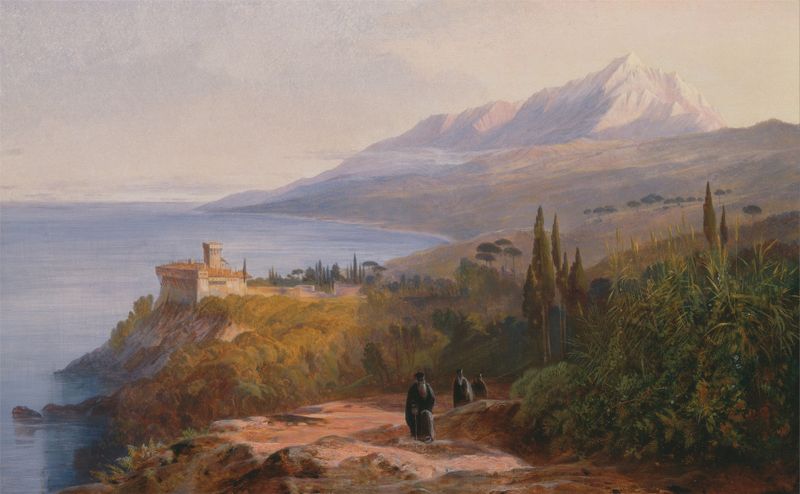
Mount Athos and the Monastery of Stavronikétes
Edward Lear
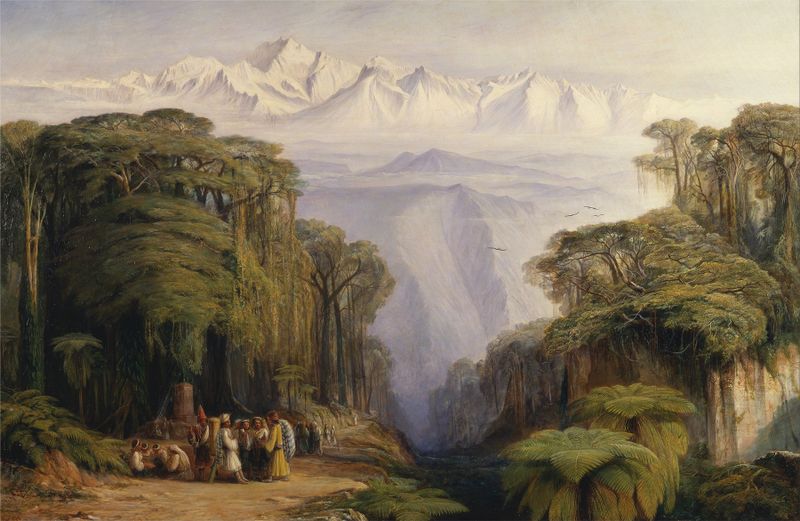
Kangchenjunga from Darjeeling
Edward Lear
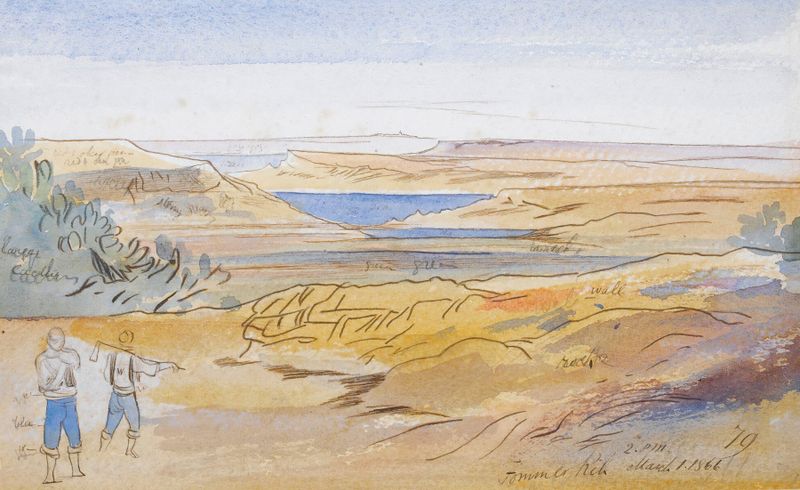
Fomm Ir-Rih, Malta
Edward Lear
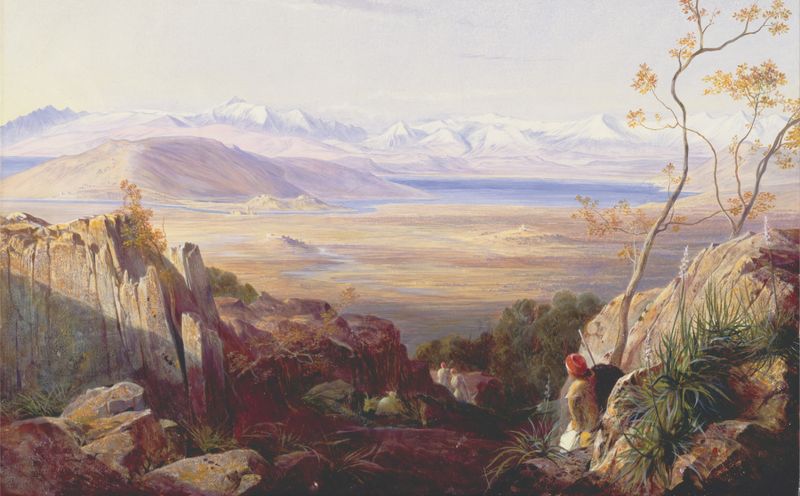
Butrinto, Albania
Edward Lear
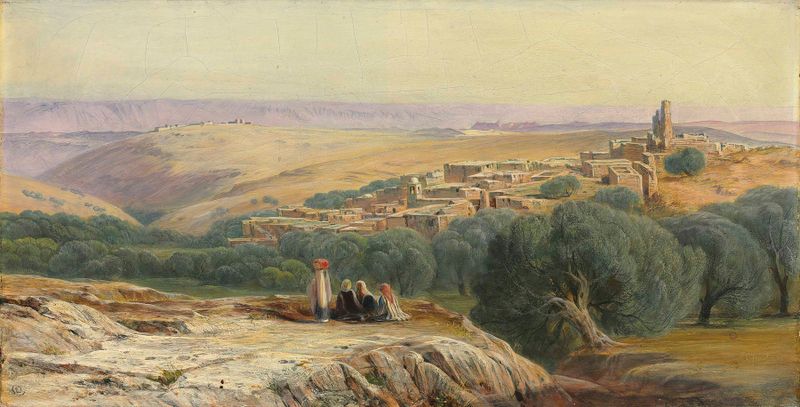
The Plains of Bethany
Edward Lear

Karnak, 9-30 pm, 22 January 1867
Edward Lear
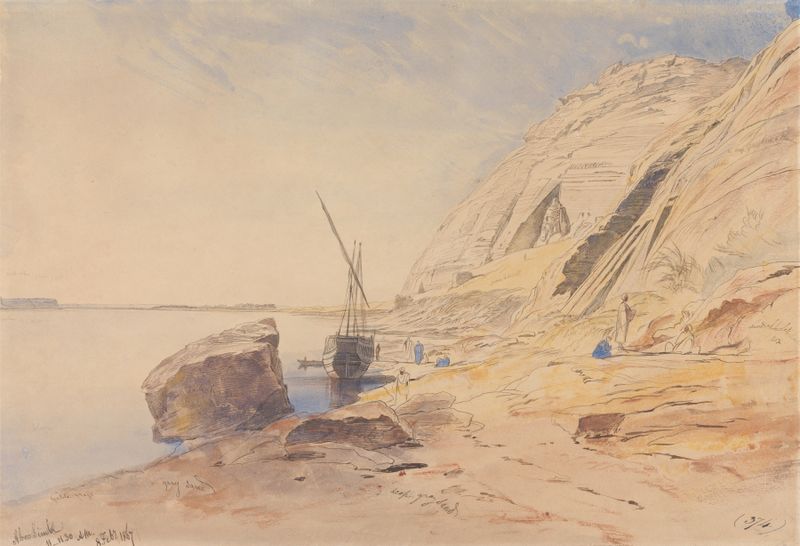
Abu Simbel, 11-11;30 am, 8 February 1867 (374)
Edward Lear

A View Of Mount Athos And The Pantokrator Monastery, Greece
Edward Lear





