Vlaamse hoeve — History & Facts
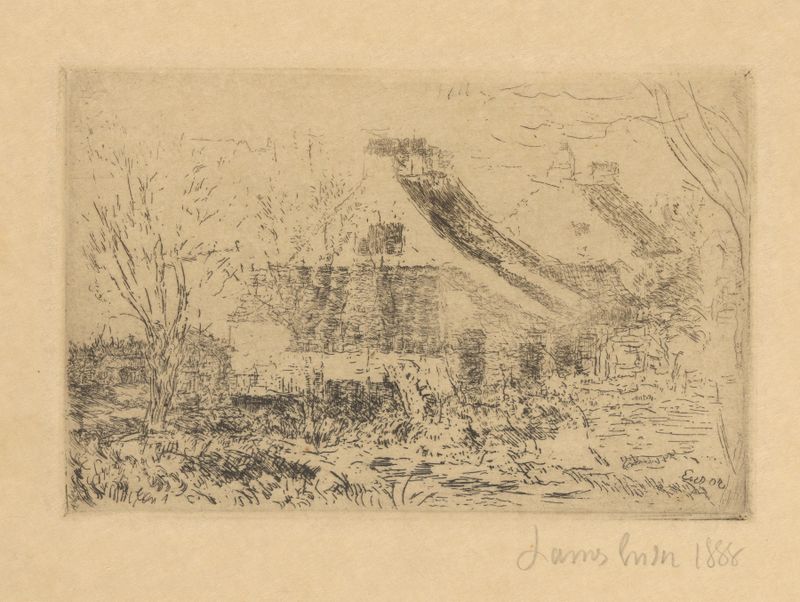
In the quietude of a farmhouse setting, longing and nostalgia whisper through the brushstrokes. Here, a simple scene resonates, speaking to the heart of home. Look to the middle of the canvas, where the warm ochres and soft browns blend seamlessly to portray the rustic charm of the dwelling. The weathered walls, bathed in gentle sunlight, invite you to wander closer and appreciate the artistry in the texture, achieved through a masterful interplay of light and shadow.
Notice how the artist’s delicate strokes convey both the solidity of the structure and the fleeting nature of rural life; it is a snapshot of existence, tinged with a warmth that feels both comforting and melancholic. A subtle tension lies within the composition, balancing the everyday against a sense of yearning. The slight tilt of the roof suggests imminent change, while the lush greenery encroaches, hinting at nature's quiet reclaiming of what was once dominated by human hands. The painting communicates a profound sense of nostalgia, evoking the universal desire for stability amid the relentless march of time.
Each element contributes to a layered narrative, where the familiar becomes a vessel for deeper emotional exploration. In 1888, while residing in Ostend, the artist was navigating the complexities of post-impressionism and symbolist movements. This work emerged during a period of introspection and experimentation, as Ensor sought to capture not just the physical world, but the emotional resonance of his surroundings. His exploration of themes like longing and memory became pivotal in his artistic evolution, reflecting the broader shifts in society and art during that era.
More Artworks by James Ensor
Browse all →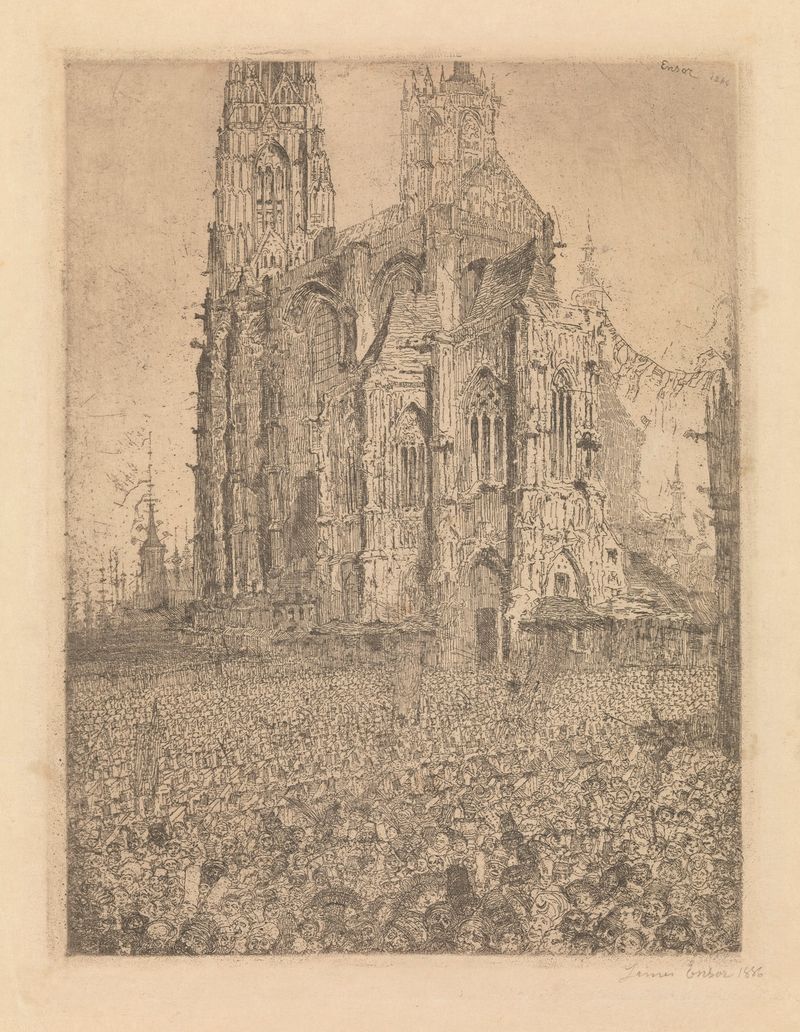
The Cathedral
James Ensor
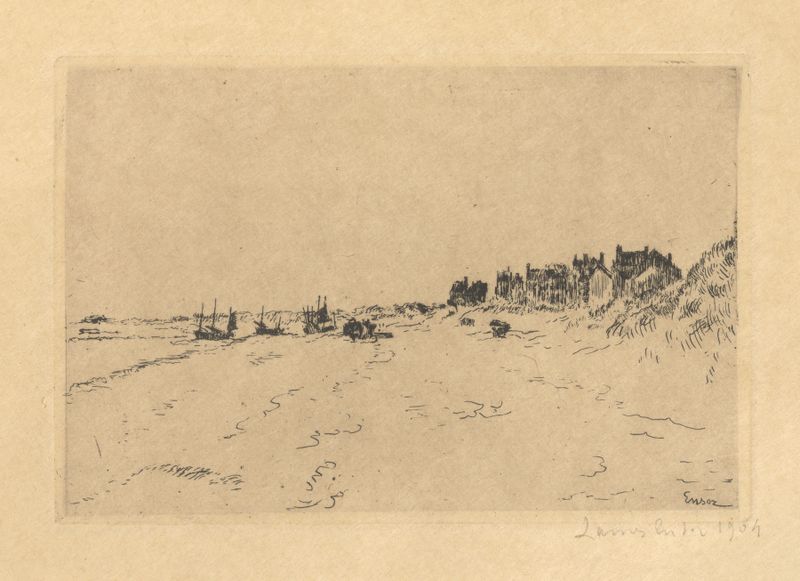
Het strand van De Panne
James Ensor
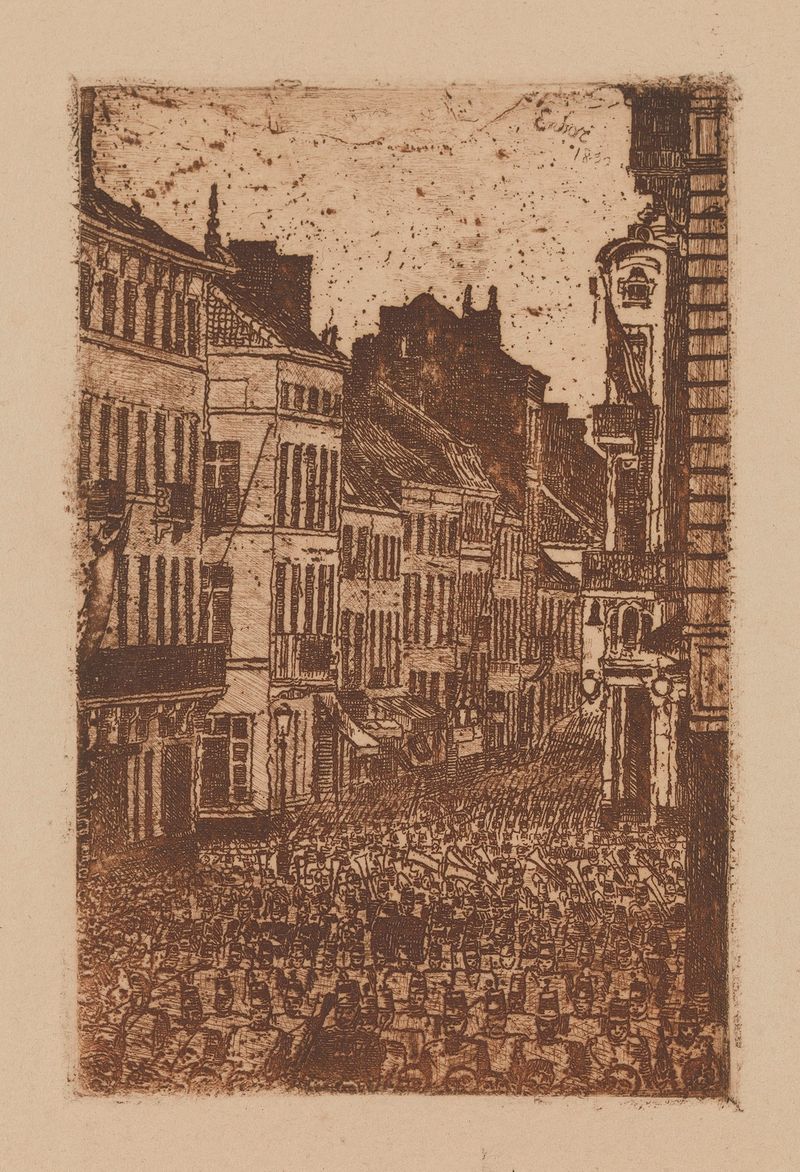
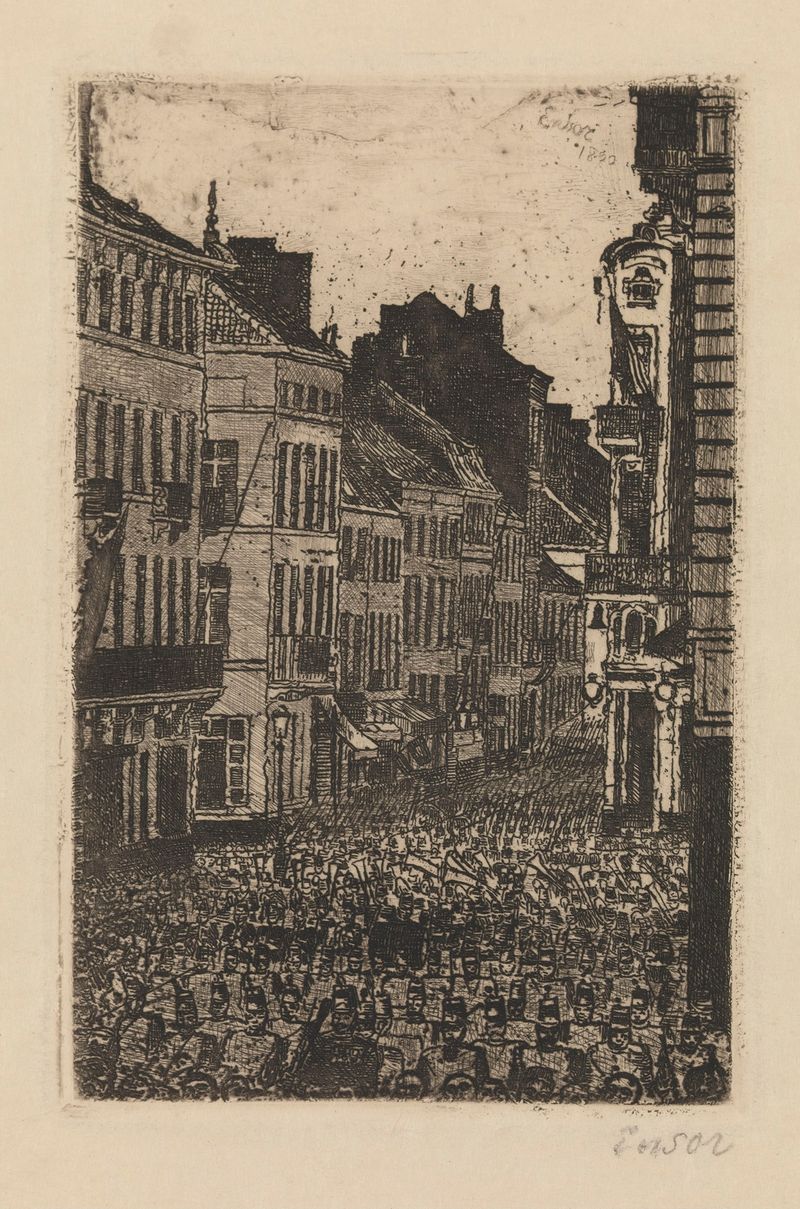
The Music in the rue de Flandre, Ostend
James Ensor
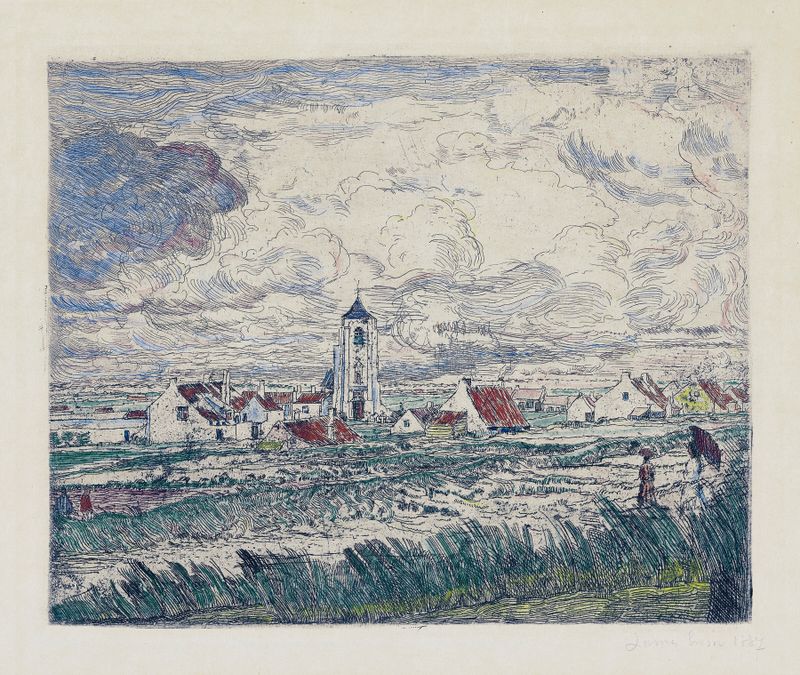
Grande vue de Mariakerke
James Ensor
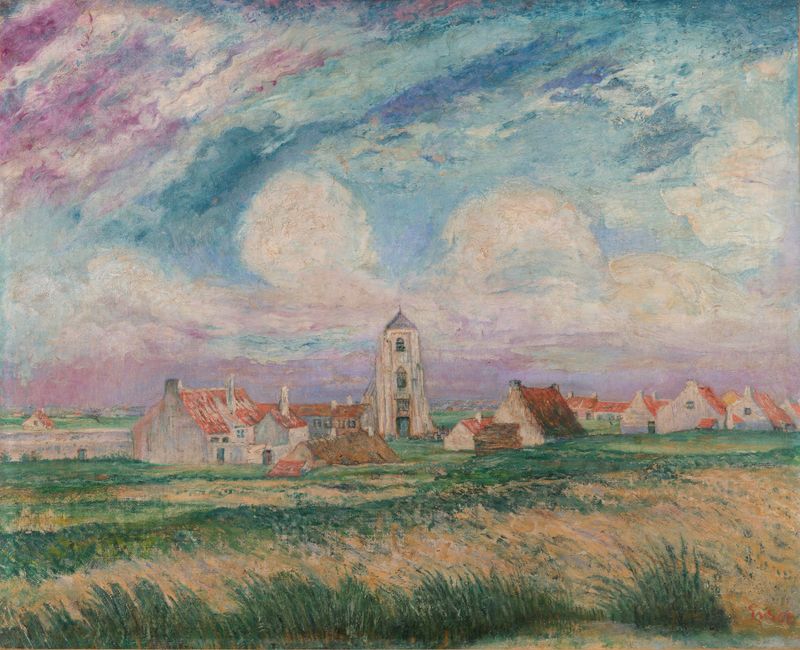
View of Mariakerke
James Ensor
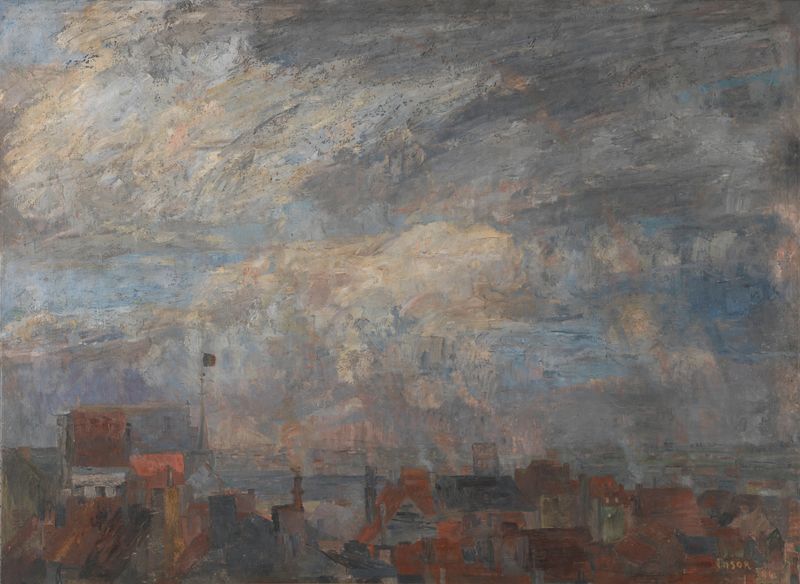
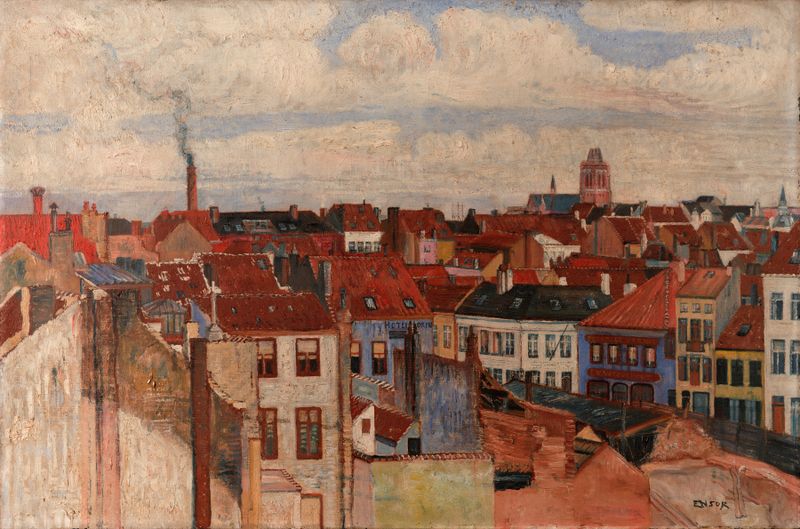
The Rooftops of Ostend
James Ensor
Huisjes in Mariakerke
James Ensor
The rooftops of Ostend
James Ensor
The Music in the rue de Flandre, Ostend
James Ensor
Verovering van een vreemde stad
James Ensor