Vlinders, wesp en andere insekten — History & Facts
In a realm teeming with life and decay, what does it mean to capture the delicate and the transient? The fragility of existence is laid bare, inviting the viewer into a moment suspended between vitality and inevitable demise. Focus first on the meticulously detailed butterflies, their vibrant wings a testament to nature’s artistry. Notice how the light dances across their surfaces, illuminating hues that range from soft pastels to striking contrasts. Shift your gaze to the wasp, its body elongated and poised, reminiscent of both beauty and menace.
The composition is carefully balanced, with insects overlapping and creating a visual rhythm that echoes the cycles of life — a fleeting ballet of survival and elegance. Within this assemblage lies a profound commentary on life’s impermanence. The juxtaposition of the fragile butterflies against the more robust wasp hints at nature's inherent paradox: beauty exists alongside danger. The subtle textures and intricate details evoke a sense of intimacy, drawing us closer to appreciate every vein in a wing, every glimmer of the exoskeleton.
This work is not merely an illustration of insects; it encapsulates a moment of reflection on the balance between fragility and resilience. Wenceslaus Hollar created this piece between 1644 and 1652, a period marked by his meticulous attention to detail while living in Europe during significant political upheaval. Having moved to England in 1637, he became known for his etchings and engravings that explored both the natural world and societal themes. This work signifies his shift towards intimate representations of nature, highlighting the delicate interplay between life and art, as he observed the intricacies of the world around him.
More Artworks by Wenceslaus Hollar
Browse all →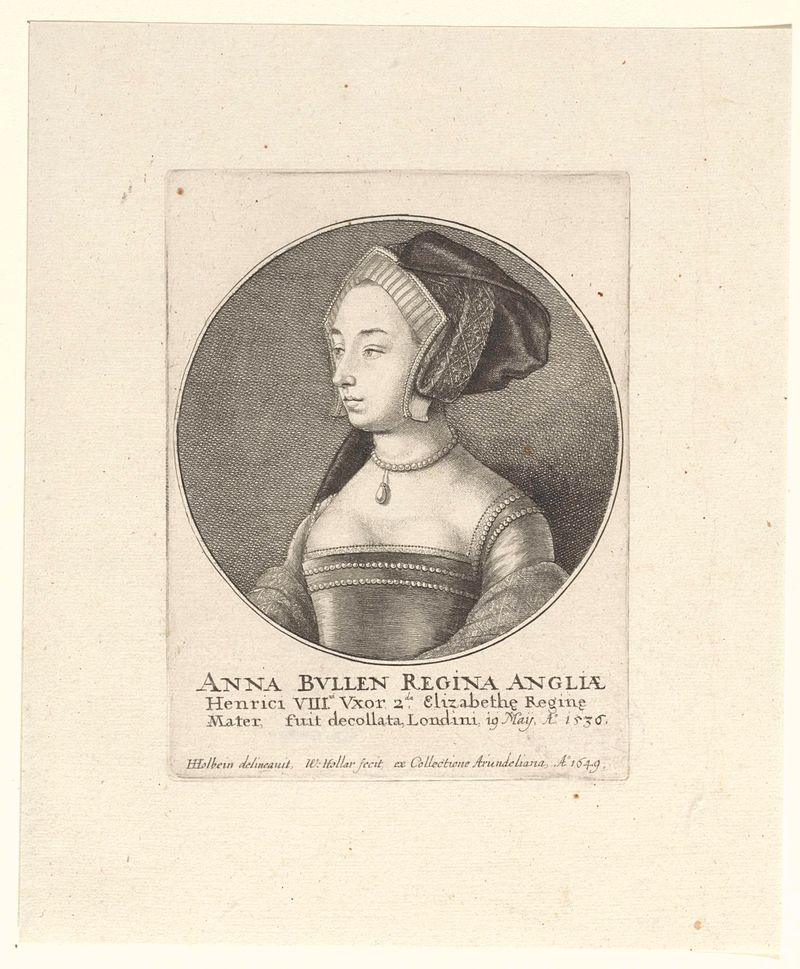
Portret van Anna Boleyn, koningin van Engeland
Wenceslaus Hollar
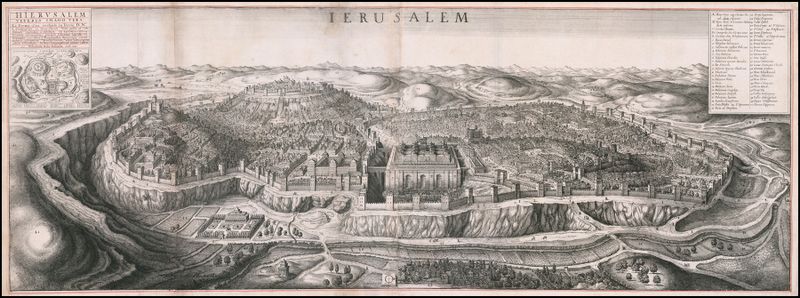
Bird’s eye view of Jerusalem
Wenceslaus Hollar
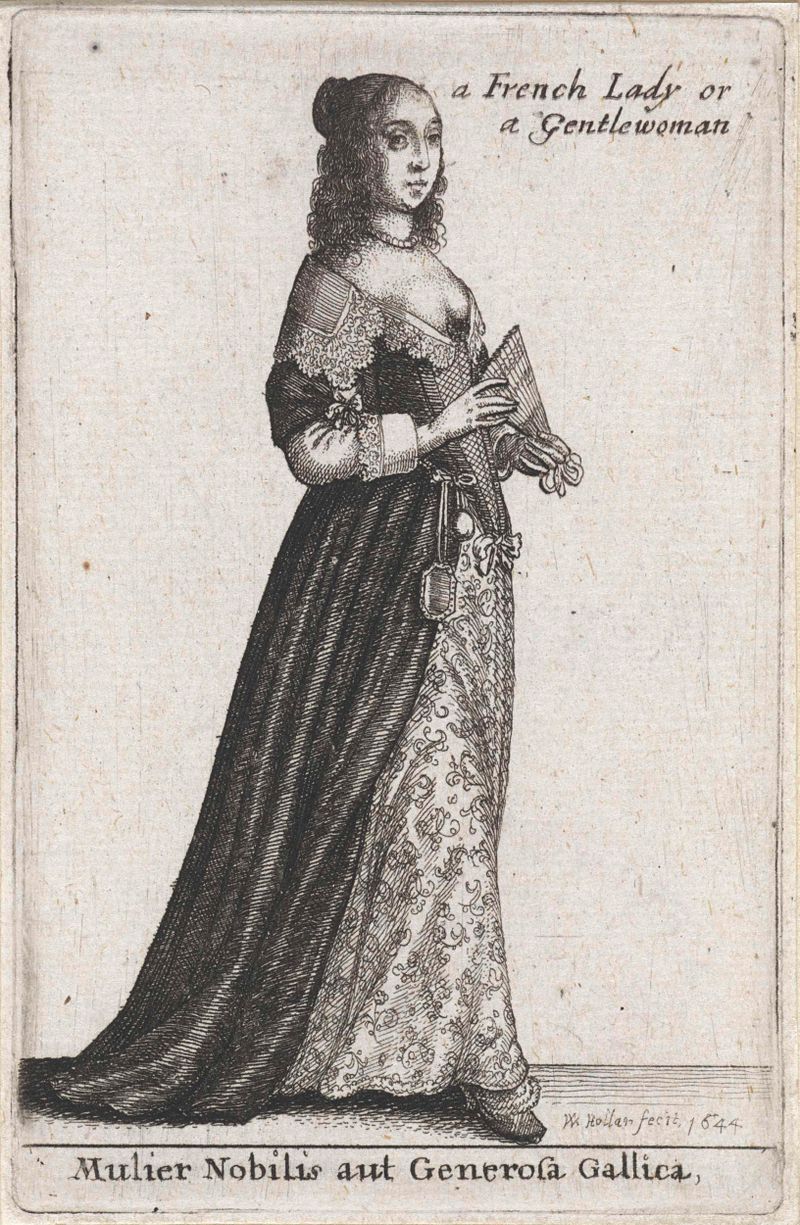
Mulier Nobilis aut Generosa Gallica / a French Lady or Gentlewoman
Wenceslaus Hollar
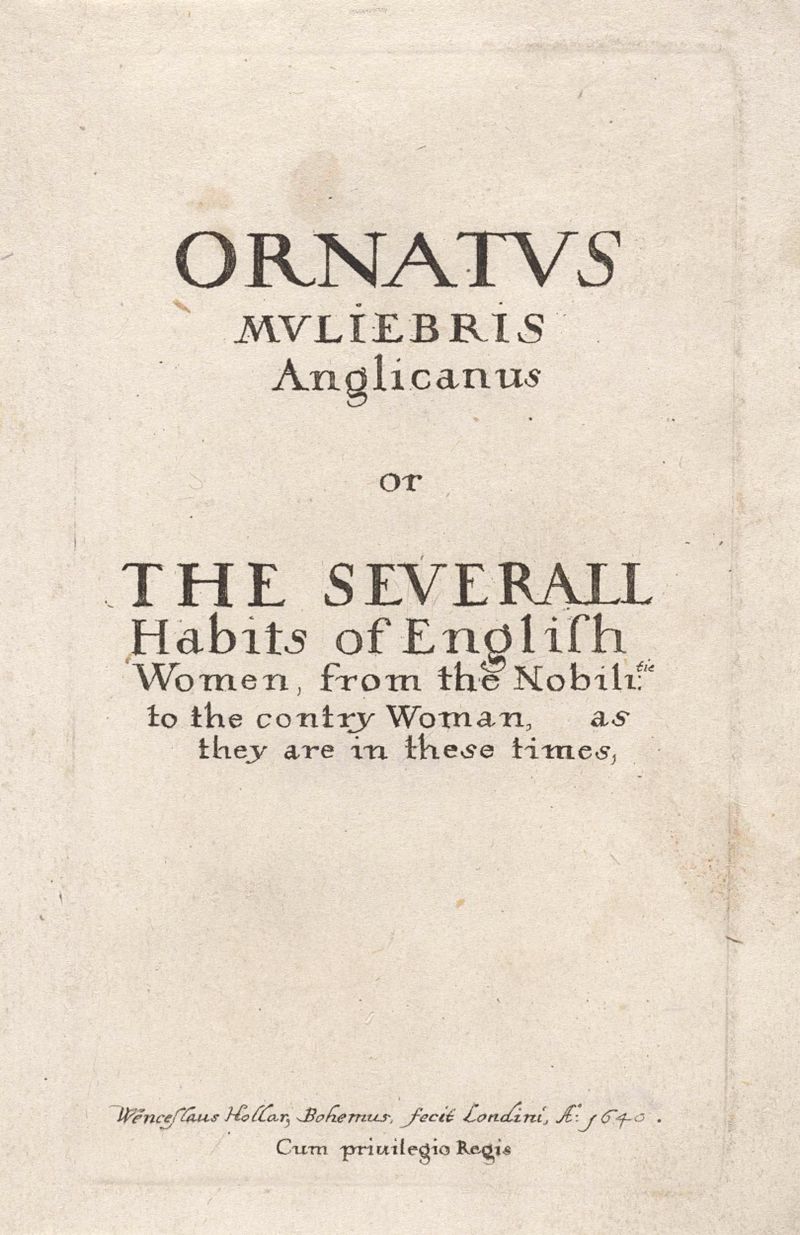
Titelprent voor: Ornatus Muliebris Anglicanus
Wenceslaus Hollar
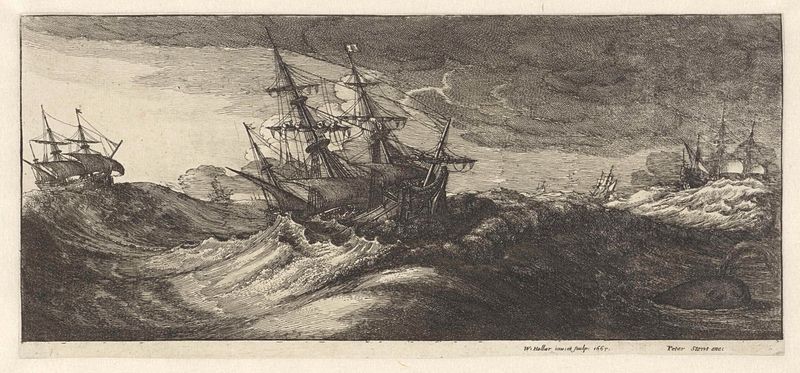
Oorlogsschepen en een walvis in een zeestorm
Wenceslaus Hollar
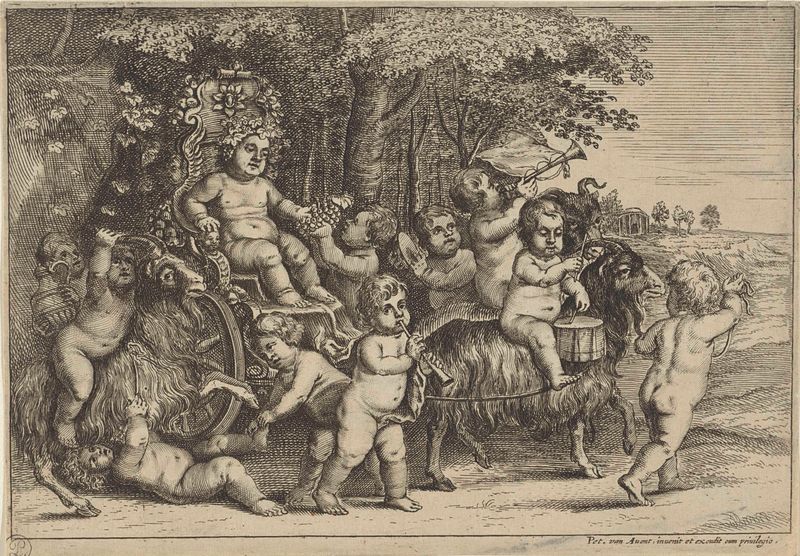
Optocht van bacchant en jongetjes op geiten
Wenceslaus Hollar
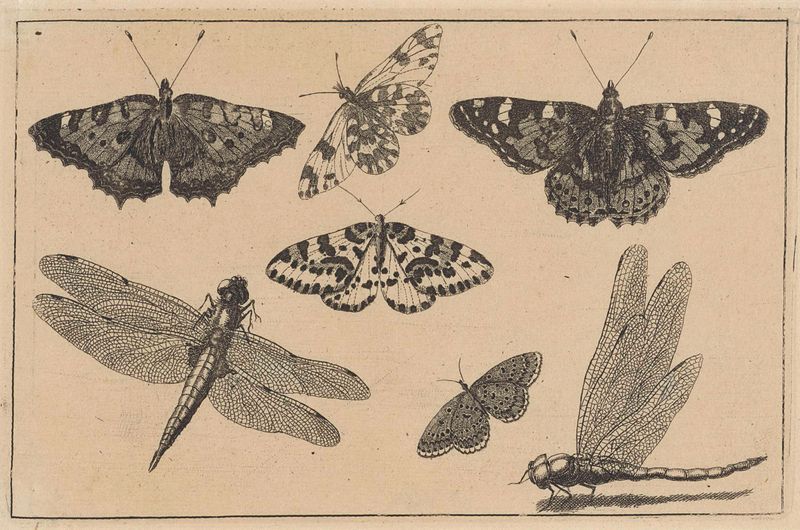
Twee libellen en vijf vlinders
Wenceslaus Hollar
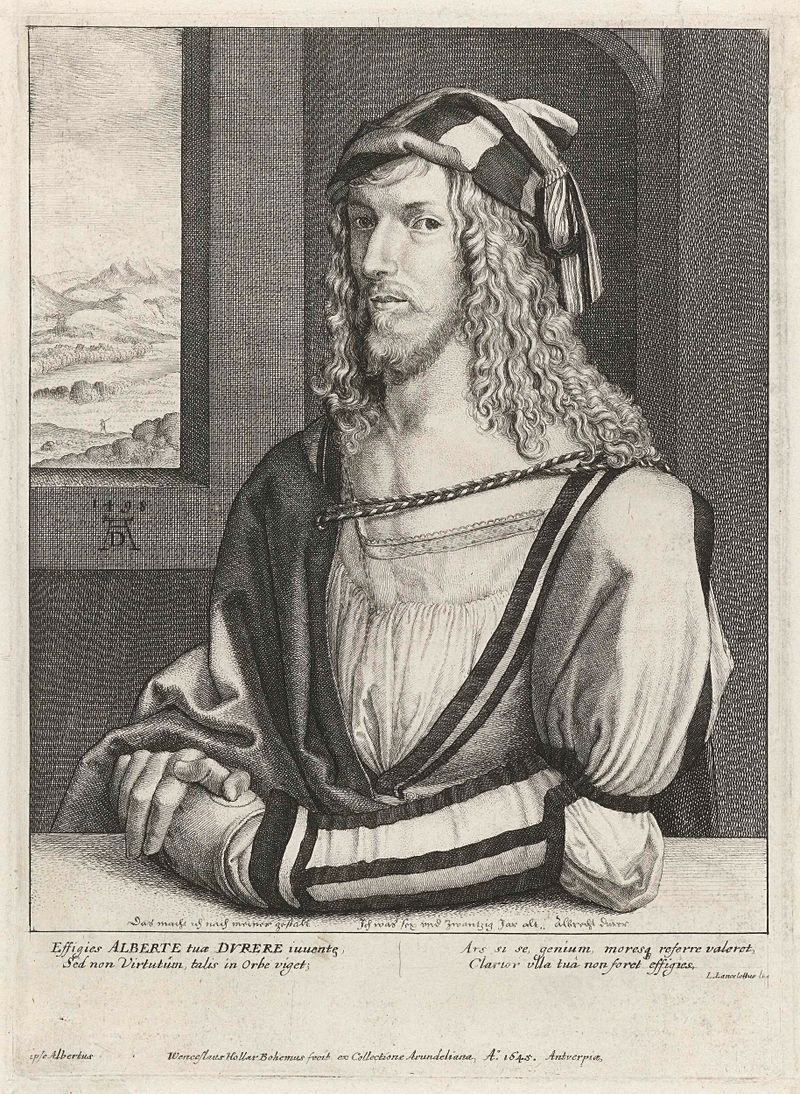
Portret van Albrecht Dürer
Wenceslaus Hollar
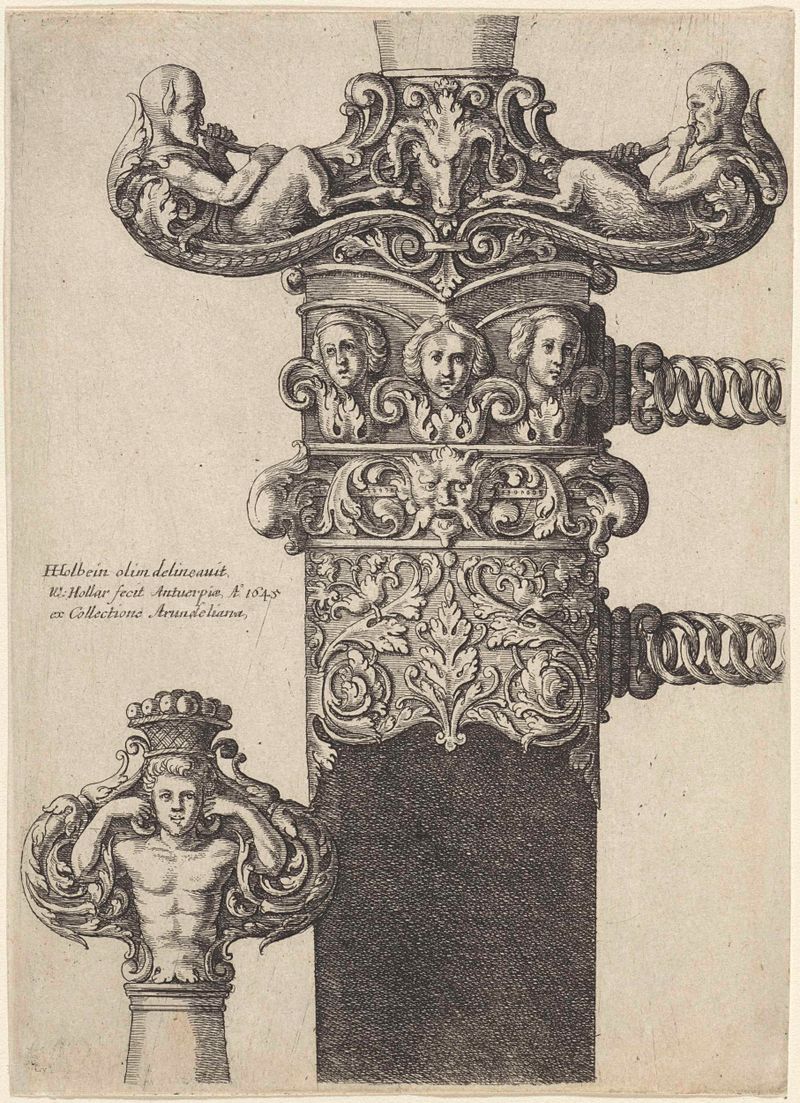
Ornamenteel ontwerp voor een dolk
Wenceslaus Hollar
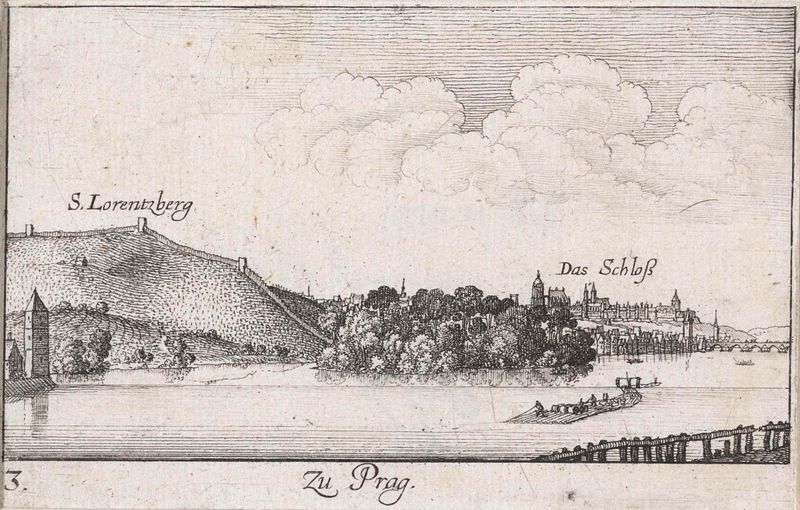
Gezicht op Praag vanaf de Moldau
Wenceslaus Hollar