
Vlucht naar Egypte — History & Facts
Could beauty survive in a century of chaos? In the swirling shadows of the 17th century, Vlucht naar Egypte captures a fleeting moment of refuge amid turmoil and decay. Look to the center of the piece, where a fragile family traverses a desolate landscape, their figures exuding both weariness and determination. The muted palette of browns and grays evokes a sense of melancholy, while shafts of light pierce through the clouds, illuminating their path. Each brushstroke reveals Callot's mastery of chiaroscuro, creating a vivid contrast between the darkness surrounding them and the fragile hope they carry. Consider the small details—notice how the child clutches the mother’s cloak, a gesture that speaks volumes of vulnerability and protection.
The abandoned buildings in the background symbolize not only physical decay but also the moral disintegration of society during a time of war. This juxtaposition of familial tenderness against a backdrop of desolation intensifies the emotional weight of the scene, prompting reflections on resilience amidst adversity. Callot painted this work in the early 1630s, a period marked by political strife and unrest across Europe, particularly in France. Living in Nancy, he was influenced by the chaos of the Thirty Years' War, which began in 1618 and wrought devastation across the continent.
His art often depicted the human condition's struggles, making Vlucht naar Egypte a poignant reflection of its time, a testament to endurance in the face of inevitable decay.
More Artworks by Jacques Callot
Browse all →
Titelprent voor de prentreeks 'De kleine apostelen' (Het martelaarschap van de apostelen)
Jacques Callot
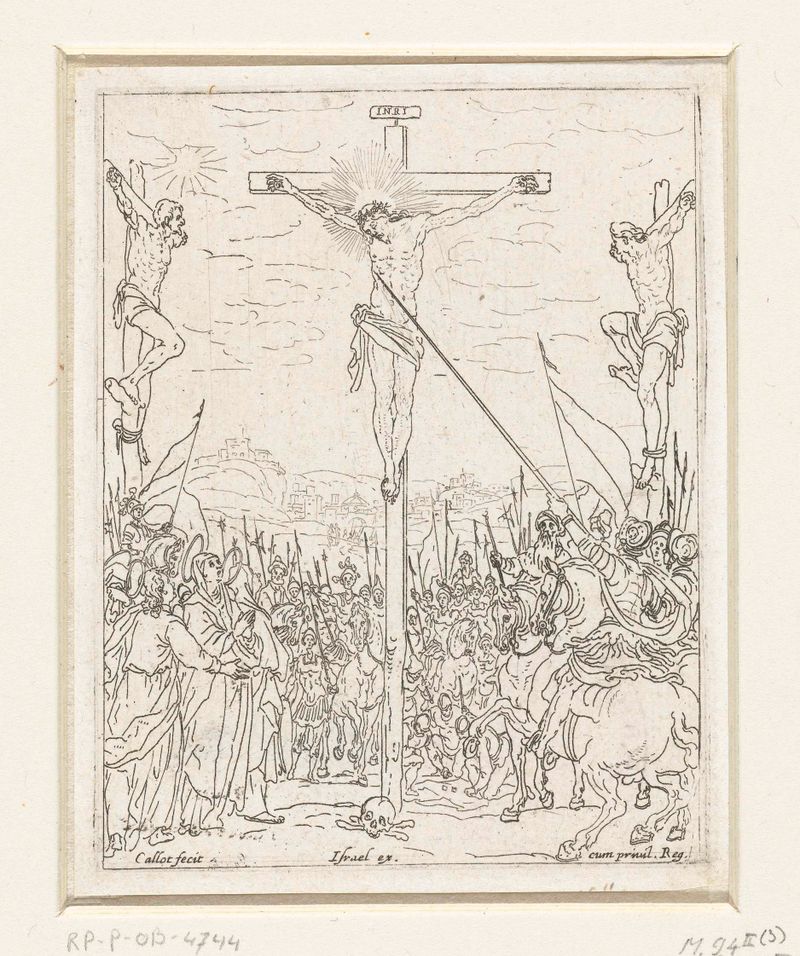
Kruisiging
Jacques Callot

De doortocht door de Rode Zee
Jacques Callot

De verloren zoon als zwijnenhoeder
Jacques Callot

Annunciatie
Jacques Callot
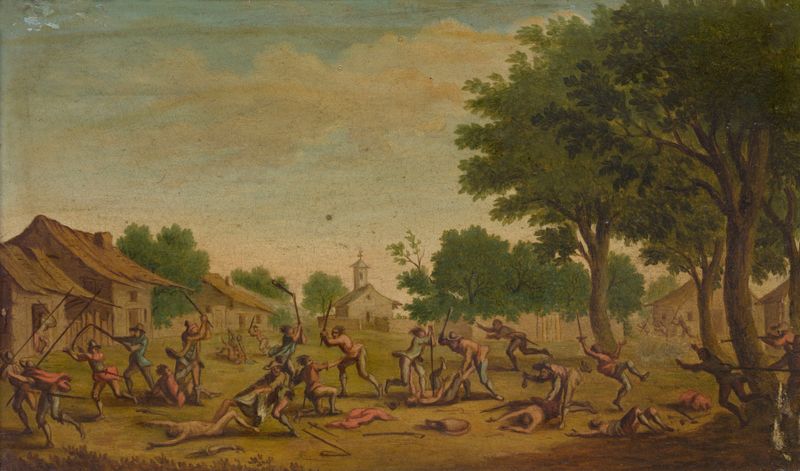
Village Fight
Jacques Callot

Titelprent voor prentreeks 'Het leven van Maria'
Jacques Callot
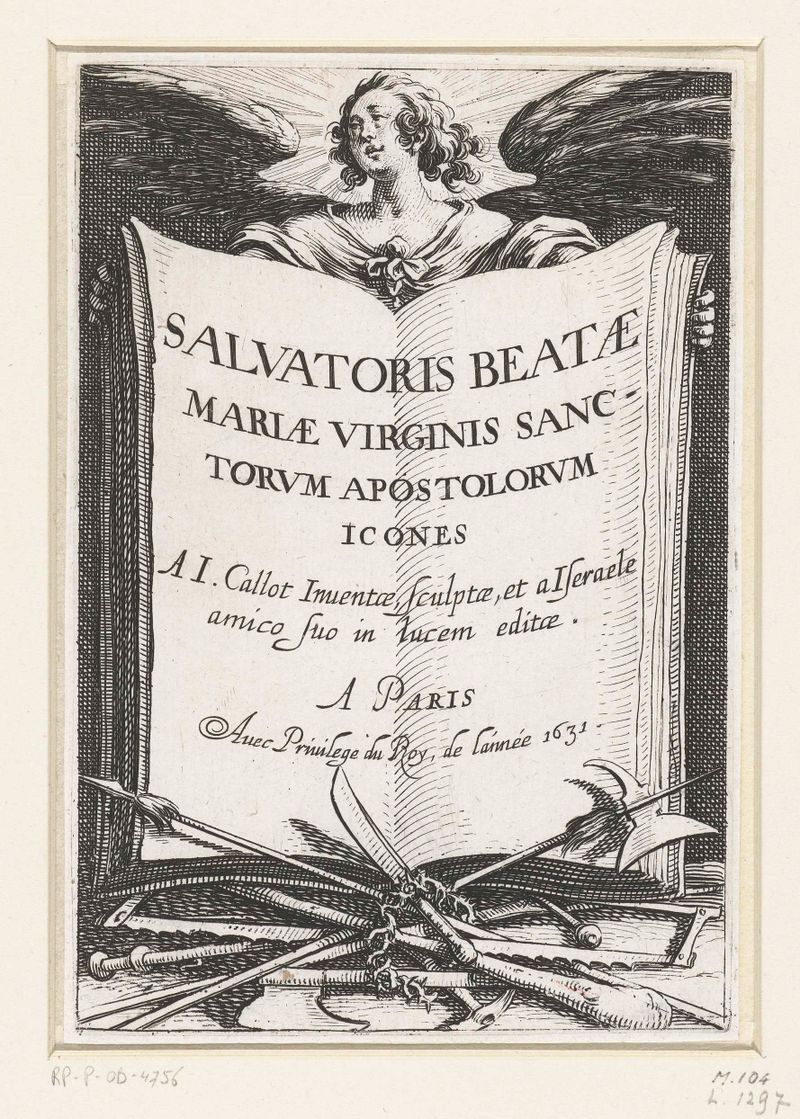
Titelprent voor de prentreeks 'De grote apostelen' (Christus, Maria en de apostelen)
Jacques Callot

Christus aan het volk getoond (Ecce homo)
Jacques Callot
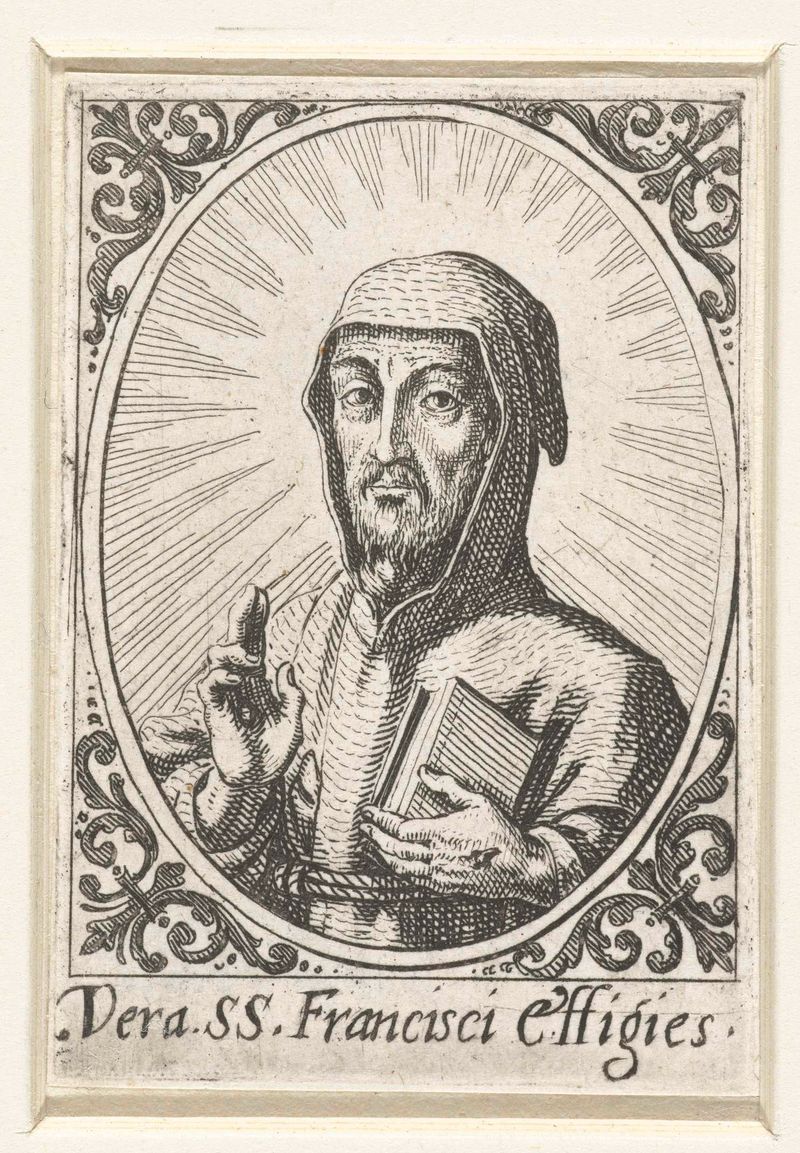
Portret van de Heilige Franciscus
Jacques Callot
More Religious Art
Browse all →
The Return of the Prodigal Son
Rembrandt van Rijn

The Garden of Earthly Delights
El Bosco

Count Orgaz’ funeral
El Greco

The Hundred Guilder Print: the central piece with Christ preaching, the plate arched
Rembrandt van Rijn

The Descent from the Cross
Rogier van der Weyden

The return of the prodigal son
Rembrandt van Rijn