
Voetwassing — History & Facts
What if beauty was never meant to be finished? In the intricate world of Voetwassing, one is left to ponder the delicate balance between order and chaos, a dance within the madness that envelops the human experience. Begin your exploration by focusing on the central figures engaged in a ritualistic foot-washing ceremony. Notice how the soft, muted palette of earth tones envelops the scene, creating a sense of intimacy. The careful arrangement of bodies, limbs entwined and hands gently cradling, draws the viewer’s eye to the act of cleansing.
Pay attention to the delicate play of light, highlighting the curves and contours of the figures while casting shadows that reveal the depth of their emotional state. Beneath the surface, there are hints of vulnerability and submission intertwined with the theme of purity. The act of washing, typically a symbol of rejuvenation, takes on a layer of madness when juxtaposed against the somber expressions of the figures. Look closely at their eyes; they betray a longing that transcends the simple act, suggesting a deeper, almost desperate yearning for connection.
The chaos of the human condition looms over this sacred moment, giving birth to an unsettling beauty that compels the viewer to reflect on their own existence. Jacques Callot created this work between 1619 and 1624 during his time in the vibrant artistic hub of Florence. As Europe was emerging from the turmoil of the Thirty Years' War, he navigated the complexities of human emotion through his art, experimenting with etching techniques that set him apart from his contemporaries. This period marked a significant evolution in his career, where he sought to capture the intricate dance of life and madness that defines humanity.
More Artworks by Jacques Callot
Browse all →
Titelprent voor de prentreeks 'De kleine apostelen' (Het martelaarschap van de apostelen)
Jacques Callot
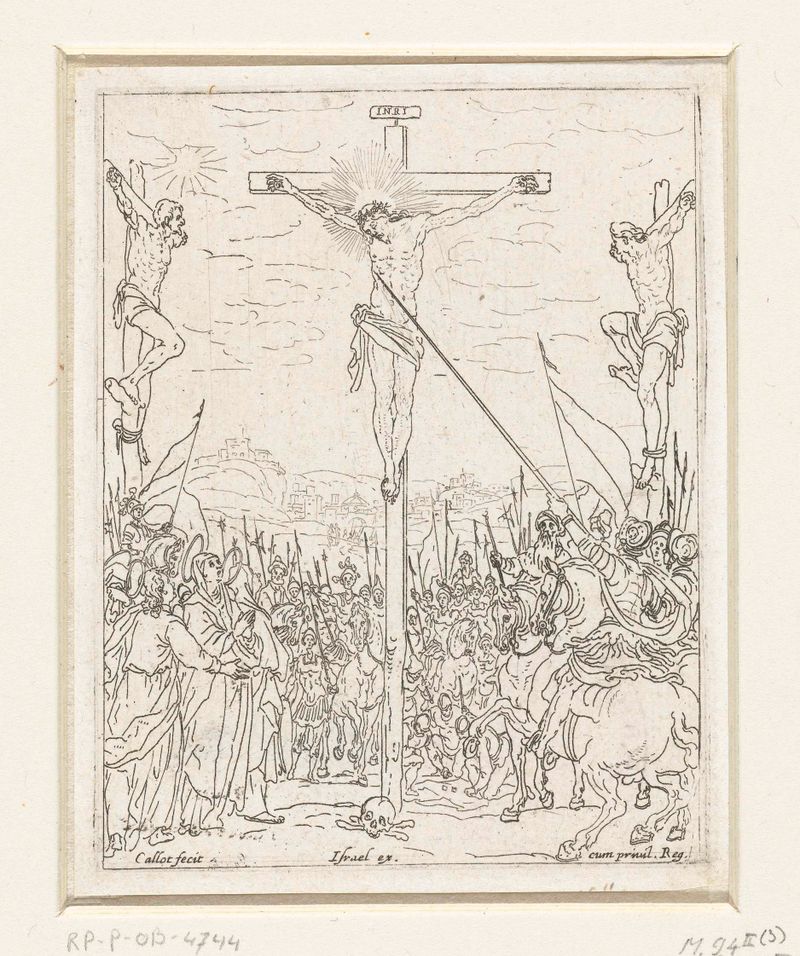
Kruisiging
Jacques Callot

De doortocht door de Rode Zee
Jacques Callot

De verloren zoon als zwijnenhoeder
Jacques Callot

Annunciatie
Jacques Callot
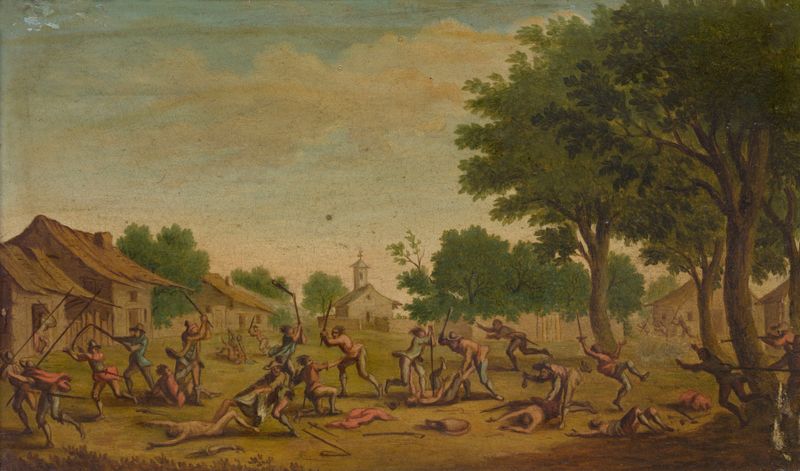
Village Fight
Jacques Callot

Titelprent voor prentreeks 'Het leven van Maria'
Jacques Callot
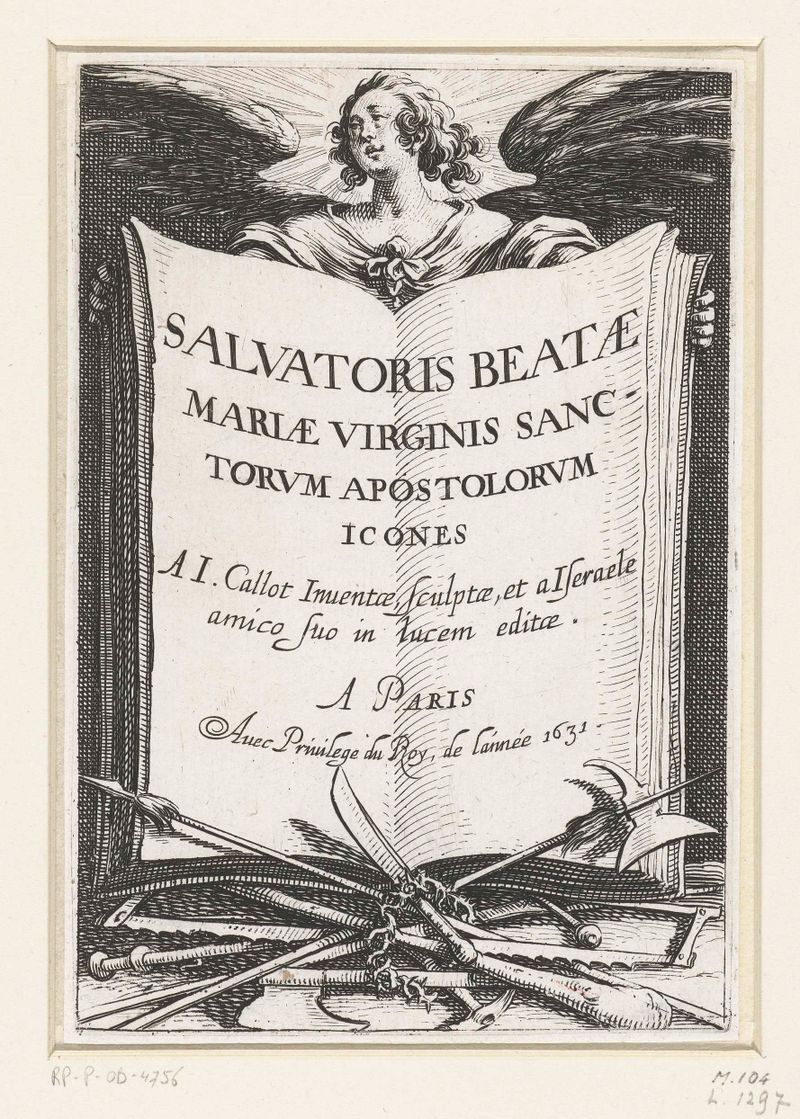
Titelprent voor de prentreeks 'De grote apostelen' (Christus, Maria en de apostelen)
Jacques Callot

Christus aan het volk getoond (Ecce homo)
Jacques Callot
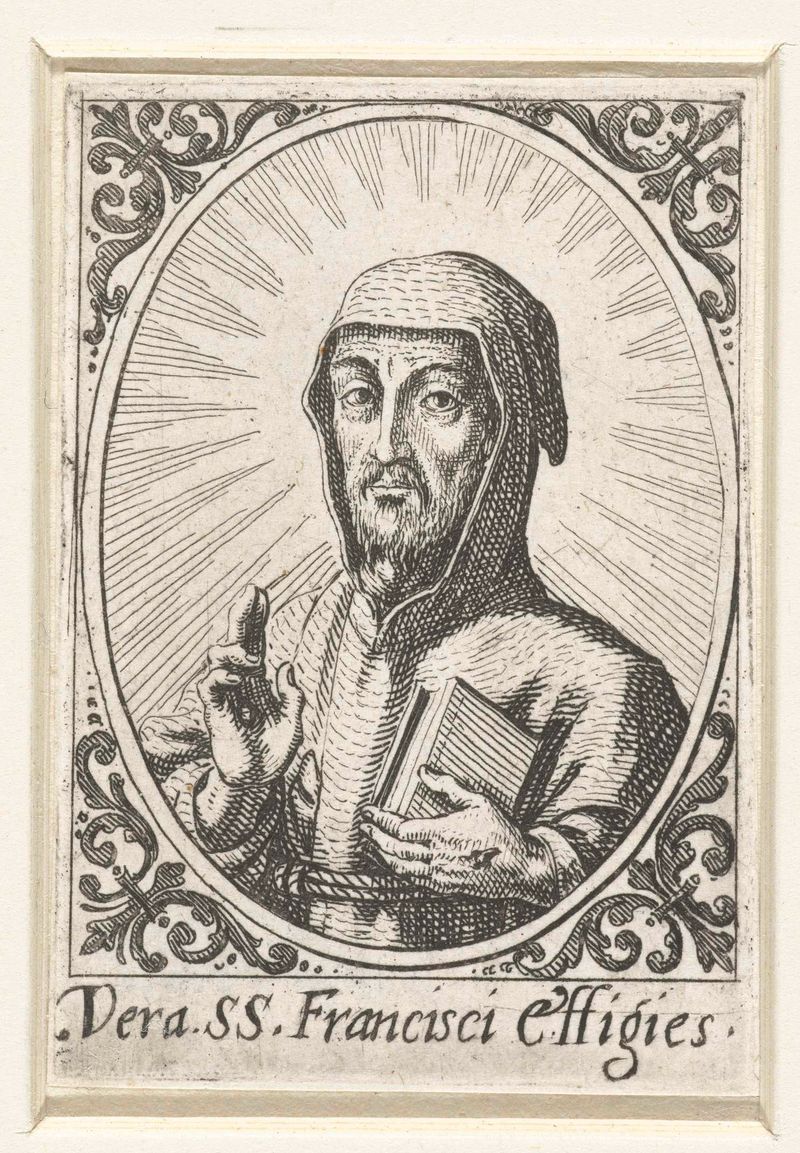
Portret van de Heilige Franciscus
Jacques Callot
More Religious Art
Browse all →
The Return of the Prodigal Son
Rembrandt van Rijn

The Garden of Earthly Delights
El Bosco

Count Orgaz’ funeral
El Greco

The Hundred Guilder Print: the central piece with Christ preaching, the plate arched
Rembrandt van Rijn

The Descent from the Cross
Rogier van der Weyden

The return of the prodigal son
Rembrandt van Rijn