
Volendam — History & Facts
Who listens when art speaks of silence? In Volendam, a scene unfolds, tender and profound, where the stillness carries an electric charge of ecstasy hidden beneath tranquil exteriors. Start by examining the serene shoreline on the left, where weathered boats rest gently in the water. The muted palette of blues and greens contrasts with vibrant splashes of color in the fishing nets and the boats' hulls, drawing the eye to the heart of this coastal village. Notice how the soft brushwork creates a textured surface that invites you to touch the essence of the scene — each stroke whispers of a life lived close to the rhythms of nature.
The play of light dances softly on the water, reflecting the quietude of the moment while hinting at the unseen stories lurking beneath. Delve deeper into the emotional layers: the boats, symbols of labor and livelihood, seem frozen in a moment of anticipation, waiting for a breeze that never arrives. The stillness speaks to a universal longing — for connection, for movement, for the thrill of the unknown. In the background, distant figures blend into the horizon, their distant gestures suggesting an everyday communion with the sea, yet their anonymity amplifies the sense of solitude within the frame. Willem Adrianus Grondhout painted this landscape during a period from 1888 to 1934, a time marked by transitions in both personal life and broader artistic movements.
Living in the Netherlands, he found inspiration in the picturesque fishing village of Volendam, capturing its quiet charm amid the growing urbanization of the era. The painting reflects not just his admiration for rural life but also his response to the evolving art world around him, where realism began to blend with impressionist influences.
More Artworks by Willem Adrianus Grondhout
Browse all →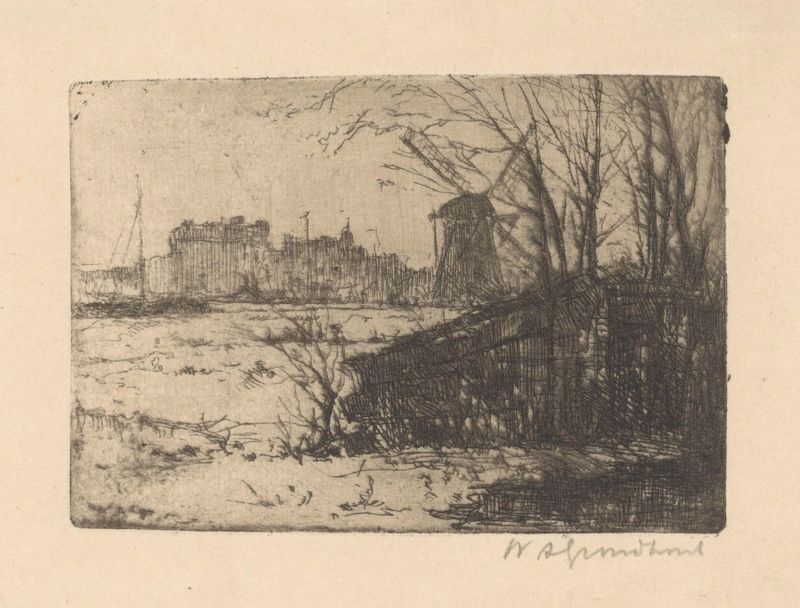
Landschap met molen in de Binckhorst in Den Haag
Willem Adrianus Grondhout
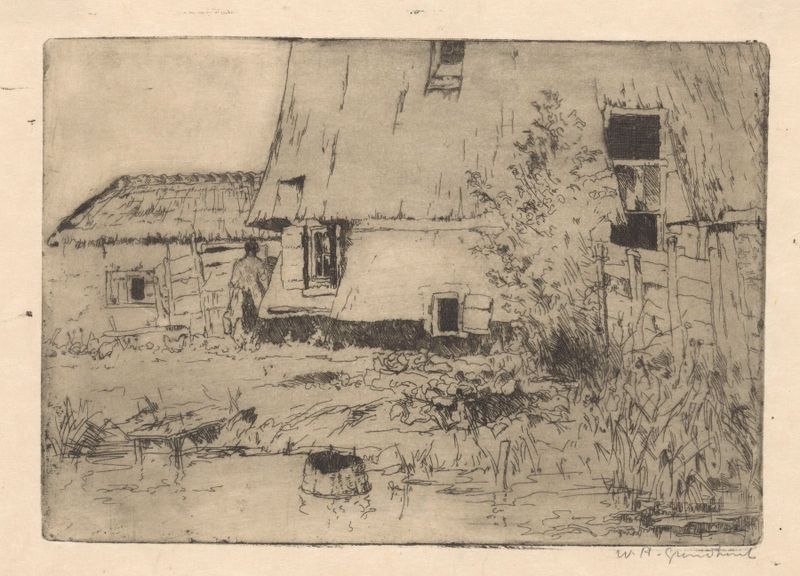
Voet van een molen in Voorburg
Willem Adrianus Grondhout
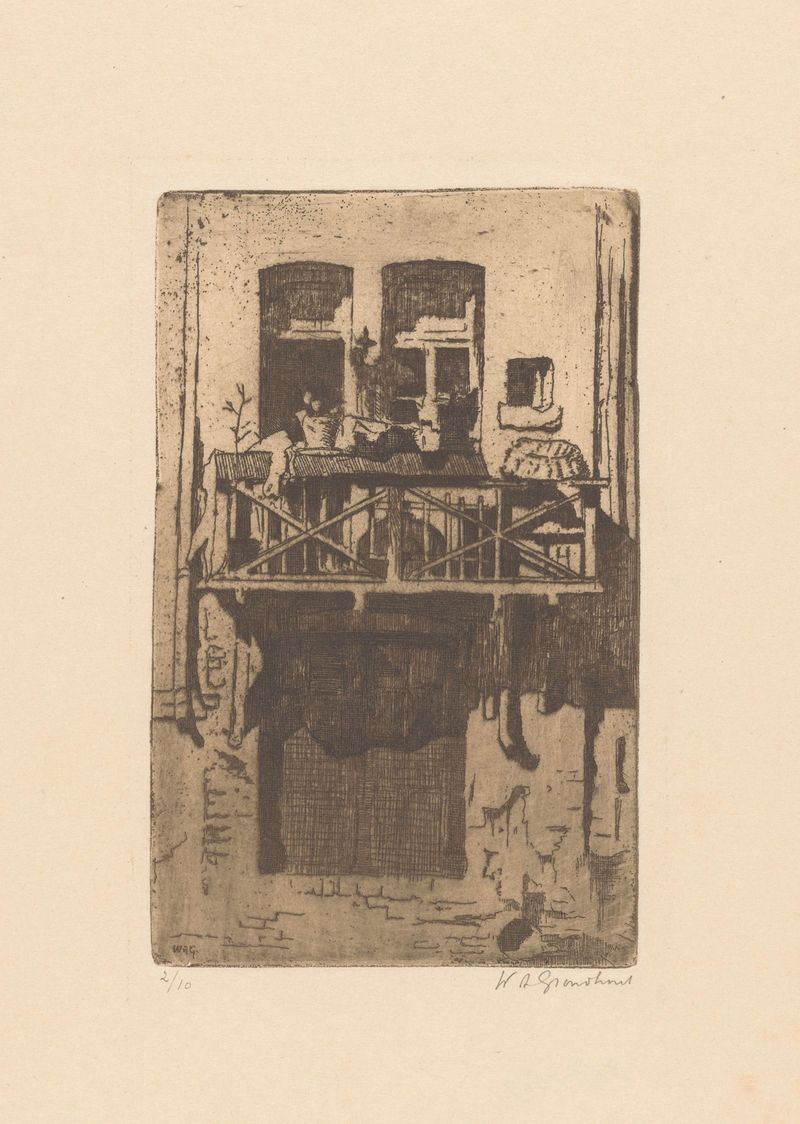
Balkon van een huis aan de Oudezijds Kolk in Amsterdam
Willem Adrianus Grondhout
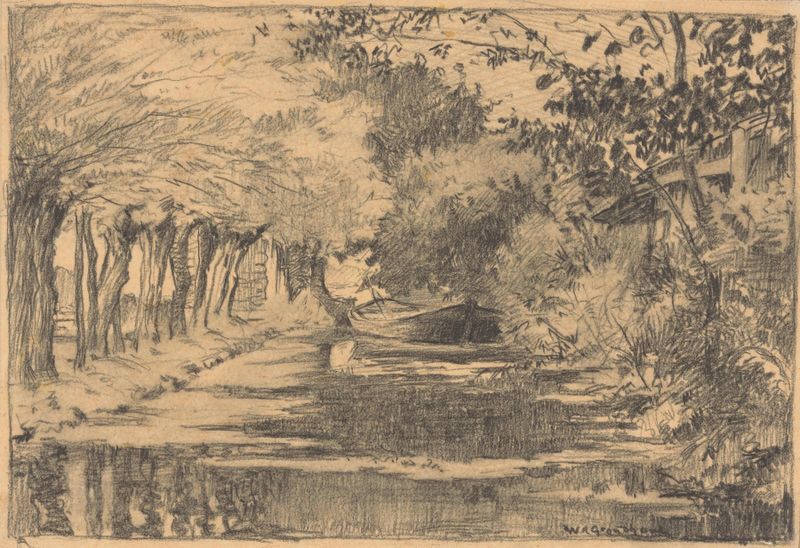
Broeksloot bij Voorburg
Willem Adrianus Grondhout
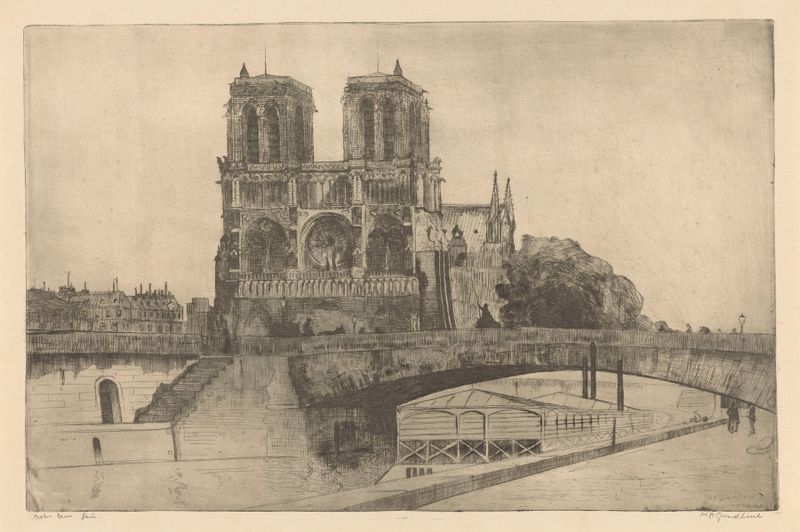
Notre-Dame, Paris
Willem Adrianus Grondhout
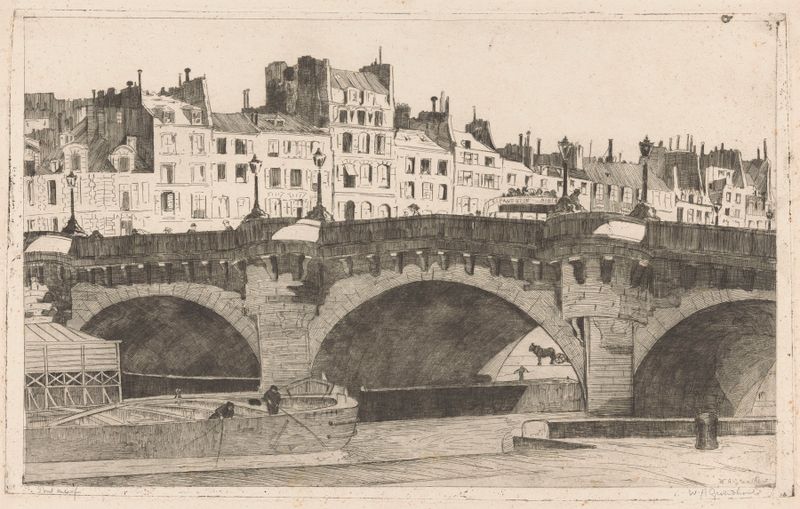
Pont Neuf
Willem Adrianus Grondhout
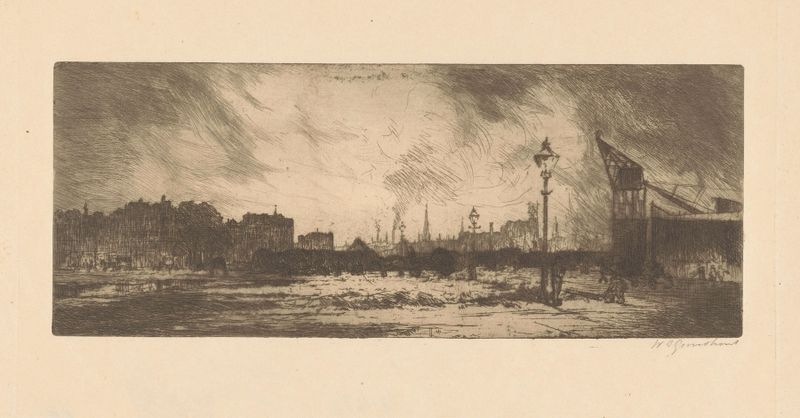
Havenkade met lantaarnpalen in Rotterdam
Willem Adrianus Grondhout
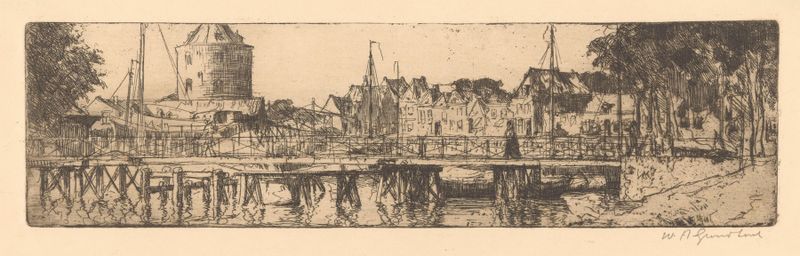
Enkhuizen
Willem Adrianus Grondhout
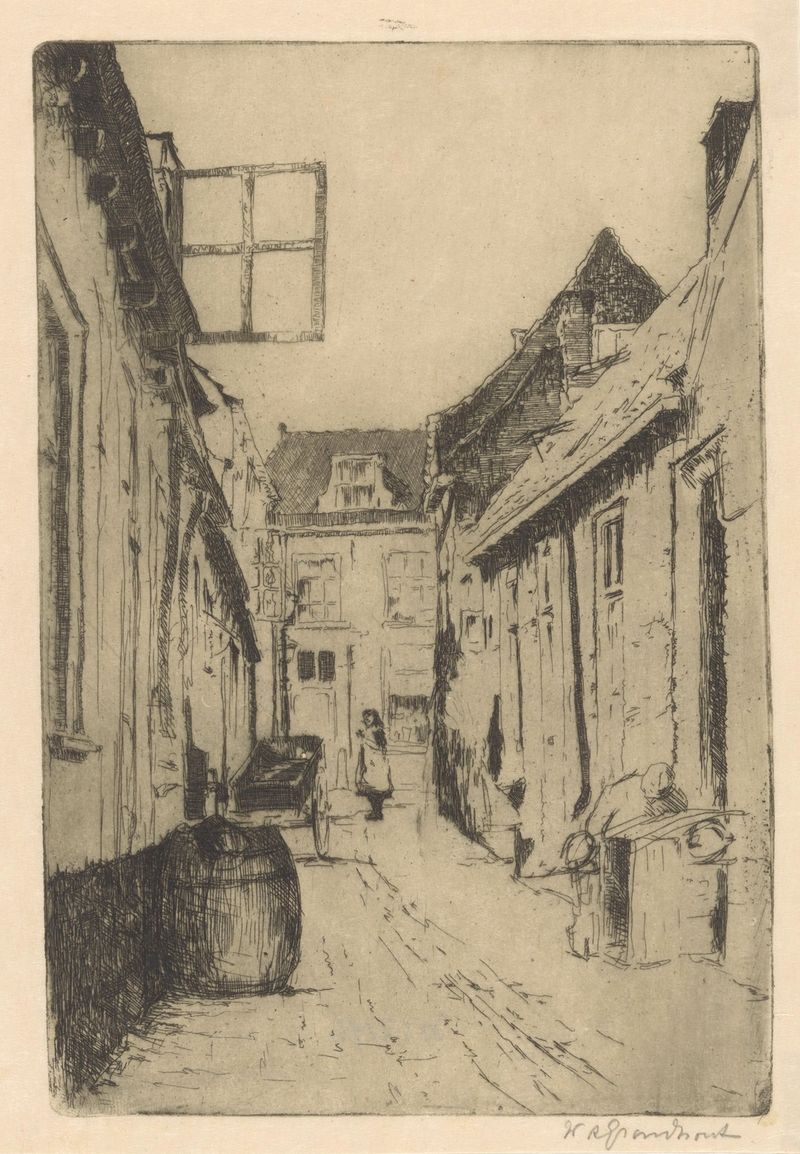
Straatje in Voorburg.
Willem Adrianus Grondhout
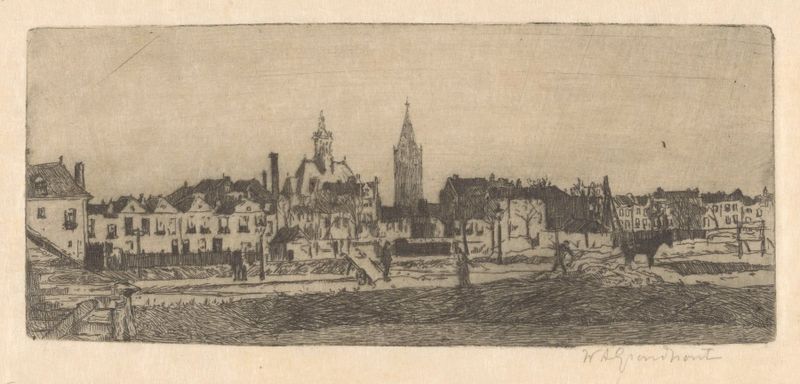
Delft
Willem Adrianus Grondhout





