
Vollard, A., Sainte Monique — History & Facts
In Vollard, A., Sainte Monique, Pierre Bonnard uses a vibrant palette dominated by warm yellows and soft pinks. The central figure, a woman, is depicted in a relaxed pose, surrounded by a lush, colorful setting. Bonnard's brushwork creates a sense of intimacy, drawing the viewer into the scene.
The play of light and shadow adds depth, enhancing the overall warmth of the composition. The painting is executed in oil on canvas, a medium that allows for rich color application and texture. Bonnard's technique involves layering colors to achieve luminosity, which is evident in the way light interacts with the figure's skin and the surrounding environment. The dimensions of the work are approximately 60 x 80 cm, making it a relatively medium-sized portrait.
The composition is balanced, with the figure positioned centrally against a backdrop of vibrant hues. Pierre Bonnard, a key figure in the Post-Impressionism movement, is known for his innovative use of color and light. This work, painted around 1900, reflects his interest in capturing the essence of domestic life and personal moments. An interesting fact about this painting is that it was created during a period when Bonnard was deeply influenced by the works of his contemporaries, yet he maintained his unique style.
The painting is now housed in the Musée d'Orsay, a fitting location for Bonnard's intimate and colorful works.
More Artworks by Pierre Bonnard

Place Pigalle at Night
Pierre Bonnard
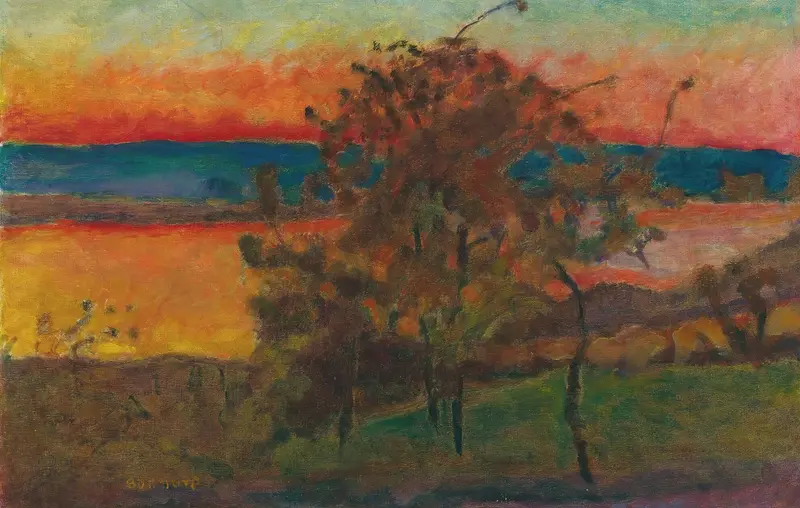
Soleil Couchant
Pierre Bonnard

Village, ciel d’orage
Pierre Bonnard

La Terrasse ou Une terrasse à Grasse
Pierre Bonnard
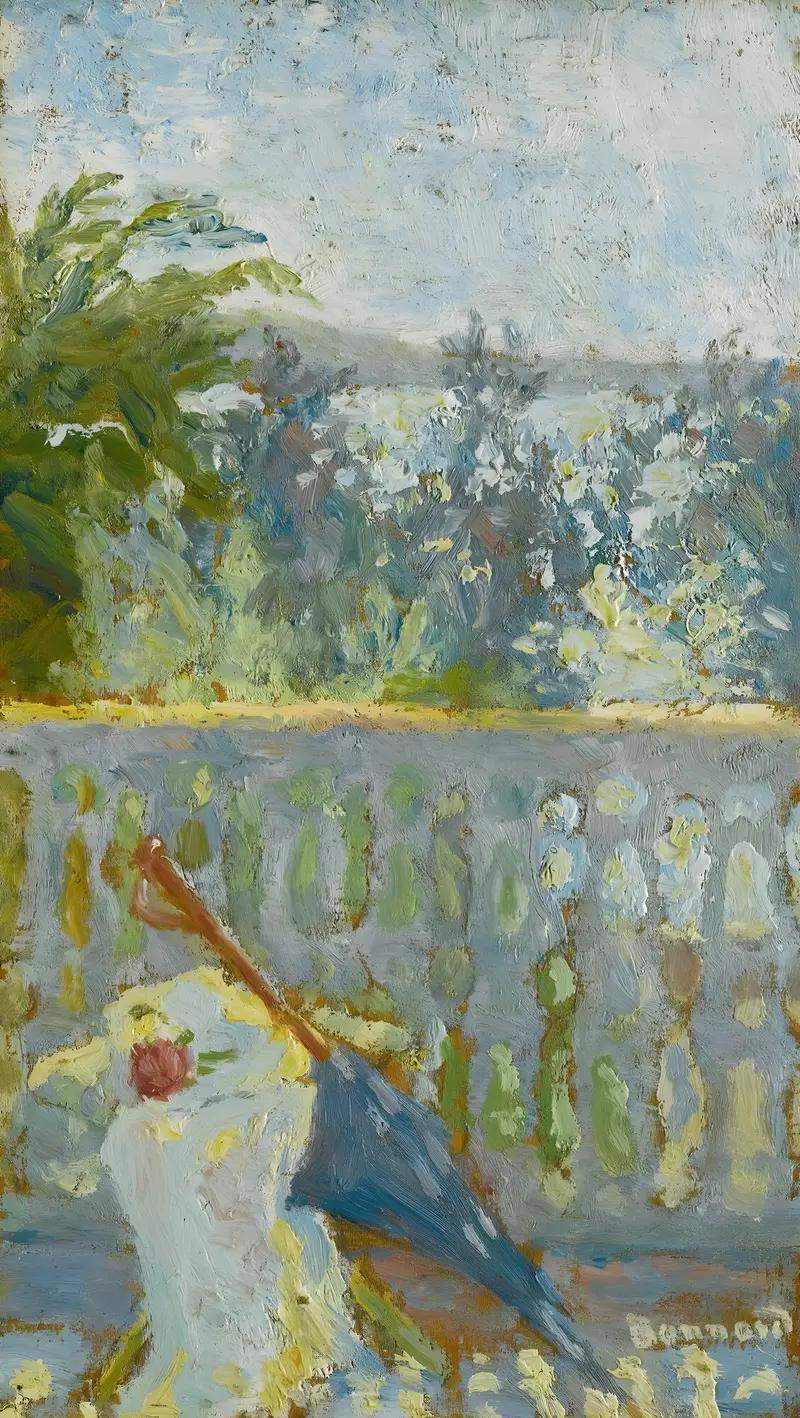
Le Balcon Et L’ombrelle
Pierre Bonnard
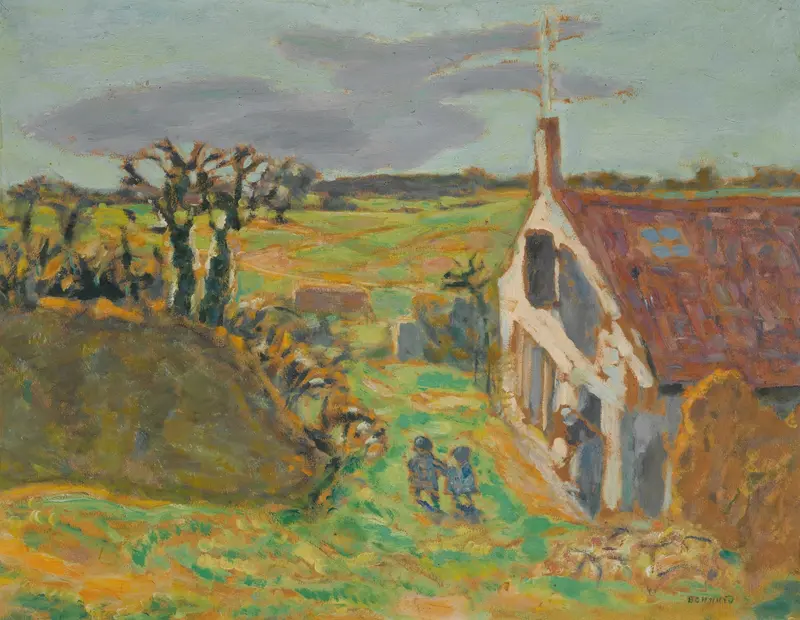
Les Deux Enfants, Vernouillet
Pierre Bonnard
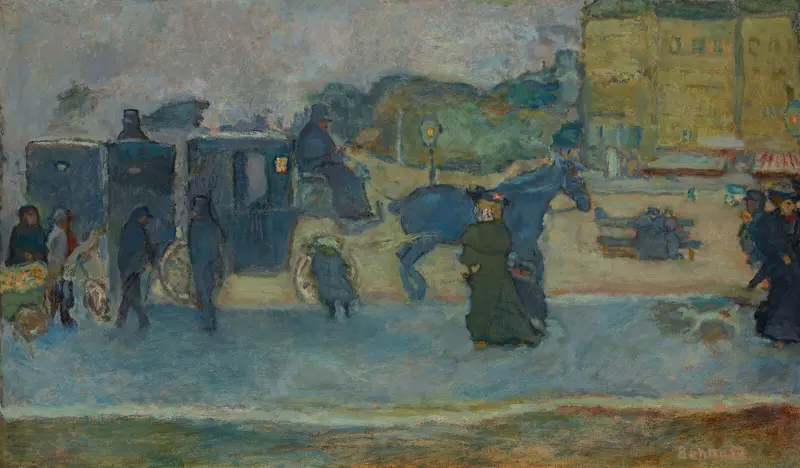
Les deux fiacres (Boulevard des Batignolles)
Pierre Bonnard
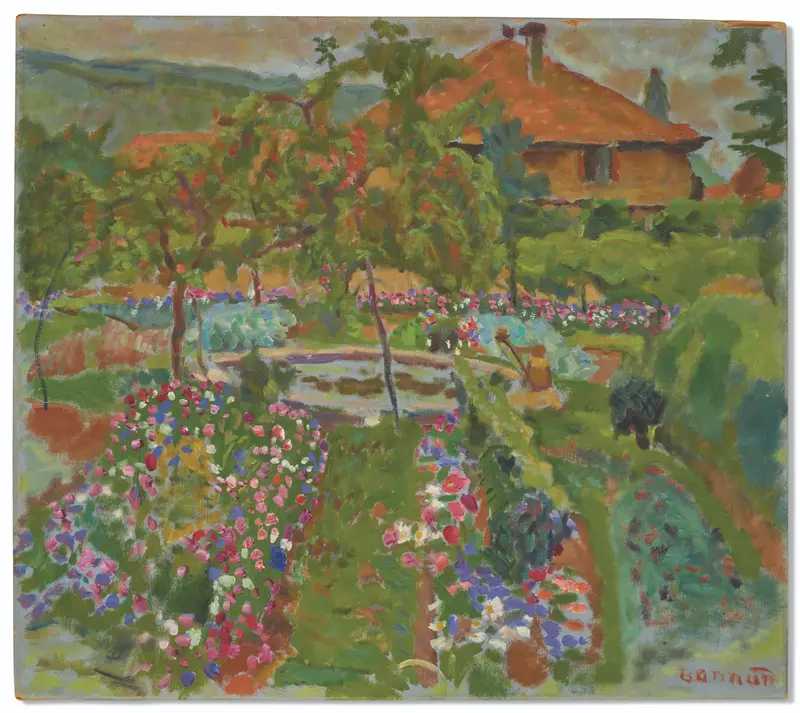
Les Fleurs du potager (Le Grand-Lemps)
Pierre Bonnard

Paysage de Saint-Tropez
Pierre Bonnard
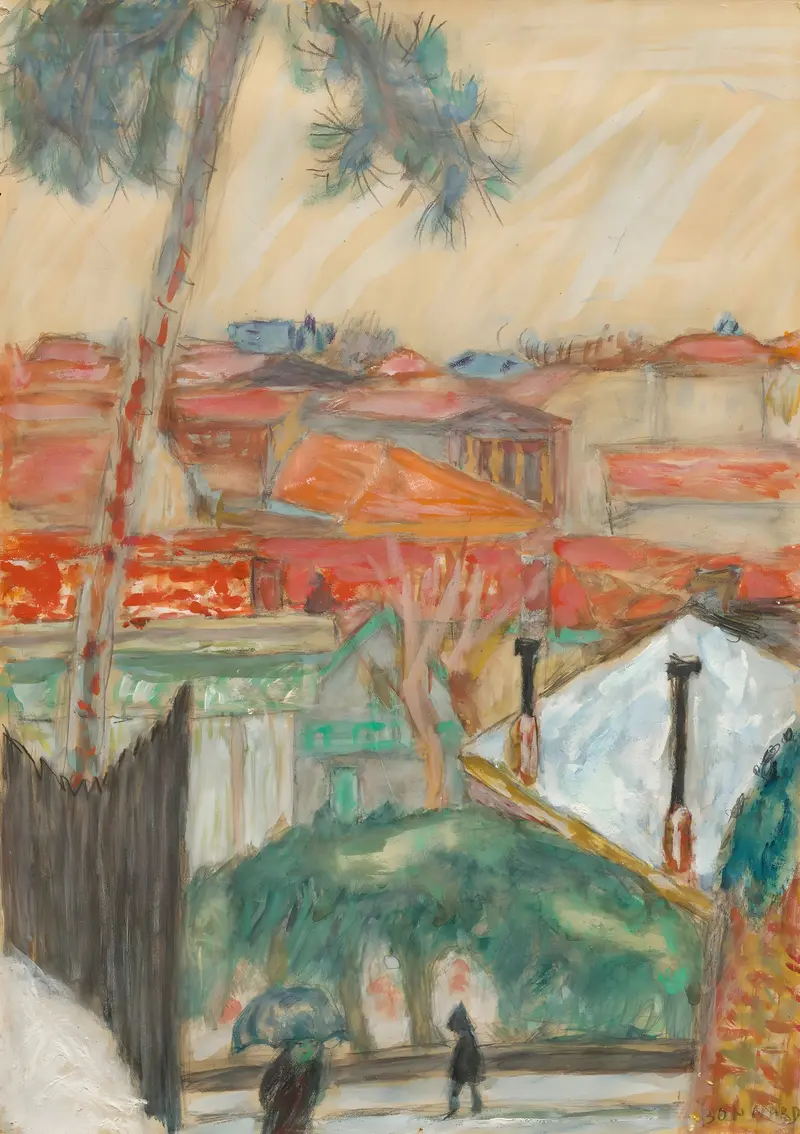
Les Toits
Pierre Bonnard





