
Volta às trincheiras — History & Facts
In the stillness of captured time, an echo of longing unfurls, spilling forth the emotions that simmer under the surface of our everyday existence. Look to the center of the composition, where the soft, muted hues blend harmoniously, cradling a somber figure lost in contemplation. Notice the fluid brushstrokes that weave together the backdrop of muted greens and browns, creating a sense of both depth and distance. The contrast between the foreground and the background is striking; while the figure appears tethered to the earthly realm, the vastness behind them suggests an escape into a world beyond reach.
The gentle light that bathes the scene evokes a sense of nostalgia, illuminating the figure's face with a soft glow that hints at unexpressed yearning. Delve deeper into the figure’s posture, slightly hunched and inward-looking, conveying a poignant tension between hope and resignation. The subtle details, like the fabric's delicate folds and the quiet gaze directed toward an unseen horizon, amplify the sense of longing. Each brushstroke whispers stories of separation, of what has been lost or left behind, while the muted color palette evokes a melancholic beauty, blending despair with the faintest glimmer of possibility. In 1917, the artist painted this work during a tumultuous period marked by the shadow of World War I, a backdrop that ignited profound emotional reflections.
Living in Brazil, yet influenced by European art movements, they sought to capture the inner turmoil present in society and individual lives. The work emerges as both a personal lament and a universal exploration of the human experience, resonating with the collective yearning that defined an era fraught with uncertainty.
More Artworks by Eliseu Visconti
Browse all →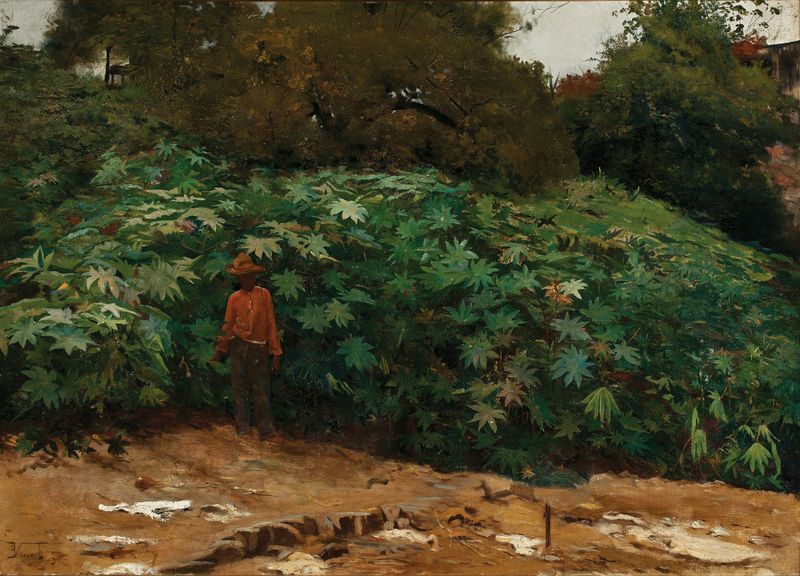
Mamoneiras – Morro de São Bento
Eliseu Visconti
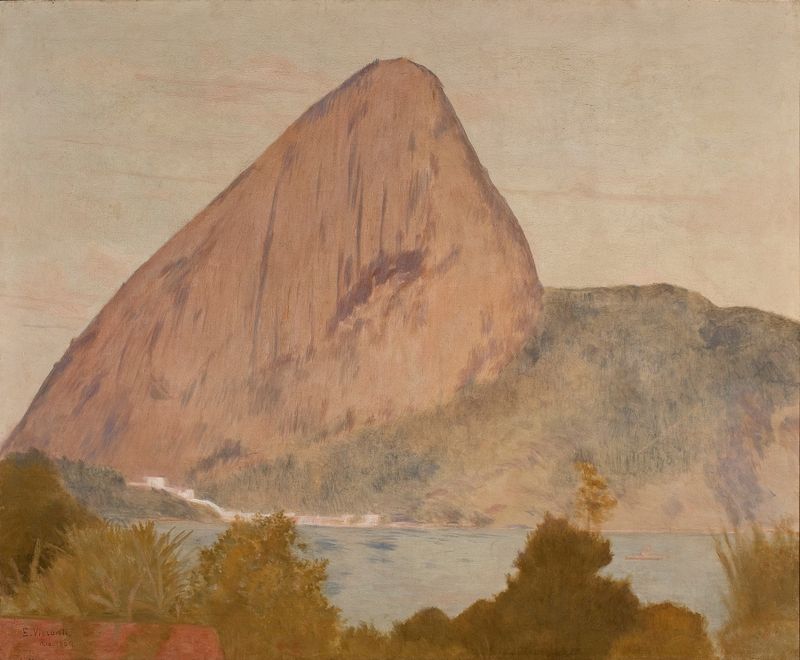
Marina com Pão de Açúcar
Eliseu Visconti

O batismo da boneca
Eliseu Visconti
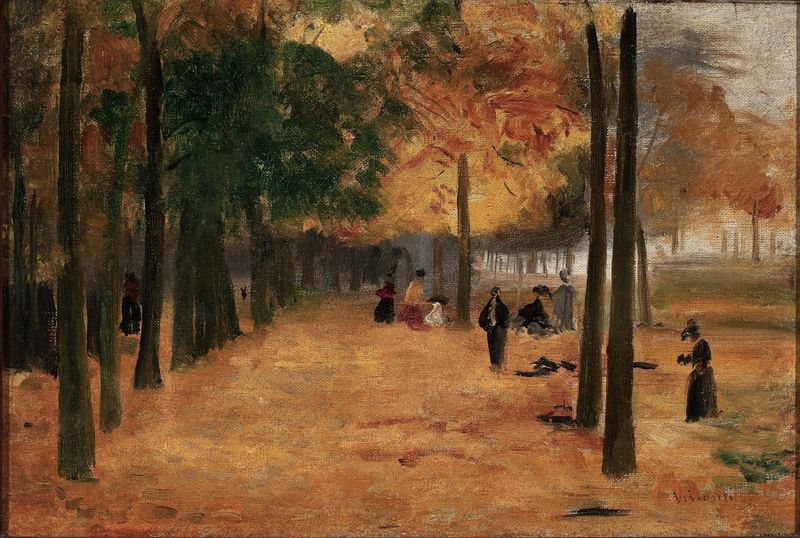
Canto de Luxemburgo (Outono)
Eliseu Visconti
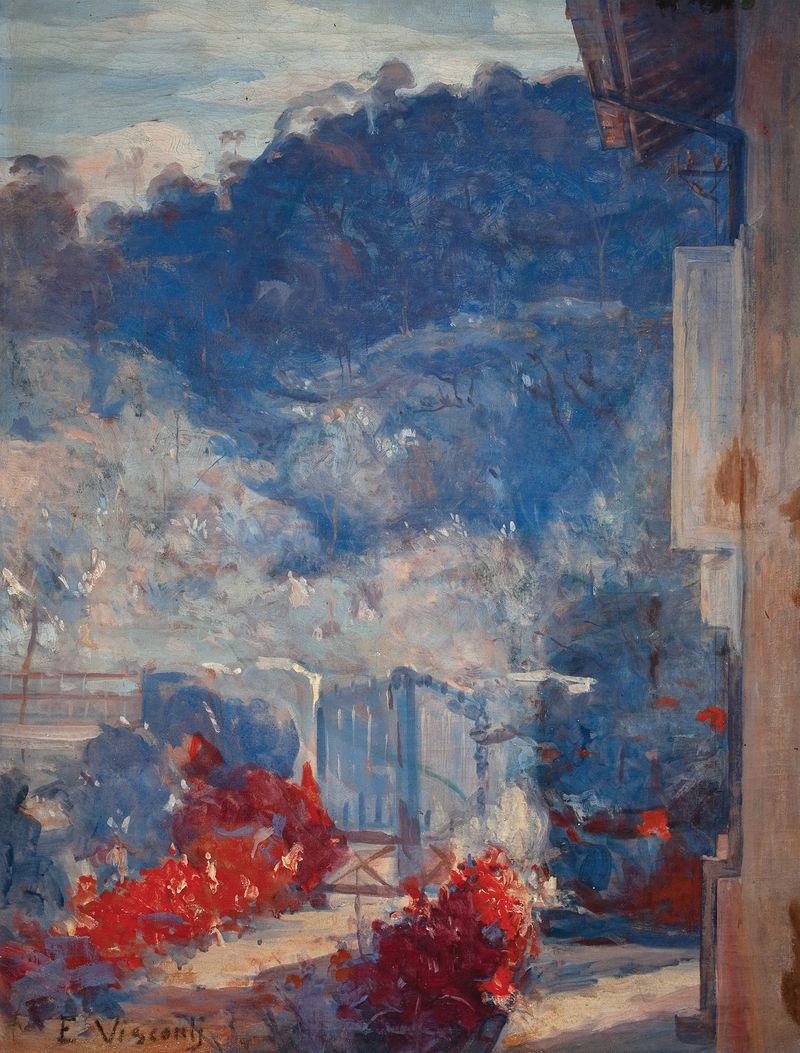
Raios de sol
Eliseu Visconti
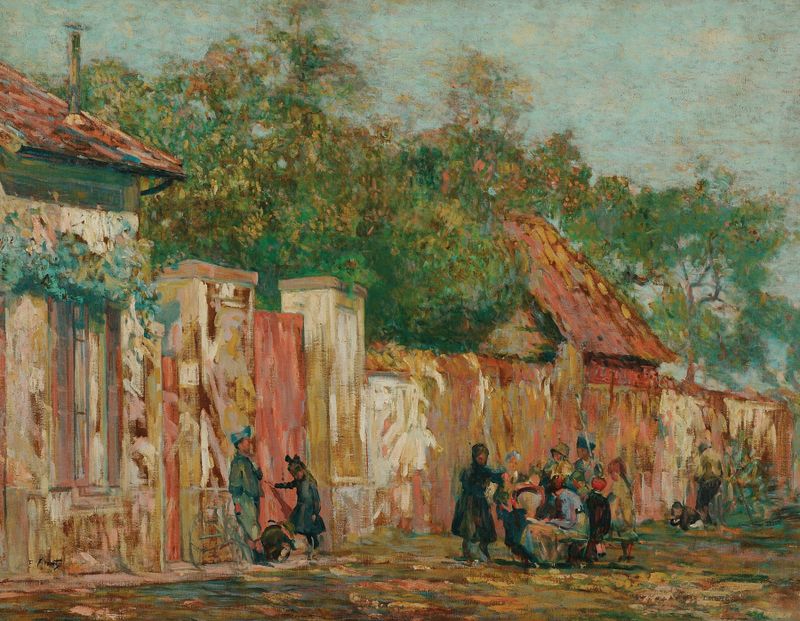
Tarde em Saint Hubert
Eliseu Visconti

Efeito matinal
Eliseu Visconti
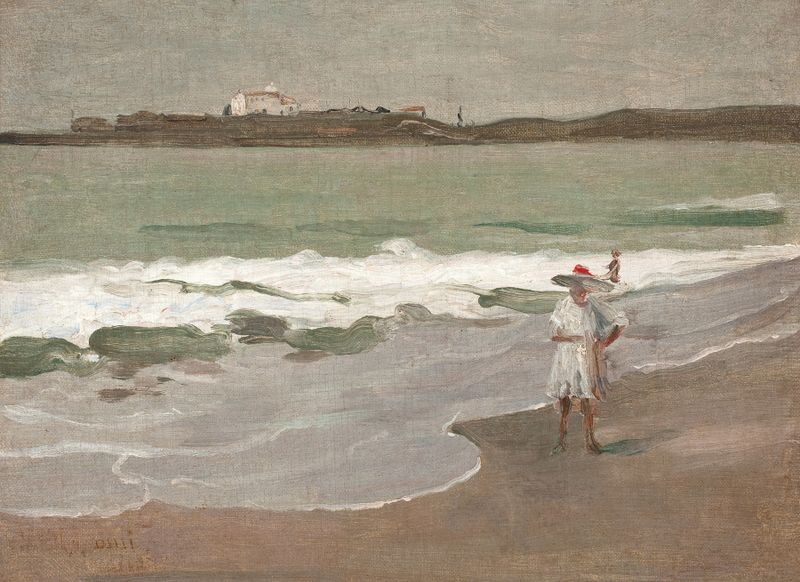
A Igrejinha (Copacabana)
Eliseu Visconti

A caminho da escola
Eliseu Visconti

Flores da rua
Eliseu Visconti





