
Vrouw te paard en soldaat — History & Facts
In enigmatic strokes, the essence of a dream awakens through artistry, inviting reflection on the fleeting nature of existence. Look to the left at the poised figure of the woman, seated elegantly atop her horse, her gaze steady and contemplative. Notice how the rich earth tones of her attire contrast sharply with the soldier’s somber garb; the interplay between their textures creates a palpable tension. The careful detailing of the horse's mane flows like a cascade, drawing the eye to the intricate patterns of Dürer's brushwork, where each strand seems to ripple with life. Beneath the surface, a dialogue unfolds between the noble and the martial.
The juxtaposition of the horse and the soldier reflects a dichotomy of freedom and duty, while the subtle background hints at an unseen landscape of history and aspiration. Each fold in the woman's clothing and the soldier's armor speaks to the weight of expectation and the burdens they carry — the weight of choices, dreams unspooled, and destinies intertwined. Dürer painted this work between 1495 and 1499 during a pivotal period in his career, as he navigated the intersection of Northern Renaissance ideals and emerging humanist thought. Living in Nuremberg, he forged connections with influential intellectuals of his time, which propelled his explorations into intricate details and complex themes.
This painting encapsulates not just a moment in time, but the very essence of a world grappling with change and personal identity.
More Artworks by Albrecht Dürer
Browse all →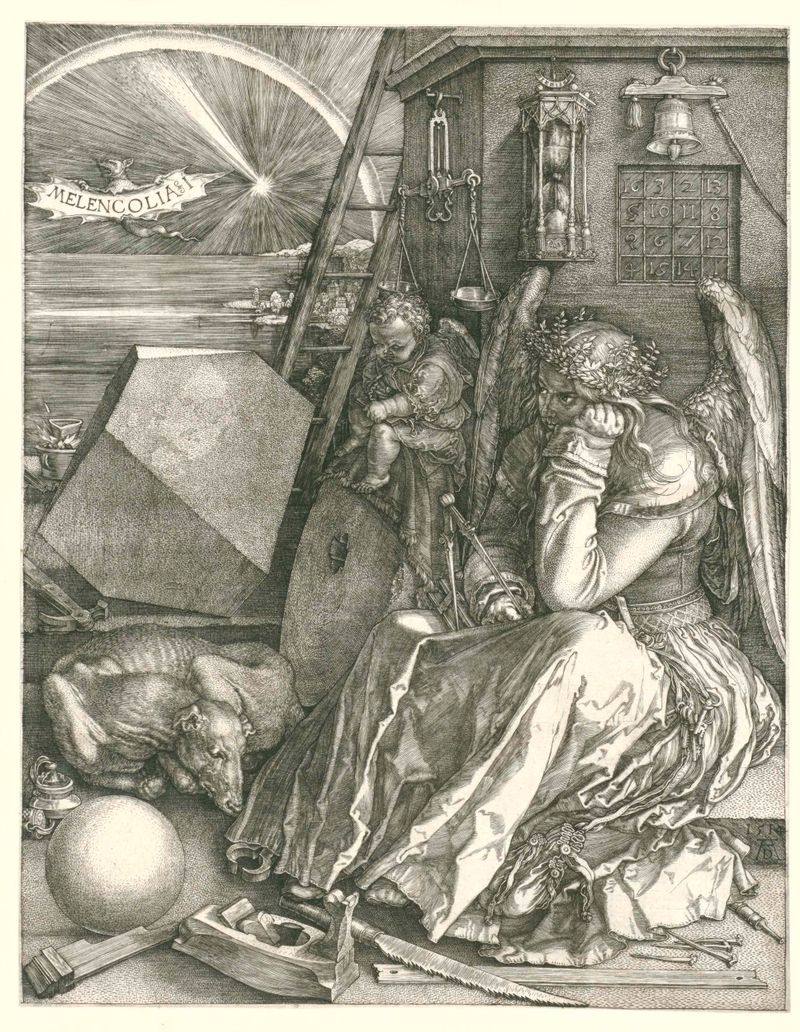
Melancholia
Albrecht Dürer
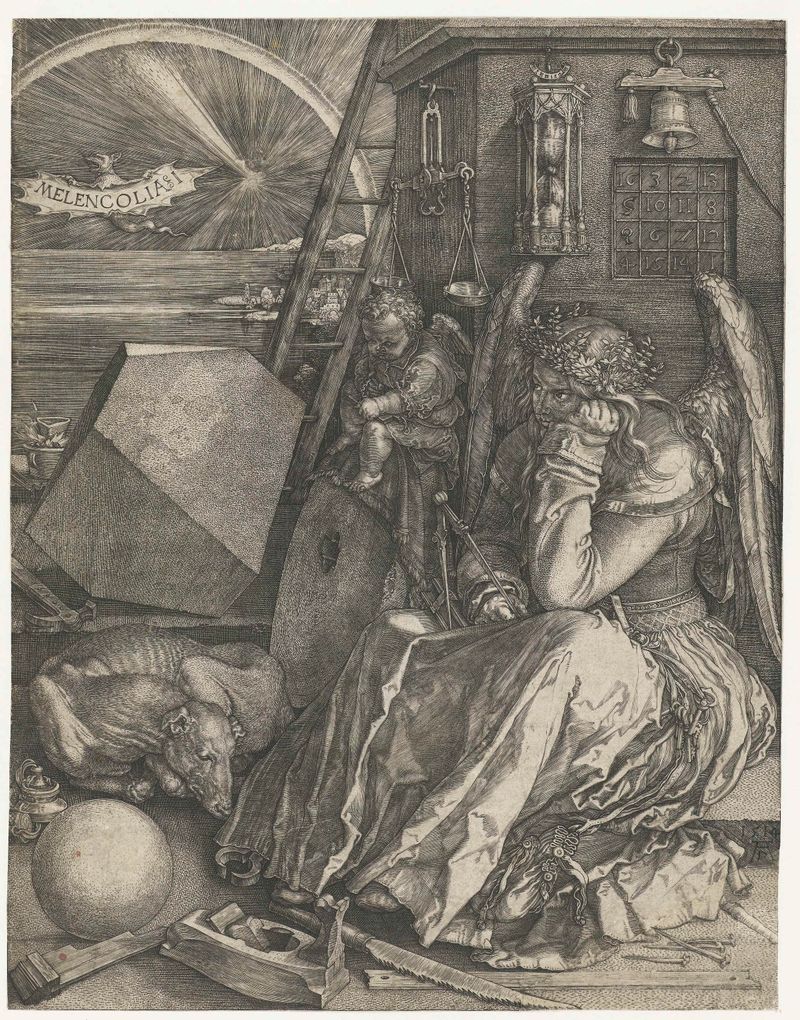
Melancholie
Albrecht Dürer

Neushoorn
Albrecht Dürer
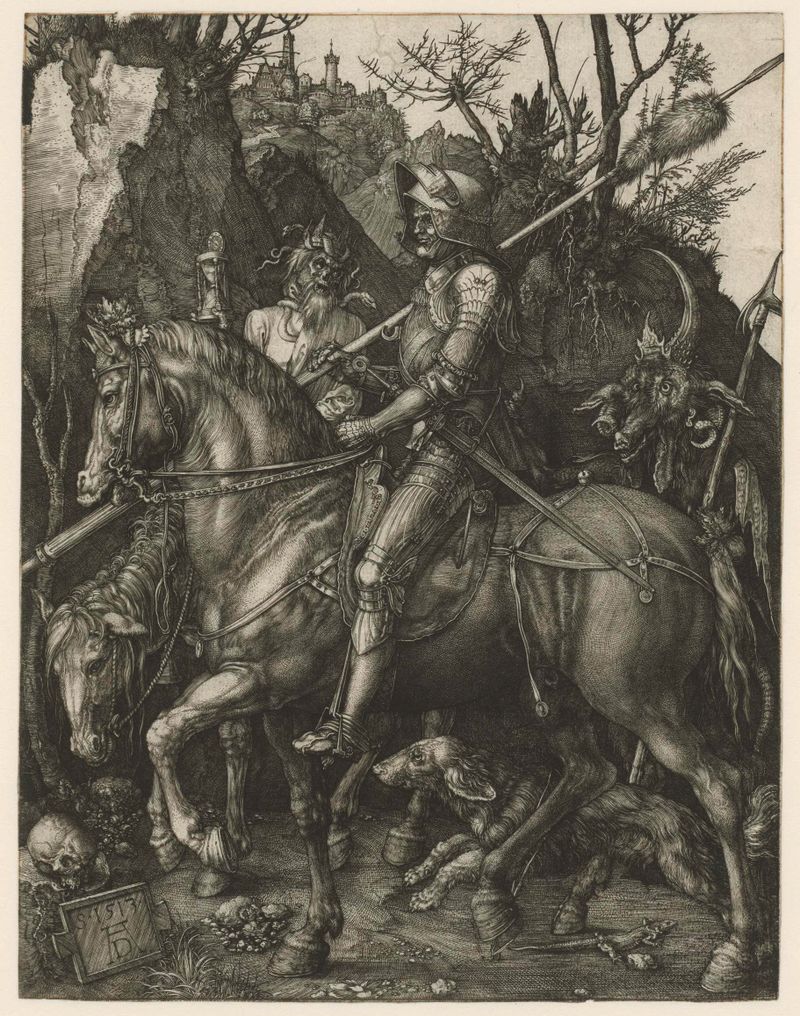
Knight, Death, and the Devil
Albrecht Dürer

De vier ruiters van de apocalyps
Albrecht Dürer

De vier ruiters van de apocalyps
Albrecht Dürer
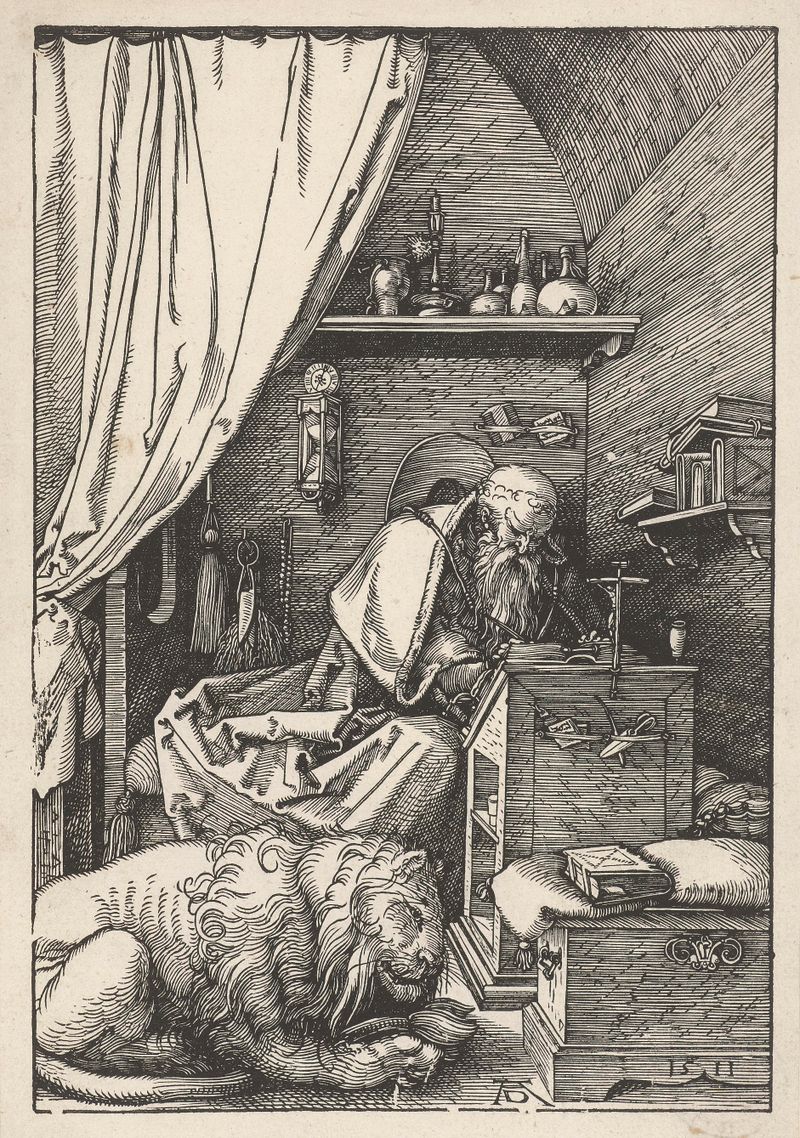
De Heilige Hiëronymus in zijn studeervertrek
Albrecht Dürer
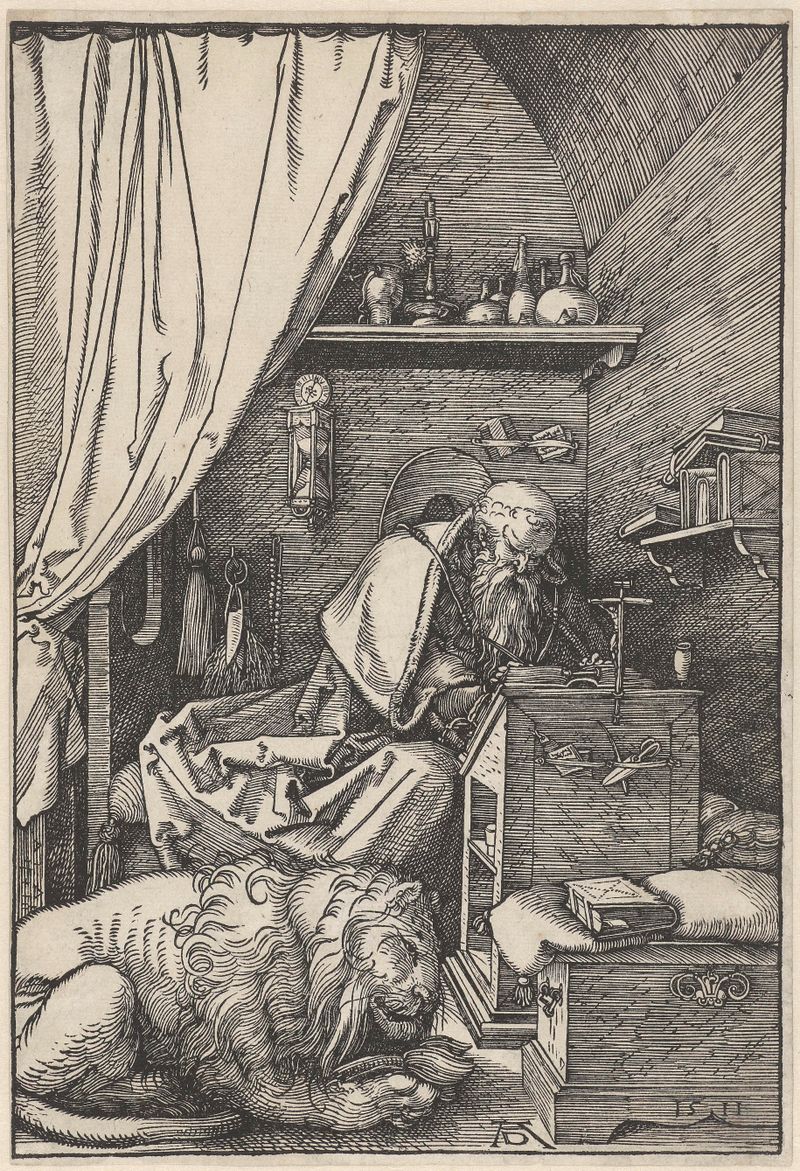
De Heilige Hiëronymus in zijn studeervertrek
Albrecht Dürer
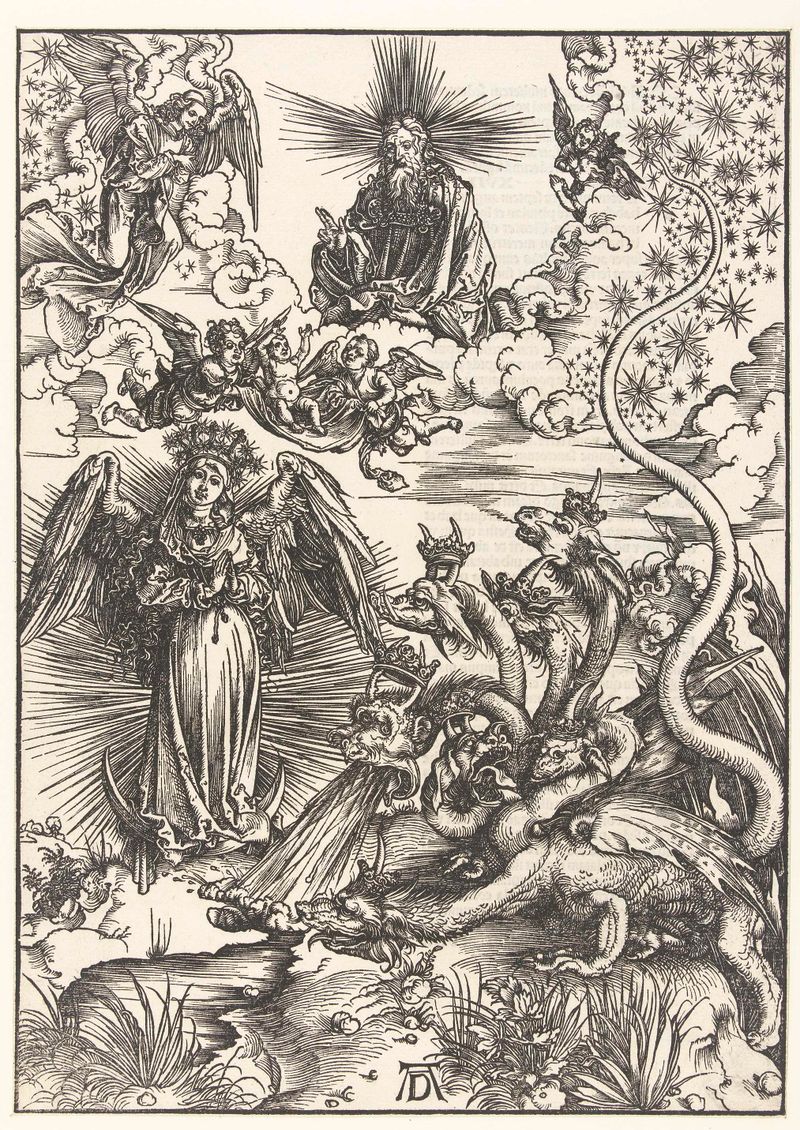
De apocalyptische vrouw en de zevenkoppige draak
Albrecht Dürer
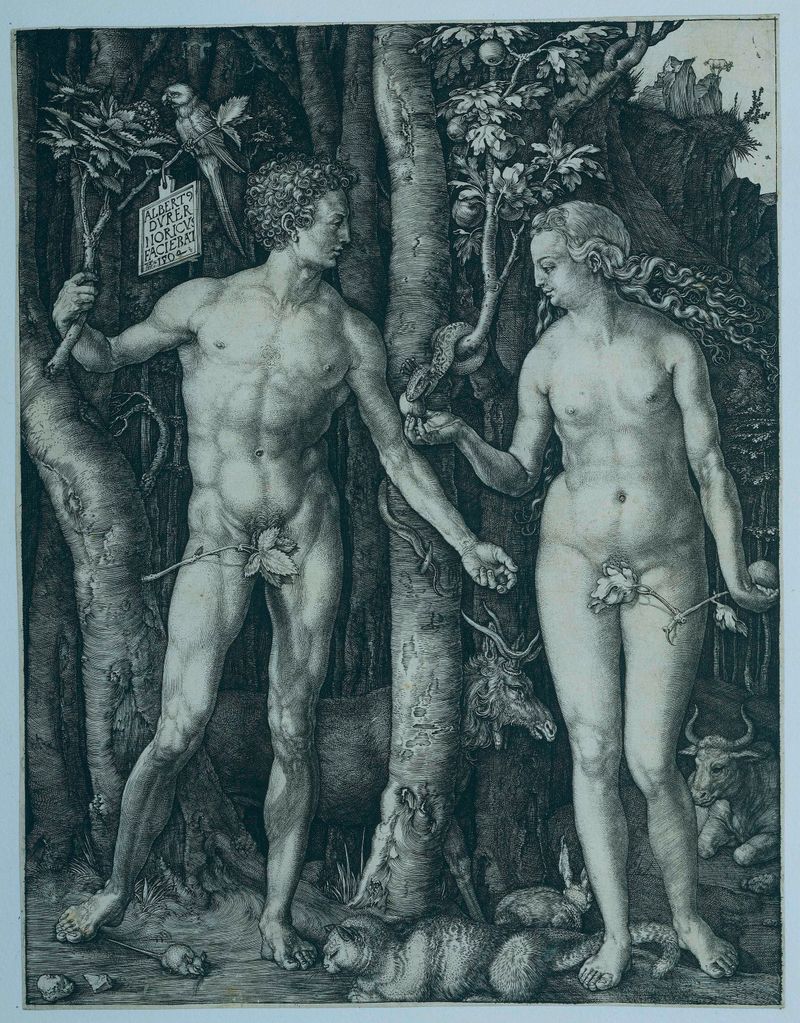
Adam en Eva
Albrecht Dürer
More Historical Art
Browse all →
The Night Watch Militia Company of District II under the Command of Captain Frans Banninck Cocq
Rembrandt van Rijn

Lincoln Memorial
Henry Bacon

The Third of May 1808
Francisco de Goya

Isaac and Rebecca, Known as ‘The Jewish Bride’
Rembrandt van Rijn

The Charge of the Mamelukes (1814)
Francisco de Goya
De vier ruiters van de apocalyps
Albrecht Dürer