
Vrouw wijst toenadering van man af — History & Facts
In Vrouw wijst toenadering van man af, the delicate interplay of elegance and rejection invites viewers to explore the edges of human connection and the depths of desire. Look to the left at the poised figure of the woman, her hand raised in a gentle rejection, conveying both strength and vulnerability. The soft light bathes her face, illuminating her finely detailed features while casting shadows that accentuate her elegant attire. Notice the sumptuous textures of her gown, rich in color and ornament, contrasting with the somber hues surrounding her companion, who stands forlorn just outside her grasp.
This visual juxtaposition between opulence and melancholy heightens the tension inherent in the moment. Delving deeper, one might observe the intricate background, where dark, muted tones clash with bursts of rich gold, symbolizing the allure and pain of intimacy. The man’s posture, slightly hunched, speaks volumes about his yearning and the unbridgeable gap between them. Here, the artist captures the emotional complexity of rejection—a moment that transcends mere aesthetics and invites introspection on love’s paradox. Cornelis Pietersz.
Bega created this evocative work between 1642 and 1664, a period marked by the flourishing of Dutch genre painting. Operating in Amsterdam, Bega was influenced by the rich traditions of depicting everyday life and emotional narratives, which resonated in a society grappling with both prosperity and personal isolation. His mastery in portraying nuanced relationships made this piece a notable reflection of his era.
More Artworks by Cornelis Pietersz. Bega
Browse all →
Mannen en jonge vrouw in herberg
Cornelis Pietersz. Bega

Twee mannen en vrouw met kind zittend in herberg
Cornelis Pietersz. Bega
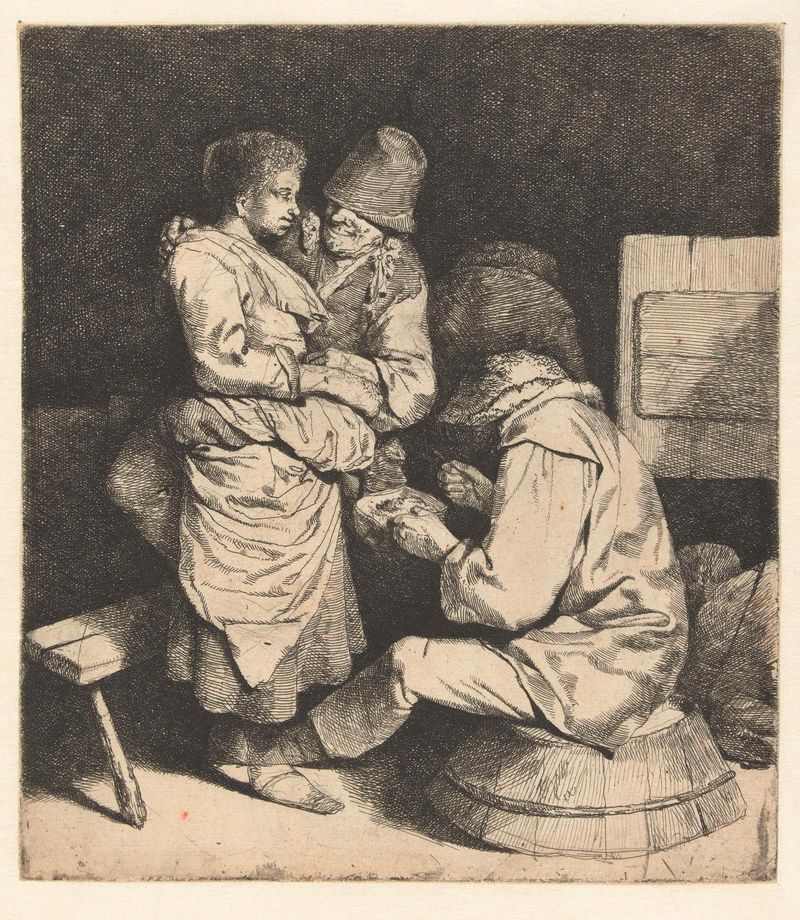
Vrouw vastgepakt door man, andere man zit te eten in herberg
Cornelis Pietersz. Bega

Jonge vrouw zittend met een pijp
Cornelis Pietersz. Bega

Staande vrouw vastgepakt door man, andere man kijkt toe in herberg
Cornelis Pietersz. Bega
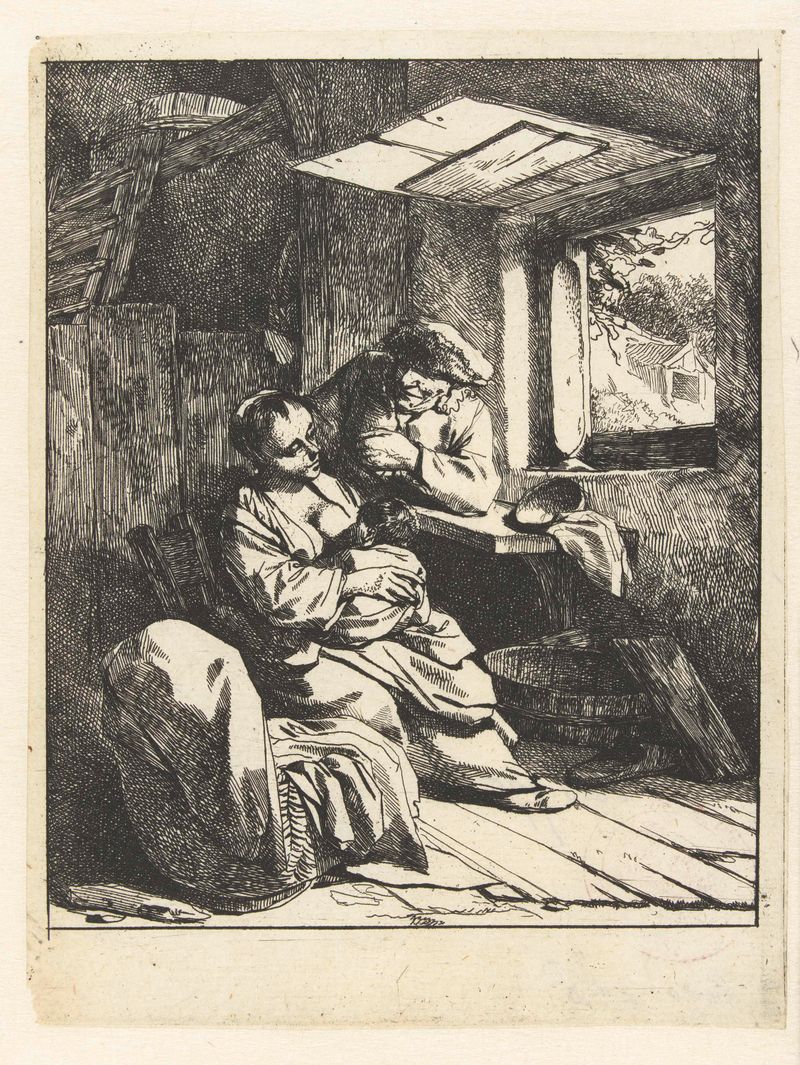
Vrouw met kind en man bij wieg in interieur met open raam
Cornelis Pietersz. Bega
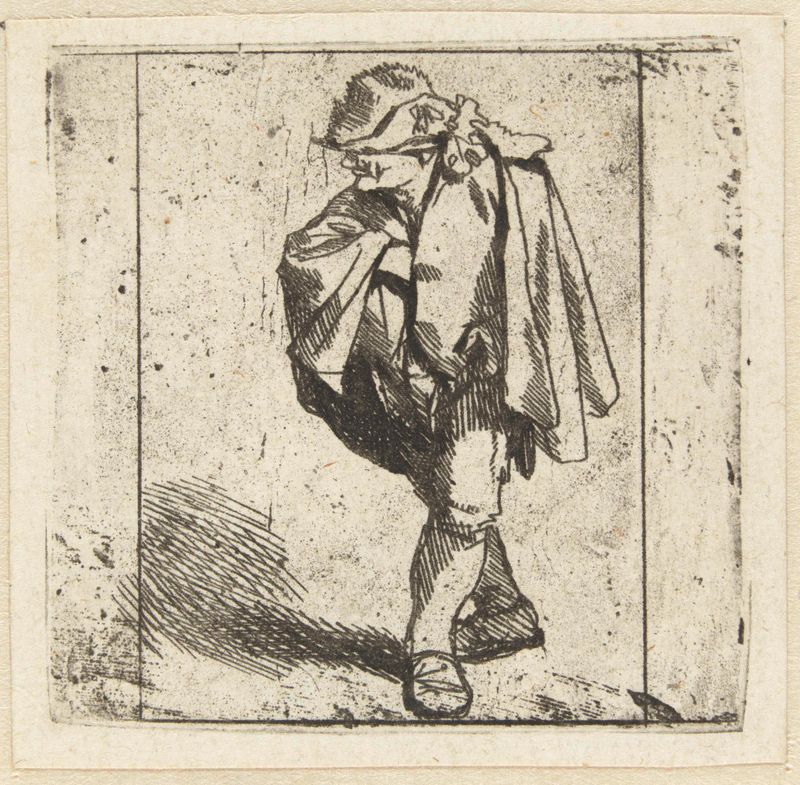
Staande man met de rechterhand op de borst in zijn mantel gestoken
Cornelis Pietersz. Bega
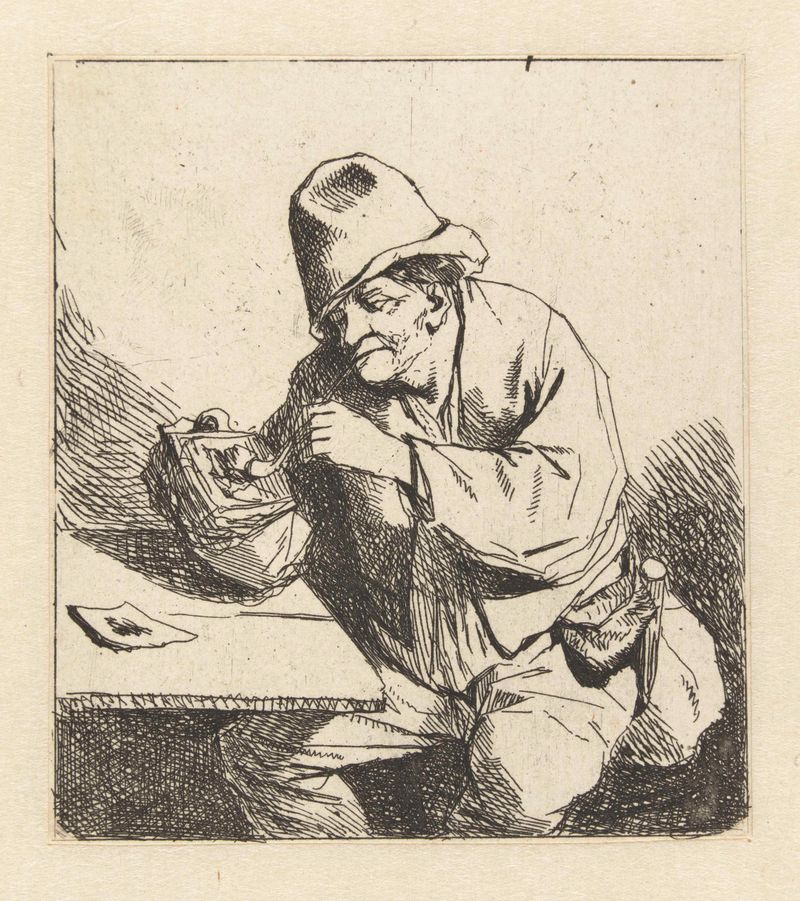
Zittende man steekt pijp aan
Cornelis Pietersz. Bega

Man zittend op ton met kruik in handen
Cornelis Pietersz. Bega

Liefdespaar
Cornelis Pietersz. Bega





