
Vue d’une clairière — History & Facts
What if silence could speak through light? In Vue d’une clairière, tranquility breathes life into the canvas, as the interplay of time and nature unfolds in a delicate embrace. Look to the left where a sun-drenched clearing breaks through the dense forest. The brushstrokes dance gently, revealing tall trees that cradle the scene with their emerald arms, while dappled sunlight spills across the ground. Notice the soft golden hues that invite you deeper into the space, illuminating the lush foliage and casting playful shadows that hint at forgotten stories whispered by the wind. Beneath the serene surface, emotional tensions pulse quietly.
The contrast between light and shadow reflects the duality of existence: moments of clarity amidst a backdrop of obscured paths. The clearing invites introspection, suggesting a fleeting glimpse of paradise, while the encroaching darkness of the forest symbolizes the inevitable passage of time—an ever-present reminder of life's transience. Each leaf and beam of light seems to encapsulate a moment, inviting viewers to ponder their own time within the expanse of nature. Narcisse-Virgile Diaz de La Peña created this piece during a period of artistic exploration in 19th-century France, known as the Barbizon School.
Working amidst a wave of Romanticism, he sought to capture the beauty of the natural world with an emotive, impressionistic touch. This painting reflects his dedication to portraying fleeting moments, as he found inspiration in the lush landscapes surrounding Barbizon, where he spent much of his life immersed in nature and artistic camaraderie.
More Artworks by Narcisse-Virgile Diaz de La Peña
Browse all →
Forest Scene
Narcisse-Virgile Diaz de La Peña
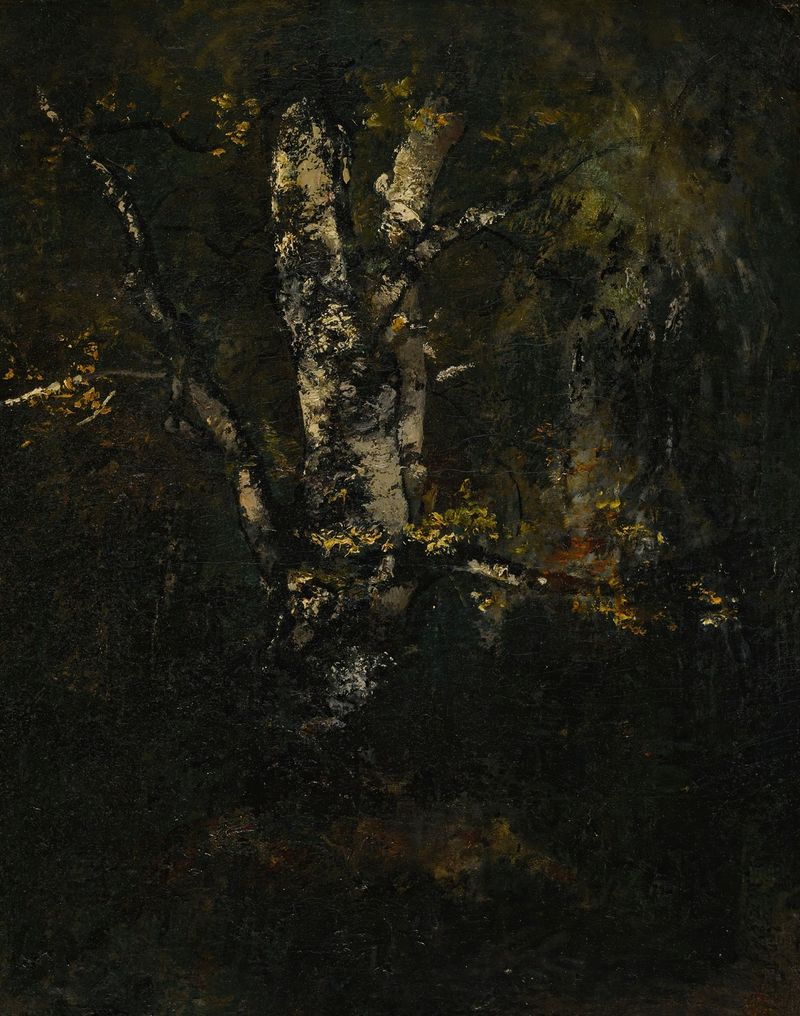
Vieux Troncs De Hêtres
Narcisse-Virgile Diaz de La Peña
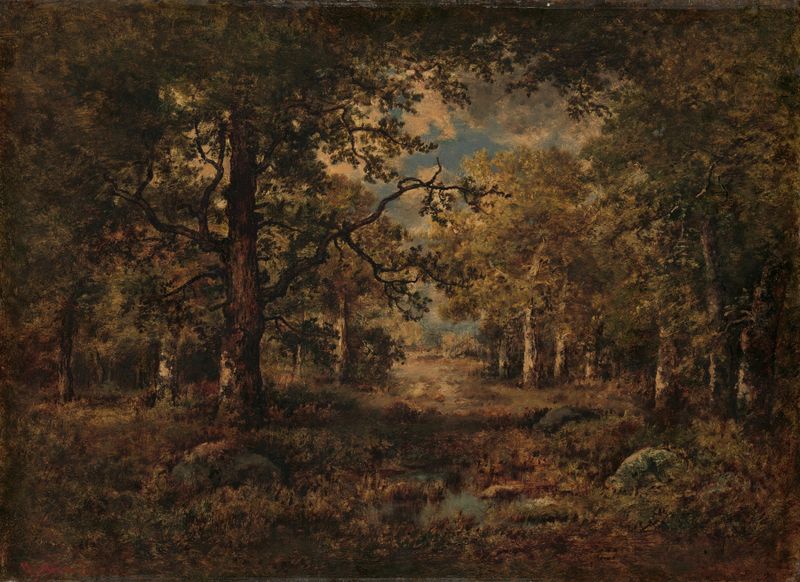
A Vista through Trees; Fontainebleau
Narcisse-Virgile Diaz de La Peña

Pond in the Woods
Narcisse-Virgile Diaz de La Peña
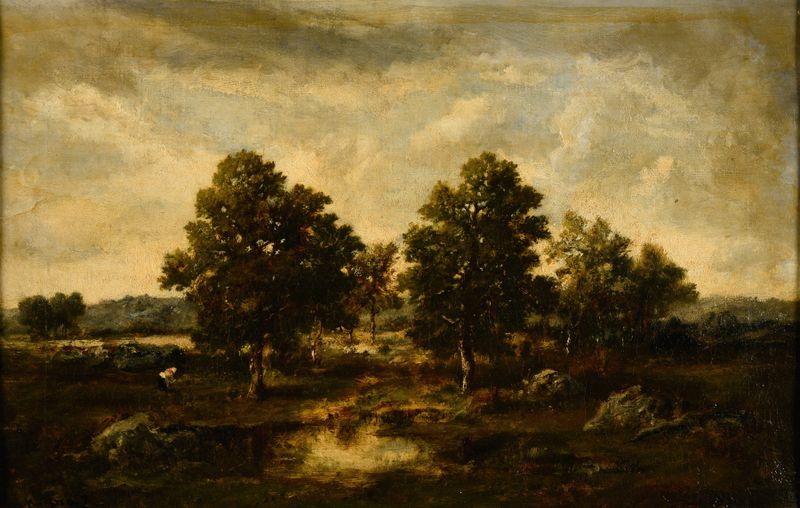
Mare dans une lande
Narcisse-Virgile Diaz de La Peña
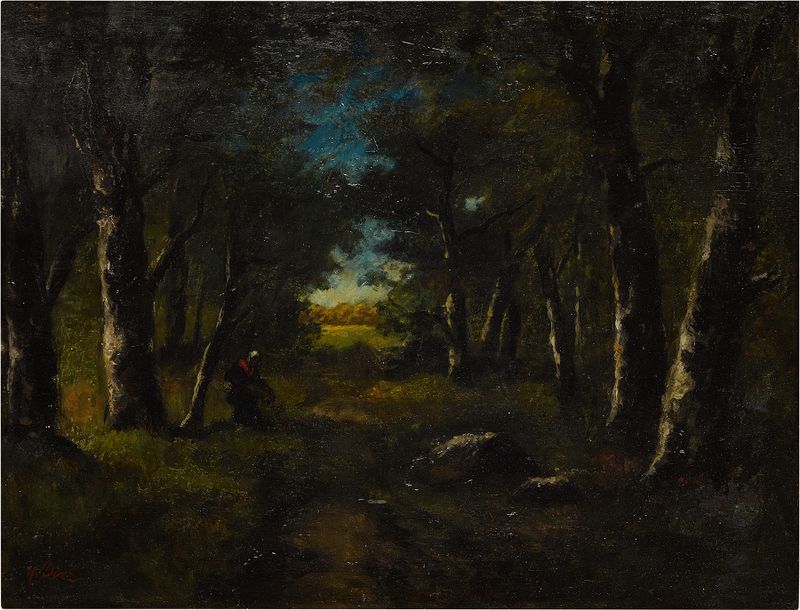
Foraging in the Forest
Narcisse-Virgile Diaz de La Peña
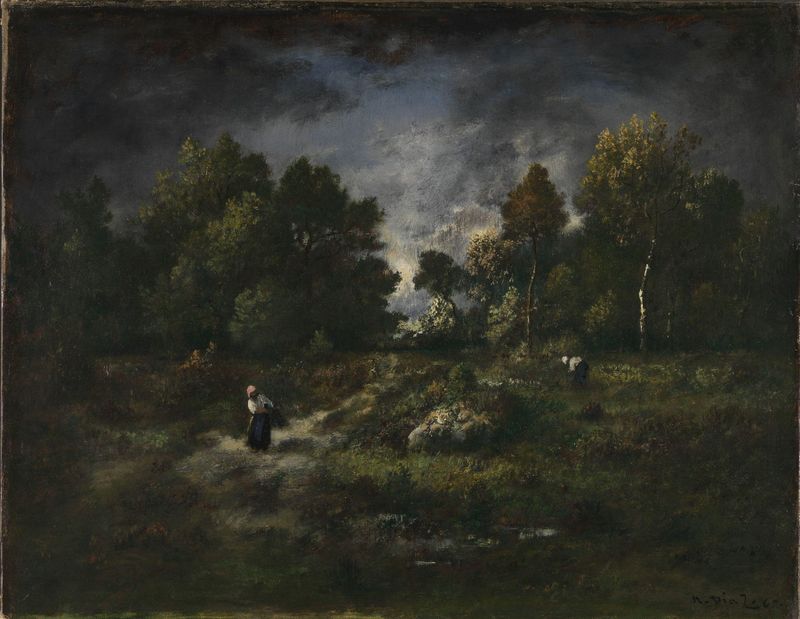
Faggot Gatherers in a Wooden Landscape
Narcisse-Virgile Diaz de La Peña
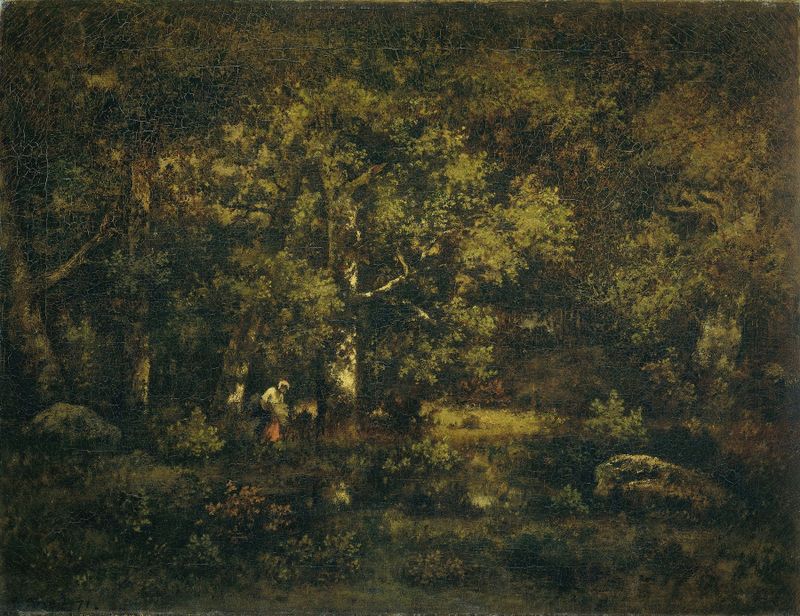
The Forest of Fontainebleau
Narcisse-Virgile Diaz de La Peña

Sous-bois
Narcisse-Virgile Diaz de La Peña

Stormy Landscape
Narcisse-Virgile Diaz de La Peña





