Waakhond — History & Facts
This poignant reflection evokes the essence of a moment suspended in sorrow, where the weight of melancholy resonates within every brushstroke. Begin your exploration by focusing on the vigilant figure at the center of Waakhond. Notice how the muted earth tones create a somber yet rich backdrop, inviting you to examine the dog’s keen gaze. The light softly bathes the canine, emphasizing its alertness, while shadows envelop the surrounding space, reinforcing a sense of solitude.
The subtle play of light and shadow not only gives depth to the scene but also evokes an emotional resonance that lingers beyond the canvas. Delve deeper, and you'll find that the dog embodies loyalty amidst the surrounding quietude, a poignant contrast to the emptiness that envelops it. Its posture is tense yet composed, suggesting an awareness of an unseen presence, perhaps a longing for companionship that remains just out of reach. This tension between the dog’s steadfastness and the apparent absence of human life creates a reflective silence that invites viewers to contemplate their own experiences of solitude and longing. Created between 1610 and 1653, during a time of artistic transition in the Netherlands, the painter's work reflects a burgeoning interest in realism and emotional expression.
De Vlieger, influenced by the Baroque movement, sought to capture the intricate relationships between subjects and their environment. This period was marked by a focus on everyday life and the innate beauty found within it, a theme that resonates deeply in the stillness of Waakhond.
More Artworks by Simon de Vlieger
Browse all →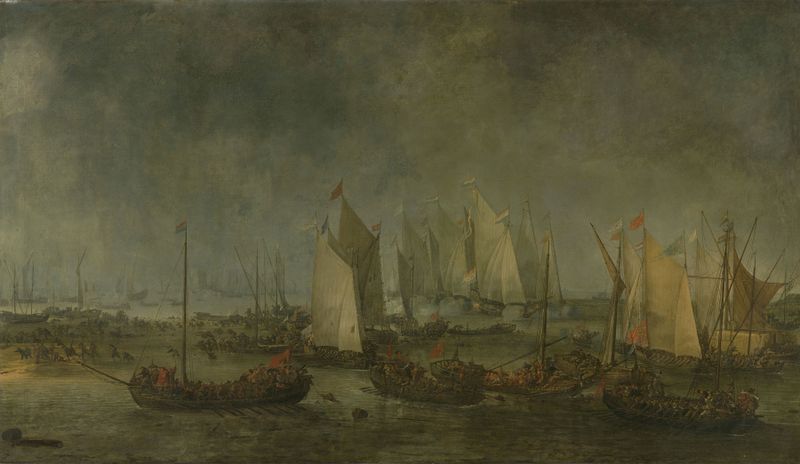
The Battle on the Slaak between the Dutch and Spanish Fleets during the Night of 12-13 September 1631
Simon de Vlieger

Stretch of coast by the Zuiderzee
Simon de Vlieger

Seaside in Scheveningen with fishing boats
Simon de Vlieger
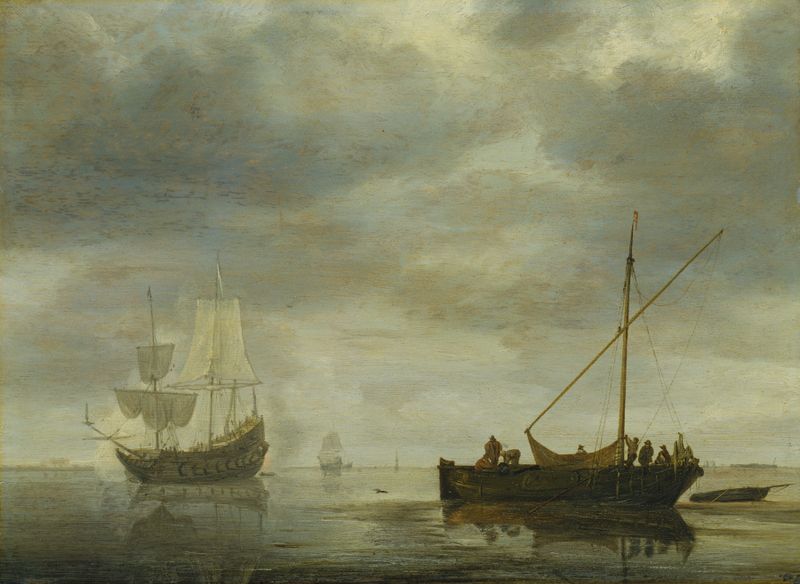
Single-Master and Frigate Firing Salute on a Calm Sea
Simon de Vlieger
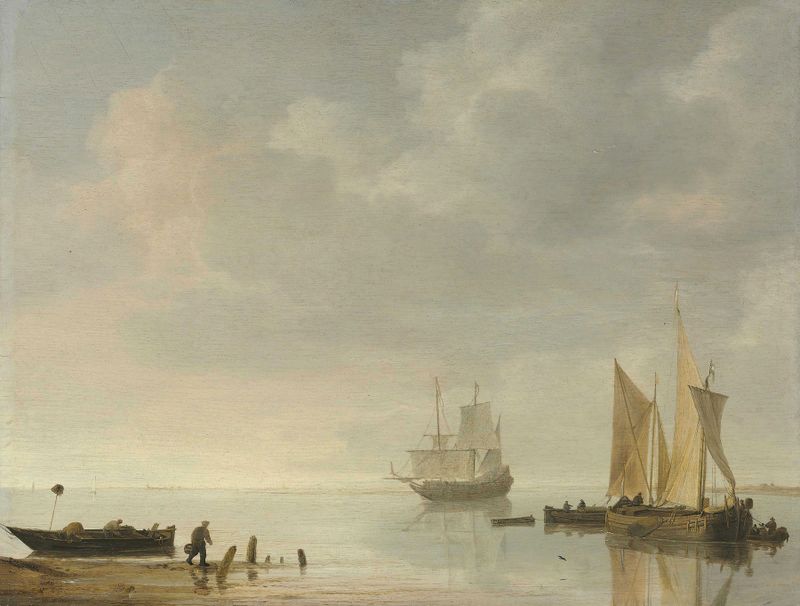
Coastal Scene With Ships Resting On Calm Waters
Simon de Vlieger

A calm estuary with a smalschip and a waterschip at anchor, with other ships in the distance
Simon de Vlieger
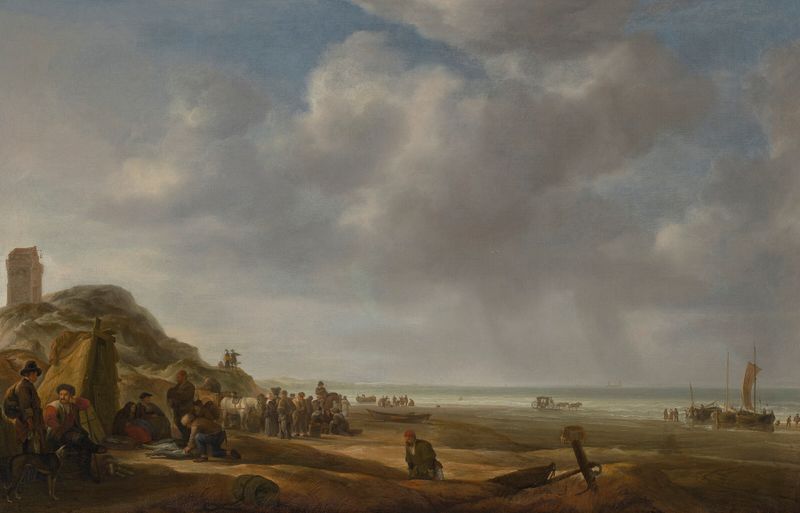
A beach scene with fishermen displaying their catch
Simon de Vlieger

Ship in Distress off a Rocky Coast
Simon de Vlieger
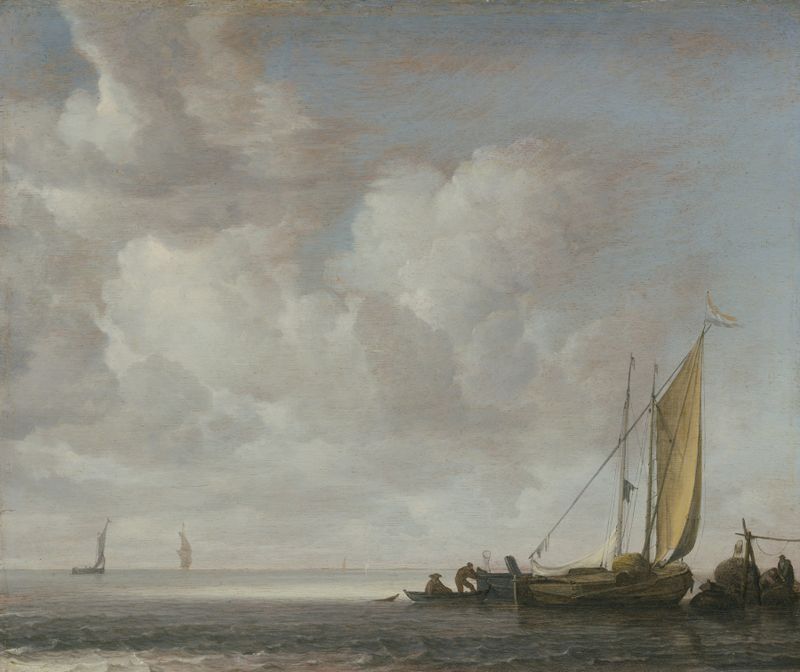
Calm Sea
Simon de Vlieger
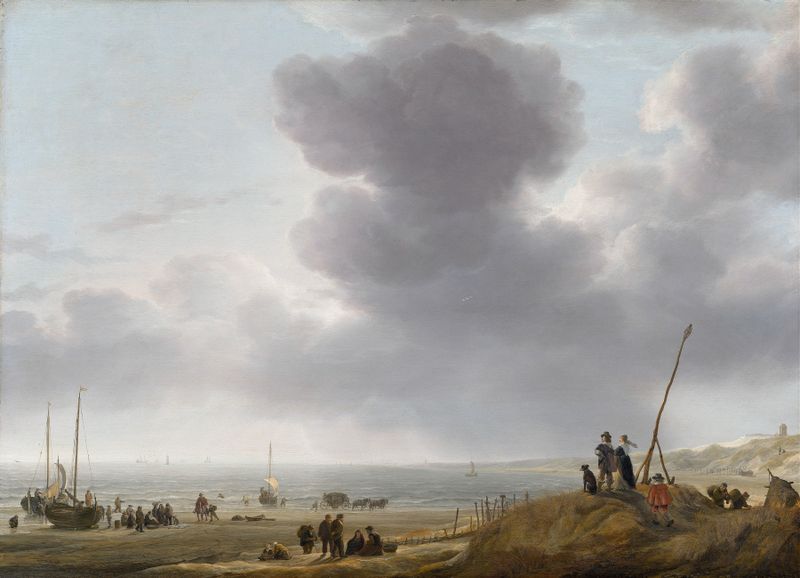
Beach View
Simon de Vlieger