
Wadi Halfa, Sudan — History & Facts
Where does light end, and longing begin? In the luminous expanse of a barren landscape, the boundaries blur, leaving us to ponder the echoes of unfulfilled promises and the silent weight of betrayal. Focus on the horizon, where soft ochres and muted blues converge—hints of warmth and chill intertwining in the sky. The artist masterfully employs varied brush strokes, creating a texture that invites your gaze to wander through the arid terrain. Notice how the light falls upon the undulating land, casting both shadows and highlights that evoke a sense of distance and yearning. As your eyes travel through the composition, observe the delicate interplay between nature’s harshness and the gentle whisper of beauty.
There’s a tension in the starkness; the desolate landscape reflects the artist's own feelings of isolation, while the vibrant hues suggest a world alive, yet just out of reach. This duality can be seen as a metaphor for unfulfilled desires—a reminder that yearning can exist alongside the stark realities of life. In 1867, Edward Lear painted this work during his travels through Sudan. At the time, he was grappling with the disillusionment following a series of personal and professional setbacks.
The world of art was shifting towards Impressionism, but Lear remained rooted in his unique style, seeking solace in the landscapes that surrounded him, even as he wrestled with his own emotional landscapes.
More Artworks by Edward Lear
Browse all →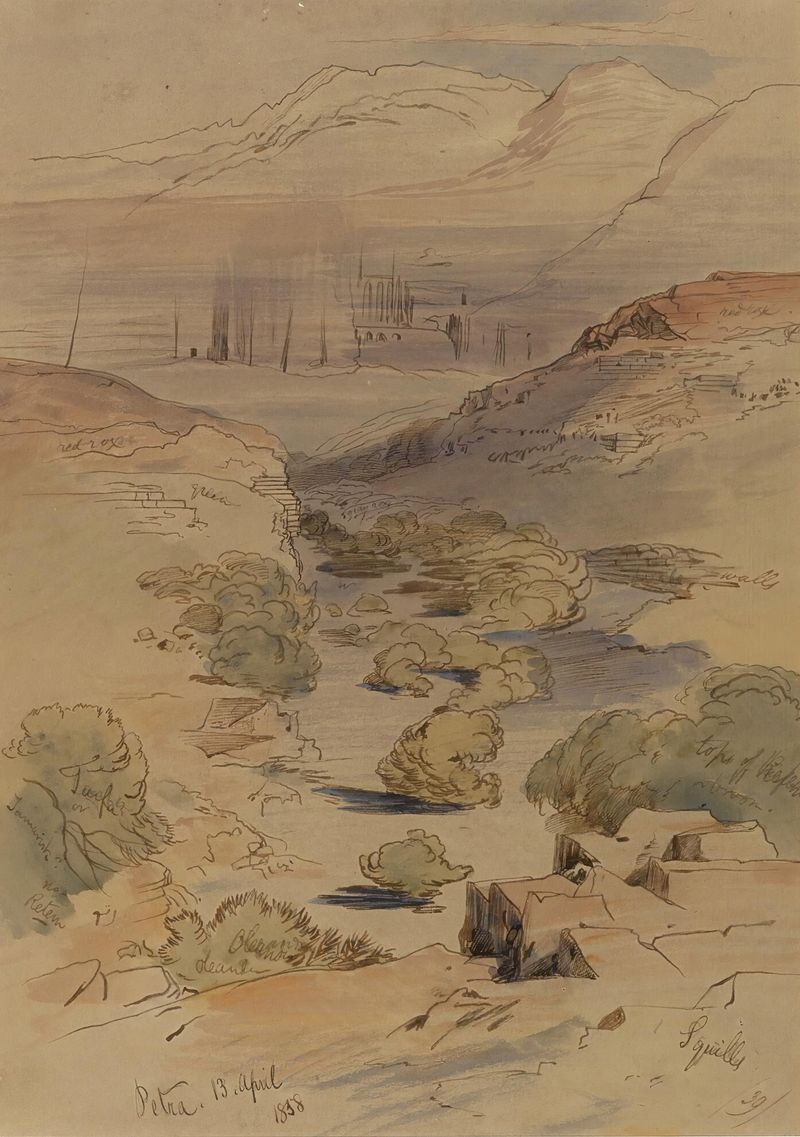
Petra
Edward Lear
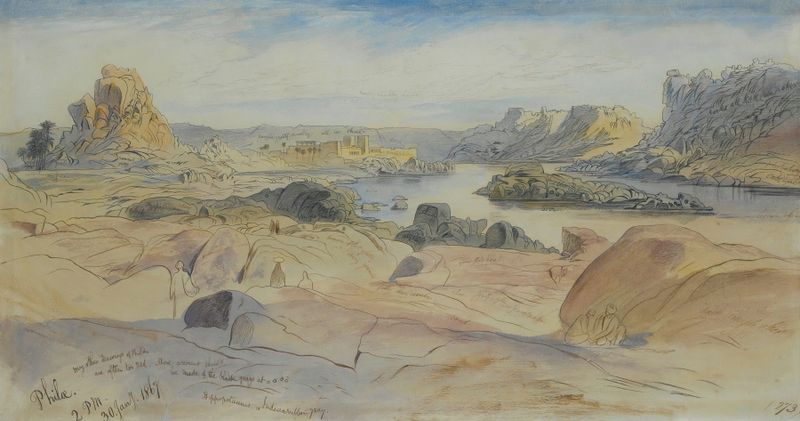
Philae, Egypt
Edward Lear
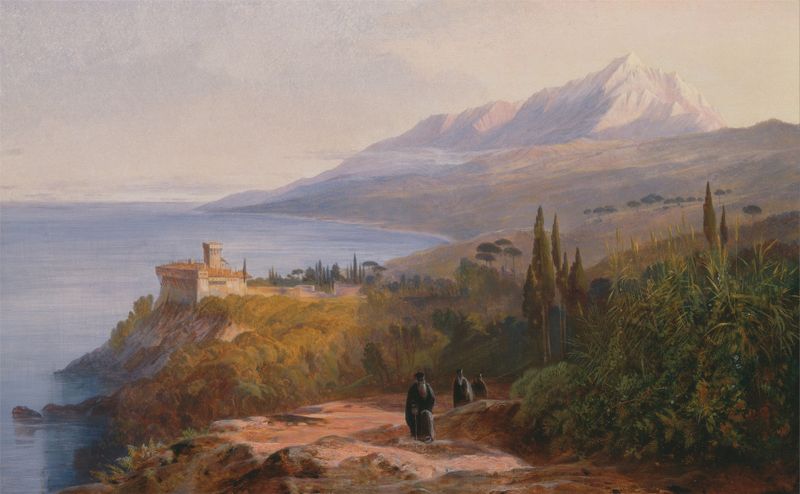
Mount Athos and the Monastery of Stavronikétes
Edward Lear
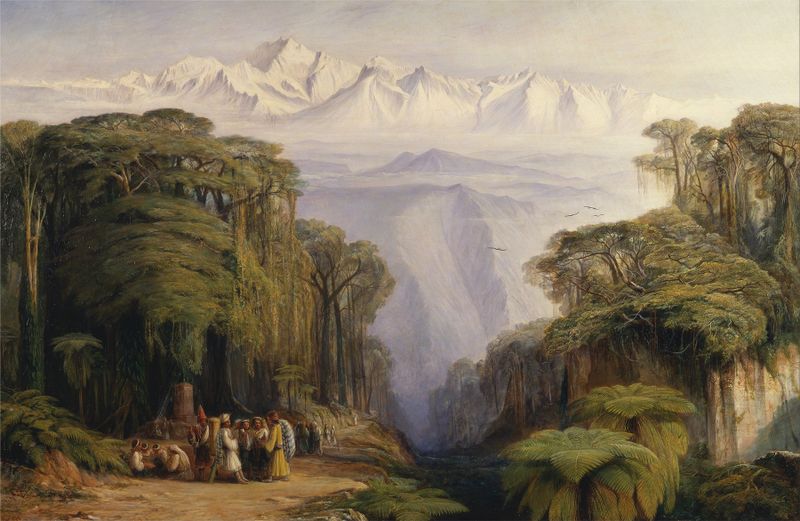
Kangchenjunga from Darjeeling
Edward Lear
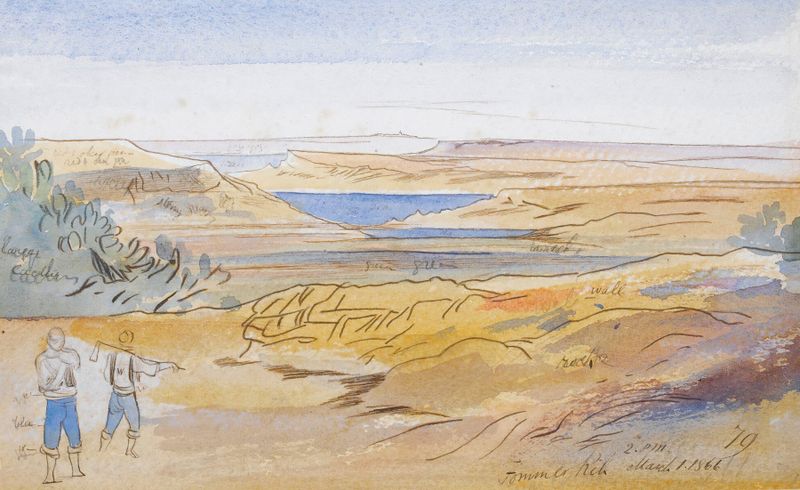
Fomm Ir-Rih, Malta
Edward Lear
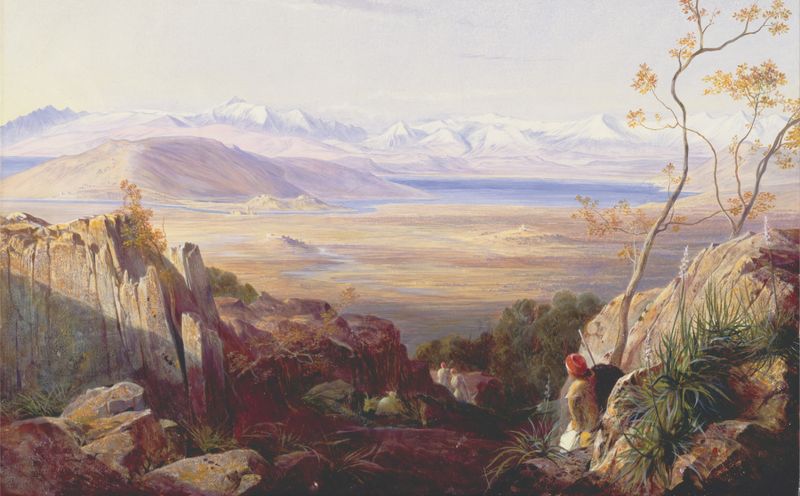
Butrinto, Albania
Edward Lear
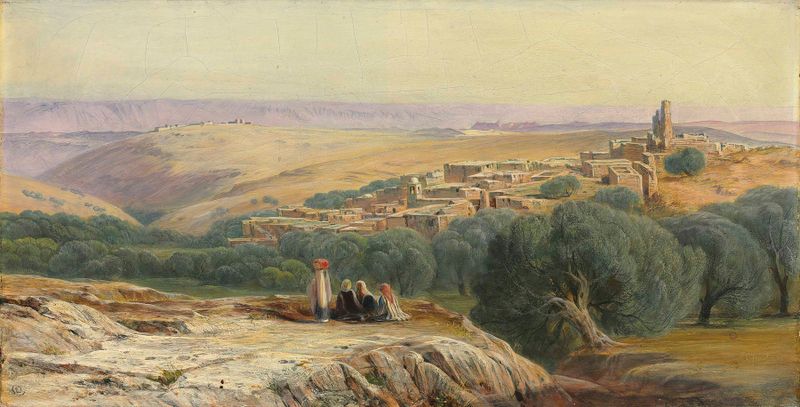
The Plains of Bethany
Edward Lear

Karnak, 9-30 pm, 22 January 1867
Edward Lear
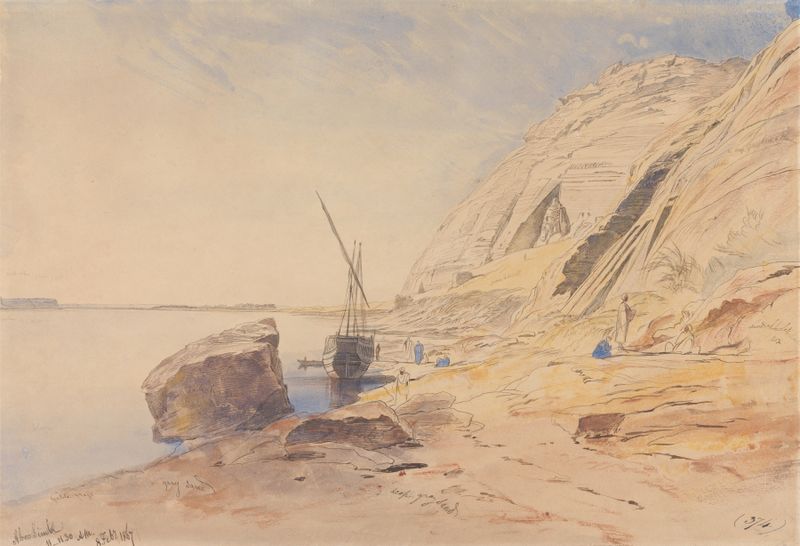
Abu Simbel, 11-11;30 am, 8 February 1867 (374)
Edward Lear

A View Of Mount Athos And The Pantokrator Monastery, Greece
Edward Lear





