
Wadi Tayibeh, Eygpt — History & Facts
Did the painter know this moment would outlive them? In Wadi Tayibeh, Egypt, the essence of divinity in nature captures the viewer's breath, urging reflection on the eternal beauty of the world. Look to the left at the rugged mountains, their jagged peaks softened by a gentle cascade of sunlight that spills over the horizon. Notice how the vibrant hues of ochre and emerald intertwine, the lush foliage contrasting against the stark rock formations. In the foreground, a tranquil river glistens, serving as a mirror for the sky, with its delicate blues blending seamlessly into the ethereal clouds above.
Each brushstroke reveals not just a landscape, but a harmonious dialogue between earth and sky, inviting the viewer to step into this serene moment. As you explore further, consider the interplay between light and shadow, which symbolizes the duality of creation and destruction inherent in nature. The stillness of the water reflects a divine calm, while the rugged terrain hints at the powerful forces that have shaped this landscape. This tension speaks to the transient nature of beauty—how it exists simultaneously in moments of peace and chaos, urging one to find divinity in the everyday. In 1849, Edward Lear painted this scene during his travels in Egypt, a time marked by his quest for artistic and personal fulfillment.
Living in an era when Western artists began to explore the landscapes of the East, Lear’s work captures not only the physical essence of Egypt but also the profound emotional resonance of its untamed beauty. Amid the changing tides of Romanticism, he sought to depict the sublime, inviting viewers to share in the wonder and mystery of the natural world.
More Artworks by Edward Lear
Browse all →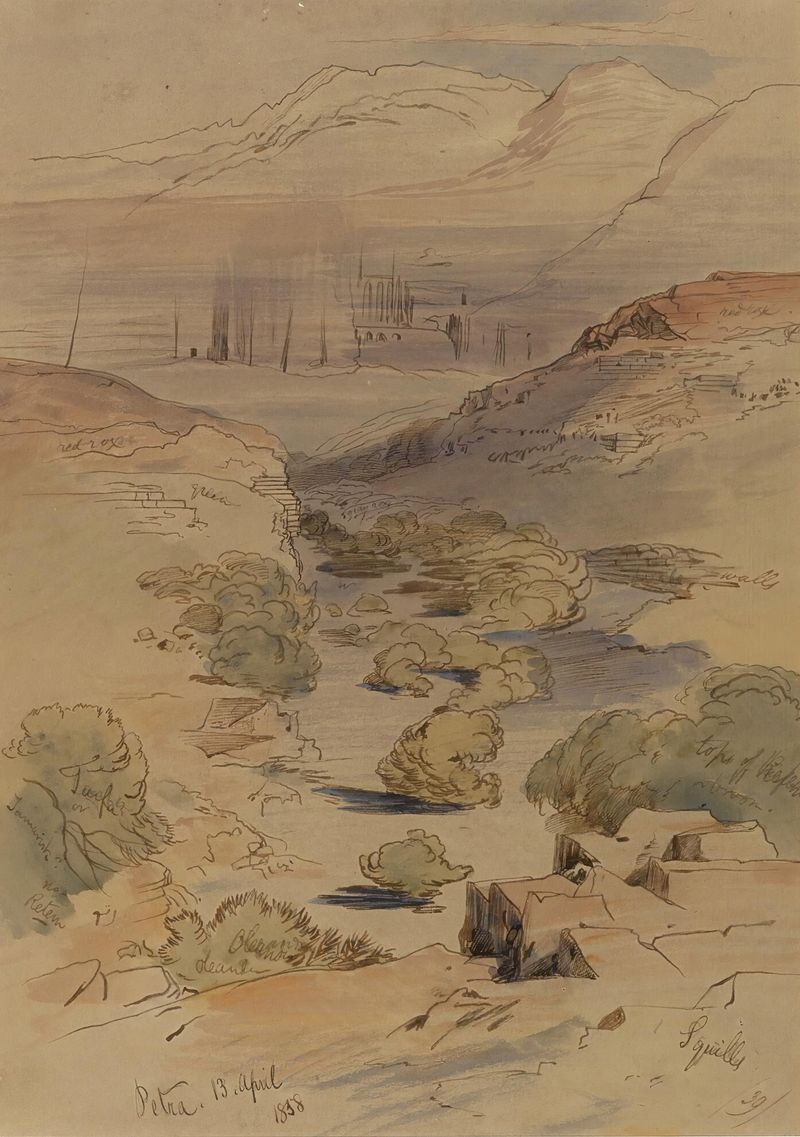
Petra
Edward Lear
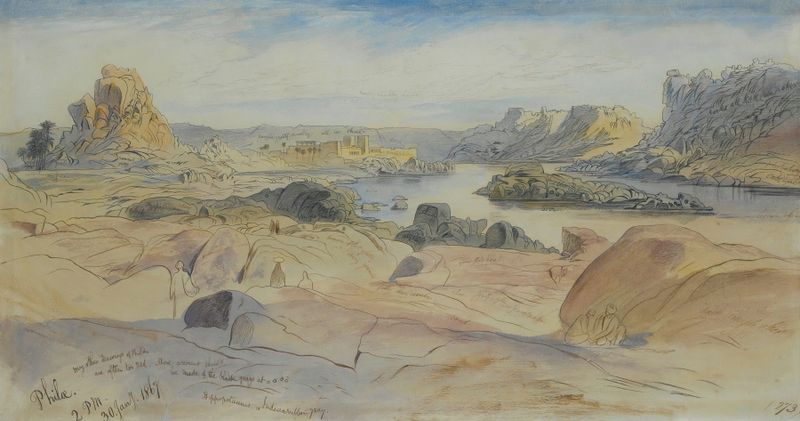
Philae, Egypt
Edward Lear
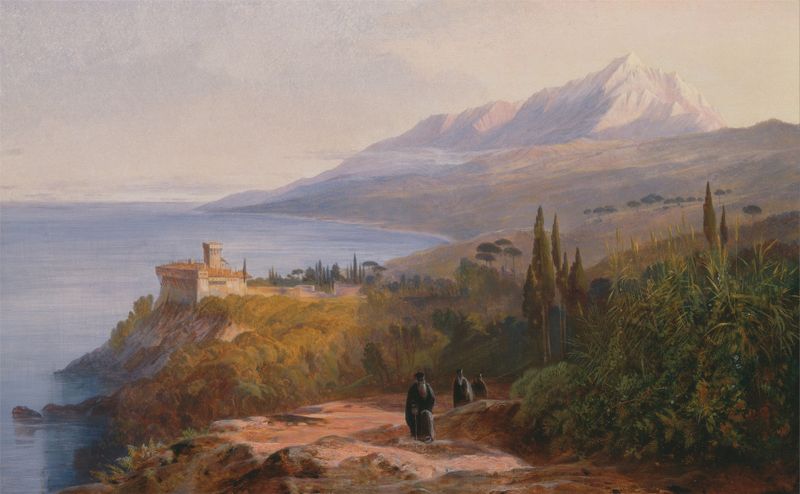
Mount Athos and the Monastery of Stavronikétes
Edward Lear
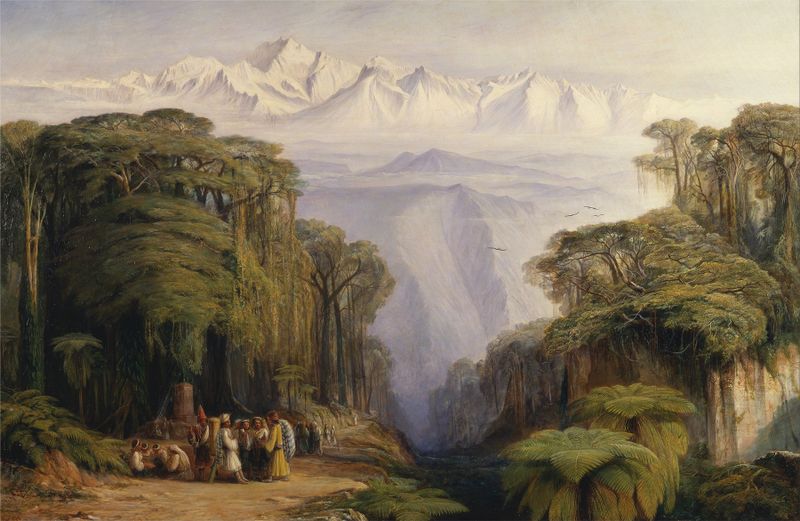
Kangchenjunga from Darjeeling
Edward Lear
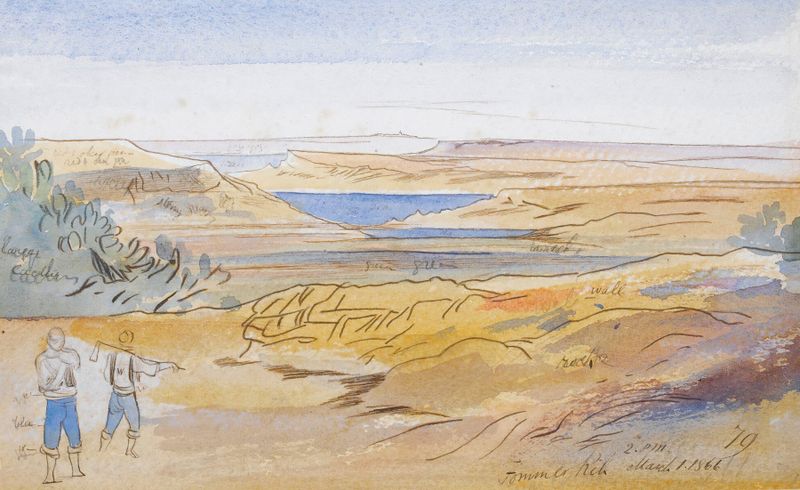
Fomm Ir-Rih, Malta
Edward Lear
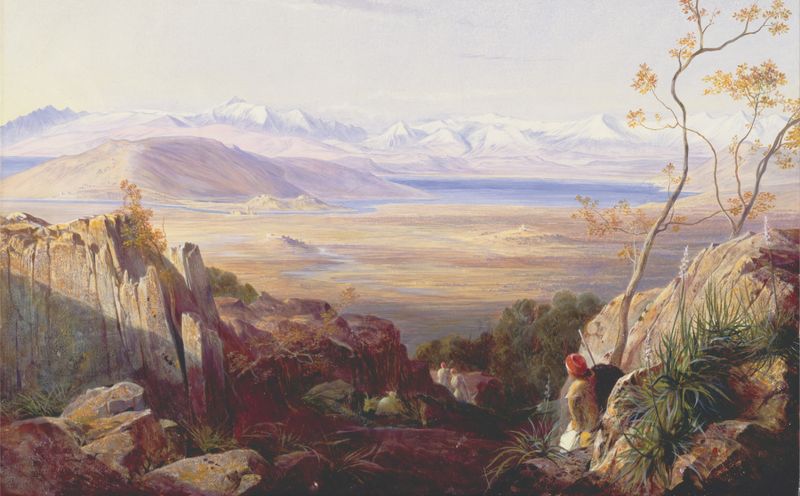
Butrinto, Albania
Edward Lear
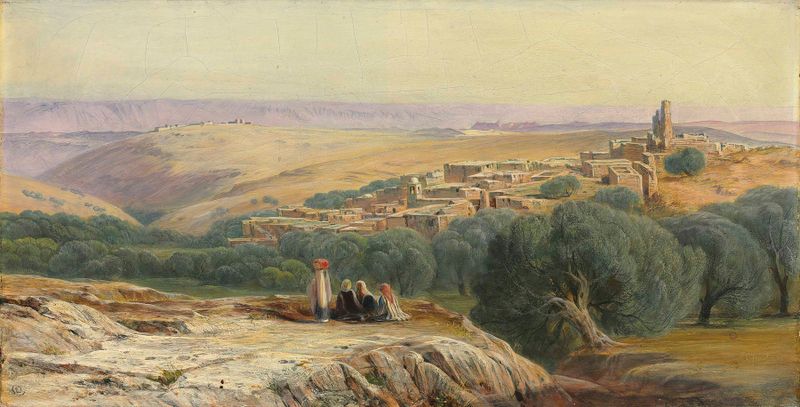
The Plains of Bethany
Edward Lear

Karnak, 9-30 pm, 22 January 1867
Edward Lear
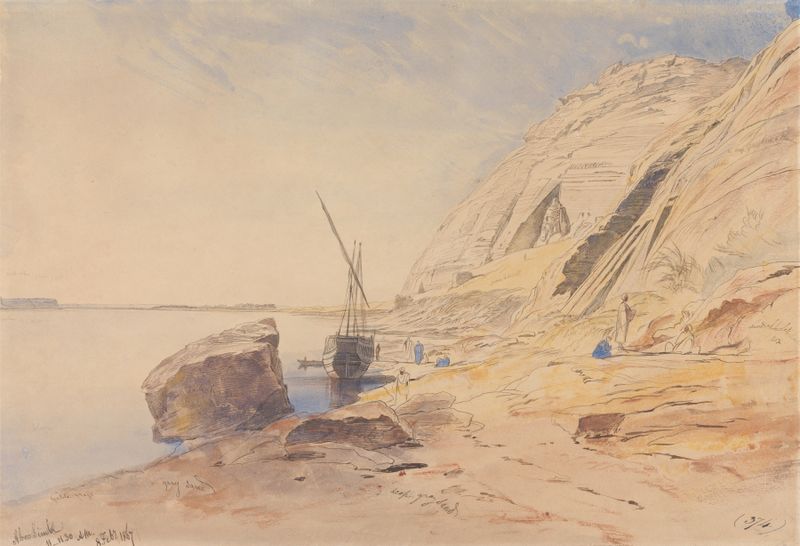
Abu Simbel, 11-11;30 am, 8 February 1867 (374)
Edward Lear

A View Of Mount Athos And The Pantokrator Monastery, Greece
Edward Lear





