
Wady Halfen, Egypt — History & Facts
The tension between vibrant hues and the stark emptiness of stillness beckons us to explore deeper fears and unspoken stories within this landscape. Look to the left at the rugged mountains, their jagged peaks framed by a vivid sky that oscillates between warm reds and deep blues. Notice how the sun’s rays cascade over the terrain, igniting the earth while casting long shadows that cradle the valleys below. The brushwork is both delicate and bold, a testament to the artist's mastery in capturing the essence of this Egyptian landscape, where nature's beauty coexists with an undercurrent of unease. The composition’s contrasting elements reveal hidden meanings that resonate beyond mere aesthetics.
The vibrant colors create a façade of tranquility, while the shadows evoke a sense of lurking dread, suggesting the multitude of untold histories that rest beneath the surface. As the viewer immerses themselves in the scene, the fear of the unknown looms large, challenging our perceptions of safety and familiarity in this foreign land. Edward Lear painted this work in 1867 during his travels in the Middle East, a period marked by his quest for artistic expression amid personal struggles. The world of art was evolving, with Impressionism beginning to emerge, yet Lear remained deeply influenced by traditional techniques.
His time in Egypt provided not only inspiration but also a refuge, as he grappled with his own anxieties and the complexities of life as an artist navigating uncharted territories.
More Artworks by Edward Lear
Browse all →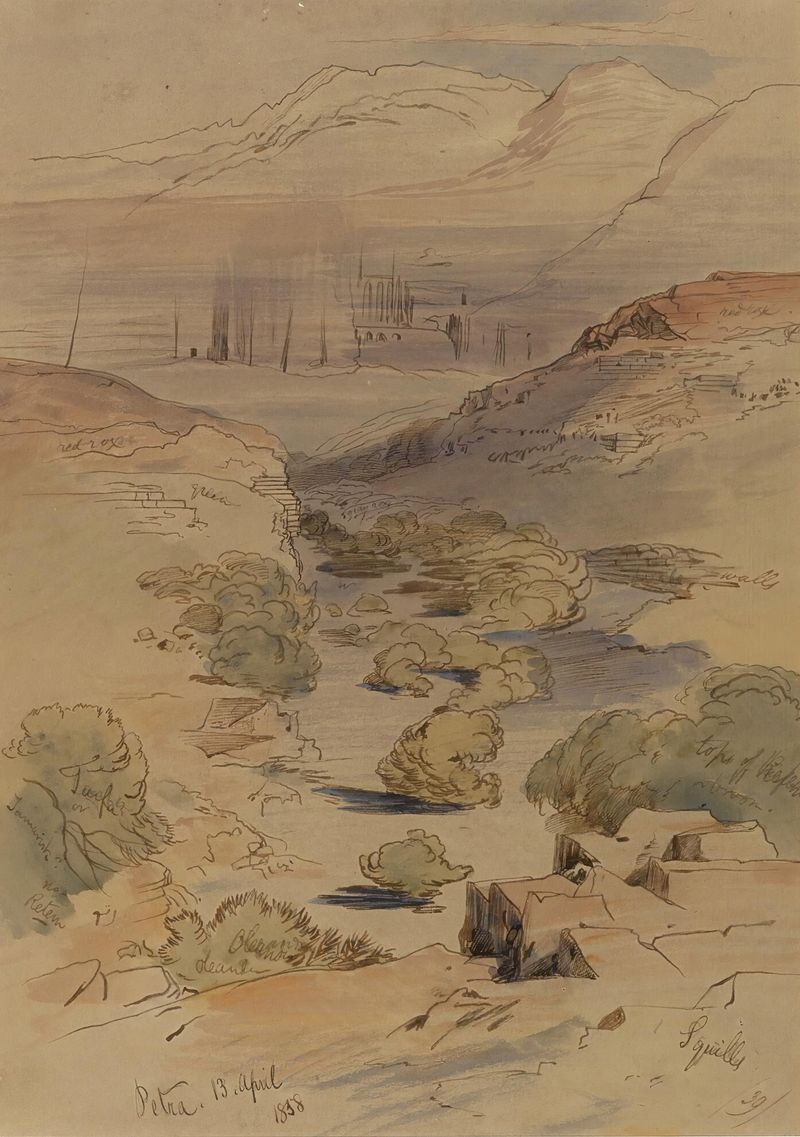
Petra
Edward Lear
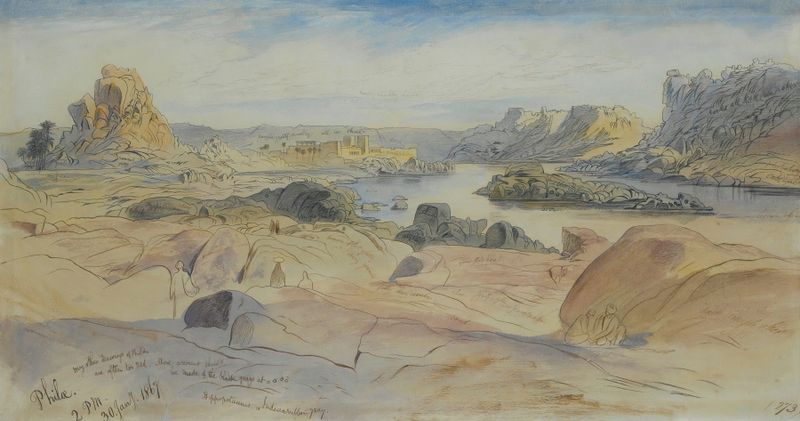
Philae, Egypt
Edward Lear
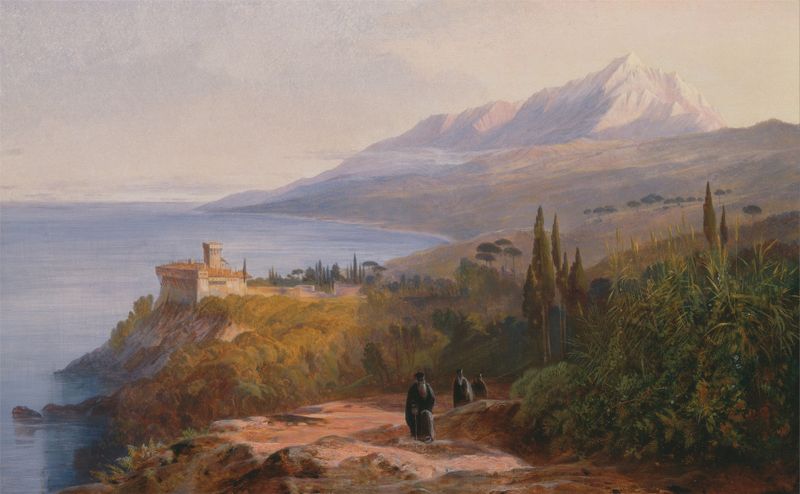
Mount Athos and the Monastery of Stavronikétes
Edward Lear
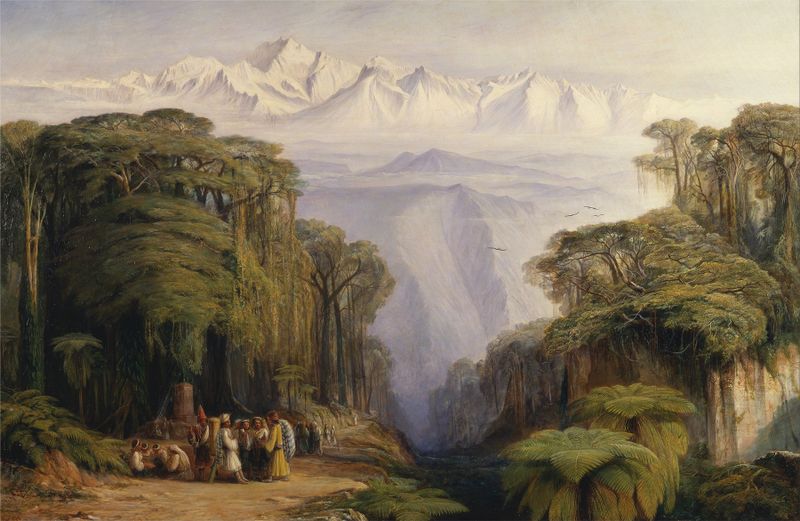
Kangchenjunga from Darjeeling
Edward Lear
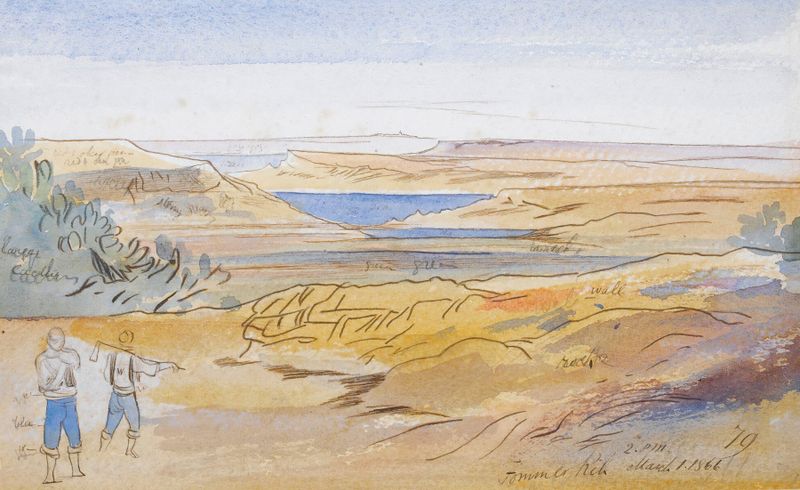
Fomm Ir-Rih, Malta
Edward Lear
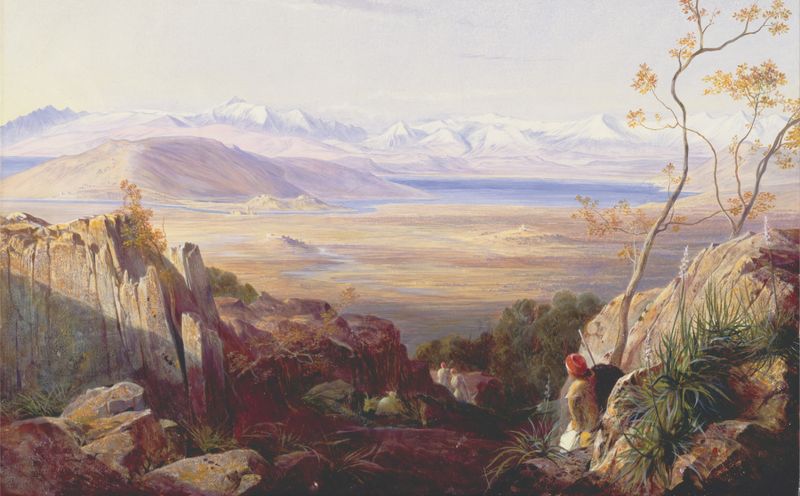
Butrinto, Albania
Edward Lear
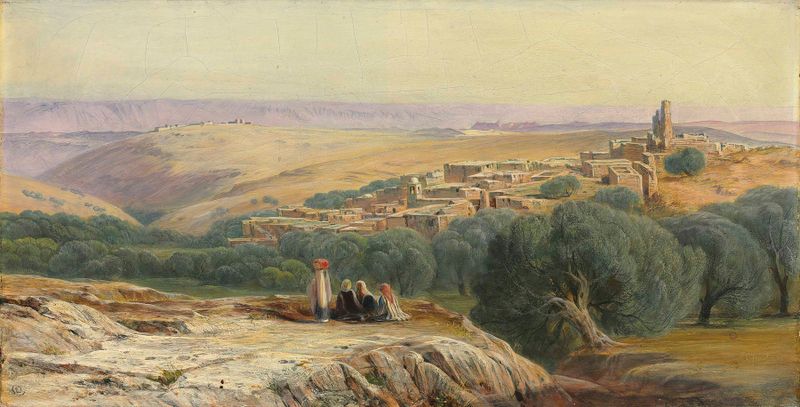
The Plains of Bethany
Edward Lear

Karnak, 9-30 pm, 22 January 1867
Edward Lear
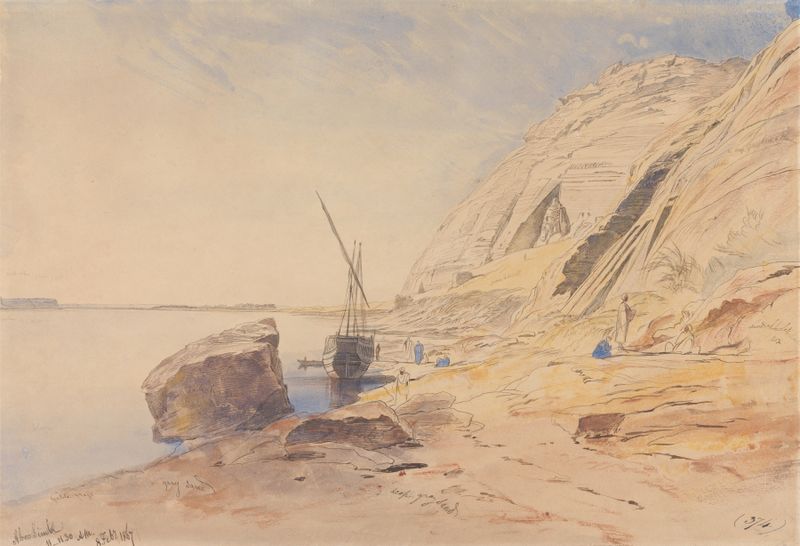
Abu Simbel, 11-11;30 am, 8 February 1867 (374)
Edward Lear

A View Of Mount Athos And The Pantokrator Monastery, Greece
Edward Lear





