
Waltham Abbey, Essex — History & Facts
Can paint confess what words never could? In Edward Dayes' Waltham Abbey, Essex, the artist captures a moment that speaks volumes, inviting us to explore the echoes of memory embedded in his brushwork. Look to the center, where the imposing structure of the abbey stands resilient against a backdrop of soft, ethereal clouds. Notice the delicate interplay of light and shadow as the sun filters through, casting a golden hue that warms the stone façade. The foreground teems with lush greenery, leading the eye towards the arched entrance, which seems to beckon the viewer into its storied past.
The muted palette conveys a sense of nostalgia, while the meticulous detailing reveals Dayes' reverence for both architecture and nature. Yet, beneath its serene exterior lies a profound tension between the permanence of the abbey and the transience of time. The gentle sway of the trees hints at an unseen breeze, suggesting the fleeting nature of the memories held within the walls. The juxtaposition of the robust structure and the ephemeral atmosphere evokes a longing—an invitation to ponder the stories that have unfolded there, lost in the annals of history.
This subtle contrast enhances the emotional depth of the piece, drawing us into a dialogue with the past. In 1783, Edward Dayes created this work during a period of artistic exploration in England, marked by a growing interest in landscape painting. At the time, he was known for his depictions of rural scenes and historical architecture, reflecting a broader shift towards Romanticism in art. This painting not only showcases his mastery of landscape but also mirrors the collective yearning for connection with a past that was increasingly viewed as romantic and idealized.
More Artworks by Edward Dayes
Browse all →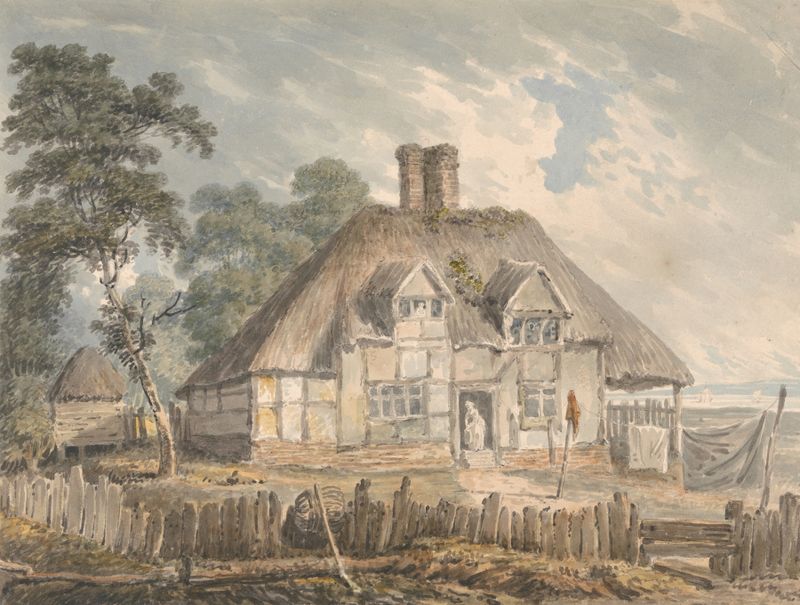
A Cottage near Southampton
Edward Dayes
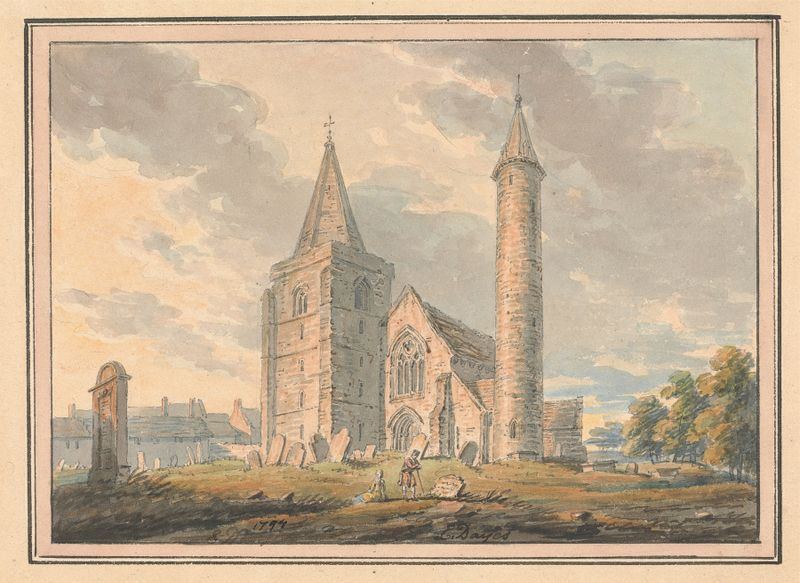
Brechin Cathedral and round tower, Forfarshire, Scotland
Edward Dayes
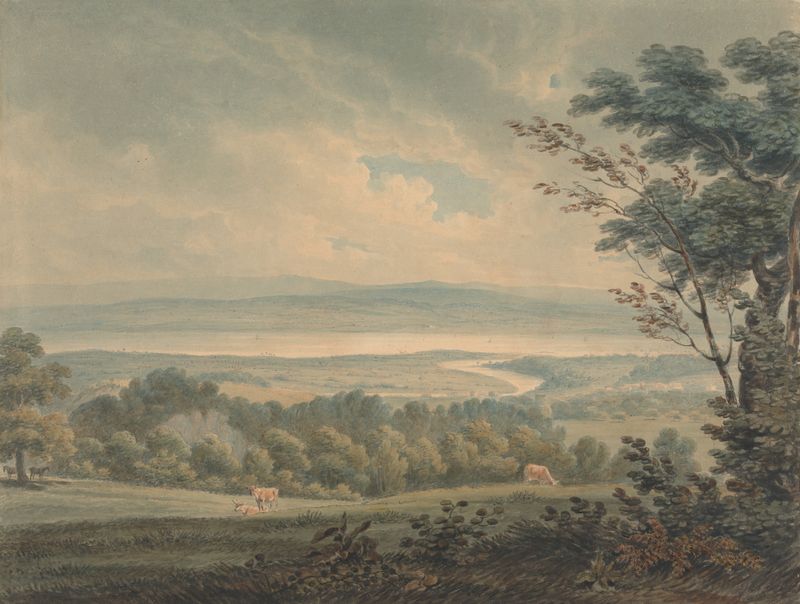
The Meeting of the Rivers Severn and Wye, near Chepstow
Edward Dayes

Ruins of the Old Kirk, Isle of Bute
Edward Dayes
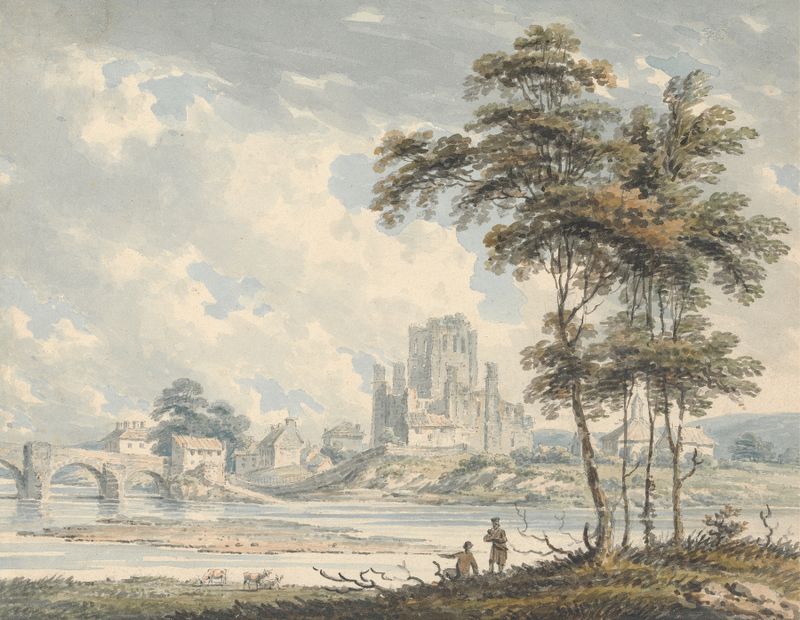
Kelso Abbey, Rosburghshire
Edward Dayes
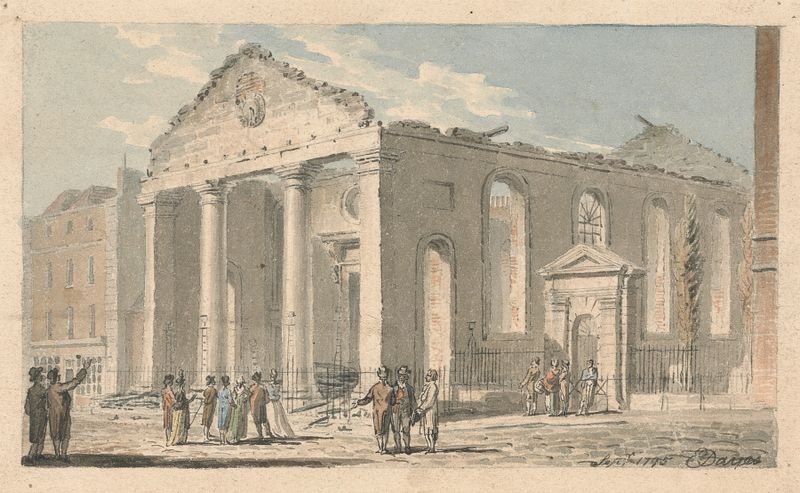
St. Paul’s Church, Covent Garden, after the fire
Edward Dayes
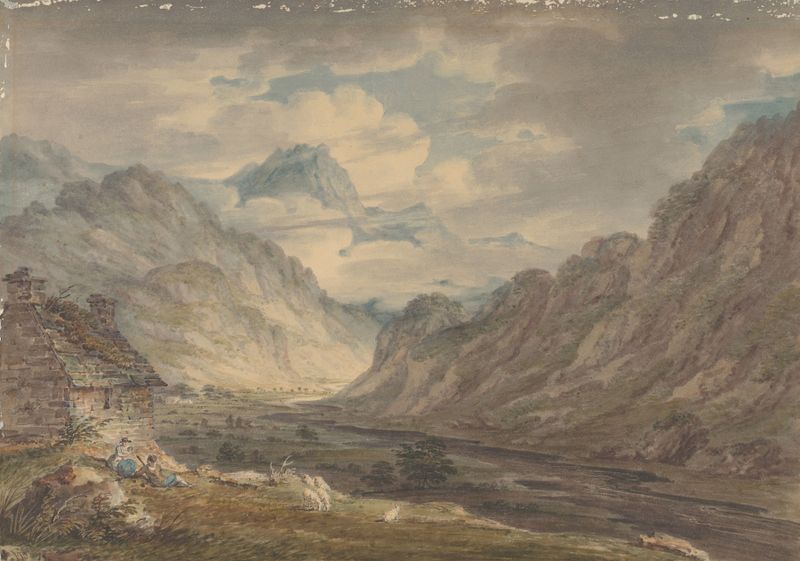
The Honister Pass from Gatesgarth Farm, Gatesgarthdale, Lake District
Edward Dayes
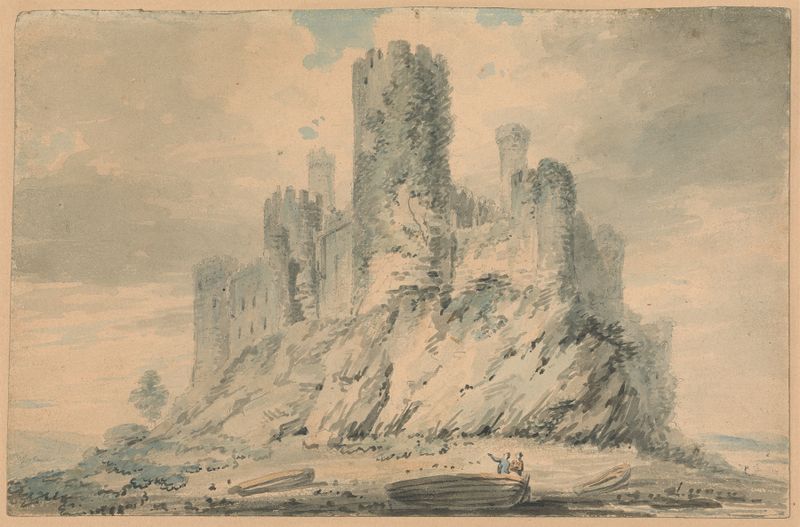
Conway Castle, Caernarvonshire
Edward Dayes
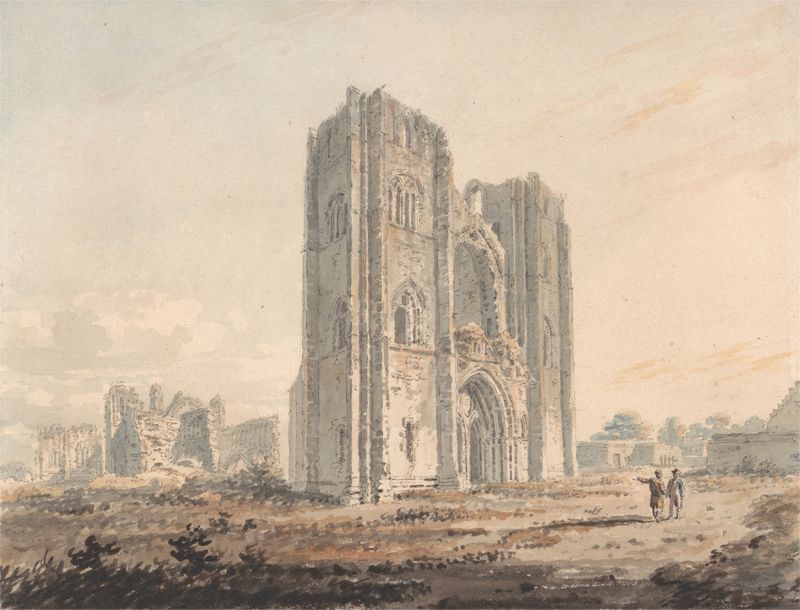
Elgin Cathedral, Moray
Edward Dayes

Lake scene
Edward Dayes
More Architecture Art
Browse all →
The statue of Liberty
Frédéric Auguste Bartholdi

View of Houses in Delft, Known as ‘The Little Street’
Johannes Vermeer

View of Houses in Delft, Known as ‘The Little Street’
Johannes Vermeer

The Cathedral in Rouen. The portal, Grey Weather
Claude Monet

The yellow house
Vincent van Gogh

The Church in Auvers-sur-Oise, View from the Chevet
Vincent van Gogh