
Wandelend gezelschap in een bos — History & Facts
What secret hides in the quiet of the canvas? In the lush embrace of a forest, the harmony of nature conceals the chaotic whispers of the mind, revealing the delicate balance between serenity and madness. Look to the center of the painting, where a group of figures strolls through the dappled sunlight filtering through the treetops. Their subtle movements and expressions evoke a sense of tranquility, yet their placement within the dense foliage hints at a deeper emotional complexity. Notice how the artist uses soft greens and browns to create an inviting atmosphere, while strategic splashes of light draw the eye, emphasizing the interplay of shadow and illumination, a metaphor for hidden thoughts lurking beneath the surface. Upon closer inspection, the positioning of the figures speaks volumes.
They are united in their journey yet isolated in their thoughts, a poignant reflection of the human experience. The gentle curve of their path suggests progress but also uncertainty, a reminder that beneath calm exteriors lies the potential for turmoil. The forest, both enchanting and foreboding, becomes a character in its own right, embodying the duality of beauty and confusion that can lead one to madness. Alfred Ost created Wandelend gezelschap in een bos in 1937 while living in Belgium, a time when Europe was on the brink of tumultuous change.
As modernism began to influence artistic expression, he sought to capture the nuances of human emotion entwined with nature, showcasing the intricacies of perception during a period marked by uncertainty and unrest.
More Artworks by Alfred Ost
Browse all →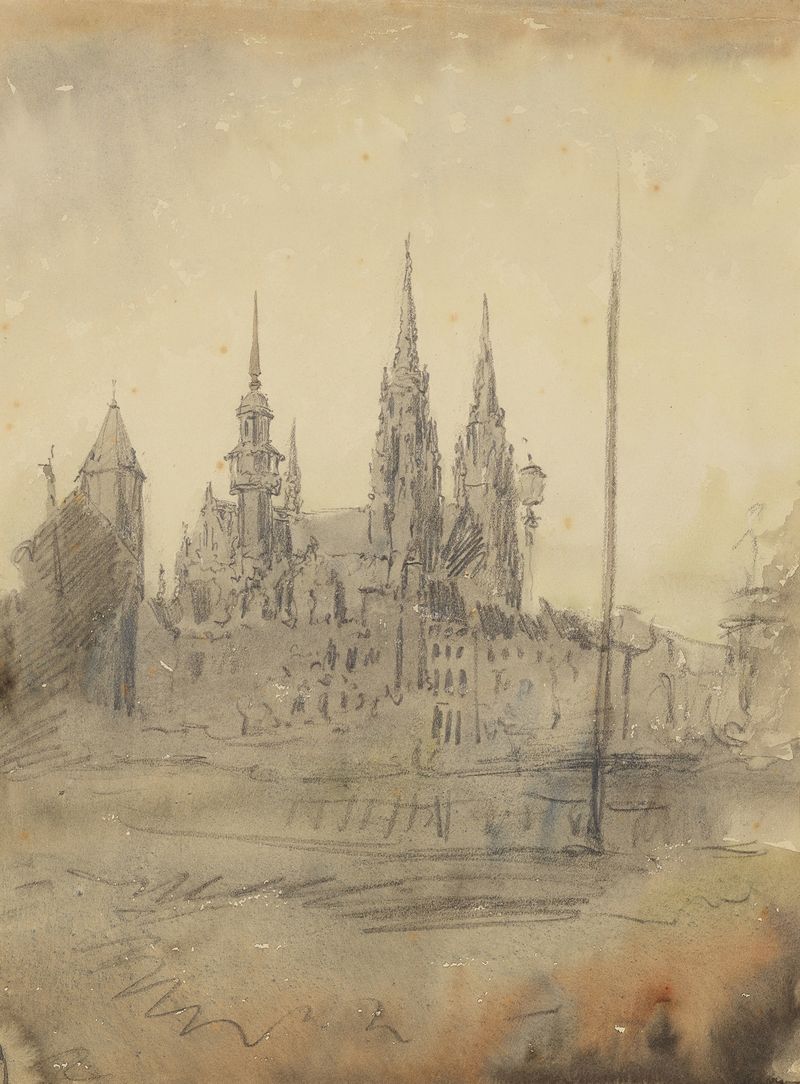
Oostende in de mist
Alfred Ost

Ypres Remember
Alfred Ost
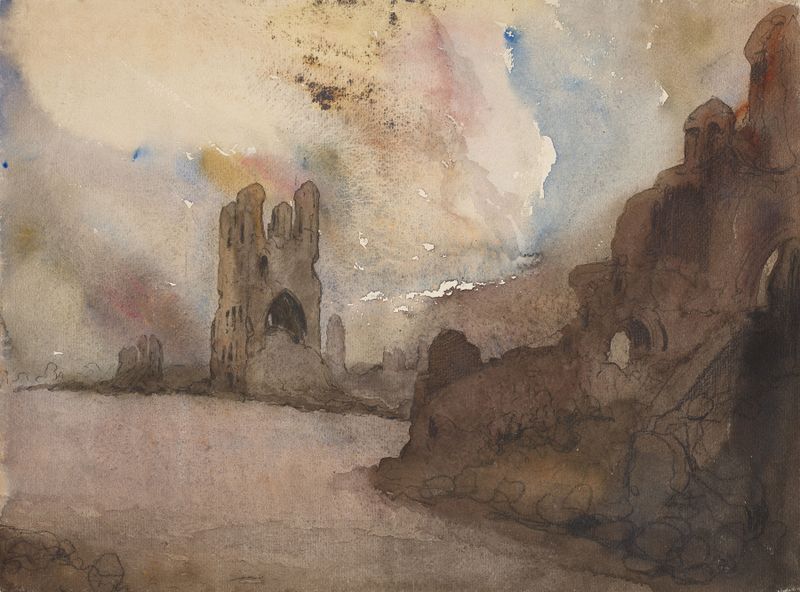
Ypres Remember
Alfred Ost
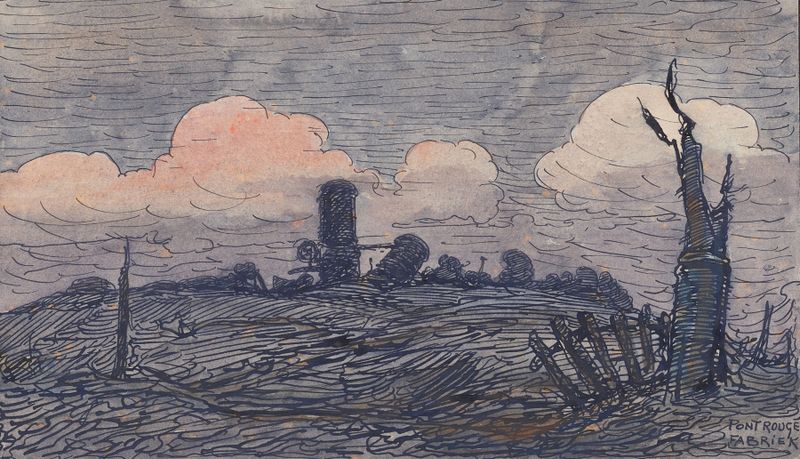
Ypres Remember
Alfred Ost

Bedevaarders op weg naar de Sint Salavtorkerk van Hakendover
Alfred Ost
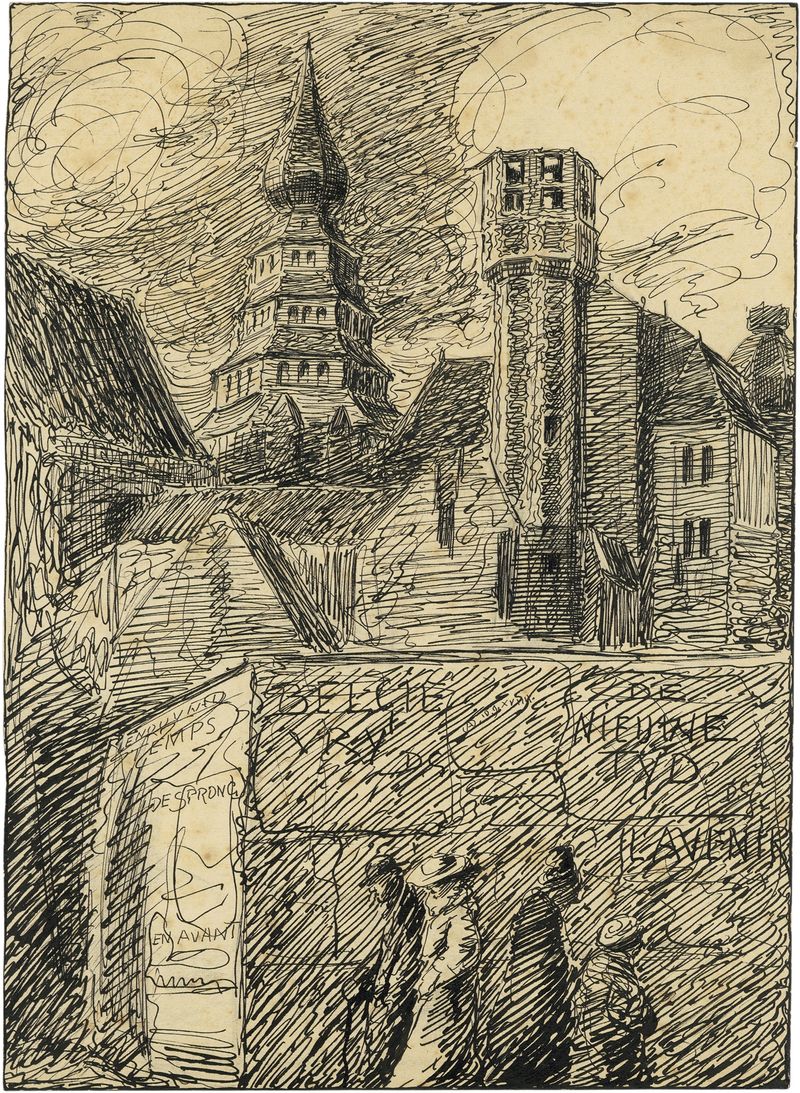
‘België vrij. De nieuwe tijd.’
Alfred Ost

Vierkantshoeve
Alfred Ost

Huis met rieten dak in een veld
Alfred Ost

Italiaanse kerk en bomen
Alfred Ost

Sint-Salvatorkerk in Hakendover – zijaanzicht
Alfred Ost





